Does Green Tea Have Caffeine? A Complete Guide
Uncover the truth about caffeine in green tea: amounts, comparisons, health effects, and tips for mindful consumption.
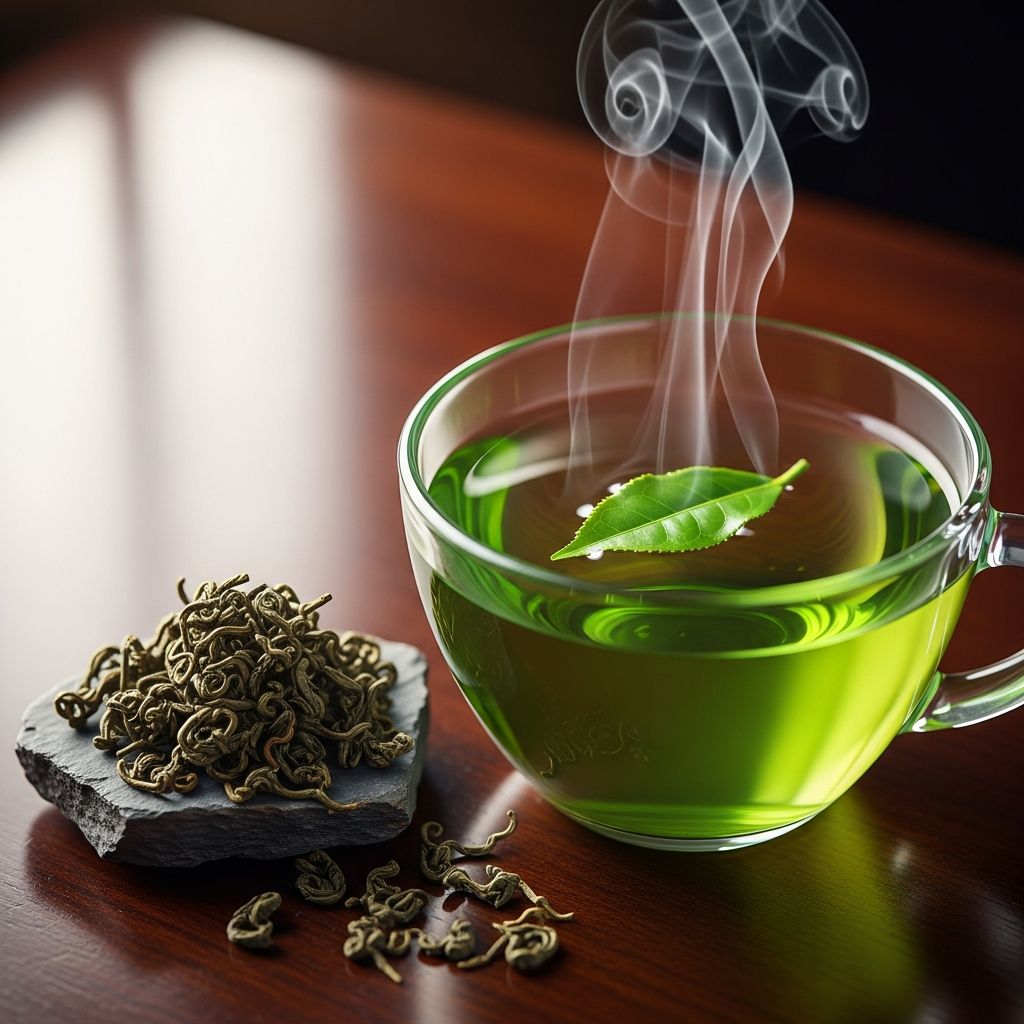
Green tea does contain caffeine, typically ranging from
30 to 50 milligrams per 8-ounce (237-ml) cup
, making it a milder stimulant than coffee or energy drinks. This natural compound provides a gentle energy boost, often enhanced by L-theanine for sustained focus without jitters.Derived from the Camellia sinensis plant, green tea’s caffeine content varies based on factors like leaf type, processing, harvest time, and brewing method. Unlike coffee’s sharper buzz, green tea offers balanced alertness, positioning it as a popular daily beverage for health-conscious individuals.
How Much Caffeine Is in Green Tea?
The caffeine in green tea fluctuates significantly. According to FDA estimates and multiple analyses, an average 8-oz cup delivers
30-50 mg
. Brewed green tea clocks in at about 29 mg per Mayo Clinic data.Specific varieties show variation:
- Sencha Fukamushi: 27-41 mg per cup, depending on steeping time (1-2 minutes).
- Hojicha: Under 20 mg per cup when brewed per guidelines.
- Organic Ceremonial Matcha: Around 29 mg with 1g serving.
- Darjeeling Green Tea: Up to 96 mg, higher than typical.
- Twinings Green Tea: 30-40 mg per 200 ml cup.
Leaf caffeine ranges from 1.6-3.5% dry weight, influenced by harvest timing—younger spring leaves hold more. Only 60% extracts in the first 60 seconds at 176°F; longer or hotter brews pull more.
Bagged teas often exceed loose-leaf due to crushed leaves enhancing extraction, while powdered matcha matches or surpasses bags despite small portions. A standard 8-oz green tea averages 35-40 mg.
Green Tea Caffeine Compared to Coffee, Black Tea & More
Green tea’s caffeine is modest next to common beverages. Brewed coffee packs 102-200 mg per 8 oz, roughly double or triple green tea. Here’s a comparison table for an 8-oz serving:
| Beverage | Caffeine (mg) |
|---|---|
| Green Tea | 30–50 |
| Brewed Coffee | 102–200 |
| Black Tea | 25–110 (avg. 48-55) |
| Espresso (1 oz) | 240–720 |
| Instant Coffee | 27–173 |
| Yerba Mate | 65–130 |
| Energy Drinks | 72–80 (up to 250) |
| Soda | 23–37 |
Green tea matches or exceeds soda but trails energy drinks by 10-200 mg. Oolong offers 30-40 mg, white tea 20-30 mg. Coffee’s higher dose delivers intensity; green tea’s L-theanine synergy promotes calmer focus.
Decaf Green Tea: How Much Caffeine Does It Have?
Decaf green tea isn’t caffeine-free, retaining
2-12 mg per cup
post-processing. Methods like CO2, ethyl acetate, or water extraction remove 97-99% caffeine, preserving antioxidants.Brewed decaf black tea has just 2 mg; green follows suit. Ideal for caffeine-sensitive people, decaf retains catechins for heart and metabolic benefits without stimulation. Check labels—true decaf caps at 5 mg per serving per regulations.
Effects of Caffeine in Green Tea
At 30-50 mg, green tea’s caffeine boosts metabolism, alertness, and fat oxidation without overload. Paired with L-theanine, it enhances cognitive performance, reducing stress while improving attention—superior for mental tasks over coffee.
- Positive Effects: Enhanced focus, milder energy, antioxidant synergy for anti-inflammatory benefits.
- Potential Downsides: Insomnia, jitters, or anxiety in sensitive individuals, especially over 400 mg daily.
Safe for most at moderate intake; pregnant people limit to 200 mg daily.
9 Health Benefits of Green Tea
Beyond caffeine, green tea brims with catechins like EGCG, delivering evidence-based perks:
- Rich in Antioxidants: Polyphenols combat oxidative stress, reducing chronic disease risk.
- Supports Heart Health: Lowers LDL cholesterol, blood pressure; meta-analyses link 3+ cups daily to 20-30% stroke reduction.
- Aids Weight Management: Boosts fat burning by 17% during exercise via catechins and caffeine.
- Brain Function: L-theanine + caffeine improves memory, attention; may protect against neurodegeneration.
- Cancer Prevention: EGCG inhibits tumor growth in lab studies; observational data suggests lower risks.
- Blood Sugar Control: Improves insulin sensitivity, beneficial for diabetes prevention.
- Oral Health: Antibacterial properties reduce cavities, gum disease.
- Liver Protection: Lowers NAFLD enzymes; supports detoxification.
- Skin Health: Topical/oral use reduces UV damage, acne.
Related Stories



These stem from minimal processing retaining compounds lost in black tea.
Is Green Tea Good for You If You’re Sensitive to Caffeine?
Yes, for most—its low dose and L-theanine buffer suit sensitives better than coffee. Opt for hojicha (under 20 mg) or decaf if needed. Limit to 3-4 cups if very sensitive; monitor sleep, anxiety.
Benefits like antioxidants persist sans caffeine jolt. Those with GERD or iron deficiency consult doctors, as tannins inhibit absorption.
Green Tea Benefits Without the Caffeine
Decaf or low-caffeine options (genmaicha, bancha) deliver catechins, vitamins for immunity, anti-aging without stimulation. Water-extracted decaf best preserves EGCG.
Bottom Line
Green tea contains
30-50 mg caffeine per cup
—less than coffee, ample for gentle lift with superior health perks. Enjoy 8 cups max daily within 400 mg limit; decaf for evenings. Its synergy makes it a smart, nutritious choice.Frequently Asked Questions (FAQs)
Does all green tea have caffeine?
Yes, all from Camellia sinensis contains some; levels vary by type. Decaf versions have trace amounts (2-12 mg).
Is green tea high in caffeine?
No, it’s low—30-50 mg vs. coffee’s 100+ mg. Matcha or Darjeeling can reach 96 mg.
How much caffeine is in matcha vs. green tea?
Matcha: 29-70 mg per gram; similar to bagged green tea due to full-leaf consumption.
Is caffeine in green tea bad for you?
Not at moderate levels; enhances benefits like fat burn, focus. Stay under 400 mg daily.
Can I drink green tea at night?
Yes, low caffeine clears quickly; choose decaf or hojicha for sleep safety.
References
- How Much Caffeine In Green Tea? — Sugimoto Tea Company. 2023. https://www.sugimotousa.com/blog/caffeine-in-green-tea
- How Much Caffeine Is in Green Tea? — Healthline. 2017-09-27. https://www.healthline.com/nutrition/caffeine-in-green-tea
- Green Tea vs Coffee Caffeine — Nio Teas. 2023. https://nioteas.com/blogs/green-tea/green-tea-vs-coffee-caffeine
- Caffeine in Green Tea — Twinings. 2023. https://twinings.co.uk/blogs/news/caffeine-in-green-tea
- Does Green Tea Have Caffeine? — Kettl Tea. 2023. https://kettl.co/blogs/kettl-tea-blog/does-green-tea-have-caffeine
- Caffeine Content for Coffee, Tea, Soda and More — Mayo Clinic. 2023-01-10. https://www.mayoclinic.org/healthy-lifestyle/nutrition-and-healthy-eating/in-depth/caffeine/art-20049372
- Tea & Caffeine | Content Levels by Type — The Republic of Tea. 2023. https://www.republicoftea.com/blog/tea-library/tea-and-caffeine/tl-039/
Similar Articles








Read full bio of medha deb