Does High Blood Pressure Make You Tired?
Uncover the surprising link between hypertension and fatigue, including causes, symptoms, and when to seek medical help for better energy and health.
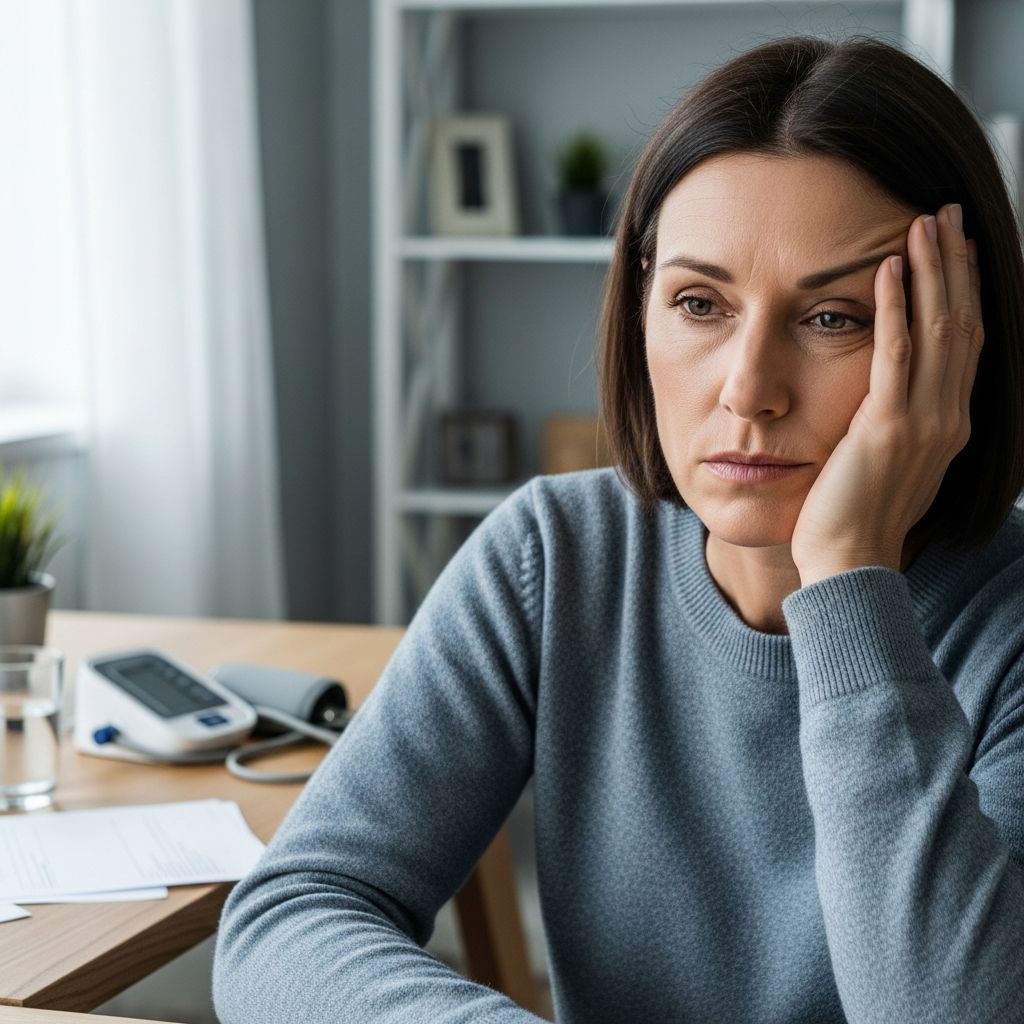
High blood pressure, or hypertension, is often called the “silent killer” because it frequently develops without noticeable symptoms. However, many people wonder: does high blood pressure make you tired? While fatigue isn’t the most common or earliest sign, it can indeed occur, particularly in advanced stages or during sudden spikes. According to medical experts, tiredness linked to hypertension stems from the body’s increased workload on the heart, reduced oxygen delivery, sleep disruptions, and potential complications like kidney strain or pulmonary issues. Understanding this connection is crucial, as persistent fatigue alongside elevated readings (defined as 130/80 mmHg or higher by major health organizations) warrants attention to prevent long-term damage.
This comprehensive guide dives into why hypertension might sap your energy, common accompanying symptoms, prevalence data, underlying mechanisms, and practical steps for relief. We’ll also cover when fatigue signals a medical emergency and how lifestyle changes or treatments can restore vitality.
Can High Blood Pressure Cause Fatigue?
Yes, high blood pressure can cause fatigue, though the relationship is indirect and not universal. In early stages, about 60% of people with severe hypertension report no symptoms at all. Fatigue typically emerges when pressure levels climb significantly or complications arise. The heart must pump harder against stiffened arteries, leading to muscle thickening and inefficiency. This strain reduces blood flow and oxygen to tissues, manifesting as exhaustion even after minimal activity.
Studies highlight variability: excessive daytime sleepiness affects 12% to 88% of hypertensive patients, with the Cardiovascular Health Study noting that roughly 1 in 5 adults over 65 experience daytime drowsiness. For pulmonary hypertension—a specific form affecting lung arteries—over 90% of patients report moderate to severe fatigue. Factors like medication side effects, anemia, or co-existing conditions can amplify tiredness, making diagnosis tricky without professional evaluation.
Symptoms of High Blood Pressure Besides Tiredness
Hypertension rarely causes isolated fatigue; it often pairs with subtle or severe signs. Recognizing these clusters helps differentiate it from everyday exhaustion:
- Morning headaches: Dull, persistent pain at the skull’s back, linked to nighttime pressure surges.
- Blurred vision or eye strain: Damage to retinal vessels (hypertensive retinopathy) can cause visual changes or even loss if unchecked.
- Dizziness or lightheadedness: Impaired brain blood flow leads to wooziness, especially upon standing.
- Chest pain or shortness of breath: Heart strain causes discomfort or breathlessness during light exertion.
- Nosebleeds: Frequent episodes may signal vessel fragility from spikes.
- Pounding in ears, neck, or chest: Turbulent blood flow creates pulsing sensations.
- Confusion or mental fog: Reduced cerebral perfusion affects concentration.
- Irregular heartbeat: Strain may trigger palpitations or arrhythmias.
These symptoms intensify in hypertensive crises (readings over 180/120 mmHg), demanding immediate care to avert stroke or heart attack.
Why Does High Blood Pressure Make You Tired? 6 Reasons
Several physiological pathways explain hypertension’s fatigue-inducing effects. Here’s a breakdown:
1. Heart Strain and Reduced Oxygen Delivery
Your heart acts like an overworked pump under high pressure. Arteries stiffen and narrow from plaque buildup, forcing the left ventricle to thicken (left ventricular hypertrophy). This demands more oxygen but delivers less to muscles and organs, causing profound tiredness. Even basic tasks feel draining as tissues starve for fuel.
2. Sleep Apnea and Disrupted Rest
Hypertension raises obstructive sleep apnea risk, where throat tissues swell, pausing breathing nightly. These micro-arousals fragment sleep, leaving you unrefreshed. It’s a vicious cycle: poor sleep elevates pressure further.
Related Stories



3. Pulmonary Hypertension and Breathlessness
This targets lung arteries, overworking the heart’s right side. Nine out of 10 patients feel severe fatigue from oxygen shortages, with stairs becoming Herculean.
4. Kidney Damage
High pressure scars kidneys, impairing waste filtration and hormone balance (e.g., erythropoietin for red blood cells). Anemia ensues, worsening fatigue.
5. Medication Side Effects
Beta-blockers and diuretics can induce drowsiness by slowing heart rate or depleting electrolytes. Not all do, but monitoring is key.
6. Associated Conditions
Hypertension often coexists with thyroid issues, depression, or diabetes, compounding exhaustion. Stress and dehydration mimic or exacerbate it.
Does High Blood Pressure Medication Cause Fatigue?
Certain blood pressure drugs contribute to tiredness:
- Beta-blockers (e.g., metoprolol): Reduce heart rate, causing lethargy in some.
- Diuretics (e.g., hydrochlorothiazide): Flush potassium, leading to muscle weakness.
- Alpha-blockers: Promote drowsiness via nervous system effects.
Not universal—ACE inhibitors or ARBs often spare energy. Consult your doctor about switches if fatigue persists post-treatment.
When to See a Doctor for Fatigue and High Blood Pressure
Don’t ignore tiredness if paired with elevated readings. Seek care if:
- Fatigue lingers despite rest and persists >2 weeks.
- Accompanied by headaches, vision changes, or chest pain.
- Blood pressure exceeds 180/120 mmHg (hypertensive crisis).
- Sudden spikes with dizziness or confusion.
Track readings at home, note symptoms, and share with your provider. Early intervention via meds, diet, or CPAP for apnea can reverse fatigue.
How to Manage Fatigue from High Blood Pressure
| Strategy | How It Helps | Practical Tips |
|---|---|---|
| Lifestyle Changes | Lowers pressure naturally, boosts energy | DASH diet (fruits, veggies, low-sodium); 150 min/week aerobic exercise; limit alcohol |
| Stress Reduction | Prevents spikes that worsen fatigue | Mindfulness, yoga, 7-9 hours sleep nightly |
| Medication Adherence | Controls pressure to ease heart strain | Take as prescribed; report side effects |
| Sleep Hygiene | Combats apnea-related exhaustion | Consistent schedule, weight loss if obese |
| Hydration & Nutrition | Supports oxygen delivery | 8 glasses water/day; iron-rich foods for anemia |
Combining these yields results: studies show lifestyle tweaks drop systolic pressure by 5-20 mmHg.
Frequently Asked Questions (FAQs)
Can high blood pressure cause fatigue?
Yes, through heart strain, poor sleep, and oxygen deficits, though not all patients experience it. Prevalence varies from 12-88%.
What are warning signs of dangerously high blood pressure?
Severe headache, chest pain, vision changes, shortness of breath, or confusion with readings over 180/120 mmHg require emergency care.
How common is tiredness in hypertension?
Excessive sleepiness ranges 12.1%-88.3%; 1 in 5 seniors report drowsiness. Pulmonary cases hit 90%.
Can blood pressure meds cause tiredness?
Some like beta-blockers do, but alternatives exist. Discuss adjustments with your doctor.
Is fatigue from high blood pressure or something else?
Often multifactorial—rule out anemia, thyroid issues, or sleep disorders via tests.
References
- Can High Blood Pressure Make You Tired? Warning Signs You Shouldn’t Ignore — AKDHC. 2024. https://www.akdhc.com/news/can-high-blood-pressure-make-you-tired-warning-signs-you-shouldnt-ignore/
- Signs and Symptoms of High Blood Pressure: What to Look Out For — SJMed. 2024. https://www.sjmed.com/blog-articles/signs-and-symptoms-high-blood-pressure-what-look-out
- 9 Surprisingly Subtle Symptoms of High Blood Pressure — NCOA. 2024. https://www.ncoa.org/article/9-surprisingly-subtle-symptoms-of-high-blood-pressure/
Similar Articles








Read full bio of Sneha Tete