Does Honey Help With Allergies? Evidence, Risks, And Uses
Explore the science behind using honey for allergy relief, from local pollen myths to emerging research on its anti-inflammatory benefits.
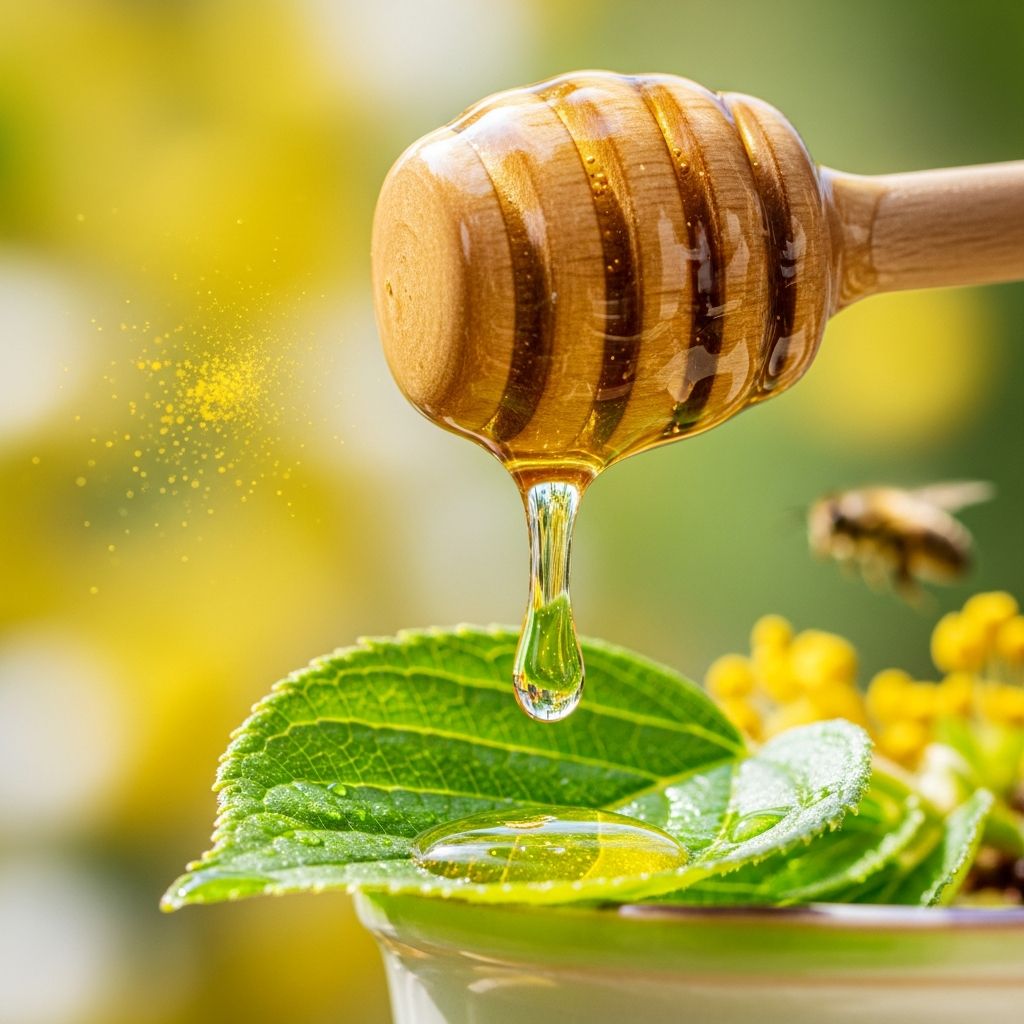
Honey has long been touted as a natural remedy for allergies, particularly seasonal ones like hay fever, due to its supposed pollen content that could desensitize the immune system. However, scientific evidence is mixed, with some preclinical and limited clinical studies showing anti-inflammatory and anti-allergic potential, while others find no significant benefits.
What Are Allergies?
Allergies occur when the immune system overreacts to harmless substances like pollen, dust, or pet dander, triggering symptoms such as sneezing, itchy eyes, runny nose, and congestion. Seasonal allergies, or allergic rhinitis (hay fever), affect millions annually, peaking during spring, summer, and fall when pollen counts are high. Other types include food allergies, skin conditions like atopic dermatitis (AD), and respiratory issues like asthma. The underlying mechanism involves the release of histamine from mast cells, leading to inflammation.
Common allergens include tree pollen (spring), grass pollen (summer), and weed pollen (fall). Unlike flower pollen found in honey, hay fever is predominantly triggered by wind-pollinated grasses and weeds, which bees rarely collect. This mismatch questions honey’s efficacy for pollen allergies.
The Honey and Allergies Theory
The popular belief is that consuming local, raw honey exposes the body to trace amounts of local pollen, mimicking sublingual immunotherapy (SLIT)—a proven treatment where controlled allergen doses build immune tolerance over time. Proponents argue daily spoonfuls of honey could reduce sensitivity to regional pollens, easing hay fever symptoms.
This theory gained traction anecdotally, with many reporting relief after regular consumption. However, experts note that honey contains minimal pollen—mostly from flowers, not the grasses and weeds causing most hay fever. The pollen quantity is insufficient and uncontrolled for desensitization, unlike medical SLIT, which uses precise doses.
What Does the Research Say?
Research on honey for allergies yields conflicting results. Preclinical studies show promise, but human trials are limited and inconsistent.
Preclinical Evidence
In vitro and animal models demonstrate honey’s ability to inhibit mast cell degranulation, reduce histamine release, lower antigen-specific IgE levels, and attenuate airway inflammation. For instance, manuka honey (0.5-2%) suppressed histamine in human mast cells, while Gelam honey reduced mast cell infiltration and mucin in asthmatic mice, comparable to dexamethasone.
Rock bee, Apiary, and Dabur honeys lowered IgE in allergen-challenged mice. These effects stem from honey’s bioactive compounds like flavonoids and phenolics, which modulate inflammatory cells.
Clinical Studies
- Atopic Dermatitis (AD): Topical honey significantly improved erythema, excoriation, and edema in patients, with no major side effects.
- Allergic Rhinitis (AR): Tualang honey, taken after antihistamines, sustained symptom relief better than placebo in a small trial of 40 participants.
- Asthma: Some honeys reduced bronchial inflammation and IgE in models, but human data is sparse.
- Allergic Fungal Rhinosinusitis (AFRS): Mixed results; effective only in high-IgE patients, possibly via IgE suppression.
Contradictory findings exist: one study found no anti-allergic effects, and larger reviews note insufficient pollen for tolerance. Overall, evidence supports honey’s anti-inflammatory role but not as a reliable allergy cure.
Related Stories



Local Honey vs. Other Types for Allergies
| Type of Honey | Potential Benefits | Evidence Level | Notes |
|---|---|---|---|
| Local Raw Honey | May contain trace local flower pollen; anti-inflammatory | Low (anecdotal/myth-heavy) | Not enough allergenic pollen (grass/weed); processing removes most. |
| Manuka Honey | Inhibits mast cell degranulation, histamine release | Moderate (preclinical) | High in methylglyoxal; studied for skin allergies. |
| Tualang Honey | Improved AR symptoms post-antihistamine | Low-moderate (small trial) | Malaysian wild honey; sustained relief observed. |
| Gelam Honey | Reduces airway inflammation in asthma models | Moderate (animal) | Attenuates mucin at high doses. |
| Processed Honey | General soothing, antioxidant effects | Low | Pollen largely removed; safer but less ‘natural’. |
Local honey’s appeal lies in regional specificity, but flower pollen differs from hay fever triggers. Non-local varieties like manuka show broader preclinical promise due to unique compounds.
Possible Risks and Side Effects
- Infants under 1 year: Risk of botulism from Clostridium botulinum spores; never give honey.
- Allergic Reactions: Rare anaphylaxis or itching/swelling in severe pollen-allergic individuals.
- High Sugar: Moderation needed for diabetes or weight management; 1 tbsp = 64 calories, 17g sugar.
- Contaminants: Raw honey may harbor bacteria or bee parts; processing mitigates but reduces pollen.
Consult a doctor before use, especially with medications or conditions.
Benefits of Honey Beyond Allergies
Honey offers antibacterial, antioxidant, and soothing properties. It coats the throat, reducing coughs (better than some OTC meds in studies), aids wound healing, and supports gut health via prebiotics. Its flavonoids combat oxidative stress, potentially benefiting overall immunity.
How to Use Honey for Allergies (If You Try It)
- Choose raw, local honey from reputable sources.
- Start with 1 tsp daily, increasing to 1-2 tbsp, ideally on an empty stomach or in tea.
- Combine with other remedies: neti pot, antihistamines, or probiotics.
- Track symptoms for 4-8 weeks; discontinue if no improvement.
- Avoid heating above 104°F to preserve enzymes.
Not a substitute for proven treatments like SLIT, nasal corticosteroids, or allergy shots.
When to See a Doctor for Allergies
Seek medical help if symptoms persist, worsen, or include wheezing, facial swelling, or hives. Chronic allergies may require testing for immunotherapy. Honey is adjunctive at best.
Expert Quotes
“Although limited, clinical evidence suggests honey has great potential in managing AD and AR, improving symptoms without major adverse effects.”
— Review from NIH on honey’s anti-allergic properties
“The amount of allergenic pollen in honey is unknown and almost certainly too low to produce a therapeutic immune response.”
— American Academy of Allergy, Asthma & Immunology (AAAAI)
Frequently Asked Questions (FAQs)
Does local honey help with seasonal allergies?
Evidence is weak; it may offer mild relief via anti-inflammatory effects, but pollen content is insufficient for desensitization.
Is honey safe for babies?
No—avoid under 12 months due to botulism risk.
How much honey for allergies?
1-2 tablespoons daily; monitor blood sugar and consult a doctor.
Can honey cure asthma or eczema?
Preclinical data shows promise for inflammation reduction, but not a cure; topical use helped eczema in studies.
Raw or processed honey for allergies?
Raw preferred for pollen/enzymes, but both lack strong evidence.
References
- The Potential use of Honey as a Remedy for Allergic Diseases — National Institutes of Health (NIH), PMC. 2021-02-18. https://pmc.ncbi.nlm.nih.gov/articles/PMC7870997/
- Does local honey help allergies? Myths and facts — Medical News Today. 2023-08-15. https://www.medicalnewstoday.com/articles/does-local-honey-help-allergies
- Does Honey Work as a Remedy for Allergies? — Healthline. 2024-05-10. https://www.healthline.com/health/allergies/honey-remedy
- Honey therapy: Is the new trend for allergy relief safe? — Baylor Scott & White Health. 2023-11-02. https://www.bswhealth.com/blog/honey-therapy-is-the-new-trend-for-allergy-relief-is-it-safe
- Local Honey Myths and Allergy Treatment — American Academy of Allergy, Asthma & Immunology (AAAAI). 2024-01-22. https://www.aaaai.org/tools-for-the-public/conditions-library/allergies/honey
Similar Articles








Read full bio of medha deb