Does Hypnotherapy Work For Anxiety? 3 Evidence-Backed Ways
Explore the evidence on hypnotherapy's effectiveness in treating anxiety, its mechanisms, benefits, and practical applications for better mental health.
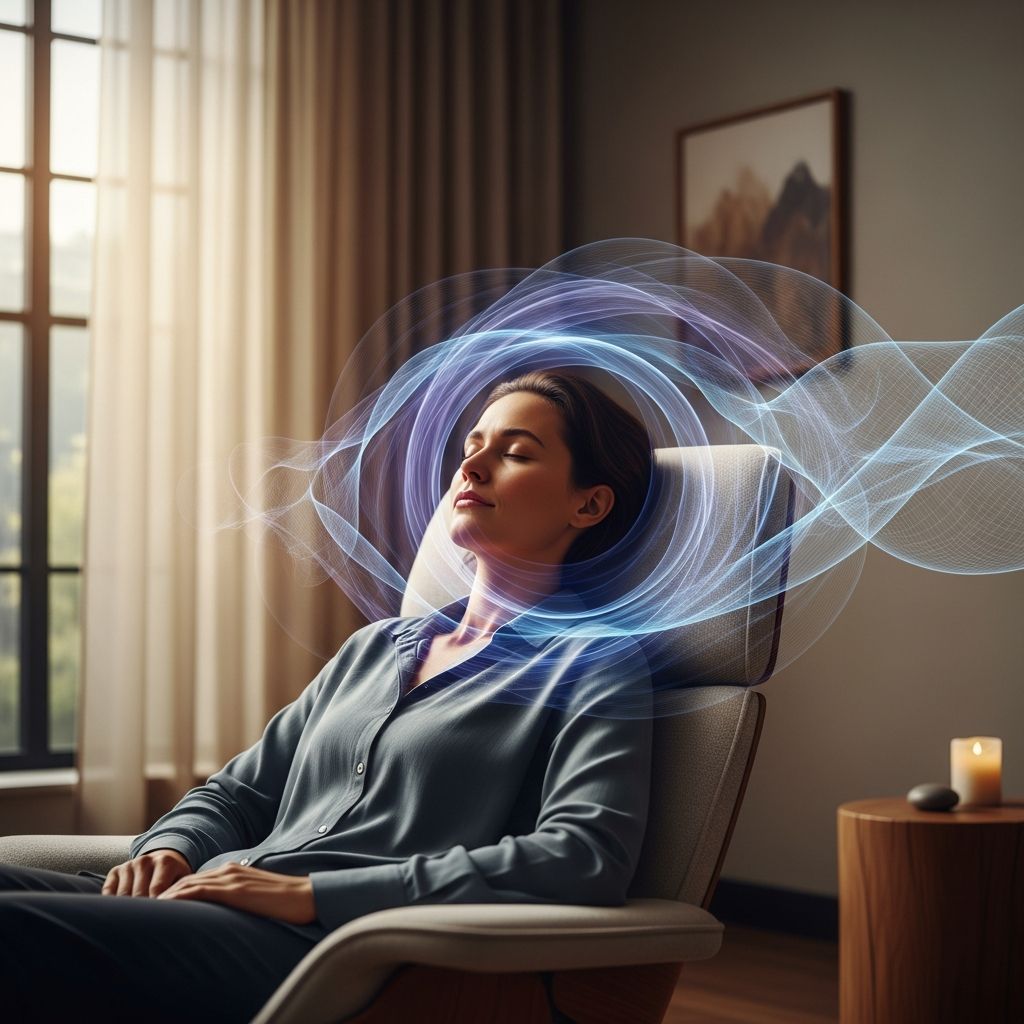
Hypnotherapy, a therapeutic practice using guided hypnosis to access the subconscious mind, shows promising efficacy in reducing anxiety symptoms, particularly when combined with other interventions like cognitive behavioral therapy (CBT).
What is hypnotherapy?
Hypnotherapy involves inducing a heightened state of concentration and focused attention, often described as a trance-like state, where a trained hypnotherapist guides the individual to explore thoughts, feelings, and behaviors. Unlike popular misconceptions from stage shows, clinical hypnosis is a legitimate therapeutic tool used by certified professionals to address mental health issues such as anxiety.
In this state, the mind becomes more receptive to positive suggestions that can reframe negative thought patterns contributing to anxiety. Techniques include deep breathing, progressive muscle relaxation, and visualization, which help shift autonomic nervous system activity from sympathetic (fight-or-flight) dominance to parasympathetic (rest-and-digest) balance.
How does hypnotherapy help with anxiety?
Hypnotherapy targets anxiety by promoting deep relaxation, interrupting cycles of worry, and enhancing coping mechanisms. It influences brain areas responsible for emotional regulation, reducing self-consciousness and improving control over fear responses.
Key mechanisms include:
- Relaxation induction: Slows heart rate, lowers blood pressure, and eases respiratory strain, directly countering physical anxiety symptoms.
- Suggestion therapy: Implants positive affirmations to break rumination cycles, such as anchoring techniques for instant calm.
- Autonomic regulation: Increases parasympathetic tone, potentially preventing anxiety-linked conditions like hypertension.
A 15-minute hypnosis session has demonstrated immediate anxiety reduction in patients with COPD, correlating with improved breathing mechanics.
What does the research say?
Scientific evidence strongly supports hypnotherapy’s role in anxiety treatment. A meta-analysis of 17 trials found hypnosis produced a mean effect size of 0.79 at treatment end (p ≤ .001), meaning treated participants outperformed 79% of controls. At follow-up, the effect size rose to 0.99, with 84% improvement over controls.
Hypnosis excels when integrated with CBT or exposure therapy, amplifying outcomes for generalized anxiety, phobias, performance anxiety, and medical-related fears. Studies on cancer patients (20 trials) and advanced COPD cases confirm sustained anxiety relief.
| Study Type | Key Finding | Effect Size | Source |
|---|---|---|---|
| Meta-analysis (17 trials) | Anxiety reduction post-treatment | 0.79 (immediate), 0.99 (follow-up) | |
| COPD patients (15-min session) | 23.8% anxiety drop vs. 3.1% control | Significant (STAI-6) | |
| Cancer patients (20 studies) | Immediate and sustained effects | Positive | |
| Stress test (60 participants) | Improved coping with hypnotic anchor | N/A |
Brain imaging from a 2016 study of 57 participants revealed hypnosis alters neural pathways for better emotional control. The American Psychological Association recognizes clinical hypnosis benefits for anxiety, depression, and pain.
Who can benefit from hypnotherapy for anxiety?
Most individuals responsive to suggestion—about 10-15% highly hypnotizable, 70% moderately—benefit significantly. It’s suitable for:
- Generalized anxiety disorder (GAD)
- Social anxiety and phobias
- Performance or test anxiety
- Anxiety tied to medical procedures or chronic illness (e.g., cancer, COPD)
- PTSD-related anxiety
Even those with low hypnotizability see gains when combined with other therapies. It’s non-invasive, drug-free, and ideal for medication-averse patients.
Hypnotherapy vs other anxiety treatments
Hypnotherapy complements standard treatments without replacing them. Here’s a comparison:
Related Stories



| Treatment | Mechanism | Evidence Level | Best For |
|---|---|---|---|
| Hypnotherapy | Subconscious reprogramming, relaxation | High (meta-analyses) | Phobias, procedural anxiety |
| CBT | Cognitive restructuring | Gold standard | GAD, long-term skills |
| Medication (SSRIs) | Neurochemical balance | High, but side effects | Severe cases |
| Mindfulness/Meditation | Present-moment focus | Moderate | Mild anxiety |
| Exposure Therapy | Fear confrontation | High | Specific phobias |
Hypnotherapy + CBT yields superior results to either alone. Unlike meds, it equips patients with lifelong tools.
What happens in a hypnotherapy session for anxiety?
A typical 45-60 minute session follows this structure:
- Intake: Discuss history, triggers, goals (10 mins).
- Induction: Guided relaxation via breathing, imagery (10-15 mins).
- Deepening: Countdowns or visualizations to trance state.
- Suggestions: Tailored affirmations, e.g., “Anxiety fades like mist in sunlight.”
- Post-hypnotic cues: Anchors like hand squeeze for calm.
- Emergence: Gentle return to awareness, debrief.
Sessions occur weekly for 6-12 weeks, with home practice via recordings.
Is hypnotherapy safe for anxiety?
Hypnotherapy is safe when conducted by qualified professionals, with rare side effects like temporary drowsiness or emotional release. Contraindications include psychosis or certain dissociative disorders. No evidence of false memories when ethically practiced. Always choose certified hypnotherapists (e.g., via APA or NGH).
How to find a hypnotherapist
Seek licensed mental health professionals with hypnosis certification:
- Verify credentials: Clinical hypnotherapist (CHt), board-certified.
- Check specialization in anxiety.
- Read reviews, ensure evidence-based approach.
- Initial consultation free or low-cost.
Costs range $100-250/session; insurance may cover if by psychologist.
Frequently Asked Questions (FAQs)
Can hypnotherapy cure anxiety?
No cure, but it significantly reduces symptoms, often leading to remission when combined with therapy.
How many sessions are needed for anxiety relief?
Typically 6-12, with noticeable improvements in 3-4.
Will I be asleep or out of control during hypnosis?
No, you’re relaxed but aware and in control.
Does hypnotherapy work for everyone?
Most benefit, especially highly hypnotizables; adjunct use maximizes efficacy.
Can I do self-hypnosis for anxiety?
Yes, apps and recordings help maintain gains post-therapy.
Conclusion
Hypnotherapy offers a powerful, evidence-backed option for anxiety management, excelling in relaxation, symptom relief, and synergy with CBT. Consult a professional to explore if it’s right for you.
References
- The Efficacy of Hypnosis as a Treatment for Anxiety — Valentine KE, et al. PubMed. 2019-06-27. https://pubmed.ncbi.nlm.nih.gov/31251710/
- Does Hypnosis Work for Anxiety? Efficacy & Options — AMFM Treatment. Accessed 2026. https://amfmtreatment.com/what-we-treat/anxiety/hypnosis-for-anxiety/
- “Close your eyes and relax”: the role of hypnosis in reducing anxiety — Frontiers in Psychology. 2024. https://www.frontiersin.org/journals/psychology/articles/10.3389/fpsyg.2024.1411835/full
- Hypnosis for anxiety, depression, and fear: Does it work? — Medical News Today. Accessed 2026. https://www.medicalnewstoday.com/articles/hypnosis-for-anxiety
- Hypnotherapy: A Case of Anxiety Person Who Doesn’t Want to Use Drugs — PMC. 2019. https://pmc.ncbi.nlm.nih.gov/articles/PMC6876801/
- Hypnosis: What It Is, How It Works, Benefits & Risks — Cleveland Clinic. Accessed 2026. https://my.clevelandclinic.org/health/treatments/22676-hypnosis
- Uncovering the new science of clinical hypnosis — American Psychological Association. 2024-04. https://www.apa.org/monitor/2024/04/science-of-hypnosis
Similar Articles








Read full bio of Sneha Tete