Does Ice Help Acne? 5 Simple Steps For Relief
Discover if applying ice to acne reduces swelling, redness, and pain—or if better treatments exist for clear skin.
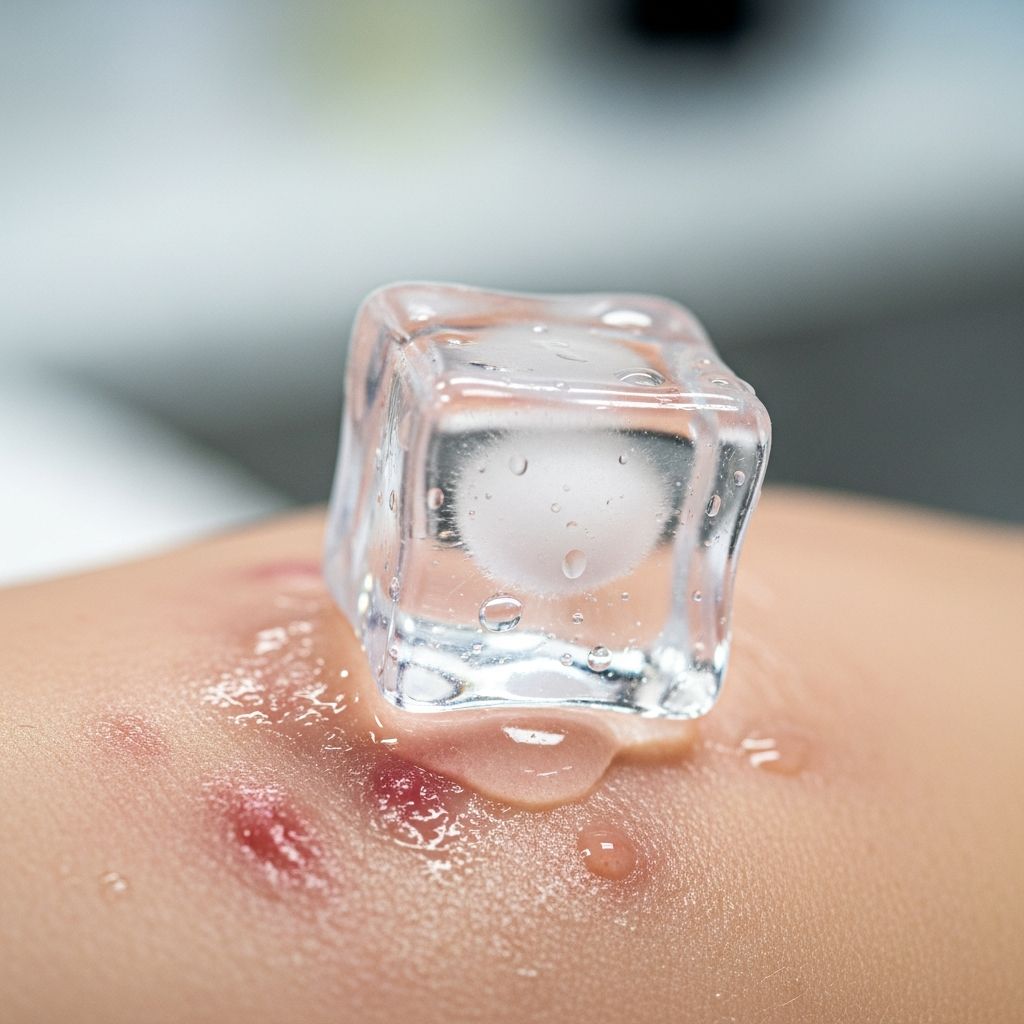
Applying ice to pimples is a popular DIY remedy for quick relief from painful breakouts. While it can temporarily reduce swelling, redness, and discomfort in
inflammatory acne
, ice does not address the underlying causes like bacteria, excess oil, or clogged pores. This article examines the science, safe usage, limitations, and proven alternatives based on dermatological guidelines and research.What Is Acne?
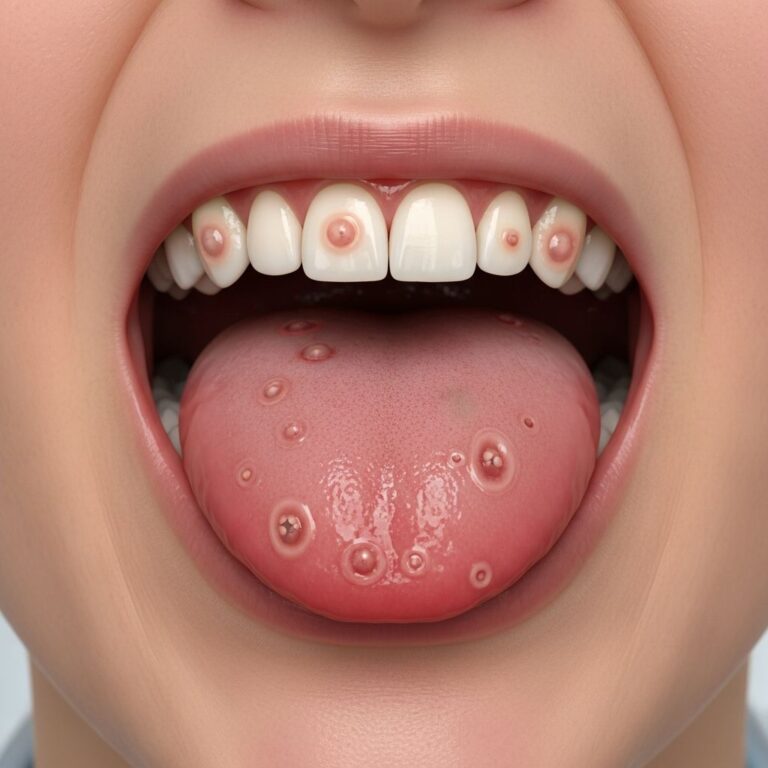
Acne vulgaris affects nearly 50 million Americans annually, primarily teenagers but also adults. It occurs when hair follicles become clogged with oil (sebum) and dead skin cells, creating an environment for Propionibacterium acnes bacteria to thrive. This leads to inflammation and lesions including:
- Noninflammatory acne: Blackheads (open comedones) and whiteheads (closed comedones).
- Inflammatory acne: Papules, pustules, nodules, and cysts, which are red, swollen, and often painful.
Severity ranges from mild (few comedones) to severe (widespread nodules/cysts causing scarring). Hormones, genetics, diet, and skincare habits influence development. Effective management targets root causes rather than symptoms alone.
Does Ice Help Acne?
Ice provides symptomatic relief for
inflammatory acne
through vasoconstriction: cold exposure narrows blood vessels, reducing blood flow to the area. This diminishes swelling, redness, and inflammation temporarily—often within minutes. The numbing effect also eases pain from cysts or nodules.However, ice has no antibacterial, exfoliating, or pore-unclogging properties. It won’t prevent new pimples or treat noninflammatory acne like blackheads, which lack swelling. A 2023 review on cryotherapy for acne noted potential benefits but called for more controlled trials, as evidence remains anecdotal for home ice use.
| Acne Type | Ice Effectiveness | Why? |
|---|---|---|
| Blackheads/Whiteheads | Low/None | No inflammation to reduce. |
| Papules/Pustules | Moderate (Temporary) | Reduces redness/swelling. |
| Nodules/Cysts | High (Temporary) | Relieves pain and size via vasoconstriction. |
How Does Ice Reduce Swelling?
The mechanism is simple physiology: Cold triggers vasoconstriction, limiting fluid leakage into tissues that causes puffiness. Studies on cryotherapy show it lowers pro-inflammatory cytokines and histamine release, calming acute flares. For pimples, this makes them appear smaller and less noticeable, though effects last 30-60 minutes.
Combined with warmth first (e.g., 5-10 minute warm compress to open pores), ice enhances results by drawing out debris before constricting. Never reverse: heat after ice risks burns from rapid vessel dilation.
Benefits and Risks of Ice for Acne
Potential Benefits
- Quick swelling reduction: Ideal for pre-event touch-ups.
- Pain relief: Numbs cystic acne discomfort.
- Decreased redness: Improves appearance short-term.
- Non-irritating: No chemicals for sensitive skin.
Risks and Side Effects
- Frostbite/cold burns: Direct ice damages tissue; always wrap.
- Irritation: Overuse dries skin, worsening barrier function.
- Delayed healing: Excessive cold impairs circulation long-term.
- Not for all: Avoid on broken skin, rosacea, or cold urticaria.
Sensitive or eczema-prone skin may react poorly; patch test first.
How to Use Ice on Pimples (Safely)
- Cleanse face with gentle cleanser; pat dry.
- Wrap ice cube in thin cloth/paper towel (never direct).
- Apply to pimple for 30-60 seconds max.
- Wait 5 minutes; repeat 2-3x/day if needed.
- Moisturize after; use sunscreen daytime.
Related Stories



For best results: Warm compress 5-10 min first, then ice. Limit to 10-15 min total daily. Stop if irritation occurs.
Who Should Avoid Ice Facials?
- Raynaud’s disease or poor circulation.
- Open wounds or active infections.
- Very dry/sensitive skin.
- Cold allergies (hives from cold).
Consult a dermatologist for persistent acne or skin conditions.
Better Alternatives and Long-Term Treatments
Ice is adjunctive, not curative. 2024 AAD guidelines prioritize:
- OTC Topicals: Benzoyl peroxide (kills bacteria), salicylic acid (exfoliates), adapalene (retinoid).
- Prescription: Tretinoin, antibiotics, spironolactone (hormonal), isotretinoin (severe).
- Procedures: Chemical peels, laser, drainage for cysts.
| Treatment | Targets | Evidence Level |
|---|---|---|
| Ice | Symptoms (swelling) | Anecdotal/Low |
| Benzoyl Peroxide | Bacteria/Inflammation | High (AAD Recommended) |
| Retinoids | Pore Clogging/Cell Turnover | High |
| Salicylic Acid | Exfoliation/Oil Control | High |
Consistent routine + lifestyle (diet, stress management) yields lasting results.
Prevention Tips for Acne
- Wash 2x/day; non-comedogenic products.
- Hands off face; change pillowcases weekly.
- Balanced diet low in dairy/sugar.
- Manage hormones/stress.
Frequently Asked Questions (FAQs)
Q: Does ice get rid of pimples overnight?
A: No, it reduces size temporarily but doesn’t eliminate them. Combine with topicals for faster clearing.
Q: How long to ice a pimple?
A: 30-60 seconds per session, 2-3x/day max. Longer risks damage.
Q: Can ice help cystic acne?
A: Yes, best for cysts—reduces pain/swelling effectively short-term.
Q: Is ice better than heat for pimples?
A: Use heat first to cleanse pores, then ice. Alternating aids drainage.
Q: When to see a doctor for acne?
A: If OTC fails after 8-12 weeks, scarring occurs, or severe pain.
References
- Cryotherapy in Dermatology — Cleveland Clinic. 2023-05-15. https://my.clevelandclinic.org/health/treatments/23191-cryotherapy
- Acne Clinical Guideline — American Academy of Dermatology (AAD). 2024-03-01. https://www.aad.org/member/clinical-quality/guidelines/acne
- Ice on Pimples: Does It Work? — Healthline (Medically Reviewed). 2018-05-02 (Updated). https://www.healthline.com/health/ice-on-pimple
- Does Ice Help Acne? What Science Says — Nolla Health. 2023-11-20. https://www.nollahealth.com/learning/does-ice-help-acne
- Cold Therapy for Inflammation — Harvard Health Publishing. 2024-01-10. https://www.health.harvard.edu/staying-healthy/taking-the-cold-plunge
Similar Articles








Read full bio of Sneha Tete