IV Vitamin Therapy: What Research Says And Who Benefits
IV vitamin therapy promises quick nutrient boosts and wellness gains, but does science back the hype? Experts weigh in on benefits, risks, and evidence.
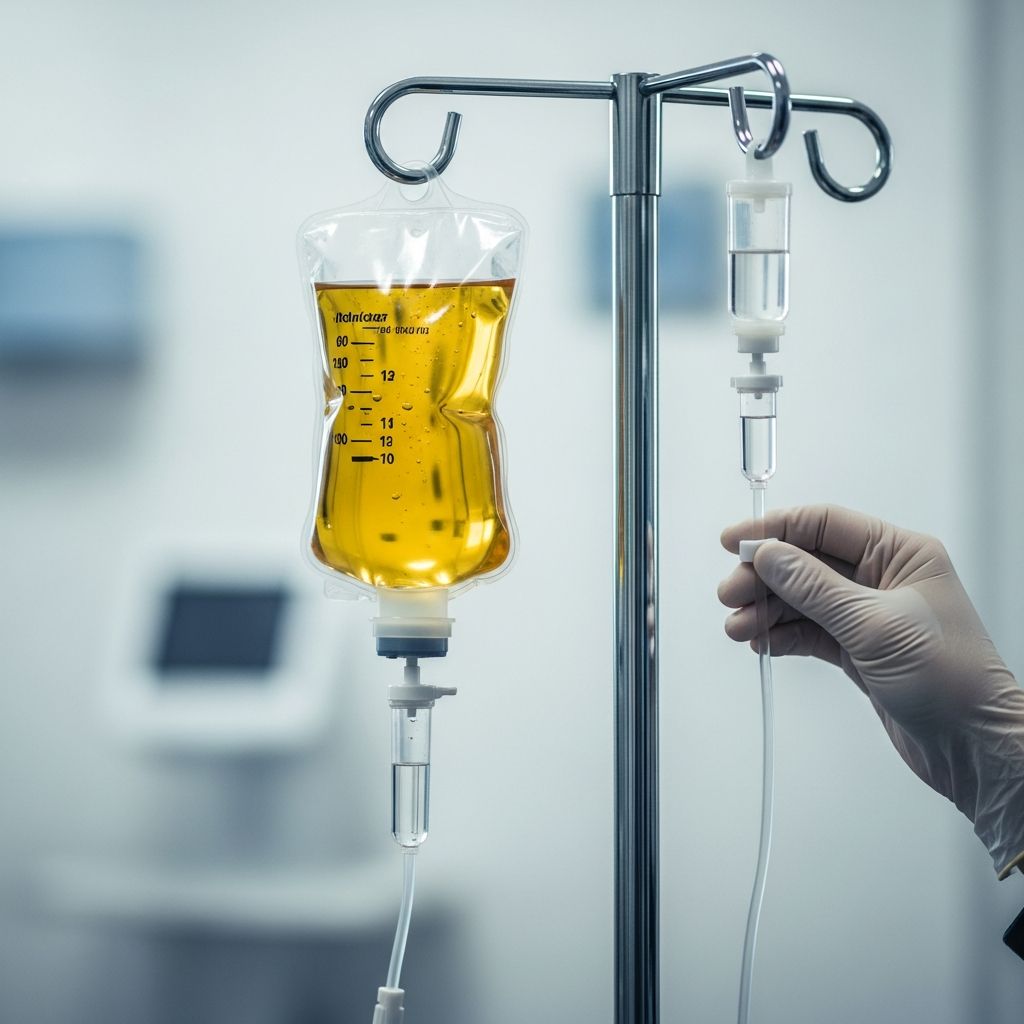
IV vitamin therapy delivers vitamins, minerals, and fluids directly into the bloodstream, bypassing digestion for potentially faster absorption. While effective for certain medical needs like severe dehydration or nutrient deficiencies, evidence for wellness benefits in healthy people remains largely anecdotal and unproven by rigorous studies.
What Is IV Vitamin Therapy?
IV vitamin therapy, also known as IV drips or nutrient infusions, involves administering a cocktail of vitamins, minerals, antioxidants, and sometimes electrolytes via an intravenous line. Popularized by clinics and celebrities, treatments like the Myers’ Cocktail—a mix of magnesium, B vitamins, and vitamin C—claim to hydrate, energize, and detoxify the body quickly.
The process typically takes 30-60 minutes in a clinic setting, where a nurse inserts a small catheter into a vein, often in the arm. Patients relax in a lounge while the drip flows. Common ingredients include high-dose vitamin C, B-complex vitamins, glutathione, zinc, and amino acids, customized for goals like hangover relief or immune support.
Proponents argue this method achieves 100% bioavailability, unlike oral supplements where absorption can be as low as 20-50% due to stomach acid and gut barriers. For instance, IV vitamin C can reach plasma levels up to 100 times higher than oral doses, potentially aiding immune function and reducing inflammation.
How Does IV Vitamin Therapy Work?
By delivering nutrients straight to the blood, IV therapy circumvents the digestive system, ensuring immediate availability to cells. This is particularly useful for malabsorption conditions like celiac disease, IBD, or post-bariatric surgery, where oral intake fails to correct deficiencies.
High doses enable therapeutic effects unattainable orally, such as enhanced energy from B vitamins and magnesium, antioxidant protection from glutathione, and immune boosting from vitamin C and zinc. Users often report quick relief from fatigue, brain fog, or dehydration symptoms within hours.
- Bioavailability advantage: Direct bloodstream delivery avoids GI breakdown.
- Rapid effects: Nutrients reach peak levels in minutes, not hours.
- Customizable: Drips tailored for hydration, recovery, or anti-aging.
Potential Benefits of IV Vitamin Therapy
Clinical evidence supports IV therapy for specific cases. It’s highly effective for treating deficiencies in at-risk groups, improving outcomes in chronic fatigue, wound healing, and immune support. Athletes benefit from faster muscle recovery via amino acids and electrolytes.
Anecdotal reports highlight wellness perks:
- Hangover recovery and hydration
- Energy boost and reduced fatigue
- Improved focus and mental clarity
- Enhanced immunity and allergy relief
- Skin health and anti-aging via collagen support
- Workout and illness recovery
- Migraine and pain relief
High-dose IV vitamin C shows promise in enhancing leukocyte function and antioxidant defenses, with studies noting reduced inflammation at 25-50g doses. However, these benefits are strongest in deficient or ill patients.
Related Stories



What Does the Research Say?
Scientific backing is mixed. For medical uses like severe dehydration or malabsorption, IV therapy is proven and standard. A review notes its role in rapid nutrient delivery for post-surgery recovery or chronic illnesses.
Yet, for healthy individuals seeking wellness, evidence is weak. No large randomized trials confirm benefits like energy boosts or immunity enhancement in non-deficient people. Claims rely on anecdotes, not robust data. Merck Manuals states: “Use of IV vitamin therapy in healthy people should be discouraged because none of the claimed health effects have been confirmed”. Harvard’s Dr. Shmerling echoes: “Buyer beware—they are expensive and not clearly helpful”.
Limited studies on Myers’ Cocktail show no superiority over oral vitamins for fibromyalgia or fatigue in healthy users. Ongoing research is needed for long-term safety and efficacy.
Risks and Side Effects of IV Vitamin Therapy
While generally safe when administered by professionals, risks exist:
| Risk | Description | Frequency |
|---|---|---|
| Infection | Bacteria at insertion site | Rare (<1% with sterile technique) |
| Vein irritation | Phlebitis or bruising | Common (5-10%) |
| Allergic reactions | To vitamins or additives | Uncommon |
| Electrolyte imbalance | From high mineral doses | Rare, but serious in kidney issues |
| Air embolism or clots | Improper administration | Very rare |
Overuse may cause kidney strain from excess vitamins, especially in those with impaired function. Cost is another drawback: $100-500 per session, often not insured. Experts advise against routine use without deficiency.
Who Might Benefit From IV Vitamin Therapy?
- Medically indicated: Nutrient deficiencies, malabsorption (e.g., Crohn’s, celiac), severe dehydration, post-surgery.
- Acute needs: Hangovers, extreme fatigue, illness recovery.
- Athletes: Intense training recovery.
- Chronic conditions: Fibromyalgia, migraines (limited evidence).
Healthy individuals without symptoms likely gain little beyond placebo. Consult a doctor for blood tests confirming need.
IV Vitamin Therapy Cost
Sessions range $100-$500, averaging $150-300 for basic drips. Packages offer discounts (e.g., 5 for price of 4). No insurance coverage for wellness use; medical necessity may qualify. Frequency: Weekly for acute issues, monthly for maintenance. Compare to oral vitamins (<$1/day).
What Experts Say About IV Vitamin Therapy
“IV hydration is great for those who really need it… For on-demand IVs, buyer beware.” — Dr. Robert H. Shmerling, Harvard Health.
“Very few studies test high-dose IV therapy in non-deficient people. Evidence is anecdotal.” — Merck Manuals.
Nutritionists recommend diet-first: fruits, veggies, balanced meals. Supplements suffice for most.
Frequently Asked Questions (FAQs)
Is IV vitamin therapy safe?
Yes, when done by qualified professionals in sterile settings, but risks like infection exist. Avoid unregulated spas.
How often can you get IV vitamin therapy?
Depends on need: 1-2x/week for acute issues, not daily long-term without medical supervision.
Does IV vitamin therapy help with hangovers?
Anecdotally yes, via hydration and electrolytes; no strong trials, but effective for dehydration.
Can IV therapy boost immunity?
Helpful in deficiency; high-dose C may aid short-term, but unproven for prevention in healthy people.
Is Myers’ Cocktail effective?
Some benefit for specific conditions; lacks confirmation for general wellness.
IV vitamin therapy shines in medical contexts but falls short as a wellness shortcut. Prioritize evidence-based nutrition and consult professionals before drips.
References
- To IV or Not to IV: The Science Behind Intravenous Vitamin Therapy — PMC/NCBI. 2024. https://pmc.ncbi.nlm.nih.gov/articles/PMC12182718/
- IV Vitamin Therapy: Does It Actually Work? — Relive Health. 2023-10-01. https://relivehealth.com/iv-vitamin-therapy-does-it-actually-work/
- Intravenous Vitamin Therapy (Myers’ Cocktail) — Merck Manuals. 2025. https://www.merckmanuals.com/home/special-subjects/dietary-supplements-and-vitamins/intravenous-vitamin-therapy-myers-cocktail
- Does IV Vitamin Therapy Actually Work? — AARP. 2024-05-15. https://www.aarp.org/health/drugs-supplements/iv-vitamin-therapy/
- Intravenous Vitamin Therapy (Myers’ Cocktail) — CU Anschutz. 2023. https://news.cuanschutz.edu/news-stories/do-direct-access-iv-infusions-offer-health-and-wellness-benefits
Similar Articles








Read full bio of medha deb