Does Milk Help Heartburn? Evidence-Based Guide & Expert Tips
Uncover whether milk truly soothes heartburn or worsens GERD symptoms, backed by research and expert insights.
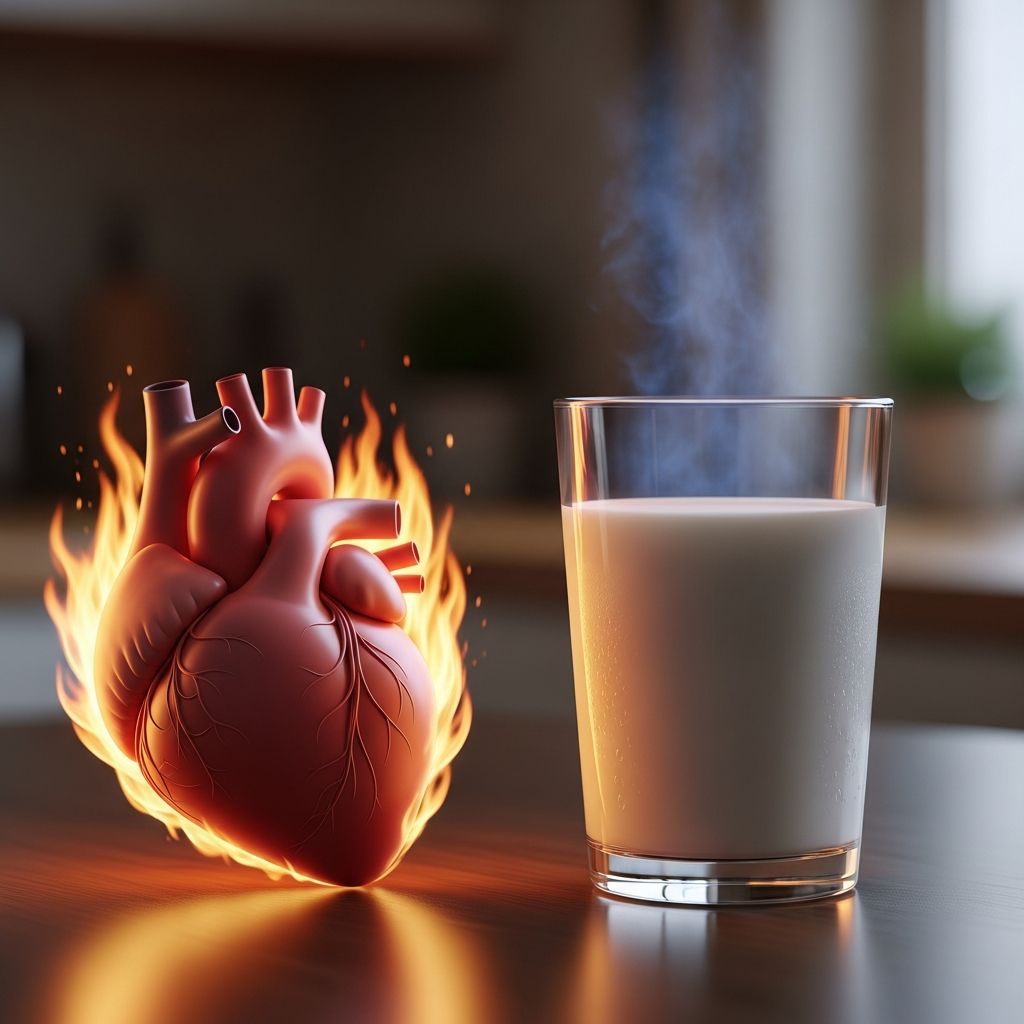
Heartburn, that burning sensation in your chest after eating, affects millions worldwide. Many reach for a glass of milk instinctively, believing it neutralizes stomach acid. But does milk actually help heartburn, or could it make symptoms worse? This comprehensive guide dives into the science behind milk and heartburn, exploring GERD causes, evidence from studies, better alternatives, and proven strategies for relief.
What Is Heartburn?
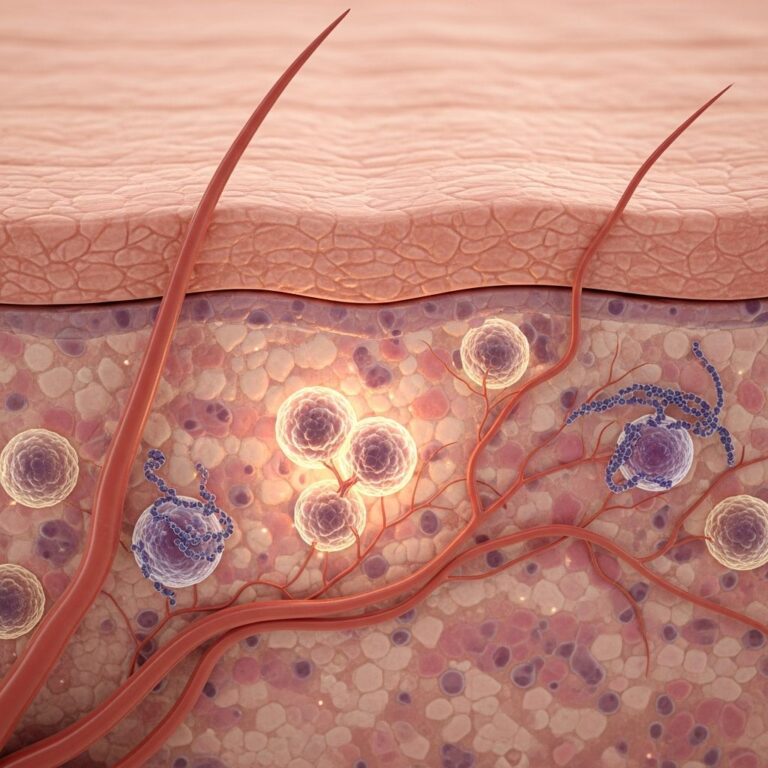
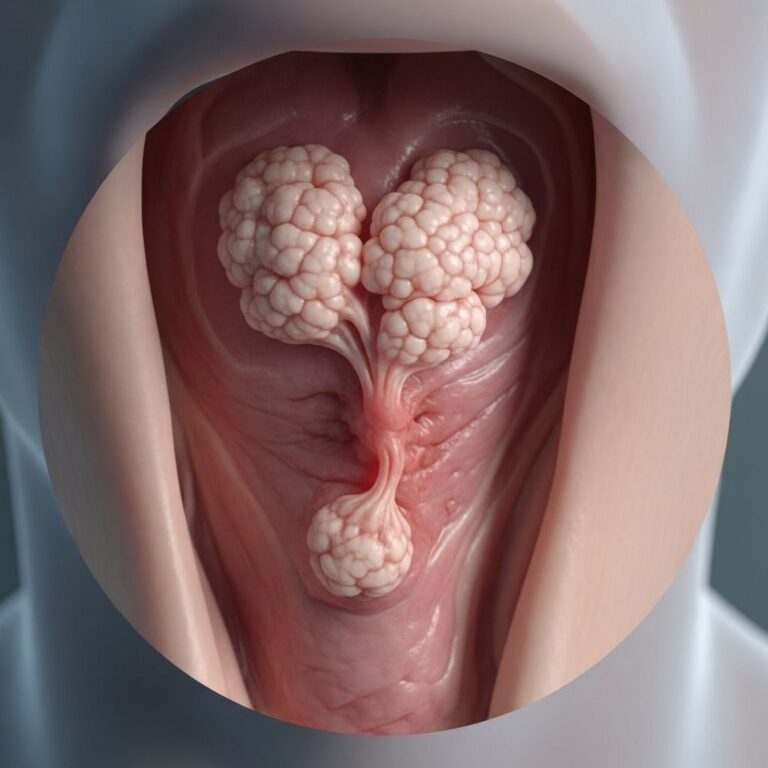
Heartburn occurs when stomach acid flows back into the esophagus, irritating its lining. Medically known as acid reflux, it’s a primary symptom of gastroesophageal reflux disease (GERD). The lower esophageal sphincter (LES), a muscle ring between the esophagus and stomach, normally prevents this backflow. When it weakens or relaxes inappropriately, acid escapes upward.
Common triggers include large meals, spicy or fatty foods, caffeine, alcohol, and lying down soon after eating. Occasional heartburn is normal, but frequent episodes—more than twice weekly—signal GERD, which can lead to complications like esophagitis or Barrett’s esophagus if untreated.
- Prevalence: Up to 20% of adults experience weekly heartburn.
- Risk factors: Obesity, pregnancy, hiatal hernia, smoking, and certain medications.
Why Do People Think Milk Helps Heartburn?
The belief stems from milk’s creamy texture, which temporarily coats the esophagus, providing quick soothing. Its calcium and protein content may also bind some acid. Historically, low-fat milk was recommended as a home remedy. However, this relief is short-lived, and milk can stimulate more acid production, worsening symptoms later.
Does Milk Help or Hurt Heartburn? What the Research Says
Scientific evidence is mixed but leans against milk as a reliable remedy. Milk contains fat, which delays stomach emptying and relaxes the LES, promoting reflux. Calcium in milk can trigger acid secretion, counteracting any initial neutralization.
A randomized controlled trial published in the European Journal of Nutrition examined low-fat versus full-fat dairy’s impact on GERD symptoms in 72 participants with metabolic syndrome. After a 4-week low-dairy wash-in, groups consumed either limited dairy or 3.3 daily servings of low-fat or full-fat milk, yogurt, and cheese for 12 weeks. Results showed no significant difference in heartburn frequency, severity, or acid regurgitation across groups, suggesting dairy up to three servings daily does not worsen or improve GERD symptoms in this population.
GoodRx reviews note milk appears on both ‘good’ and ‘bad’ lists due to its calcium and protein (which may lower reflux) versus fat content (a trigger). Limited studies indicate milk—low or high-fat—does not trigger reflux symptoms, positioning it as ‘safe’ but not curative.
| Milk Type | Potential Benefits | Potential Drawbacks | Research Verdict |
|---|---|---|---|
| Low-fat/Skim | Less fat, high calcium/protein | Still triggers acid production | No effect on symptoms |
| Full-fat/Whole | Coating sensation | High fat relaxes LES | No differential impact |
| Plant-based (Almond/Oat) | Low fat, alkaline options | Added sugars in some | Often better tolerated |
Best Types of Milk for Heartburn
If trying milk, opt for low-fat or skim varieties to minimize fat. Non-dairy alternatives like almond, oat, or rice milk (unsweetened, low-acid) are often gentler. Avoid chocolate milk, which adds caffeine and fat.
Related Stories



- Skim milk: Lowest fat, least likely to trigger.
- Almond milk: Neutral pH, low calorie.
- Avoid: Whole milk, cream, ice cream.
Foods and Drinks That Help Heartburn
Not all foods are equal. Heartburn-friendly options are high-fiber, high-water, low-acid, and low-fat. These promote fullness without overeating, dilute stomach acid, and avoid LES relaxation.
High-Fiber Carbs
- Potatoes (baked, not fried)
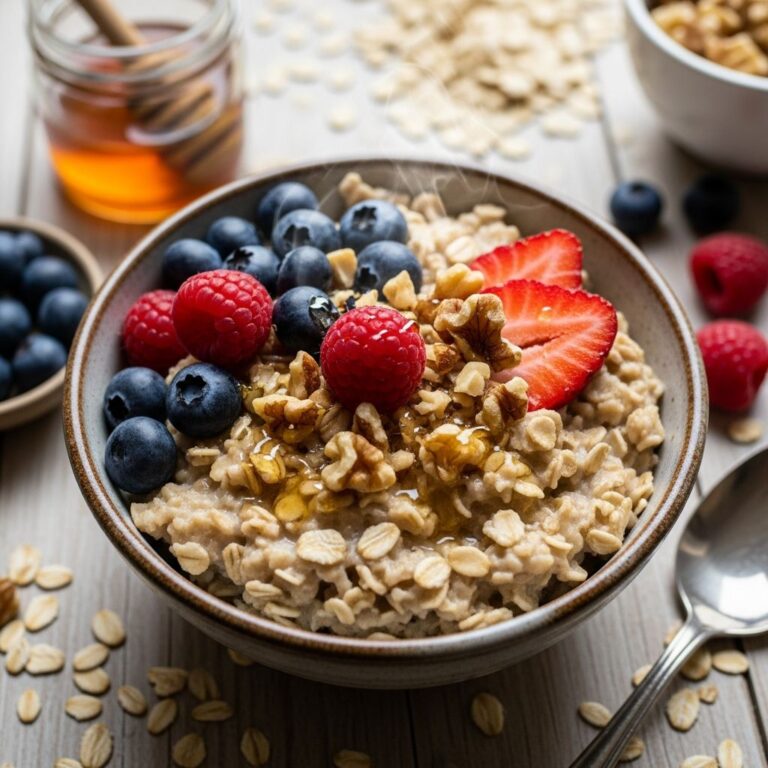
- Oatmeal
- Whole grains like brown rice
- Beans and lentils
Low-Acid Proteins
- Chicken or turkey breast
- Freshwater fish, salmon, shrimp
- Nuts (in moderation), tofu
Heartburn-Soothing Produce
- Bananas: Low-acid, high-fiber; unlikely to cause reflux
- Melons, apples, pears
- Green vegetables: Broccoli, asparagus, cauliflower
- Ginger: Natural anti-inflammatory
Best drink: Water dilutes acid and aids reflux clearance. Herbal teas (chamomile, licorice root) may soothe.
Foods and Drinks to Avoid with Heartburn
Triggers relax the LES, increase acid, or irritate the esophagus.
- Fatty foods: Fried items, fatty meats, peanut butter (high-fat may worsen for some)
- Acidic: Citrus, tomatoes, vinegar
- Spicy: Peppers, onions, garlic
- Drinks: Coffee, soda, alcohol, mint tea
- Other: Chocolate, peppermint
Lifestyle Changes to Prevent Heartburn
Beyond diet, habits matter:
- Eat smaller, frequent meals.
- Avoid eating 3 hours before bed; elevate head 6-8 inches.
- Maintain healthy weight; quit smoking.
- Wear loose clothing.
When to See a Doctor for Heartburn
Seek care if heartburn is frequent, severe, or with symptoms like difficulty swallowing, unexplained weight loss, vomiting blood, or black stools. These may indicate ulcers, strictures, or cancer.
Over-the-Counter and Prescription Treatments
Antacids: Tums, Maalox for quick relief.
H2 blockers: Pepcid reduce acid production.
PPIs: Prilosec, Nexium for severe GERD.
Note: Some meds like NSAIDs, antibiotics worsen reflux.
Frequently Asked Questions (FAQs)
Does milk help heartburn immediately?
It may coat the esophagus temporarily but often leads to rebound acid.
Is whole milk or skim better for GERD?
Skim is preferable due to lower fat; studies show no major difference.
Can bananas cause heartburn?
No, bananas are low-acid, high-fiber, and GERD-safe.
Does peanut butter trigger heartburn?
Not typically, but high fat may for some; monitor personally.
What drinks worsen heartburn most?
Coffee, soda, alcohol, citrus juices.
Is dairy bad for GERD?
Moderate intake (3+ servings/day) doesn’t affect symptoms per trial.
References
- The Best Foods and Drinks for Heartburn — GoodRx. 2024. https://www.goodrx.com/conditions/heartburn/fighting-heartburn-good-and-bad-foods-drinks-medications
- The impact of low-fat and full-fat dairy foods on symptoms of gastroesophageal reflux disease — European Journal of Nutrition (PubMed). 2022-03-16. https://pubmed.ncbi.nlm.nih.gov/35294608/
Similar Articles








Read full bio of medha deb