Does Milk Help With Acid Reflux? What You Need To Know
Explore whether milk alleviates acid reflux symptoms, expert insights on dairy's role in GERD management, and evidence-based alternatives.
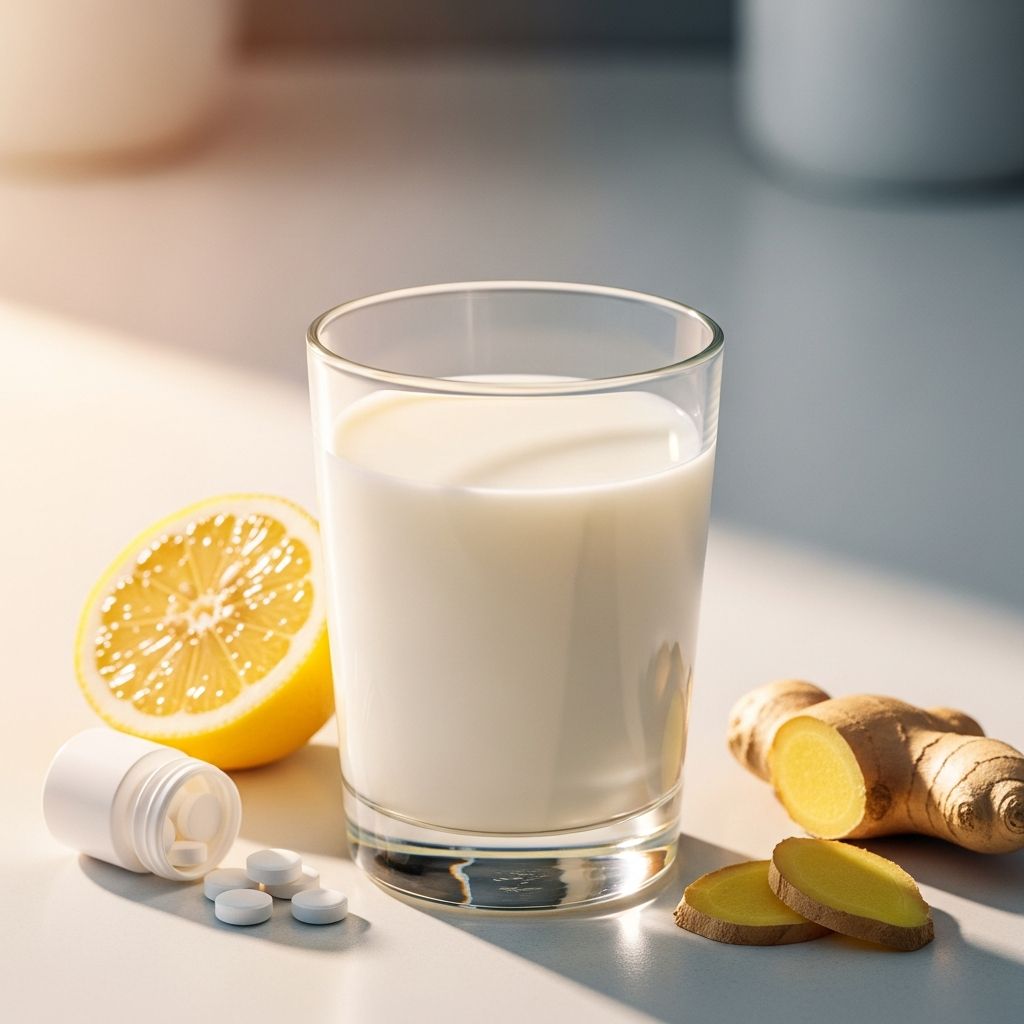
Acid reflux, clinically known as gastroesophageal reflux disease (GERD), affects millions worldwide, causing uncomfortable symptoms like heartburn and regurgitation. Many turn to milk as a quick remedy, believing its creamy texture coats the esophagus and neutralizes stomach acid. But does milk truly help with acid reflux, or could it exacerbate the problem? This article delves into the science, expert opinions, and practical advice to clarify milk’s role in managing GERD symptoms.
What Is Acid Reflux?
Acid reflux occurs when stomach acid flows back into the esophagus, irritating its lining. This condition, if chronic, is diagnosed as GERD. Common symptoms include a burning sensation in the chest (heartburn), sour taste in the mouth (acid regurgitation), difficulty swallowing, and chronic cough.
- Prevalence: Up to 20% of adults in Western countries experience GERD weekly.
- Risk factors: Obesity, pregnancy, hiatal hernia, smoking, and certain foods like spicy, fatty, or acidic items.
- Complications: Untreated GERD can lead to esophagitis, Barrett’s esophagus, or esophageal cancer.
The lower esophageal sphincter (LES), a muscle ring that acts as a valve between the stomach and esophagus, weakens or relaxes inappropriately, allowing acid to reflux. Lifestyle modifications, medications, and dietary changes form the cornerstone of management.
Why Do People Drink Milk for Acid Reflux?
Milk has long been a folk remedy for heartburn. Its cool, thick consistency provides immediate soothing relief by coating the esophagus. The calcium in milk may temporarily neutralize stomach acid, offering short-term comfort. Anecdotal reports abound: “A glass of milk calms my heartburn every time.”
However, this relief is often fleeting. Milk’s fat content can relax the LES further, promoting more reflux. Low-fat or skim milk is sometimes recommended over whole milk to minimize this effect.
Does Milk Actually Help or Hurt Acid Reflux?
Scientific evidence on milk and GERD is mixed. While some observational studies link high dairy intake—especially full-fat varieties—to worsened symptoms, randomized trials paint a different picture.
A key randomized controlled trial involving 72 participants with metabolic syndrome found no significant difference in GERD symptoms between diets limited to nonfat dairy and those including 3.3 daily servings of low-fat or full-fat milk, yogurt, and cheese. After a 12-week intervention, heartburn frequency and severity, as well as acid regurgitation odds, remained unchanged across groups.1
| Dairy Type | Servings/Day | Impact on Heartburn Score | Impact on Acid Regurgitation |
|---|---|---|---|
| Limited (nonfat milk only) | 0.4 | No change | No change |
| Low-fat dairy | 3.3 | No differential effect (p=0.443) | No differential effect (p=0.651) |
| Full-fat dairy | 3.3 | No differential effect (p=0.443) | No differential effect (p=0.651) |
Per-protocol (n=63) and intent-to-treat (n=72) analyses confirmed these findings, suggesting moderate dairy consumption does not aggravate GERD in at-risk populations.1 Experts from the American College of Gastroenterology note that while dairy isn’t a universal trigger, individual responses vary. Fat content matters: High-fat dairy delays stomach emptying, increasing reflux risk.
Types of Milk and Their Effects on Acid Reflux
- Whole milk: High in fat (about 8g per cup), it may relax the LES and slow digestion, potentially worsening symptoms.
- Low-fat or skim milk: Lower fat (0-2g per cup) makes it less likely to trigger reflux; often preferred for GERD.
- Plant-based milks: Almond, oat, or soy milk alternatives are low-fat and lactose-free, ideal for those with dairy sensitivities. Avoid chocolate or flavored varieties with added sugars.
- Lactose-free milk: Suitable for lactose-intolerant individuals, as undigested lactose can ferment and produce gas, pressuring the LES.
Related Stories



Yogurt and cheese, fermented dairy products, may be better tolerated due to lower lactose and probiotic benefits that support gut health.
Expert Opinions on Milk and GERD
“Milk can provide symptomatic relief but isn’t a cure. Opt for low-fat versions and monitor personal triggers,” says Dr. Lauren Gerson, gastroenterologist.
Registered dietitians recommend a food diary to track responses. The National Institute of Diabetes and Digestive and Kidney Diseases (NIDDK) advises avoiding large milk volumes before bed, as lying down exacerbates reflux.2
Other Dietary Tips for Managing Acid Reflux
Beyond milk, evidence-based strategies include:
- Eat smaller, frequent meals to reduce stomach pressure.
- Avoid triggers: Citrus, tomatoes, onions, garlic, chocolate, caffeine, alcohol, and spicy foods.
- Chew gum to increase saliva production, neutralizing acid.
- Incorporate alkaline foods like bananas, melons, oatmeal, and green vegetables.
Weight loss, if applicable, significantly alleviates symptoms; even 5-10% reduction improves LES function.3
Lifestyle Changes to Reduce Acid Reflux
- Elevate head of bed: 6-8 inches to prevent nighttime reflux.
- Avoid tight clothing: Reduces abdominal pressure.
- Quit smoking: Nicotine weakens the LES.
- Manage stress: Techniques like yoga or meditation lower symptom frequency.
- Timing meals: No eating 2-3 hours before bedtime.
When to See a Doctor for Acid Reflux
Consult a healthcare provider if symptoms persist despite lifestyle changes, occur more than twice weekly, or include:
- Unintentional weight loss
- Severe pain or difficulty swallowing
- Vomiting blood or black stools
- Hoarseness or chronic cough
Diagnostic tests may include endoscopy, pH monitoring, or manometry. Treatments range from antacids and PPIs to surgery in severe cases.
Medications for Acid Reflux
| Type | Examples | How It Works | Best For |
|---|---|---|---|
| Antacids | Tums, Maalox | Neutralize stomach acid | Occasional relief |
| H2 blockers | Pepcid, Zantac | Reduce acid production | Mild-moderate symptoms |
| PPIs | Prilosec, Nexium | Strongly suppress acid | Chronic GERD |
| Prokinetics | Reglan | Strengthen LES, speed emptying | Specific cases |
Always use under medical guidance to avoid side effects like nutrient deficiencies from long-term PPI use.4
Frequently Asked Questions (FAQs)
Is milk good for acid reflux?
Milk may offer temporary relief due to its coating effect, but evidence shows it doesn’t worsen or improve GERD symptoms long-term, especially low-fat varieties.1
Which milk is best for GERD?
Low-fat or skim cow’s milk, or plant-based options like almond milk, are preferable. Avoid full-fat milk if it triggers symptoms.
Can yogurt help with acid reflux?
Low-fat, plain yogurt with probiotics may aid digestion and reduce symptoms better than milk for some individuals.
Does chocolate milk cause acid reflux?
Yes, chocolate’s caffeine and fat content commonly triggers reflux; avoid it.
How much milk can I drink with GERD?
Moderate amounts (1-2 cups daily) appear safe based on trials, but track personal tolerance.1
Are there natural alternatives to milk for heartburn?
Ginger tea, aloe vera juice, or baking soda in water (sparingly) provide relief for some.
References
- The impact of low-fat and full-fat dairy foods on symptoms of gastroesophageal reflux disease: an exploratory analysis based on a randomized controlled trial — Kratz M et al. European Journal of Nutrition. 2022-08-01. https://pubmed.ncbi.nlm.nih.gov/35294608/
- Acid Reflux (GER & GERD) in Adults — National Institute of Diabetes and Digestive and Kidney Diseases (NIDDK). 2023-06-01. https://www.niddk.nih.gov/health-information/digestive-diseases/acid-reflux-ger-gerd-adults
- Gastroesophageal Reflux Disease (GERD) — American College of Gastroenterology. 2024-01-15. https://gi.org/topics/gerd/
- Treatment for GER & GERD — NIDDK. 2023-06-01. https://www.niddk.nih.gov/health-information/digestive-diseases/acid-reflux-ger-gerd-adults/treatment
- GERD Diet: Foods That Help with Acid Reflux (Heartburn) — Johns Hopkins Medicine. 2024-05-20. https://www.hopkinsmedicine.org/health/wellness-and-prevention/gerd-diet-foods-that-help-with-acid-reflux-heartburn
Similar Articles








Read full bio of medha deb