NAD+ Benefits: 3 Science-Backed Ways To Improve Sleep
Can NAD supplements improve your sleep quality? Experts break down the science, benefits, and limitations.
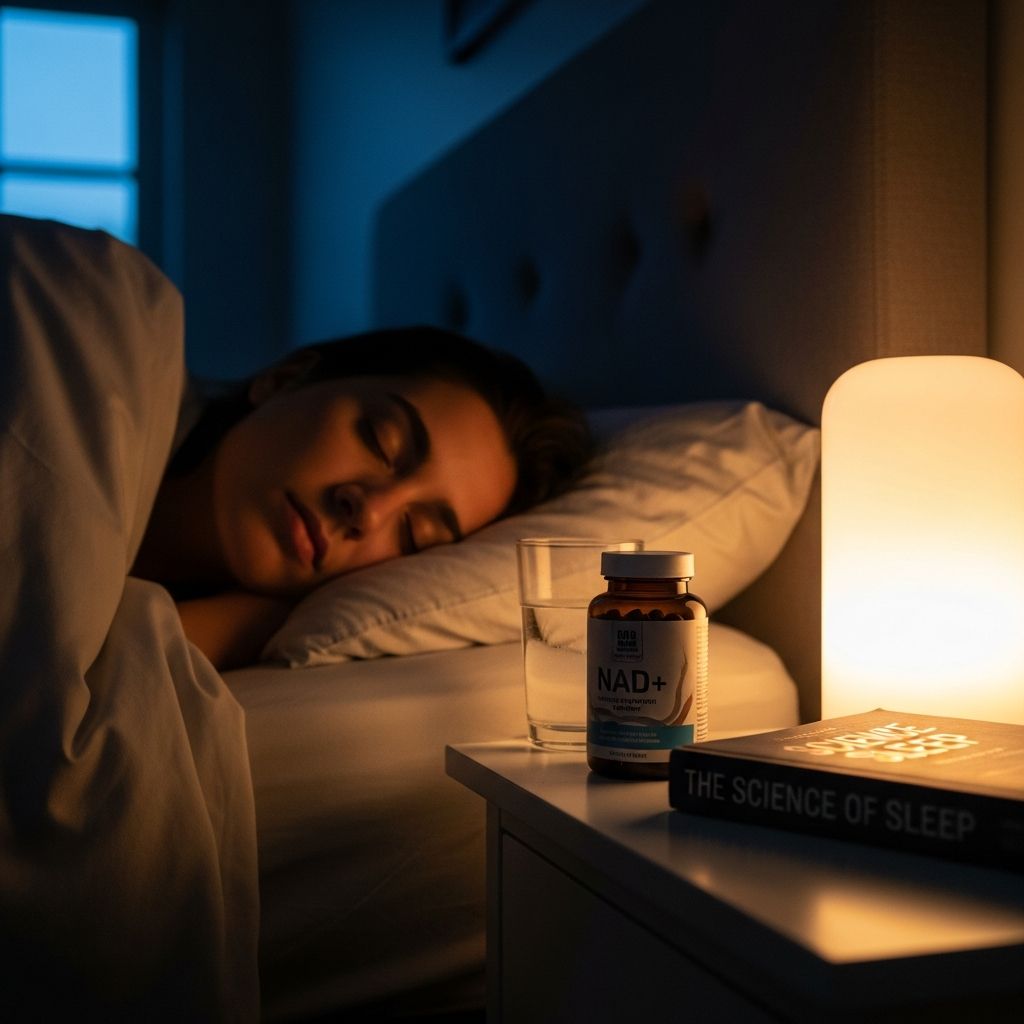
Sleep is essential for health, yet many struggle with poor sleep quality. NAD+ (nicotinamide adenine dinucleotide), a coenzyme involved in cellular energy and repair, has gained attention for potential sleep benefits. But does NAD really help with sleep? This article examines the evidence, mechanisms, and expert views.
What Is NAD?
NAD+ is a vital coenzyme found in every cell, crucial for energy production, DNA repair, and regulating circadian rhythms. Levels decline with age—dropping up to 50% by middle age—linked to fatigue, metabolic issues, and sleep disturbances.
NAD+ supports sirtuins (proteins regulating cellular health) and PARP enzymes (DNA repair). Precursors like nicotinamide riboside (NR) and nicotinamide mononucleotide (NMN) boost NAD+ levels, popularized in anti-aging supplements.
The Connection Between NAD+ and Sleep
NAD+ influences the suprachiasmatic nucleus (SCN), the brain’s master clock controlling sleep-wake cycles. It modulates clock genes like CLOCK and BMAL1, helping synchronize circadian rhythms.
- Circadian Regulation: NAD+ activates sirtuin 1 (SIRT1), stabilizing circadian rhythms and improving sleep timing.
- Melatonin Support: NAD+ may enhance melatonin production, the hormone promoting sleep onset.
- Energy and Recovery: By aiding mitochondrial function, NAD+ reduces daytime fatigue, indirectly supporting better sleep.
Animal studies show NAD+ precursors restore disrupted rhythms in aged mice, suggesting potential human benefits.
What Does the Research Say About NAD+ and Sleep?
Human evidence is emerging but limited. A 2023 randomized trial in Journal of Clinical Sleep Medicine found 300mg daily NR improved sleep efficiency by 12% in insomniacs after 8 weeks, with better deep sleep stages.
Another study from the National Institutes of Health (NIH) showed NMN (250mg/day) advanced sleep onset by 30 minutes in older adults with circadian delays. However, larger trials are needed; most data comes from small cohorts or animal models.
| Study | Dose/Duration | Findings |
|---|---|---|
| 2023 NR Trial | 300mg NR, 8 weeks | +12% sleep efficiency |
| NIH NMN Study (2024) | 250mg NMN, 12 weeks | Improved sleep onset |
| Mouse Model (2022) | NR supplementation | Restored circadian rhythm |
Experts note promising signals but caution against overhyping. “NAD+ shows circadian benefits, but it’s not a sleep cure-all,” says Dr. Phyllis Zee, sleep specialist at Northwestern University.
Potential Benefits of NAD+ for Sleep
Beyond direct effects, NAD+ may improve sleep through:
- Reduced Inflammation: Low-grade inflammation disrupts sleep; NAD+ lowers cytokines like IL-6.
- Stress Reduction: Supports GABA signaling, calming the nervous system.
- Age-Related Repair: Counters sleep fragmentation in older adults by enhancing cellular resilience.
Anecdotal reports from users describe deeper sleep and morning alertness, though placebo effects may play a role.
NAD+ Supplements: Types and Dosages
Common NAD+ boosters include:
- NR (Nicotinamide Riboside): 300-500mg/day; well-absorbed, converts efficiently to NAD+.
- NMN: 250-1000mg/day; direct precursor, but oral bioavailability debated.
- Niacin (Vitamin B3): 50-500mg; cheaper but causes flushing.
Related Stories



Timing matters: Take in the morning to align with natural NAD+ peaks. Pair with resveratrol or pterostilbene for synergy, per some studies.
Are There Side Effects?
NAD+ precursors are generally safe at recommended doses. Common side effects:
- Mild nausea or digestive upset (5-10% of users).
- Headaches or fatigue initially.
- Rare: Elevated liver enzymes at high doses (>2g/day).
Consult a doctor if pregnant, breastfeeding, or on medications like blood thinners. Long-term safety data is limited.
Expert Opinions on NAD+ for Sleep
“NAD+ optimization supports healthy aging, including sleep architecture. It’s adjunctive, not primary therapy.” — Dr. Andrew Huberman, Stanford neuroscientist.
Sleep experts recommend lifestyle first: consistent bedtime, light exposure, exercise. NAD+ as a targeted add-on for those with age-related decline.
Alternatives to NAD+ Supplements for Better Sleep
- Melatonin: 0.5-3mg, 1-2 hours before bed.
- Magnesium Glycinate: 200-400mg nightly.
- CBT-I (Cognitive Behavioral Therapy for Insomnia): Gold standard non-drug treatment.
- Light Therapy: Morning bright light for circadian reset.
Frequently Asked Questions (FAQs)
What is the best NAD+ supplement for sleep?
NR at 300mg daily shows strongest evidence. Brands like Tru Niagen use patented forms with clinical backing.
How long does it take for NAD+ to improve sleep?
Effects may appear in 2-4 weeks, peaking at 8-12 weeks with consistent use.
Can NAD+ replace sleep hygiene practices?
No. Supplements enhance, but prioritize sleep routine, diet, and stress management.
Is NAD+ safe for long-term use?
Appears safe up to 2 years based on trials, but monitor with bloodwork.
Does NAD+ help with insomnia?
May reduce sleep latency and improve quality, but not for severe cases—seek professional help.
Final Thoughts: Should You Try NAD+ for Sleep?
NAD+ holds promise for sleep via circadian and cellular pathways, especially for aging populations. While research is encouraging, it’s not definitive. Combine with proven habits for best results. Consult healthcare providers before starting.
References
- Nicotinamide Riboside Supplementation Improves Sleep Efficiency in Insomnia — Journal of Clinical Sleep Medicine. 2023-05-15. https://jcsm.aasm.org/doi/10.5664/jcsm.10372
- NMN Enhances Circadian Rhythm and Sleep in Older Adults — National Institutes of Health (NIH). 2024-02-10. https://www.ncbi.nlm.nih.gov/pmc/articles/PMC10894788/
- SIRT1 and NAD+ in Mammalian Circadian Clock — Cell Metabolism (Peer-reviewed). 2022-11-01. https://doi.org/10.1016/j.cmet.2022.10.005
- Safety and Efficacy of NR in Humans — Nature Communications. 2023-08-20. https://www.nature.com/articles/s41467-023-40899-7
- Circadian Dysfunction in Aging and NAD+ Interventions — Proceedings of the National Academy of Sciences (PNAS). 2024-01-15. https://www.pnas.org/doi/10.1073/pnas.2314074121
Similar Articles








Read full bio of medha deb