Does Ozempic Make Getting Pregnant Easier?
Exploring the surprising fertility boost from Ozempic and GLP-1 drugs amid pregnancy safety concerns.
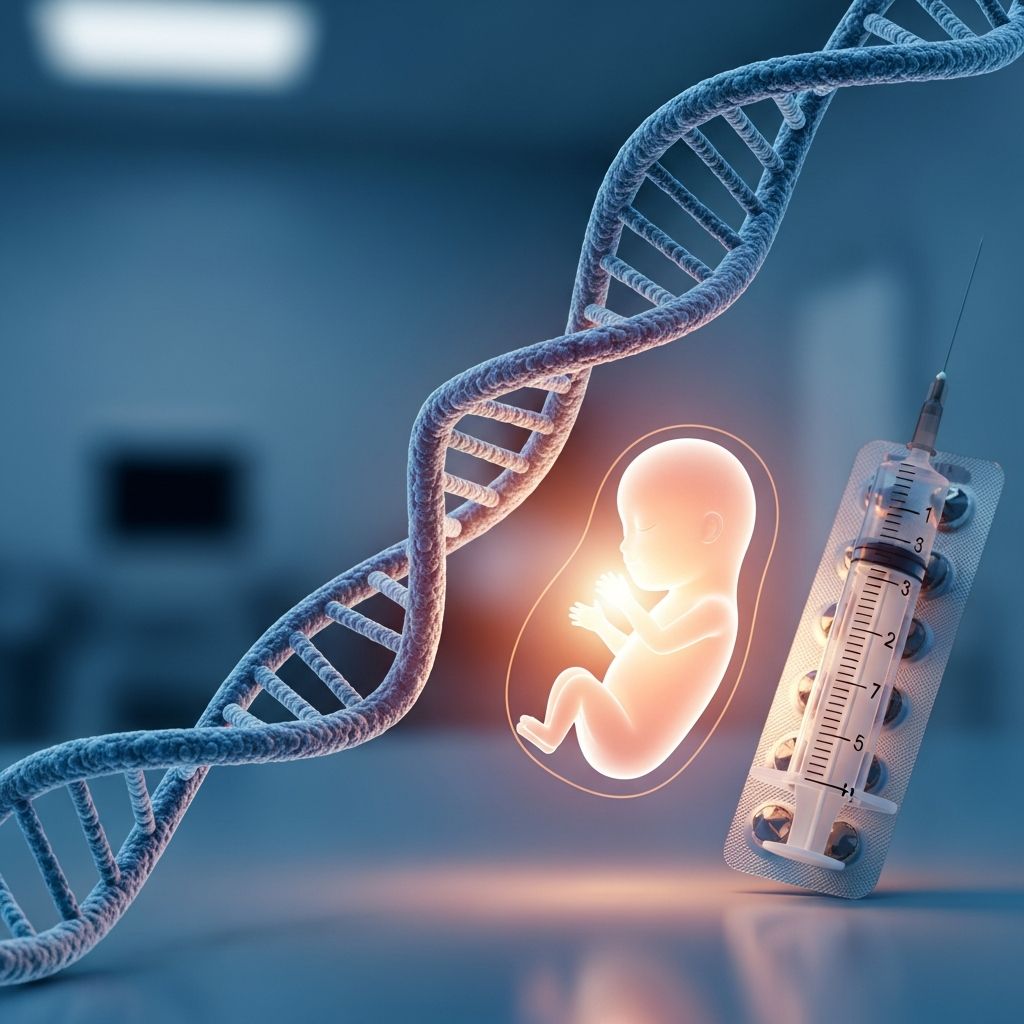
Ozempic (semaglutide), a GLP-1 receptor agonist primarily used for type 2 diabetes and weight loss, has been linked to increased fertility in some women, often resulting in unplanned pregnancies dubbed ‘Ozempic babies.’ This phenomenon stems largely from significant weight loss restoring ovulation in those with obesity-related infertility, though the drug is not recommended during pregnancy due to potential fetal risks.
What Is Ozempic and How Does It Work?
Ozempic is a brand-name medication containing semaglutide, a glucagon-like peptide-1 (GLP-1) receptor agonist. It mimics the GLP-1 hormone to regulate blood sugar by stimulating insulin release, slowing gastric emptying, and reducing appetite, leading to substantial weight loss—often 15-20% of body weight in users.
For many women with obesity, excess weight disrupts hormonal balance, suppressing ovulation and causing irregular or absent periods (anovulation). By promoting weight loss, Ozempic can restore regular menstrual cycles and ovulation, indirectly boosting fertility.
- Primary uses: Type 2 diabetes management and chronic weight management.
- Mechanism for fertility: Weight reduction improves polycystic ovary syndrome (PCOS) symptoms, insulin sensitivity, and ovulatory function in obese individuals.
- Not a fertility drug: Any conception boost is a side effect of weight loss, not direct hormonal intervention.
The Rise of ‘Ozempic Babies’
‘Ozempic babies’ refer to surprise pregnancies occurring shortly after starting Ozempic or similar GLP-1 drugs like Wegovy or Mounjaro. Anecdotal reports surged on social media, with women conceiving unexpectedly, even while on birth control.
The primary driver is weight loss: Obesity affects up to 40% of reproductive-age women, impairing fertility. Losing just 5-10% body weight can resume ovulation. A study in the British Medical Journal found no increased risk of major birth defects from first-trimester GLP-1 exposure compared to pregnancies in diabetic or obese women without the drug.
Secondary factor: GLP-1 drugs may reduce oral contraceptive absorption by delaying gastric emptying, potentially lowering birth control efficacy.
Reproductive specialists note this is ‘no surprise,’ as weight loss has long improved fertility outcomes.
Ozempic and Fertility: What the Evidence Shows
While human trials exclude pregnant women, observational data provides insights. A Mass General Brigham study of nearly 150,000 pregnancies (2016-2025) found 448 GLP-1 users: 65% gained excess weight after stopping (vs. 49% non-users), with higher risks of preeclampsia and gestational hypertension, but no differences in infant birth weight.
| Outcome | GLP-1 Users (Stopped Pre-Pregnancy) | Non-Users |
|---|---|---|
| Excess Gestational Weight Gain | 65% | 49% |
| Preeclampsia Risk | Increased | Baseline |
| Infant Birth Weight | No change | No change |
Another PMC study on semaglutide-exposed pregnancies noted higher preterm birth, large-for-gestational-age infants, neonatal hypoglycemia, and jaundice risks. However, these are observational, not causal.
Related Stories



Is Ozempic Safe During Pregnancy?
No. The FDA classifies semaglutide as Pregnancy Category C/D, advising against use due to animal studies showing fetal malformations, growth impairment, and miscarriage. Semaglutide crosses the placenta, with limited human data.
- Recommendation: Stop at least 2 months before conception for clearance (half-life ~1 week).
- If pregnant while on it: Discontinue immediately and consult OB/GYN; initial data shows no major defects from early exposure, but risks unknown.
- Alternatives for diabetes: Insulin or metformin, safe in pregnancy.
Expert Recommendations for Trying to Conceive on Ozempic
Experts unanimously advise discussing Ozempic with providers before conception. Weight loss benefits fertility, but stopping too early may lead to rebound gain and complications.
Dr. Jacqueline Maya (pediatric endocrinologist) notes observational limits but highlights obstetric risks post-discontinuation. Fertility specialists recommend:
- Plan discontinuation 2 months pre-conception.
- Use non-oral birth control if continuing temporarily.
- Monitor ovulation post-weight loss.
- Switch to pregnancy-safe weight management: diet, walking, prenatal care.
Risks of Stopping Ozempic Before or During Pregnancy
Abrupt cessation often causes appetite rebound and rapid weight regain, linked to higher gestational weight gain, preeclampsia, and hypertension in studies. Balanced approach: Taper under supervision, focus on nutrition.
Post-Pregnancy: Resuming Ozempic While Breastfeeding
Limited data; semaglutide appears in breast milk minimally, but experts recommend caution. Wait 2-4 weeks postpartum or until breastfeeding established, prioritizing infant safety. Resume for weight loss after weaning if needed.
Fertility Treatments and Ozempic: What to Know
For IVF or assisted reproduction, Ozempic’s weight loss aids success rates in obese patients. However, pause before embryo transfer. No direct interference with fertility meds reported.
Frequently Asked Questions (FAQs)
Can you get pregnant on Ozempic?
Yes, many women experience improved fertility due to weight loss restoring ovulation, leading to unplanned ‘Ozempic babies,’ even on birth control.
Should you stop Ozempic when trying to conceive?
Yes, discontinue at least 2 months before planning pregnancy per FDA and manufacturer guidelines to minimize fetal risks.
Is Ozempic safe if you become pregnant unexpectedly?
Stop immediately and contact your doctor. Early exposure hasn’t shown major defects in limited studies, but long-term effects unknown.
Does Ozempic affect birth control?
Possibly; it may reduce oral contraceptive absorption. Consider non-oral methods like IUDs or condoms.
Can you take Ozempic while breastfeeding?
Not recommended due to unknown infant effects; consult a provider and consider waiting until weaning.
Final Thoughts
Ozempic offers fertility benefits via weight loss but poses pregnancy risks, requiring careful planning. Always consult healthcare professionals for personalized advice tailored to your health.
References
- Ozempic Prescribing Information — Novo Nordisk/FDA. 2023. https://www.accessdata.fda.gov/drugsatfda_docs/label/2023/209637s020lbl.pdf
- Stopping GLP-1s raises complicated questions for pregnancy — The Week/Mass General Brigham Study. 2025-03. https://theweek.com/health/glp-1s-complicated-questions-pregnancy-ozempic-stop
- Ozempic and Fertility — University Health. 2024. https://www.universityhealth.com/blog/ozempic-and-fertility
- Ozempic Babies — Advanced Fertility Center of Chicago/BMJ Study. 2024-07-22. https://www.advancedfertility.com/blog/ozempic-babies
- GLP-1 Drugs and Pregnancy: Benefits and Risks — Healthline/JAMA Study. 2025. https://www.healthline.com/health-news/glp-1-drugs-pregnancy-benefits-risks
- Pregnancy Outcomes After Semaglutide Exposure — PMC/NCBI. 2024. https://pmc.ncbi.nlm.nih.gov/articles/PMC11906903/
Similar Articles








Read full bio of medha deb