Does Protein Make You Gassy? 6 Proven Ways To Reduce Gas
Uncover why high-protein diets might lead to gas and bloating, and discover practical strategies to minimize digestive discomfort while meeting your protein needs.
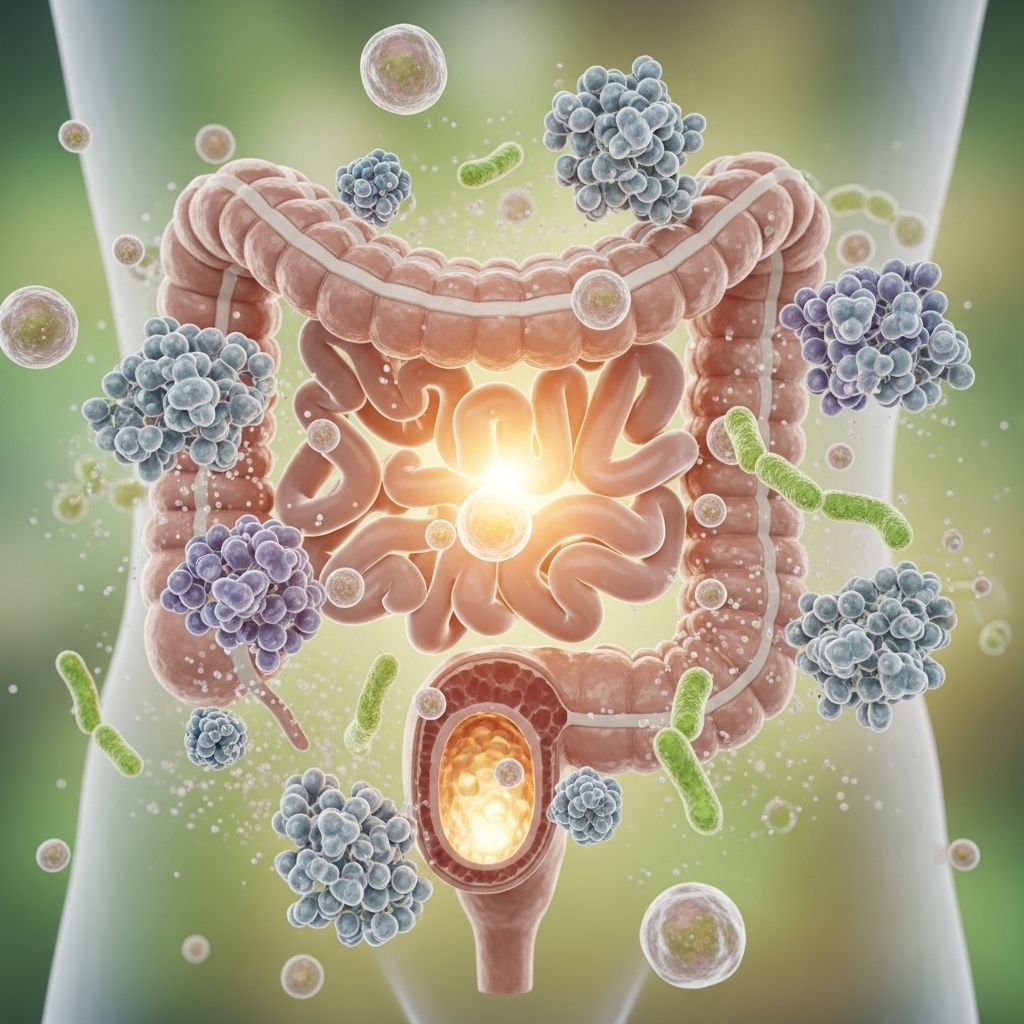
High-protein diets are popular for building muscle, supporting weight loss, and boosting satiety, but many people report increased gas and bloating as a side effect—often dubbed “protein farts.” While not everyone experiences this, the phenomenon is common enough to spark questions about whether protein itself is the culprit. The short answer: protein alone doesn’t directly cause excessive gas, but how you source, consume, and balance it in your diet plays a significant role. Factors like undigested protein reaching the gut bacteria, fiber displacement, and additives in supplements can lead to more frequent or smellier flatulence.
Understanding the mechanisms behind this can help you adjust your intake without derailing your nutrition goals. This article breaks down the science, identifies key triggers, and provides evidence-based strategies to minimize discomfort, drawing from registered dietitians and recent research.
What Does the Science Say?
Scientific evidence directly linking high-protein diets to increased flatulence is limited and mostly anecdotal. A review of studies shows no strong proof that protein intake alone boosts gas volume, though it may worsen odor due to sulfur-containing byproducts from amino acid fermentation in the gut. Board-certified sports dietitian Kelly Jones notes that excessive protein in one sitting, especially from powders, can alter lower gut bacteria interactions, producing foul-smelling gases.
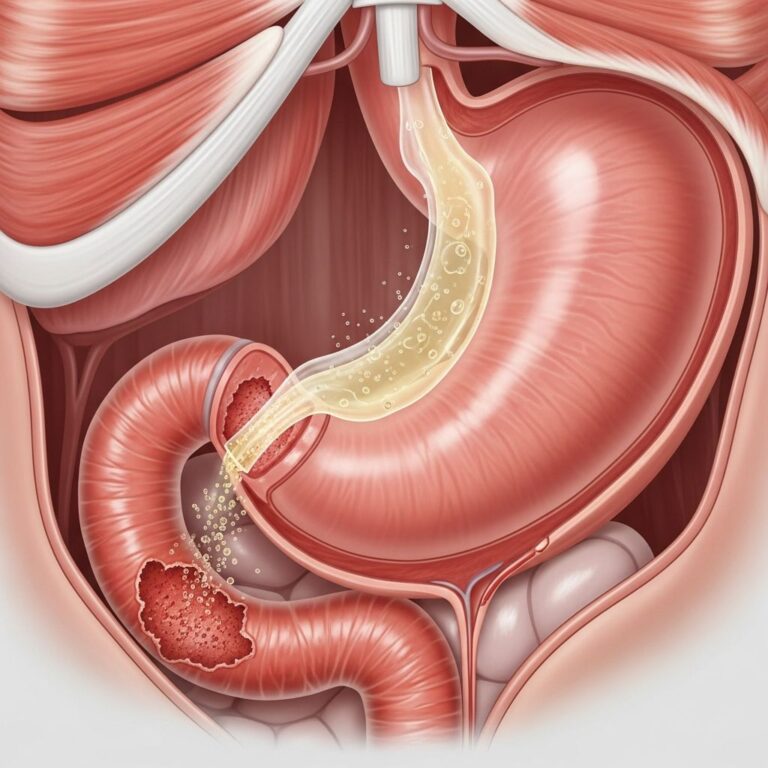
Normally, the body digests most protein in the small intestine using enzymes like pepsin and trypsin. When overwhelmed—say, from chugging a 50-gram shake—undigested proteins travel to the large intestine. There, gut microbes ferment them, releasing hydrogen, methane, and hydrogen sulfide, which smells like rotten eggs. High-fiber diets paired with excess protein may exacerbate bloating, as found in research from Johns Hopkins: protein-rich high-fiber eaters reported more bloating than carb-rich ones.
Average flatulence occurs 5-15 times daily (up to 25 for some), so a temporary uptick after diet changes is normal as your gut adapts. If persistent, it signals imbalances worth addressing.
Why Does Protein Cause Gas? 6 Common Reasons
Several interconnected factors explain why ramping up protein might leave you gassy. Here’s a breakdown:
- Fiber Crowding Out: High-protein foods like meat, eggs, and shakes often replace fiber-rich plants (veggies, fruits, whole grains). Low fiber slows digestion, allowing waste to ferment longer and produce more gas. Dietitian Danielle Crumble Smith explains this hampers motility, leading to constipation and flatulence.
- Gut Bacteria Fermentation: Undigested protein ferments in the colon, yielding smelly gases like hydrogen sulfide. Imbalanced microbiomes amplify this, per RD Anthea Levi.
- Enzyme Overload: Sudden protein spikes overwhelm digestive enzymes, sending more to the large intestine for bacterial breakdown and gas production.
- Saturated Fat Pairing: Protein-rich meats (e.g., ribeye) come with fats that slow gut motility, trapping gas. Nielsen warns high saturated fat stresses digestion.
- Protein Powder Additives: Whey/casein powders contain lactose or sweeteners like sorbitol, which ferment into gas—even in lactose-tolerant folks. Plant powders add FODMAPs (fermentable carbs).
- Plant Protein Adjustment: Beans, lentils, and chickpeas introduce fiber and oligosaccharides that gut bacteria love to ferment, causing initial bloating until adapted.
6 Ways to Reduce Gas on a High-Protein Diet
The good news: you don’t have to ditch protein to ditch the farts. Implement these dietitian-approved tweaks for smoother digestion.
- Gradually Increase Protein: Aim for 1.6-2.2g per kg body weight daily for active folks, spread across meals (20-40g per). This eases enzyme demand.
- Prioritize Fiber Balance: Pair proteins with 25-38g fiber daily from oats, berries, broccoli. High-fiber diets need carb balance to curb bloating.
- Choose Digestible Sources: Opt for lean meats, fish, eggs, Greek yogurt over fatty cuts. For plants, soak/rinse beans; try pea or rice protein powders.
- Switch Supplements Wisely: Pick lactose-free whey isolate, collagen, or hydrolyzed proteins. Avoid frothy shakes—blend minimally to trap less air.
- Eat Mindfully: Chew slowly, avoid carbonated drinks/gum to cut swallowed air. Smaller meals prevent overload.
- Support Gut Health: Probiotics (yogurt, kefir), digestive enzymes, or peppermint tea aid breakdown. Stay hydrated for motility.
Related Stories



| Gas Trigger | High-Gas Protein Food | Low-Gas Alternative |
|---|---|---|
| Fiber/Lactose | Whey powder, beans | Whey isolate, eggs |
| Fat Content | Red meat | Chicken breast, fish |
| FODMAPs | Lentils | Tofu, quinoa |
| Additives | Sweetened shakes | Plain collagen peptides |
Are Protein Farts a Sign of Something Serious?
Occasional protein farts are harmless and often resolve in 1-2 weeks as your gut adjusts. But chronic gas, pain, diarrhea, or unexplained weight loss warrants a doctor visit—it could indicate IBS, SIBO, lactose intolerance, or allergies. Track symptoms with a food diary to pinpoint triggers.
High-protein diets (over 3g/kg) risk kidney strain long-term, especially without hydration, but gas is more nuisance than danger. Balance with veggies, fats, and carbs for optimal health.
How Much Protein Is Too Much?
RDA is 0.8g/kg for sedentary adults; athletes need 1.2-2.0g/kg. Exceeding 35% calories from protein without fiber often sparks issues. Example: A 70kg person needs 84-140g daily—feasible via whole foods without excess.
High-Protein, Low-Gas Meal Ideas
- Breakfast: Greek yogurt parfait with chia seeds, berries (30g protein, high fiber).
- Lunch: Grilled chicken salad with quinoa, spinach, avocado.
- Dinner: Baked salmon, sweet potato, broccoli.
- Snack: Hard-boiled eggs or turkey slices with cucumber.
- Shake: Pea protein blended with almond milk, banana, spinach (minimal air).
Frequently Asked Questions (FAQs)
Is it normal to fart more on a high-protein diet?
Yes, temporarily—up to 2 weeks—as your gut adapts to changes in fiber and protein load. Persistent issues need tweaks.
Do protein shakes cause more gas than food?
Often yes, due to additives, rapid intake, and air. Whole foods digest slower and steadier.
Can plant proteins reduce protein farts?
Not always initially—high fiber causes gas until adapted. Choose low-FODMAP options like pea protein.
How long do protein farts last?
Usually 1-2 weeks with diet changes; longer signals imbalance. Gradual increases help.
Does everyone get protein farts?
No—gut microbiome, enzyme levels, and habits vary. Some tolerate 200g+ daily issue-free.
In summary, protein doesn’t inherently make you gassy, but imbalances do. With smart sourcing and habits, enjoy high-protein benefits minus the embarrassment.
References
- What Are ‘Protein Farts’ and How Can You Stop Them? — One Peloton Blog, featuring RDs Danielle Crumble Smith, Kelly Jones et al. 2023. https://www.onepeloton.com/blog/protein-farts
- Why Protein Makes Your Farts Stink and How to Treat Flatulence — Healthline, medically reviewed by Jared Meacham, PhD, RD. 2025-09-02. https://www.healthline.com/health/protein-farts
- Fix Protein Bloating — Premier Protein Blog. Accessed 2026. https://www.premierprotein.com/whats-shaking/under-pressure
- With High Fiber Diets, More Protein May Mean More Bloating — Johns Hopkins Bloomberg School of Public Health. 2020-01-28. https://publichealth.jhu.edu/2020/with-high-fiber-diets-more-protein-may-mean-more-bloating
Similar Articles








Read full bio of Sneha Tete