Does Raspberry Leaf Tea Lower Blood Sugar?
Explore the science behind raspberry leaf tea's potential to reduce blood sugar spikes, especially from sucrose, and its implications for health.

Raspberry leaf tea, derived from the leaves of the red raspberry plant (Rubus idaeus), has gained attention for its potential to influence blood sugar levels, particularly in moderating post-meal glucose spikes from sucrose. Recent clinical research demonstrates that it significantly reduces early postprandial blood glucose and insulin responses when consumed with table sugar, attributed to its rich polyphenol content, without the side effects of pharmaceutical alternatives.
What Is Raspberry Leaf Tea?
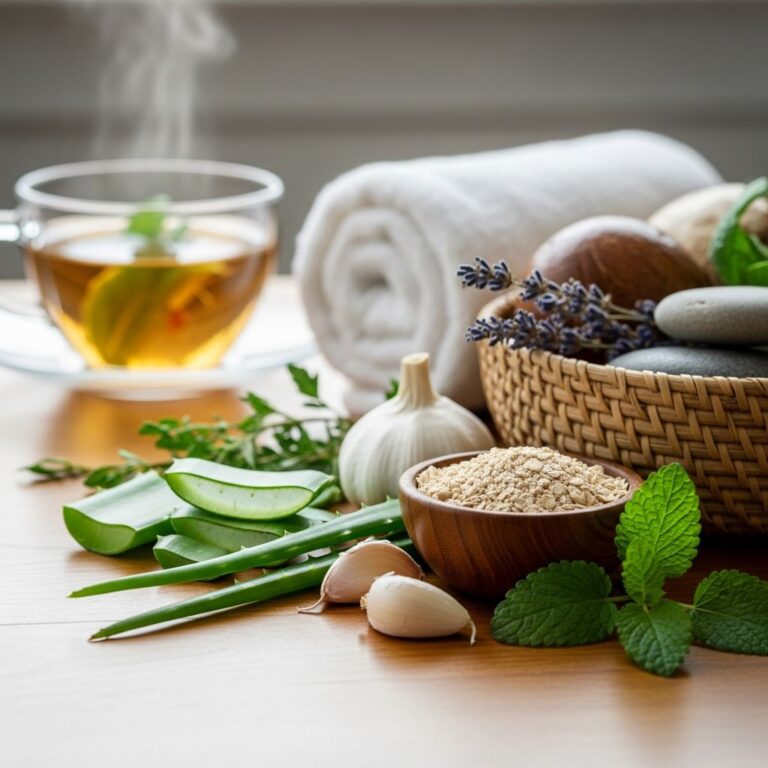
Raspberry leaf tea is a herbal infusion made by steeping dried leaves of the raspberry plant in hot water. Traditionally used for women’s health, especially during pregnancy to tone the uterus and ease labor, it has a mild, earthy flavor and is caffeine-free. The leaves are packed with bioactive compounds, including ellagitannins, ellagic acid, flavonoids, and phenolic acids, totaling around 50 mg per 10 g serving when brewed for five minutes.
Unlike raspberry fruit, which is celebrated for its antioxidants and vitamins, the leaves offer a concentrated source of polyphenols that may interact with carbohydrate metabolism. These compounds are extracted optimally by steeping in boiling water for exactly five minutes, maximizing polyphenol yield without bitterness.
Nutritional Profile of Raspberry Leaf Tea
A standard 10 g serving of raspberry leaf tea infusion contains approximately:
- 38 mg ellagitannins
- 7 mg flavonoids
- 4 mg phenolic acids
- Total polyphenols: 50 mg, predominantly ellagic acid
These polyphenols are hydrophilic and water-soluble, making hot water extraction ideal. Chemical analysis via LC-MS identifies 37 polyphenolic compounds, confirming its potency as a source of ellagic acid-rich bioactives. It is low in calories, with no significant macronutrients, making it suitable for daily use in blood sugar management strategies.
Does Raspberry Leaf Tea Lower Blood Sugar? The Evidence
Emerging evidence from a 2025 randomized crossover study in healthy adults provides the first clinical proof that raspberry leaf (RL) tea blunts postprandial glycemia and insulinemia specifically from sucrose intake. In the trial, 20 participants consumed 50 g sucrose or glucose with or without 10 g RL tea across four sessions.
Key Findings with Sucrose:
- Blood glucose reduced by 1.19 mmol/L (25.6%) at 15 min (p=0.001)
- 2.03 mmol/L (43.6%) at 30 min (p=0.0004)
- Insulin lowered by 113.9 pmol/L at 15 min (p=0.019), 161.8 pmol/L at 30 min (p=0.0008), 139.4 pmol/L at 60 min (p=0.025)
No significant effects were seen with glucose, indicating the tea targets disaccharide digestion rather than monosaccharide absorption. This positions RL tea as a natural modulator for sucrose-induced spikes, common in processed foods and beverages.
How Does Raspberry Leaf Tea Affect Blood Sugar?
The mechanism centers on ellagic acid and ellagitannins inhibiting carbohydrate-digesting enzymes: α-glucosidase and β-fructofuranosidase (sucrase). These enzymes break down sucrose into glucose and fructose; inhibition delays hydrolysis, slowing glucose release into the bloodstream and reducing insulin demand.
This enzyme-inhibitory action mirrors acarbose, a diabetes drug, but without gastrointestinal side effects like diarrhea, as no adverse events were reported in the study. The effect is acute, peaking early post-meal, which could help prevent hyperglycemia in real-world scenarios involving sugary drinks or desserts.
Potential Benefits for Blood Sugar Management
- Reduces Postprandial Spikes: Ideal for managing responses to table sugar, potentially lowering overall glycemic load.
- Supports Insulin Sensitivity: Lower insulin excursions may benefit long-term metabolic health.
- Tolerability: No GI discomfort, unlike synthetic inhibitors.
- Accessibility: Inexpensive, natural option using UK-sourced leaves for optimal polyphenol content.
Related Stories



Beyond blood sugar, traditional uses include pregnancy support, though evidence there is mixed. For diabetes prevention, its polyphenol profile aligns with dietary strategies reducing type 2 diabetes risk.
Raspberry Leaf Tea and Pregnancy: Blood Sugar Considerations
Raspberry leaf tea is popular in pregnancy for labor preparation, but case reports highlight blood sugar interactions. A 2016 case involved a 38-year-old woman with gestational diabetes developing hypoglycemia after three days of two cups daily, necessitating reduced insulin doses. Symptoms resolved upon cessation and recurred on reintroduction, scoring probable on the Naranjo algorithm.
Authors suggest closer monitoring for insulin-using pregnant individuals and potential as a non-drug adjunct for glycemic control in gestational diabetes. However, this is anecdotal; no large trials confirm safety or efficacy in pregnancy for blood sugar effects.
Risks and Side Effects
In healthy adults, RL tea appears safe acutely, with no GI issues in the sucrose study. Pregnancy cases indicate hypoglycemia risk in diabetics, warranting caution. Other potential concerns:
- Drug Interactions: May enhance effects of diabetes meds, risking low blood sugar.
- Allergies: Rare, but possible in those sensitive to raspberries.
- Overconsumption: Limited data on high doses; stick to 1-2 cups daily.
Consult healthcare providers, especially if pregnant, diabetic, or on medications. Not recommended for children or pre-pregnancy without advice.
How to Use Raspberry Leaf Tea for Blood Sugar Support
Brewing Method:
- Boil 250 ml water.
- Add 10 g (about 2 tsp) dried raspberry leaves.
- Steep exactly 5 minutes for peak polyphenols.
- Strain and consume with sucrose-containing meals.
Timing: Drink alongside or just before sugary foods/drinks for optimal enzyme inhibition. Start with one cup daily to assess tolerance.
| Carb Load | Tea Effect on Glucose (15-30 min) | Tea Effect on Insulin |
|---|---|---|
| Sucrose (50g) | ↓25-44% | ↓ significantly at 15-60 min |
| Glucose (50g) | No change | No change |
Limitations of Current Research
The primary study used a small, healthy cohort (20 completers), acute dosing, no blinding/placebo, and short follow-up (120 min). Effects may not generalize to diabetics, chronic use, or diverse populations. Long-term trials are needed.
Pregnancy data is limited to case reports, not RCTs. More research on varied carbs, doses, and at-risk groups is essential before broad recommendations.
Who Might Benefit from Raspberry Leaf Tea?
- Healthy individuals seeking to moderate sucrose spikes from diet.
- Prediabetics monitoring post-meal glucose.
- Pregnant women with gestational diabetes (under medical supervision).
It complements, not replaces, lifestyle changes or meds. Pair with low-GI diets for synergy.
Frequently Asked Questions (FAQs)
Can raspberry leaf tea help with diabetes?
Early evidence shows it reduces sucrose-induced spikes in healthy adults, but no data in diabetics. Monitor closely if using insulin.
Is it safe during pregnancy for blood sugar?
Case reports suggest possible hypoglycemia in gestational diabetes; consult your doctor and monitor glucose.
How much raspberry leaf tea per day?
1-2 cups (10 g total), brewed 5 min. Avoid excess without guidance.
Does it work on all sugars?
No, effective on sucrose but not glucose, targeting disaccharide breakdown.
Any side effects?
Generally well-tolerated; rare hypoglycemia risk in diabetics.
References
- How raspberry leaf tea reduces insulin surges from table sugar — News-Medical.net. 2025-09-02. https://www.news-medical.net/news/20250902/How-raspberry-leaf-tea-reduces-insulin-surges-from-table-sugar.aspx
- Effects of raspberry leaf tea polyphenols on postprandial glucose and insulin responses in healthy adults — University of Reading (Centaur). 2025. https://centaur.reading.ac.uk/124307/
- Evidence on Red Raspberry Leaf Tea for Natural Labor Induction — Evidence Based Birth. 2016 (updated). https://evidencebasedbirth.com/ebb-139-red-raspberry-leaf-tea/
- Biophysical effects, safety and efficacy of raspberry leaf use in pregnancy — PMC (NCBI). 2021-02-10. https://pmc.ncbi.nlm.nih.gov/articles/PMC7871383/
Similar Articles








Read full bio of medha deb