Does Retinol Help With Acne? 4 Proven Benefits for Clearer Skin
Discover how retinol and retinoids combat acne, their mechanisms, best practices, and when to see a dermatologist for clearer skin.
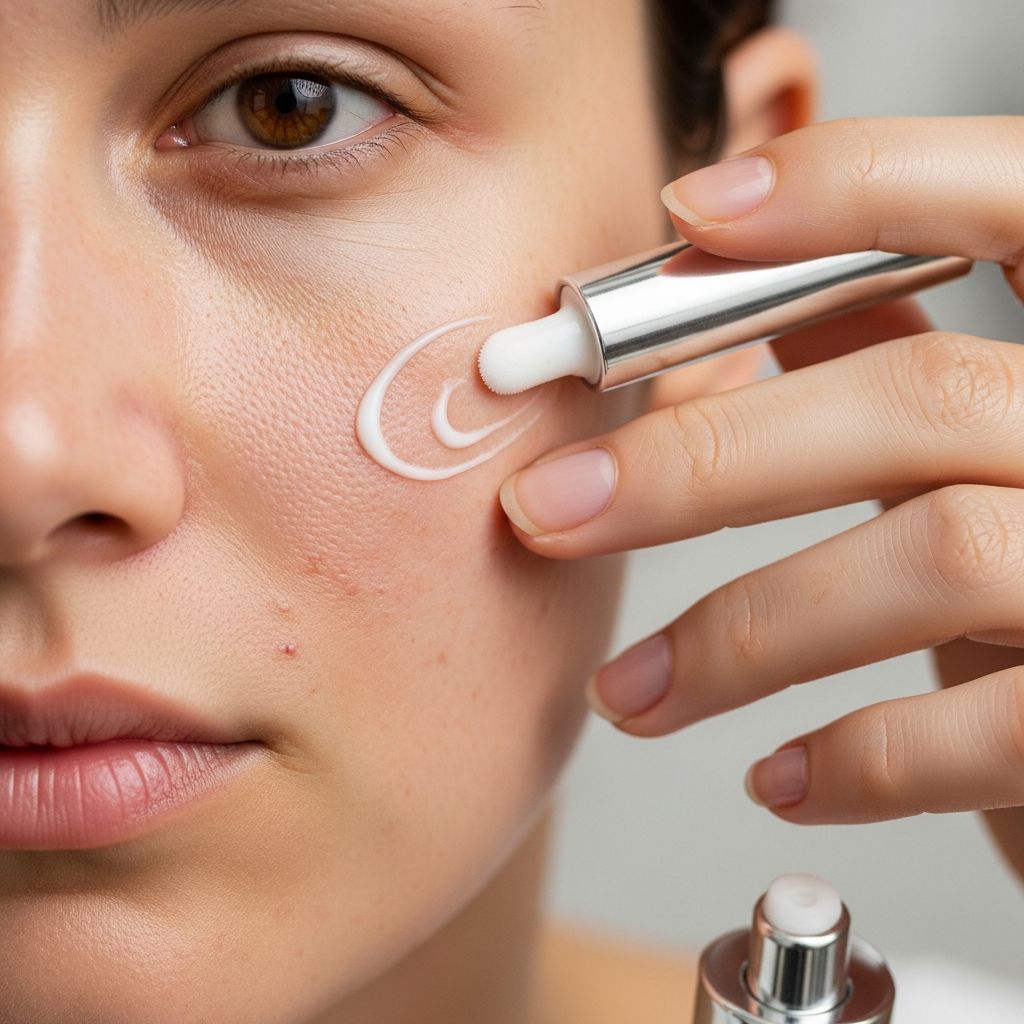
Retinol, a derivative of vitamin A, effectively treats acne by targeting its root causes including clogged pores, excess oil, and inflammation. Topical retinoids like retinol, adapalene, tazarotene, and tretinoin are cornerstone therapies recommended by dermatology experts for both comedonal and inflammatory acne.
What Is Retinol?
Retinol belongs to the retinoid family, compounds derived from vitamin A that regulate skin cell turnover. Unlike stronger prescription retinoids such as tretinoin, retinol is available over-the-counter and converts to retinoic acid more gradually in the skin, making it gentler for beginners. Retinoids normalize desquamation—the shedding of dead skin cells—by reducing keratinocyte proliferation and promoting differentiation, preventing microcomedones, the precursors to visible acne.
Common retinoids include adapalene (Differin), tazarotene (Tazorac), and tretinoin (Retin-A). These agents address acne’s multifactorial pathophysiology: hyperkeratinization, Propionibacterium acnes proliferation, inflammation, and increased sebum production. Guidelines from the American Academy of Dermatology (AAD) emphasize retinoids as the core of topical acne therapy due to their comedolytic, anti-inflammatory, and maintenance properties.
How Does Retinol Help Acne?
Retinol prevents and treats acne by accelerating cell turnover, unclogging pores, and exerting anti-inflammatory effects. It resolves microcomedones—invisible precursors to pimples—reducing both noninflammatory (blackheads, whiteheads) and inflammatory lesions (papules, pustules).
Randomized controlled trials demonstrate topical retinoids as monotherapy significantly reduce inflammatory lesions comparably to noninflammatory ones. For instance, after 12-15 weeks, adapalene, tazarotene, and tretinoin showed marked improvements in acne severity, with greater benefits in moderate-to-severe cases.
- Comedolytic action: Normalizes follicle keratinization to prevent pore blockage.
- Anti-inflammatory: Modulates pathways to decrease redness and swelling.
- Microcomedone resolution: Targets earliest acne lesions for long-term prevention.
- Sebaceous gland regulation: Reduces oil production indirectly.
In pigmentary issues like post-inflammatory hyperpigmentation (PIH) from acne, retinoids inhibit melanosome transfer and accelerate epidermal turnover, lightening dark spots.
What the Experts Say
The AAD and European Dermatology Forum (EDF) S3 guidelines unanimously recommend topical retinoids as foundational for acne management. The AAD states: “retinoids are the core of topical therapy for acne because they are comedolytic, resolve the precursor microcomedone lesion, and are anti-inflammatory; furthermore, they allow for maintenance of clearance.”
Despite this, prescribing data from 2012-2014 showed dermatologists used retinoids in only 58.8% of cases, and non-dermatologists in 32.4%, highlighting an educational gap.
Expert consensus: Combine retinoids with antimicrobials (e.g., benzoyl peroxide) for optimal results targeting multiple acne pathways.
Retinol vs. Other Retinoids
| Retinoid | Strength | Availability | Best For |
|---|---|---|---|
| Retinol | Mild | OTC | Mild acne, sensitive skin |
| Adapalene | Moderate | OTC/Prescription | Inflammatory acne, fast onset |
| Tretinoin | Strong | Prescription | Comedonal, severe acne |
| Tazarotene | Very Strong | Prescription | Resistant acne, PIH |
Adapalene and benzoyl peroxide show faster onset (time to 25% inflammatory lesion reduction) compared to tretinoin or isotretinoin. Choose based on acne severity and skin tolerance.
Side Effects of Retinol
Initial irritation—known as “retinoid dermatitis”—includes redness, dryness, peeling, and stinging, peaking in the first 1-2 weeks as corneocyte cohesion temporarily disrupts. Symptoms resolve as desquamation normalizes.
- Common: Dryness, erythema, pruritus (2-4 weeks).
- Rare: Excessive irritation if overused.
Related Stories



Pregnancy category: Avoid retinoids (except possibly adapalene OTC); consult a doctor.
Tips for Using Retinol
Start low and slow to minimize irritation. Apply pea-sized amount to clean, dry skin at night, 2-3 times weekly, increasing gradually.
- Cleanse gently with non-comedogenic products.
- Wait 20-30 minutes post-cleansing.
- Apply moisturizer first (sandwich method) or use short-contact (30-60 min then rinse) for 2-4 weeks.
- Use broad-spectrum SPF 30+ daily—retinoids increase photosensitivity.
- Moisturize liberally with ceramide-rich, non-comedogenic formulas.
Buffer by layering moisturizer over/under retinol. Avoid combining with harsh actives (e.g., AHAs, BHA initially).
When to See a Dermatologist
Consult if OTC retinol fails after 8-12 weeks, acne is moderate-severe, cystic, or scarring. Dermatologists may prescribe stronger retinoids or combinations like retinoid + benzoyl peroxide + antibiotic.
- Nodular/cystic acne
- Scarring or PIH
- Persistent acne post-OTC trial
- Skin of color (higher PIH risk)
Best Retinol Products for Acne
Look for stabilized formulations: 0.1-0.3% retinol for starters, or adapalene 0.1% gel (OTC Differin).
- Adapalene 0.1% (Differin Gel): Fast-acting, pregnancy category B.
- Tretinoin 0.025-0.05%: Microsphere versions less irritating.
- Retinol serums with soothing niacinamide.
Frequently Asked Questions
Does retinol work on cystic acne?
Retinoids help prevent but may not fully resolve deep cysts alone; combine with oral meds under dermatologist guidance.
How long until retinol clears acne?
Visible improvements in 4-6 weeks; full benefits 12 weeks. Consistency key.
Can I use retinol with benzoyl peroxide?
Yes—alternate nights or use BPO mornings. They complement: retinoid prevents clogs, BPO kills bacteria.
Is retinol safe during pregnancy?
Avoid systemic and high-dose topicals; adapalene may be safer but consult MD.
What moisturizer with retinol for acne-prone skin?
Gentle, non-comedogenic with hyaluronic acid, ceramides (e.g., CeraVe PM).
Conclusion
Retinol and topical retinoids are scientifically proven, guideline-backed staples for acne, addressing lesions and preventing recurrence. Overcome barriers like irritation with proper introduction for transformative results. Pair with professional advice for best outcomes.
References
- Why Topical Retinoids Are Mainstay of Therapy for Acne — Alexis D, et al. PMC / Springer. 2017-07-25. https://pmc.ncbi.nlm.nih.gov/articles/PMC5574737/
- Guidelines of care for the management of acne vulgaris — Zaenglein AL, et al. American Academy of Dermatology. 2016-08. https://www.jaad.org/article/S0190-9622(16)30349-3/fulltext
- European evidence-based (S3) guideline for the treatment of acne — Nast A, et al. European Dermatology Forum. 2016-10. https://onlinelibrary.wiley.com/doi/full/10.1111/jdv.13776
Similar Articles








Read full bio of Sneha Tete