Does SPF Moisturiser Give Enough Sun Protection?
Discover if SPF moisturisers provide adequate sun protection or if dedicated sunscreens are essential for skin safety.
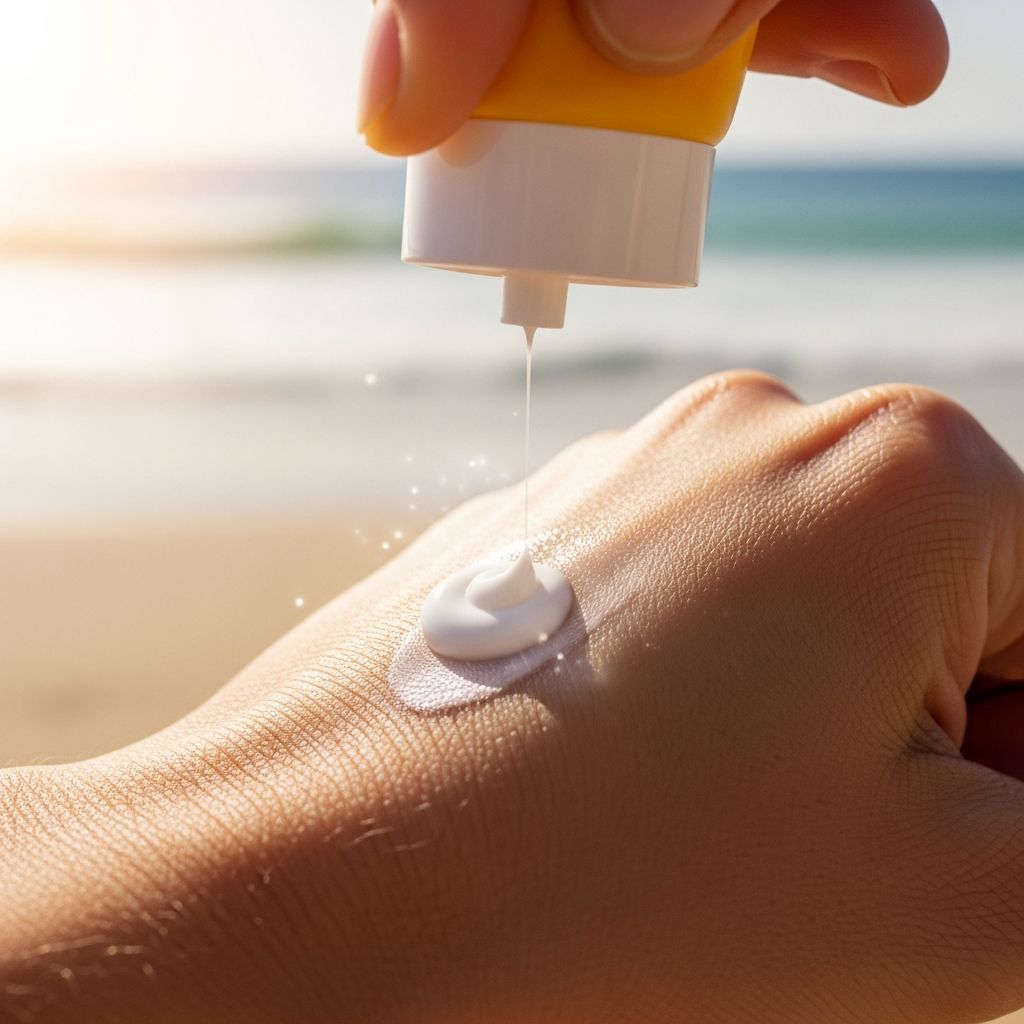
SPF moisturisers promise the convenience of hydration and sun protection in one product, but research shows they often fall short in delivering adequate coverage compared to dedicated sunscreens. A key study found that users missed 16.6% of their face with SPF moisturiser versus 11.1% with sunscreen, particularly around vulnerable areas like the eyelids.
What is SPF and why does it matter?
**SPF**, or Sun Protection Factor, measures protection against UVB rays, which cause sunburn and contribute to skin cancer risk. Products labelled SPF 30 block about 97% of UVB rays when applied correctly. However, UVA rays, responsible for premature aging and deeper damage, require broad-spectrum protection. Without it, skin faces fine lines, wrinkles, and hyperpigmentation.
Daily sun exposure, even indoors through windows, accumulates damage. Incorporating SPF into routines is crucial, but the question remains: can moisturisers with SPF handle this alone?
How do SPF moisturisers work?
SPF moisturisers combine emollients for hydration with UV filters like titanium dioxide. They aim for dual benefits: moisture barrier support via ingredients like ceramides and hyaluronic acid, plus sun defense. Formulations vary by skin type—oily, dry, or sensitive—with some offering broad-spectrum coverage.
- Hydration first: Primary role is moisturizing, with SPF as secondary.
- UV filters: Chemical or mineral agents absorb or reflect rays.
- Convenience: Streamlines routines by replacing two products.
Despite appeal, their thicker consistency can hinder even spreading, leading to uneven protection.
SPF moisturiser vs sunscreen: Key differences
Dedicated sunscreens prioritize UV protection with lighter textures for easy application, while SPF moisturisers focus on hydration, often resulting in higher viscosity that resists spreading. A comparative study using UV-sensitive imaging on 84 participants revealed stark disparities:
| Metric | SPF Moisturiser | Sunscreen |
|---|---|---|
| Face area missed (%) | 16.6% (SD 6.4) | 11.1% (SD 5.0) |
| Eyelid region missed (%) | 20.9% (SD 8.2) | 14.0% (SD 8.3) |
Data from paired t-test (p<0.001) confirms inferior coverage with moisturisers, linked to rheology—moisturisers are harder to spread. Sunscreens absorbed more UV in imaging, suggesting thicker layers applied.
Common application mistakes with SPF products
Even ideal products fail without proper use. Users apply insufficient amounts—dermatologists recommend two finger lengths (about 1/2 teaspoon) for the face, yet most use half.
- Under-application: Moisturisers tempt lighter layers since they’re also hydrators.
- Missing spots: Eyelids, ears, neck, and hands often neglected.
- No reapplication: Protection lasts 2 hours max; indoors or cloudy days don’t excuse skipping.
- Rubbing in too much: Diminishes the protective film.
Study participants showed consistent patterns: same individuals covered less with moisturiser, implying product texture influences habits.
Are SPF moisturisers enough for daily protection?
No—SPF moisturisers alone aren’t sufficient for full protection. They provide baseline defense but require supplementation with shade, clothing, and hats. Reapply every 2 hours outdoors, more if swimming or sweating. For high-risk activities, layer dedicated sunscreen over moisturiser.
Effectiveness hinges on SPF 30+, broad-spectrum labelling, and correct quantity. Even then, hybrid formulas may underperform due to lower UV filter concentrations optimized for feel over max protection.
Related Stories



Choosing the right SPF moisturiser
Select based on needs:
- SPF 30+ broad-spectrum: Filters 97%+ UVB, covers UVA.
- Skin type match: Non-comedogenic for acne-prone; richer for dry skin.
- Ingredients: Niacinamide for calming, ceramides for barrier repair.
- Water-resistant: If active lifestyle.
Avoid low-SPF (<30) or non-broad-spectrum options. Patch-test new products.
Best practices for sun protection
Layer smartly: cleanse, serum, moisturiser (with or without SPF), then sunscreen if needed. Wait 1-2 minutes between for absorption.
- Apply SPF moisturiser generously morning.
- Follow with makeup if using.
- Reapply sunscreen midday.
- Protect lips, scalp, eyes with specialized products.
Combine with UPF clothing (rating 50+ blocks 98% UV) and seek shade 10am-4pm.
Frequently Asked Questions (FAQs)
Is SPF 30 moisturiser enough for everyday use?
It’s a good start for low exposure but reapply and use extras like hats for full safety. Not ideal for prolonged sun.
Can I use SPF moisturiser at night?
No—SPF is for daytime UV exposure only. Night use wastes product and clogs pores.
How much SPF moisturiser do I need?
Two finger lengths for face and neck—about 1/2 teaspoon. Less reduces SPF efficacy.
Does cloudy weather require SPF moisturiser?
Yes—up to 80% UV penetrates clouds. Daily use prevents cumulative damage.
Are mineral SPF moisturisers better?
For sensitive skin, yes—titanium dioxide or zinc oxide sit on skin without irritation, unlike chemicals.
What if my SPF moisturiser stings eyes?
Opt for eye-safe formulas or apply carefully, avoiding eyelids. Use sunglasses too.
Expert tips from dermatologists
Dermatologists emphasize: “SPF moisturisers simplify but don’t replace sunscreen for robust protection.” Prioritize water-resistant, high-SPF options and educate on quantity. For skin cancer prevention, consistency trumps convenience.
Incorporate antioxidants like vitamin C for enhanced defense against free radicals.
The science behind poor coverage
Rheology studies show SPF moisturisers’ higher viscosity leads to uneven films. UV imaging confirms darker sunscreen patches, indicating better laydown. Participants applied less moisturiser overall, reducing protection proportionally.
Future formulations may bridge this with optimized textures, but currently, dual products excel.
References
- Application of SPF moisturisers is inferior to sunscreens in coverage — PLoS One (PMC). 2019-04-10. https://pmc.ncbi.nlm.nih.gov/articles/PMC6447356/
- Are Moisturisers with SPF Enough? | Sun Protection Guide — CeraVe UK. 2024-06-01. https://www.cerave.co.uk/skin-concerns-101/skincare-routines/facts-about-face-moisturisers-with-spf
- SPF in moisturiser: Debunking the myths about SPF — CeraVe India. 2024-05-15. https://www.ceraveindia.com/skin-smart/skincare-tips-advice/debunking-the-myths-about-spf-in-moisturiser
- Why Your SPF Moisturizer May Not be Protecting You — Biossance. 2024-03-20. https://www.biossance.com/blog/moisturizer-and-sunscreen/
Similar Articles








Read full bio of Sneha Tete