Does the Sun Help Acne? What Dermatologists Say
Discover why sun exposure may temporarily improve acne but ultimately worsens breakouts and damages skin.
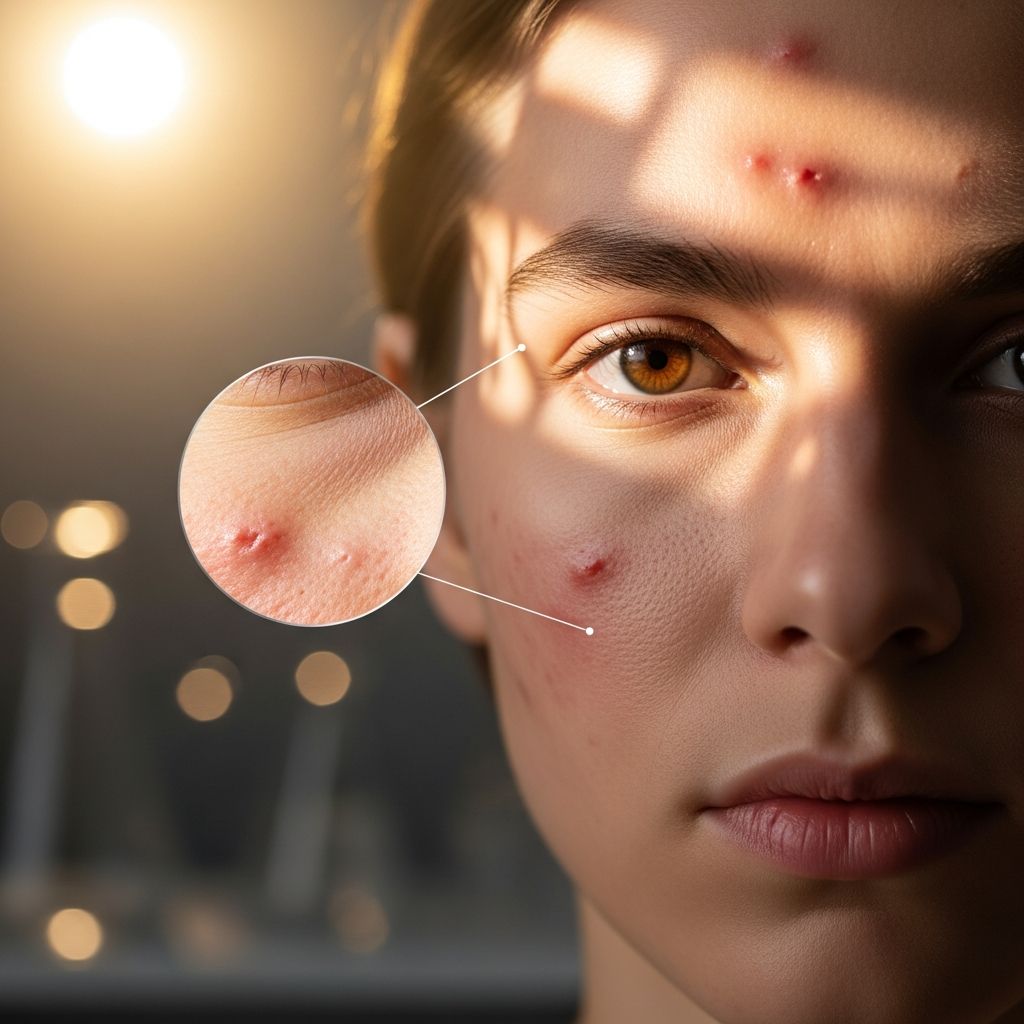
Many people with acne believe that sun exposure can help clear their skin, but dermatologists and recent scientific evidence suggest otherwise. While sunlight may initially seem to improve acne appearance, the reality is far more complex. The sun can temporarily mask acne and even reduce visible inflammation, but these short-term benefits come at a significant cost—increased breakouts, skin damage, and long-lasting complications that extend far beyond acne management.
The Myth vs. Reality: Why People Think the Sun Helps Acne
The belief that sun exposure improves acne is widespread, but its origins are unclear. However, dermatologists have identified several plausible reasons why this misconception persists. When people spend time in the sun and their skin becomes tanned, acne lesions and blemishes appear less noticeable because of the darkened pigmentation. Additionally, the sun initially dries out skin, which can reduce the appearance of oily skin and temporarily minimize the visibility of pustules and papules.
Another factor contributing to this myth may be confusion with legitimate light-based acne treatments. Blue light therapy, which is FDA-approved and recommended by dermatologists, has demonstrated effectiveness in improving mild to moderate acne by targeting acne-causing bacteria. However, blue light therapy operates under controlled medical conditions and uses specific wavelengths that differ fundamentally from the full spectrum of UV radiation present in natural sunlight.
What Experts Say About Sun Exposure and Acne
Dermatological consensus is clear: while sun exposure may temporarily improve acne appearance, it ultimately worsens the condition. The American Academy of Dermatology specifically notes that the sun’s ultraviolet rays can darken acne lesions and prolong their duration on the skin. The initial drying effect that makes acne seem better is deceptive and sets off a harmful cascade of biological responses.
When the sun dries out your skin, your body perceives this dehydration as a threat to skin health. In response, the sebaceous glands compensate by producing excess oil—a phenomenon known as the rebound effect. This compensatory oil production exceeds what was lost to sun exposure, creating an oil-rich environment that accelerates comedogenesis (clogged pore formation) and promotes bacterial growth. The result is more frequent and severe acne breakouts that can be worse than the original lesions.
The Short-Term Perceived Benefits of Sun Exposure
Understanding why acne seems to improve temporarily in the sun requires examining the skin’s physiological response to UV radiation:
- Epidermal Thickening: UV exposure accelerates keratinocyte proliferation, causing the outer layer of skin to thicken. This temporarily smooths the skin’s surface and masks the redness and texture of acne lesions.
- Drying Action: Ultraviolet rays decrease surface moisture, causing superficial desiccation of pustules and reducing the visible appearance of oily skin.
- Redness Camouflage: As skin pigmentation darkens from sun exposure, the redness and inflammation associated with acne become less visible, creating an optical illusion of clearer skin.
These effects are entirely cosmetic and temporary. They do nothing to address the underlying causes of acne or prevent future breakouts. In fact, they mask deteriorating skin conditions while UV damage accumulates.
Related Stories



How UV Radiation Worsens Acne at the Cellular Level
Ultraviolet radiation encompasses two primary wavelengths—UVA and UVB—that penetrate skin at different depths and initiate cellular damage through distinct mechanisms. UVA rays penetrate deeply into the dermis, generating reactive oxygen species that damage collagen and elastin fibers, accelerating skin aging and scarring. UVB rays target the superficial layers of the epidermis, causing sunburn and triggering acute inflammatory responses.
Together, these UV wavelengths disrupt normal skin barrier function and intensify acne-related inflammatory processes. UV exposure triggers oxidative stress in sebaceous glands, prompting them to overproduce sebum in an attempt to rehydrate and protect the skin. This rebound surge in sebum creates conditions ideal for bacterial colonization and follicular obstruction, directly accelerating acne development and severity.
Post-Inflammatory Hyperpigmentation and Erythema
Beyond worsening active acne, sun exposure causes complications that can persist long after acne heals. UV light can induce post-inflammatory hyperpigmentation (darkening of skin) and post-inflammatory erythema (persistent redness) at the sites of healed acne lesions. These effects are particularly pronounced in individuals with skin of color, who face elevated risk of uneven pigmentation following sun exposure and acne inflammation.
This means that even after acne clears, sun exposure during the healing phase can leave permanent discoloration and marks that may be more noticeable and longer-lasting than the original acne itself. The cumulative effect transforms a temporary skin condition into lasting cosmetic concerns.
Sun Sensitivity and Acne Medications
Certain common acne treatments possess photosensitizing properties, meaning they increase the skin’s sensitivity to UV radiation and make phototoxic reactions more likely. Medications such as isotretinoin (Accutane) and tetracycline antibiotics like doxycycline fall into this category. Patients taking these medications must exercise extreme caution with sun exposure, as high levels of solar radiation can trigger severe phototoxic reactions—burns and damage that exceed a normal sunburn response.
This interaction between acne medications and UV radiation further underscores why sun protection is essential for anyone undergoing medical acne treatment. The goal of acne therapy is skin improvement, not additional UV-induced damage that complicates healing.
Environmental Factors That Impact Acne Beyond Sun Exposure
While sun exposure plays a significant role in acne pathophysiology, research demonstrates that multiple environmental and lifestyle factors contribute to acne development and severity. Studies analyzing the exposome—the cumulative environmental exposures throughout a person’s life—have identified several key acne triggers:
- Air pollution and particulate matter that clog pores
- Tobacco smoke exposure, which increases inflammation
- Psychological stress, which elevates cortisol and sebum production
- Dietary factors, particularly high-glycemic foods and dairy
- Harsh or inappropriate skincare practices that damage the skin barrier
- Diverse microorganisms that colonize follicles
Of these environmental factors, sun exposure, pollution, nutrition, harsh skincare, and stress emerge as the most impactful for acne patients. A comprehensive approach to acne management must address multiple triggers simultaneously rather than relying on any single intervention.
Seasonal Variation in Acne: The Summer Flare Pattern
Clinical observations reveal that many acne patients experience seasonal variation in their condition. Studies show that more than 50% of individuals with acne experience flares or worsening during summer months, while approximately 40% report seasonal worsening of their acne. This pattern aligns with increased sun exposure during summer, supporting the dermatological evidence that UV radiation exacerbates acne rather than improving it.
However, the relationship between acne and photoexposure is complicated. Some patients report reduction in inflammatory lesions during summer months, while others experience pronounced flares. This variability suggests that individual skin physiology, baseline acne severity, treatment adherence, and other environmental factors all influence how sun exposure affects each person’s acne.
The Comparison: Tanning Beds vs. Natural Sunlight
| Factor | Tanning Beds | Natural Sunlight |
|---|---|---|
| UVA/UVB Ratio | High UVA / Low UVB | Variable UVA & UVB |
| Exposure Intensity | Controlled but intense | Fluctuating and variable |
| Risk to Acne | Worsens breakouts | Worsens breakouts |
| Skin Damage Risk | High | High |
Despite differences in UVA/UVB ratios and exposure intensity, neither tanning beds nor natural sunlight are safe for acne-prone skin. Both trigger the same inflammatory and rebound processes that worsen acne. Both damage the skin’s protective barrier, increase sebum production, clog follicles, and impair healing processes. Both increase long-term risks of skin cancer, premature aging, and scarring. Dermatology authorities universally recommend against both artificial and natural UV exposure for acne treatment.
Protective Strategies: The Role of Sunscreen in Acne Management
For individuals with acne, daily broad-spectrum sunscreen protection is not optional—it is essential. Applying a non-comedogenic, broad-spectrum sunscreen with at least SPF 30 every morning blocks both UVA and UVB rays, preserves acne treatment results, and prevents pigmentary complications. Sunscreen also supports the tolerability of topical retinoids and other acne medications by reducing irritation, redness, and photosensitivity reactions.
Optimal sunscreens for acne-prone skin should possess multiple beneficial properties beyond basic UV protection:
- Emollient Properties: Support skin hydration and barrier function without adding excess oil
- Antioxidant Components: Neutralize free radicals and reduce oxidative stress in sebaceous glands
- Sebum Control: Regulate oil production and maintain balanced skin conditions
- Anti-inflammatory Agents: Reduce existing inflammation and prevent new flares
Physical blockers like zinc oxide provide additional benefits beyond UV protection, offering hydration, barrier support, and sebum-regulating properties. Tinted sunscreens can provide cosmetic camouflage for acne lesions while protecting skin, potentially improving quality of life and treatment adherence. Studies confirm that appropriately formulated sunscreens can significantly improve acne symptomatology, enhance the effectiveness of topical and systemic acne treatments, and prevent post-inflammatory hyperpigmentation.
Safe and Effective Light-Based Acne Treatments
While natural UV radiation worsens acne, certain controlled light therapies have demonstrated safety and efficacy for acne treatment under medical supervision. These alternative light-based approaches avoid the harmful effects of UV radiation:
- Blue Light Therapy: Specific wavelengths of blue light (typically 405-420 nm) effectively destroy acne-causing bacteria without inducing DNA damage or systemic toxicity. FDA approval supports its use for mild to moderate acne.
- Red Light Therapy: Longer wavelengths in the red spectrum reduce inflammation, support tissue repair, and promote healing without the mutagenic risks associated with UV exposure.
These therapies operate through fundamentally different mechanisms than sun exposure and can be administered in controlled doses under professional guidance, making them safe alternatives for individuals seeking light-based acne treatment.
Best Practices for Acne Management in Sunny Climates
For acne patients living in or traveling to sunny climates, comprehensive sun protection is critical:
- Apply broad-spectrum SPF 30+ sunscreen every morning and reapply every two hours during outdoor exposure
- Seek shade during peak UV hours (10 AM to 4 PM) when UV intensity is highest
- Wear protective clothing, hats, and sunglasses to minimize direct sun exposure
- Maintain consistent acne medication adherence, as sunscreen enhances treatment tolerability
- Monitor skin for seasonal variations and adjust skincare routines accordingly
- Consult dermatologists about photosensitizing medications before sun exposure
Frequently Asked Questions
Q: Can sun exposure cause or trigger acne breakouts?
A: Yes, sun exposure can trigger acne by inducing oxidative stress and inflammation in skin cells, leading to increased sebum production and pore blockage that precipitate new breakouts. The rebound effect—where the skin overcompensates for UV-induced dryness—can result in severe acne flares.
Q: Why does acne seem better immediately after sun exposure?
A: Acne appears improved due to three temporary effects: epidermal thickening that smooths texture, superficial drying that reduces pustule visibility, and skin darkening that camouages redness and marks. These cosmetic improvements are illusions that mask underlying damage and don’t address acne causes.
Q: How long does the temporary improvement from sun exposure last?
A: The temporary cosmetic improvements typically last only days to weeks. Meanwhile, the rebound effect begins within hours to days, causing increased sebum production and subsequent acne worsening that can persist for weeks or months.
Q: What is the rebound effect in relation to sun exposure and acne?
A: The rebound effect occurs when UV-induced skin dryness triggers sebaceous glands to overproduce oil as a compensatory response. This excess oil production exceeds baseline levels, creating conditions ideal for bacterial growth and follicular obstruction, resulting in more severe acne than existed before sun exposure.
Q: Can sunscreen help acne or does it make it worse?
A: Appropriately formulated, non-comedogenic sunscreens significantly help acne by preventing UV damage and reducing photosensitivity reactions from acne medications. Sunscreens with emollient, antioxidant, and sebum-controlling properties can enhance treatment effectiveness and prevent post-inflammatory hyperpigmentation.
Q: What SPF level should acne patients use?
A: Dermatologists recommend broad-spectrum SPF 30 or higher for acne patients. SPF 30 blocks approximately 97% of UVB rays, while SPF 50 blocks about 98%. The difference is minimal, but consistent daily application matters more than incremental SPF increases.
Q: Are there safe alternatives to sun exposure for acne treatment?
A: Yes. Blue light therapy and red light therapy are FDA-approved, safe alternatives that don’t involve harmful UV radiation. Professional acne medications (topical retinoids, benzoyl peroxide, antibiotics) and oral medications like isotretinoin remain the most effective evidence-based treatments.
References
- Sun exposure, a relevant exposome factor in acne patients and how photoprotection can improve outcomes — Journal of Cosmetic Dermatology, National Center for Biotechnology Information (NCBI). 2023. https://pubmed.ncbi.nlm.nih.gov/36946555/
- American Academy of Dermatology Statement on UV Radiation and Acne — American Academy of Dermatology (AAD). https://www.aad.org
- Does Sun Exposure Help or Hurt Acne? — GoodRx Health. 2024. https://www.goodrx.com/conditions/acne/does-sun-help-acne
- Tanning for Acne: Dermatologist Insights on Risks and Safer Alternatives — Sunshine State Dermatology and Skin Cancer Center. https://www.sunshinestatederm.com/blog/130-tanning-for-acne-dermatologist-insights-on-risks-and-safer-alternatives
Similar Articles








Read full bio of Sneha Tete