Vitamin C For Acne: 3 Ways It Reduces Inflammation, Scars
Discover if vitamin C can reduce acne inflammation, scars, and dark spots with expert insights on topical use.
Vitamin C, a potent antioxidant, shows promise in managing acne through topical application by reducing inflammation, fading hyperpigmentation, and aiding scar healing, though more research is needed for definitive proof.
What Is Acne?
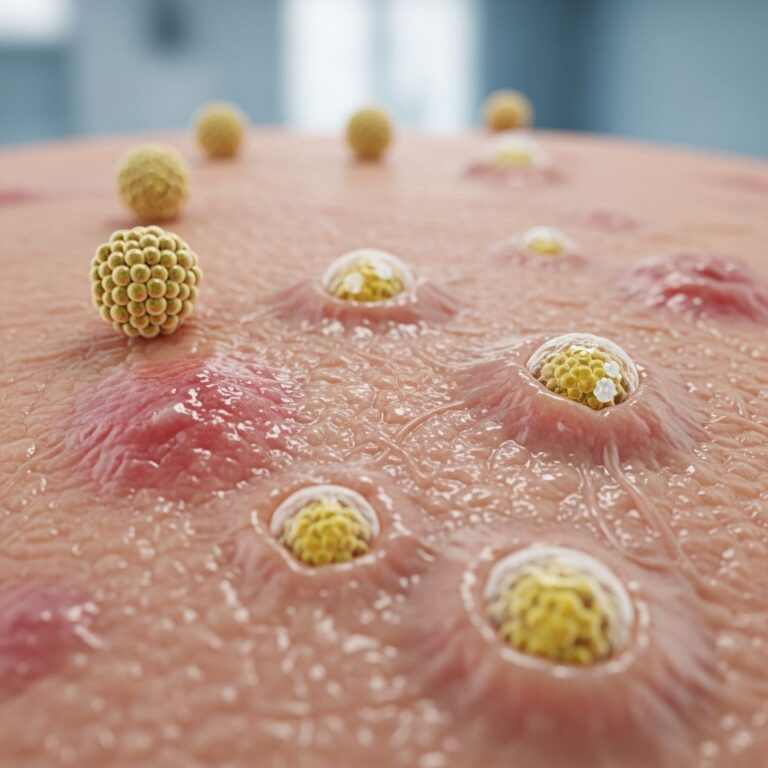
Acne vulgaris is a prevalent inflammatory skin disorder triggered by clogged pores from excess oil, dead skin cells, and bacteria like Cutibacterium acnes, resulting in pimples, redness, swelling, and potential scarring. Affecting up to 50% of adolescents and 15-30% of adults in North America, it manifests as blackheads, whiteheads, papules, pustules, or cysts.
Post-acne effects include post-inflammatory hyperpigmentation (dark spots) and scars from improper healing, influenced by severity, genetics, and delayed treatment.
Benefits of Vitamin C for Acne-Prone Skin
Topical vitamin C targets multiple acne aspects without evidence linking dietary intake directly to reduced breakouts, though it supports overall skin health via collagen synthesis and wound healing.
May Reduce Acne-Related Inflammation
Vitamin C’s anti-inflammatory properties combat redness and swelling from acne. A 12-week study of 50 participants using 5% sodium ascorbyl phosphate (SAP) lotion saw 61% achieve significant lesion improvements versus controls. An 8-week study in 30 people reported 48.8% lesion reduction with 5% SAP alone and 63.1% with added 2% retinol.
These findings suggest vitamin C mitigates C. acnes-induced inflammation, though larger studies are required.
Helps Fade Acne Scars
Vitamin C boosts collagen production, essential for skin structure and repairing acne damage. A 4-week study combining weekly microneedling with 15% vitamin C cream showed moderate scar improvements in 30 participants.
Acne scars are atrophic (indented from collagen loss) or hypertrophic/keloid (raised from excess collagen); vitamin C accelerates wound healing for both.
May Reduce Hyperpigmentation
Post-acne dark spots arise from melanin overproduction. Vitamin C inhibits tyrosinase, the melanin-producing enzyme, lightening hyperpigmentation from acne, UV exposure, or injury.
Studies combining vitamin C with iontophoresis or alpha-hydroxy acids show promise, but standalone topical effects need more isolation in research.
Best Forms of Vitamin C for Acne
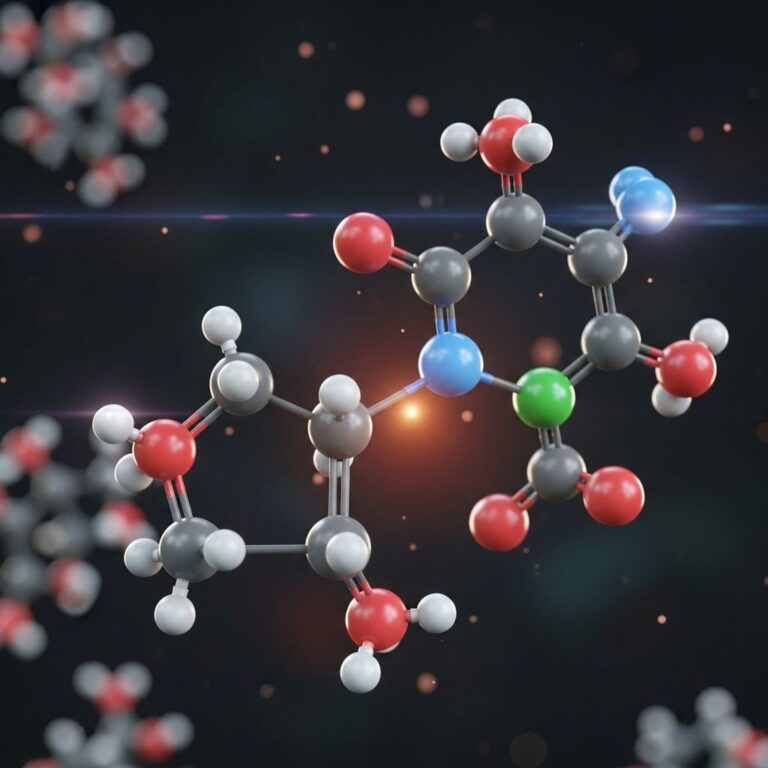
Not all vitamin C is equal for skin; stability and penetration matter. L-ascorbic acid (pure form) is potent but unstable and irritating for sensitive skin.
- Sodium Ascorbyl Phosphate (SAP): Stable, gentle; effective at 5% for lesions per studies.
- Magnesium Ascorbyl Phosphate: Mild, hydrating option for acne-prone skin.
- Ascorbyl Glucoside: Stable derivative converting to vitamin C on skin.
- Tetrahexyldecyl Ascorbate: Oil-soluble, deep-penetrating for scars.
Opt for serums with 10-20% concentration, pH below 3.5 for efficacy, in opaque, airtight packaging.
How to Use Vitamin C for Acne
Incorporate vitamin C into routines cautiously, especially for acne-prone or sensitive skin.
- Cleanse face with gentle cleanser.
- Tone if desired.
- Apply vitamin C serum (3-4 drops) to dry skin; wait 5 minutes.
- Follow with moisturizer, then SPF 30+ daytime.
- Use morning; pair with retinol at night if tolerated.
Patch-test first. Start 2-3 times weekly, building tolerance. Expect 4-12 weeks for results.
Combination Therapies
Enhance effects with niacinamide (calms inflammation), retinoids (unclogs pores), or benzoyl peroxide (kills bacteria). Avoid mixing with high-strength acids initially to prevent irritation.
Related Stories



Potential Side Effects and Precautions
Topical vitamin C is generally safe but may cause stinging, redness, or dryness, especially L-ascorbic acid on compromised barriers.
- Sensitive skin: Choose derivatives like SAP; dilute if needed.
- Pregnancy: Topical use safe; consult doctor for oral supplements.
- No comedogenic risk; prevents sebum oxidation.
Discontinue if severe irritation occurs; no evidence it causes breakouts.
Dietary Vitamin C and Acne
While topical shines for acne, dietary vitamin C (citrus, peppers, broccoli) supports immunity, collagen, and photodamage protection but lacks direct acne reduction evidence. Aim for 75-90mg daily RDA.
What the Experts Say
Dermatologists endorse topical vitamin C as adjunctive for acne-prone skin, praising its antioxidant, anti-inflammatory benefits for post-acne marks, but stress professional guidance over standalone use.
Bottom Line
Topical vitamin C offers multifaceted acne support—curbing inflammation, fading scars and pigmentation—best in stable forms like SAP serums. Combine with proven treatments; consult dermatologists for personalized plans. Dietary intake bolsters skin health generally.
Frequently Asked Questions (FAQs)
Is vitamin C serum good for acne-prone skin?
Yes, it reduces inflammation, scars, and dark spots without clogging pores.
Can vitamin C cause acne breakouts?
No evidence; it may prevent sebum oxidation linked to comedones.
How long until vitamin C improves acne scars?
Visible changes in 4-12 weeks with consistent use.
Should I take oral vitamin C for acne?
Not directly effective for acne; benefits skin health indirectly.
What’s the best vitamin C for sensitive acne skin?
Sodium or magnesium ascorbyl phosphate for gentleness.
References
- Vitamin C for Acne: Benefits and Uses — Healthline. 2023-10-15. https://www.healthline.com/nutrition/vitamin-c-for-acne
- Vitamin C for acne-prone skin | Curology — Curology. 2024-05-20. https://curology.com/blog/is-vitamin-c-good-for-acne-everything-you-need-to-know/
- What to Know About Vitamin C Serum for Acne — WebMD. 2024-02-10. https://www.webmd.com/beauty/what-to-know-about-vitamin-c-serum-for-acne
- The Roles of Vitamin C in Skin Health — PMC (PubMed Central). 2017-08-12. https://pmc.ncbi.nlm.nih.gov/articles/PMC5579659/
- The role of vitamin C on the skin — PMC (PubMed Central). 2024-09-01. https://pmc.ncbi.nlm.nih.gov/articles/PMC12339815/
Similar Articles








Read full bio of Sneha Tete