Does Volume Eating Help You Lose Weight?
Explore how volume eating promotes weight loss by prioritizing low-calorie, high-volume foods for satiety and nutrition without constant hunger.
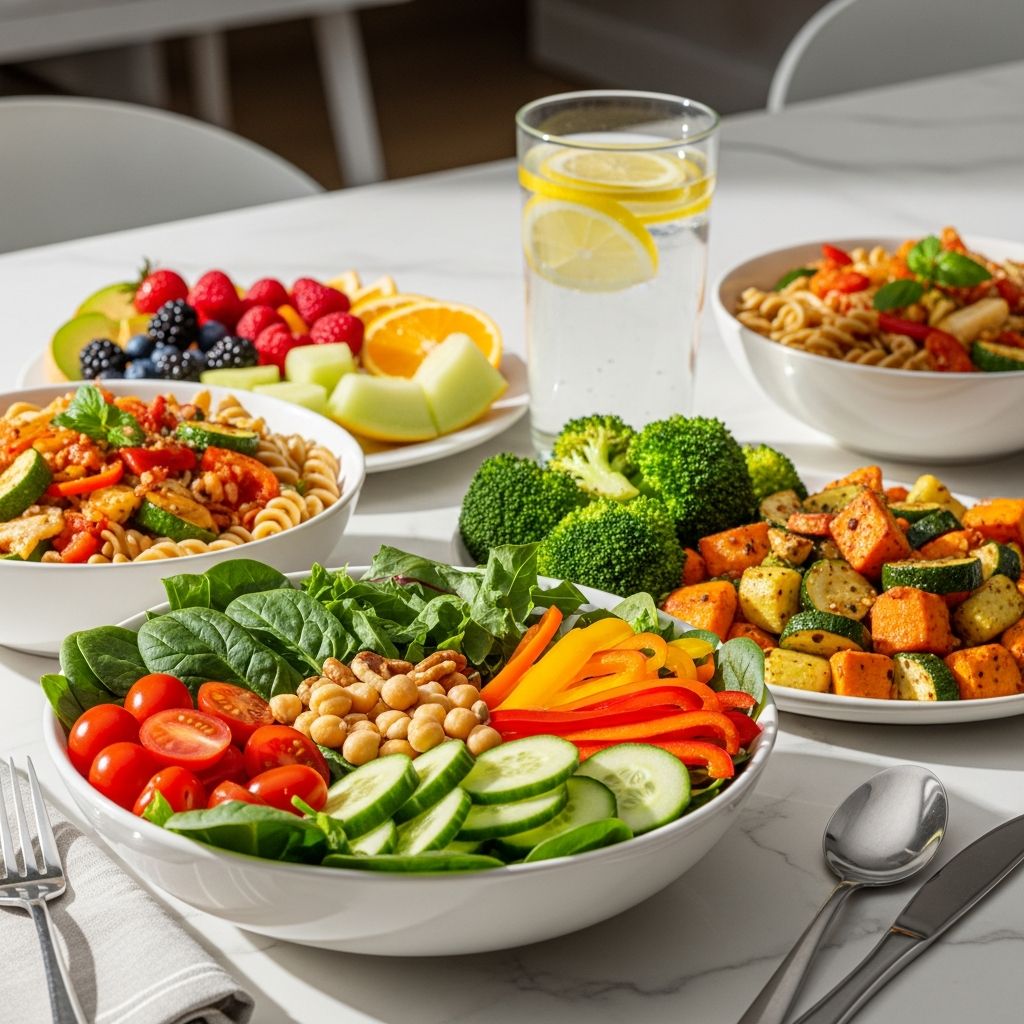
Volume eating is a dietary strategy that emphasizes consuming large quantities of low-calorie, high-volume foods rich in water and fiber, such as fruits and vegetables, to promote fullness while maintaining a calorie deficit for weight loss. This approach allows individuals to eat satisfying portions without the deprivation often associated with traditional calorie-restricted diets, potentially making it easier to sustain long-term.
What Is Volume Eating?
Volume eating, also known as low-energy-density eating, involves prioritizing foods that are high in volume but low in calories per serving, primarily those with high water and fiber content. Registered dietitians explain it as filling your plate with nutrient-dense produce like leafy greens, berries, and zucchini, which expand in the stomach to signal fullness without exceeding daily calorie needs.
Unlike restrictive diets that eliminate food groups, volume eating encourages larger portions of wholesome foods while moderating higher-calorie items like nuts, oils, and sweets. For instance, swapping regular pasta for a mix of zucchini noodles and whole-grain pasta increases meal volume without spiking calories. This method leverages the body’s satiety signals from fiber and water, helping to naturally reduce overall intake.
The core principle stems from research on energy density: foods under 1.0 kcal/g (e.g., most vegetables) allow bigger bites and fuller feelings compared to dense foods over 2.5 kcal/g like cookies or cheese. A 2018 study in the Journal of Nutrition found women on a 14-week volume eating program lost 2.42% more body weight than those on standard plans, with greater satisfaction and fewer cravings.
How Does Volume Eating Work for Weight Loss?
Weight loss fundamentally requires a calorie deficit—burning more calories than consumed—but volume eating makes this sustainable by tricking the stomach into feeling full. High-fiber, water-rich foods slow digestion, stabilize blood sugar, and curb hunger hormones like ghrelin.
In practice, you categorize foods into three groups:
- High-volume, low-calorie (unlimited): Non-starchy veggies (spinach, cucumbers), fruits (berries, apples), and broth-based soups.
- Medium-volume, moderate-calorie (controlled portions): Whole grains (oats, quinoa), lean proteins (chicken breast, egg whites), and legumes.
- Low-volume, high-calorie (limited): Avocados, nuts, oils, and desserts—enjoyed sparingly.
A Mayo Clinic guide supports this by recommending low-density foods to feel full on fewer calories, aligning with volume eating’s framework. Studies show plant-heavy diets like this improve metabolic health and reduce risks of diabetes and heart disease.
Benefits of Volume Eating
Volume eating offers multiple advantages beyond weight loss, enhancing overall nutrition and adherence.
Increased Nutrient Intake
By emphasizing fruits and vegetables, you boost vitamins, minerals, antioxidants, and fiber—key for gut health, immunity, and disease prevention. “Eat the rainbow” for diverse nutrients: orange bell peppers for vitamin C, dark leafy greens for iron. High fiber aids digestion and meets the 30g daily recommendation, trending as ‘fibremaxxing’ for colon health.
Sustainable Weight Loss
Maintaining a deficit feels effortless with larger plates; participants in studies reported higher motivation and ease. Plant-based focus supports metabolic improvements without calorie counting obsession.
Related Stories



Reduced Cravings and Better Satisfaction
Fiber slows digestion, prolonging fullness and minimizing snacking. Women in trials experienced fewer cravings, attributing it to voluminous, satisfying meals.
Improved Overall Health
Lower processed food intake cuts risks of obesity, cardiovascular disease, and cancer linked to ultra-processed diets.
Potential Downsides of Volume Eating
While promising, volume eating isn’t flawless and requires balance to avoid pitfalls.
Risk of Nutrient Imbalances
Over-relying on low-calorie foods might skimp on protein, healthy fats, and carbs, leading to muscle loss, fatigue, or deficiencies. Protein and fats are essential for hormones, energy, and satiety—don’t eliminate them.
Over-Restriction and Disordered Eating
Hyper-focus on calories or portions can foster unhealthy habits, especially for those with eating disorder history; consult professionals. Mindful and intuitive eating principles help maintain balance.
Processed Low-Calorie Traps
Not all low-calorie items are nutritious—avoid sugary protein bars, high-sodium frozen meals, or flavored cereals. Prioritize whole foods for true benefits.
Unsustainability for Some
Calorie awareness is key but shouldn’t dominate; higher-calorie nutrient-rich foods like nuts belong in moderation.
Best Foods for Volume Eating
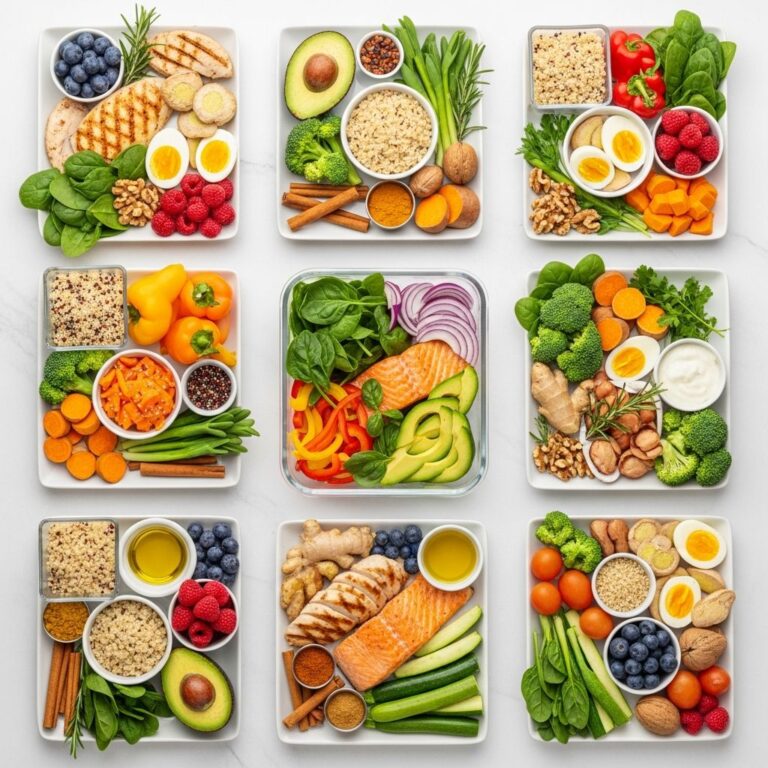
Focus on these high-volume heroes (under 50 kcal per cup) to bulk meals:
| Category | Examples | Calories per Cup (approx.) | Benefits |
|---|---|---|---|
| Vegetables | Spinach, lettuce, cucumber, celery, zucchini, broccoli, cauliflower, mushrooms | 10-45 | High water/fiber, vitamins |
| Fruits | Strawberries, watermelon, cantaloupe, apples, oranges, grapefruit | 40-50 | Hydration, antioxidants |
| Proteins | Egg whites, shrimp, cod, nonfat Greek yogurt, cottage cheese | 40-100 (adjusted portions) | Satiety without density |
| Grains/Other | Air-popped popcorn, puffed rice, oatmeal (made with water) | 30-100 | Filling bulk |
Source approximations from general nutritional data. Pair with moderate proteins like grilled chicken or tofu.
Volume Eating Meal Ideas
Breakfast: Veggie-packed omelet with spinach, tomatoes, mushrooms, and egg whites; side of berries (under 300 kcal, huge volume).
Lunch: Giant salad with mixed greens, cucumber, carrots, bell peppers, turkey breast, and fat-free dressing.
Dinner: Zucchini noodle stir-fry with shrimp, broccoli, and herbs.
Snacks: Apple slices with nonfat yogurt, celery sticks, or watermelon.
Start half your plate with veggies, add lean protein, and season boldly to enhance flavor without calories.
Frequently Asked Questions (FAQs)
Is volume eating healthy long-term?
Yes, if balanced with proteins, fats, and carbs for complete nutrition; it promotes whole foods and fiber for health.
Can volume eating cause weight gain?
No, if it maintains a deficit, but overeating even low-cal foods or skipping macros can stall progress.
How much weight can you lose with volume eating?
Varies by individual factors like metabolism; studies show ~2-5% body weight in 3 months with adherence.
Do I need to count calories?
Not obsessively—focus on food types and portions; apps help initially.
Is it suitable for everyone?
Best for most, but consult a doctor if you have ED history or medical conditions.
Who Should Try Volume Eating?
Ideal for those bored with restriction, seeking sustainable habits, or loving produce. Combine with exercise and track progress safely. Dietitians recommend personalization via professional guidance.
References
- Volume Eating: Pros, Cons, And Foods To Try, According To Experts — Women’s Health Mag. 2023-10-01. https://www.womenshealthmag.com/weight-loss/a45426613/volume-eating/
- What is Volume Eating? A Registered Dietitian Explains — Hone Health. 2024-05-15. https://honehealth.com/edge/volume-eating/
- Volume eating: Pros, cons, and foods to try — Medical News Today. 2023-08-20. https://www.medicalnewstoday.com/articles/volume-eating
- How to lose weight by eating more: the science behind volume eating — BBC Good Food. 2024-02-10. https://www.bbcgoodfood.com/health/how-to-lose-weight-by-eating-more-the-science-behind-volume-eating
- Weight loss: Feel full on fewer calories — Mayo Clinic. 2025-01-01. https://www.mayoclinic.org/healthy-lifestyle/weight-loss/in-depth/weight-loss/art-20044318
Similar Articles








Read full bio of Sneha Tete