Does Watermelon Help You Poop? Key Insights For Better Digestion
Discover if watermelon can relieve constipation and improve digestion with its hydrating water content and fiber.
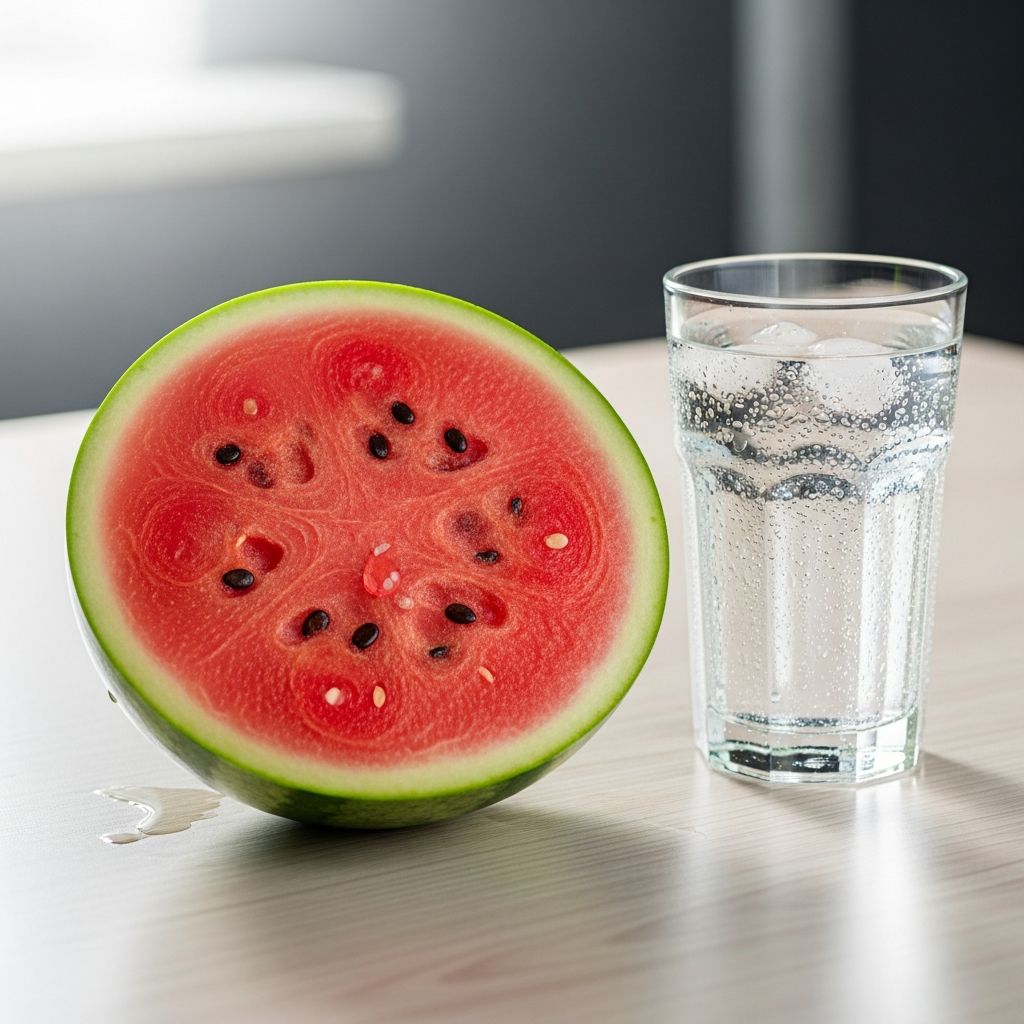
Watermelon, a refreshing summer fruit composed of 92% water, may support digestive health and promote regular bowel movements due to its hydration properties and modest fiber content.
How Watermelon Supports Digestion
Watermelon’s digestive benefits stem primarily from its high water content and dietary fiber. These elements work together to facilitate smooth movement through the digestive tract. Fiber adds bulk to stool, while water softens it, preventing constipation.
The fruit provides about 4% of the daily value (DV) of fiber per serving, which helps maintain bowel regularity. Watermelon keeps food moving efficiently in the gut, allowing proper nutrient absorption. Plant compounds like polyphenols also nourish beneficial gut bacteria, easing digestion and potentially boosting immunity.
Nutritional Profile of Watermelon
One cup (152 grams) of diced watermelon delivers essential nutrients with low calories. Key components include:
- Vitamin C: 14% DV, supporting immune function and antioxidant protection.
- Potassium: 4% DV (170 mg per serving), aiding fluid balance and muscle function.
- Magnesium: 4% DV, contributing to overall health.
- Citrulline: An amino acid that may enhance blood flow and reduce muscle soreness.
- Lycopene and other antioxidants: Higher than in tomatoes, fighting inflammation and oxidative stress.
These nutrients make watermelon a nutrient-dense choice for digestion and beyond, with its low calorie profile supporting weight management.
Water Content and Hydration for Gut Health
Hydration is crucial for digestion, as even mild dehydration can lead to constipation. Watermelon, at 92% water, helps replenish fluids, supporting bowel movements and nutrient delivery.
Adequate hydration regulates body temperature, organ function, and waste elimination. Consuming high-water fruits like watermelon post-exercise restores electrolytes and quenches thirst effectively.
Fiber’s Role in Regularity
Though not the highest-fiber fruit, watermelon’s combination of soluble and insoluble fiber promotes healthy digestion. Fiber increases stool bulk and frequency, while water ensures smooth transit.
Studies suggest fruits with both fiber and water, like watermelon, are particularly effective for normal bowel movements.
Other Health Benefits of Watermelon
Heart Health
Citrulline in watermelon boosts nitric oxide, relaxing blood vessels and potentially lowering blood pressure. Lycopene and antioxidants reduce inflammation, supporting cardiovascular health.
One study found watermelon extract lowered blood pressure in adults with hypertension.
Muscle Recovery and Exercise Performance
Citrulline improves blood flow, reducing muscle soreness after workouts. Regular intake enhances aerobic performance by easing heart workload.
Watermelon itself, beyond supplements, aids post-exercise recovery.
Anti-Inflammatory Effects
Antioxidants like lycopene, vitamin C, and cucurbitacin E combat oxidative stress and inflammation, key drivers of chronic diseases.
Weight Management and Satiety
Low-calorie and high-water, watermelon promotes fullness. A study showed participants eating watermelon instead of cookies had lower hunger, BMI, and blood pressure.
Related Stories



Blood Sugar Control
Despite a high glycemic index, watermelon’s low glycemic load (5) means minimal blood sugar spikes. It’s suitable for steady glucose levels.
A study in diabetic mice found watermelon juice lowered blood glucose and shifted gut microbiome positively.
Immune Support
Vitamin C and polyphenols bolster immunity and gut health by fueling beneficial bacteria.
Potential Drawbacks and Precautions
Watermelon is generally safe, but its natural sugars may affect those with diabetes—consume in moderation. Seeds and rind should be avoided if limiting fiber.
Those with digestive sensitivities might experience loose stools from high water content. Always consult a doctor for persistent issues.
How Much Watermelon Should You Eat for Digestion?
Aim for 1-2 cups daily as part of a balanced diet. Pair with other fiber-rich foods for optimal results. Fresh is best; blends including rind may enhance benefits per ongoing research.
Watermelon Recipes for Gut Health
Simple Watermelon Salad: Dice watermelon, add feta, mint, and lime. Hydrating and fiber-boosting.
Smoothie: Blend watermelon, yogurt, and chia seeds for fiber and probiotics.
Post-Workout Snack: Sprinkle salted watermelon chunks for electrolyte replenishment.
Frequently Asked Questions (FAQs)
Does watermelon make you poop immediately?
Not immediately, but its water and fiber can promote regularity within hours to days.
Is watermelon good for constipation?
Yes, the hydration and fiber combo helps soften stool and ease passage.
Can watermelon cause diarrhea?
In excess, its laxative effect from water and sorbitol may loosen stools, especially for sensitive guts.
How much fiber is in watermelon?
About 0.6g per cup, providing 4% DV—modest but effective with water.
Is watermelon rind edible and beneficial?
Yes, rind contains more citrulline and fiber; studies explore its role in satiety and digestion.
Expert Insights on Watermelon and Gut Health
Experts note watermelon’s role in a balanced diet for digestion. “Watermelon could be part of keeping you healthier longer,” per Cleveland Clinic.
Research, including animal studies, supports microbiome shifts favoring digestion.
References
- Top Health Benefits of Eating Watermelon — Healthline. 2023. https://www.healthline.com/nutrition/watermelon-health-benefits
- Nutrition Facts and Health Benefits of Watermelon — National Watermelon Promotion Board. 2024. https://www.watermelon.org/the-slice/nutrition-facts-and-health-benefits-of-watermelon/
- Health Benefits of Watermelon — Cleveland Clinic. 2023-06-21. https://health.clevelandclinic.org/benefits-of-watermelon
- Drinking Watermelon Juice Shift the Gut Microbiome in Diabetic… — PMC (NCBI). 2019-06-15. https://pmc.ncbi.nlm.nih.gov/articles/PMC6573957/
- The wonders of watermelon — Mayo Clinic Health System. 2023. https://www.mayoclinichealthsystem.org/hometown-health/speaking-of-health/the-wonders-of-watermelon
Similar Articles








Read full bio of medha deb