Does Whey Protein Cause Acne? What You Need to Know
Discover the connection between whey protein supplements and acne breakouts in this comprehensive guide.
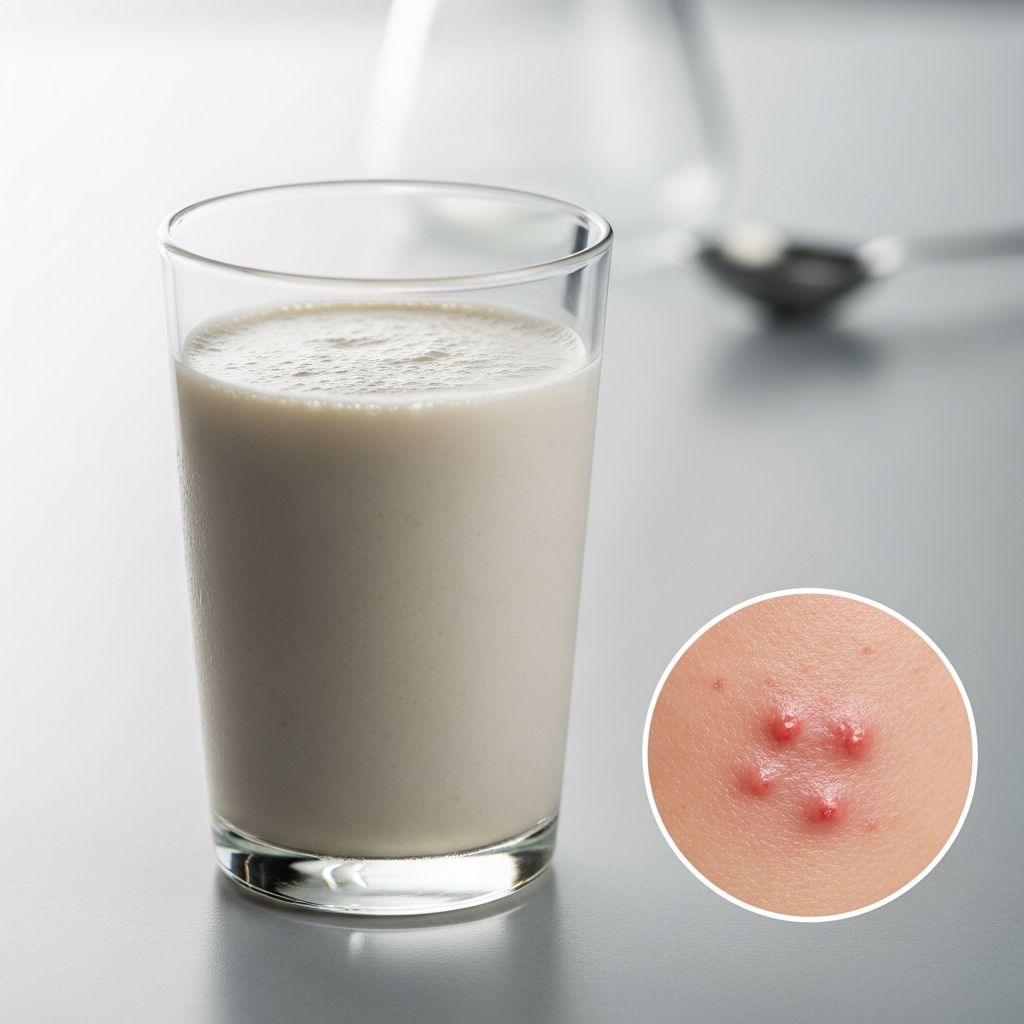
Does Whey Protein Cause Acne?
Whey protein supplements have become increasingly popular among athletes, fitness enthusiasts, and individuals seeking to build muscle mass. However, a growing body of scientific evidence suggests a potential link between whey protein consumption and acne development. Research indicates that people who consume whey protein are approximately three times more likely to develop acne compared to those who do not use these supplements. While the relationship between whey protein and acne isn’t universal—some people can consume these supplements without experiencing skin issues—understanding the potential connection is important for anyone considering whey protein as part of their fitness regimen.
What Is Whey Protein?
Whey protein is a complete protein derived from milk during cheese production. It contains all nine essential amino acids, making it a popular choice for muscle building and recovery. Whey protein is composed of higher levels of essential amino acids compared to other protein sources, which is why it’s favored in the fitness community. The protein is typically sold as a dietary supplement in powder form and is widely consumed by bodybuilders, athletes, and individuals engaged in strength training programs.
The Scientific Evidence Linking Whey Protein to Acne
Multiple scientific studies have documented a relationship between whey protein supplementation and acne vulgaris. A significant case-control study involving 100 acne-affected participants and 101 healthy controls found that considerably more acne patients (47%) were taking whey protein supplements compared to the control group (27.7%). After multivariate analysis, researchers determined that participants consuming whey protein had approximately 2.94 times higher odds of developing acne compared to non-consumers.
Additional case reports have documented acne outbreaks specifically associated with whey protein use. One clinical series reported six consecutive male patients aged 16 to 18 years who developed acne lesions on their trunk after beginning whey protein supplementation for bodybuilding purposes. Most notably, patients in these studies experienced significant improvement in their acne shortly after discontinuing whey protein supplements, suggesting a direct causal relationship rather than mere coincidence.
How Does Whey Protein Trigger Acne?
The mechanism by which whey protein contributes to acne development involves several biological pathways:
Insulin-Like Growth Factor (IGF-1) Activation
One primary mechanism involves insulin-like growth factor 1 (IGF-1), a molecule present in milk and its derivatives. IGF-1 stimulates the growth and division of epidermal cells, increases sebum production, and elevates androgen levels—all factors that contribute to acne development. Whey protein, being derived from milk, contains compounds that can increase IGF-1 levels in the body, potentially triggering or exacerbating acne in susceptible individuals.
Hormonal Effects
Whey protein powders may increase hormone levels in the body for some people, which can trigger acne breakouts. The protein stimulates 5α-reductase activity and androgen synthesis, processes that activate sebaceous gland activity and contribute to acne formation. Additionally, these hormonal changes can increase keratinocyte proliferation and sebum production—key factors in acne pathogenesis.
High Glycemic Load
Many whey protein supplements contain added sugars and have a high glycemic load, which research has shown may trigger acne outbreaks. The combination of whey protein’s hormonal effects and high glycemic content creates an environment conducive to acne development in vulnerable individuals.
Who Is Most Likely to Develop Acne from Whey Protein?
While whey protein can trigger acne in some individuals, not everyone who consumes these supplements will experience breakouts. Several factors influence susceptibility:
- Age: Adolescents and young adults appear most vulnerable, as demonstrated by case reports of acne development in teenagers consuming whey protein supplements.
- Genetic predisposition: Individuals with a family history of acne are more likely to experience acne triggered by whey protein consumption.
- Baseline skin condition: Those already prone to acne are more likely to experience worsening with whey protein use.
- Dosage and duration: Higher intakes and longer consumption periods appear associated with greater acne risk.
- Individual sensitivity: Some people’s bodies are simply more reactive to the hormonal and metabolic effects of whey protein.
Related Stories



Acne Location and Whey Protein Use
Interestingly, acne triggered by whey protein supplements often presents in specific locations on the body. Clinical observations indicate that whey protein-induced acne frequently appears on the trunk, particularly the chest and back, rather than exclusively on the face. This pattern may be associated with increased friction, perspiration, and heat retention in these areas when individuals are actively exercising while taking protein supplements. This distinctive presentation can help individuals identify whether their acne outbreak is related to whey protein consumption.
Timeline of Acne Development
Research shows that acne related to whey protein supplementation typically develops within a specific timeframe after beginning supplement use. Case studies indicate that patients generally notice the onset of acneiform lesions approximately 3.1 months after starting whey protein supplementation. However, some individuals may experience acne development more rapidly or gradually, depending on their individual sensitivity and the dosage consumed. The increase in acne lesions appears most significant during the first month of supplement use, with the rate of new lesion formation potentially decreasing over subsequent months.
Clinical Outcomes and Discontinuation
One of the most compelling pieces of evidence supporting a causal link between whey protein and acne is the rapid improvement observed when individuals discontinue these supplements. Patients who stopped taking whey protein supplements experienced mild to moderate improvement in their acne lesions, often within weeks of discontinuation. In several documented cases, patients who initially continued whey protein supplementation while undergoing acne treatment showed less improvement compared to those who discontinued the supplements, suggesting that discontinuation may be more beneficial than topical or systemic acne medications alone.
Alternative Protein Sources for Muscle Building
For individuals who develop acne from whey protein but wish to continue building muscle mass, several alternative protein sources are available:
- Casein protein: While derived from milk, some research suggests it may be less acnegenic than whey protein, though evidence is limited.
- Plant-based proteins: Pea protein, hemp protein, and rice protein are non-dairy alternatives that may not trigger the same hormonal responses as whey.
- Whole food sources: Eggs, chicken, fish, legumes, nuts, and seeds provide complete proteins without the concentrated bioactive compounds in whey protein supplements.
- Egg white protein powders: These offer a dairy-free alternative with a favorable amino acid profile for muscle building.
- Beef protein isolate: Derived from beef, this alternative provides complete amino acids without whey’s acnegenic properties.
Research Limitations and Future Studies
While existing research demonstrates a significant association between whey protein supplementation and acne development, scientists acknowledge several limitations. Most studies to date have been case reports or case-control studies involving relatively small patient populations. Researchers call for larger prospective studies that include measurement of insulin and IGF-1 levels to better understand the biological mechanisms underlying whey protein-induced acne. Additionally, most research has focused on male participants, suggesting the need for studies examining whether females experience similar acne responses to whey protein consumption.
Managing Acne While Using Whey Protein
For individuals who wish to continue using whey protein supplements despite the acne risk, several management strategies may help:
- Choose low-sugar formulations: Select whey protein products with minimal added sugars to reduce glycemic load.
- Reduce dosage: Using smaller amounts of whey protein may decrease acne risk while still supporting muscle-building goals.
- Improve hygiene: Shower promptly after workouts and wear breathable clothing to reduce friction and perspiration accumulation.
- Topical acne treatments: Use evidence-based acne medications such as benzoyl peroxide, salicylic acid, or retinoids alongside protein supplementation.
- Monitor skin response: Keep detailed records of acne severity in relation to protein supplementation to identify individual patterns.
- Consider timing: Some individuals may experience better tolerance taking whey protein at specific times, though evidence is primarily anecdotal.
What Dermatologists Recommend
Dermatologists advise patients to consider discontinuing whey protein supplements if they experience acne breakouts, particularly in cases where acne is treatment-resistant or severe. For athletes and fitness enthusiasts, the decision to use whey protein should involve weighing the muscle-building benefits against potential skin health consequences. Healthcare providers recommend that individuals with acne-prone skin discuss whey protein use with their dermatologist before starting supplementation and monitor their skin closely during use.
Frequently Asked Questions (FAQs)
Q: Does all whey protein cause acne?
A: No, not everyone who uses whey protein will develop acne. Individual sensitivity varies based on genetics, age, baseline skin condition, and other factors. However, research shows that whey protein users have a significantly higher risk of developing acne compared to non-users.
Q: How long does it take for whey protein to cause acne?
A: Clinical cases show that acne typically develops approximately 3.1 months after starting whey protein supplementation, though this timeline varies among individuals. Some people may experience acne sooner, while others may take longer to develop symptoms.
Q: Does stopping whey protein clear acne?
A: In most documented cases, acne improves significantly after discontinuing whey protein supplements. Patients typically experience noticeable improvement within weeks of stopping supplementation, particularly when discontinuation is combined with standard acne treatments.
Q: Is casein protein better than whey protein for acne?
A: While casein is also milk-derived, limited evidence suggests it may be less acnegenic than whey protein. However, research on casein-induced acne is minimal, and individual responses vary significantly.
Q: Can I use whey protein if I have acne-prone skin?
A: Individuals with acne-prone skin have a higher risk of developing acne from whey protein supplementation. Consultation with a dermatologist before use is recommended, and close monitoring of skin response is essential if you choose to use these supplements.
Q: Are plant-based protein powders safer for acne?
A: Plant-based proteins like pea, hemp, and rice protein do not contain the milk-derived compounds that trigger acne in whey protein. However, individual responses vary, and some plant-based products may contain acne-triggering ingredients or high glycemic loads.
Q: Should athletes stop using whey protein altogether?
A: The decision to use whey protein should be individualized. Athletes who develop acne from whey protein should consider discontinuing it or switching to alternatives. Those without acne sensitivity may continue using whey protein as an effective muscle-building supplement.
References
- The Effect of Whey Protein Supplements on Acne Vulgaris among Young Adults — National Center for Biotechnology Information (NCBI). 2024. https://pmc.ncbi.nlm.nih.gov/articles/PMC11022506/
- Acne Located on the Trunk, Whey Protein Supplementation — National Center for Biotechnology Information (NCBI). 2017. https://pmc.ncbi.nlm.nih.gov/articles/PMC5350548/
Similar Articles








Read full bio of Sneha Tete