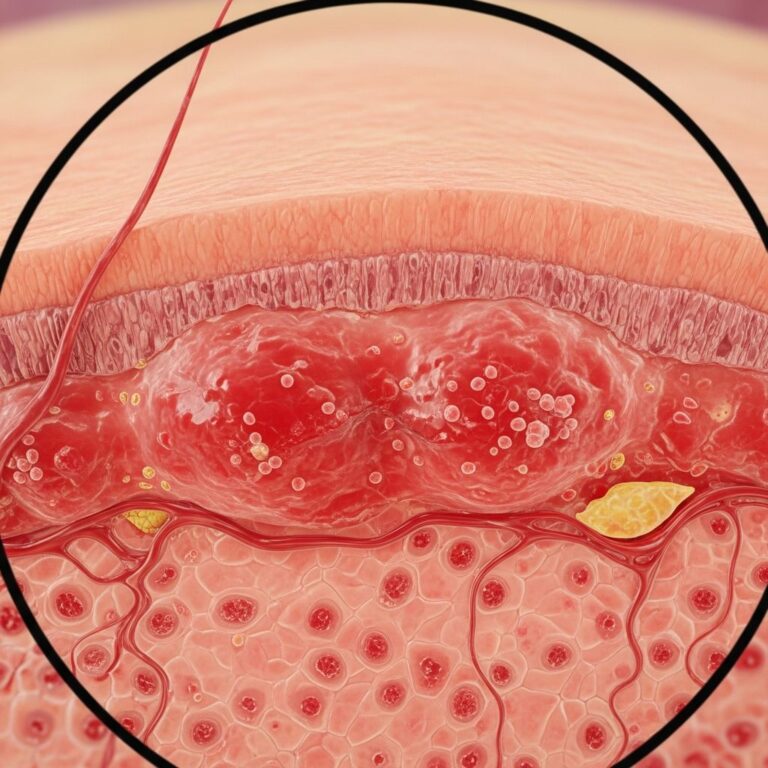
Does Wine Cause Inflammation? Evidence-Based Guide
Uncover whether wine sparks inflammation or offers benefits, backed by science on alcohol, polyphenols, and health impacts.

Wine, particularly red wine, has long been touted for potential health benefits, but its alcohol content raises concerns about inflammation. Research shows that while excessive alcohol triggers chronic inflammation, moderate wine intake—especially red varieties rich in polyphenols—may reduce inflammatory markers and support cardiovascular health.
What Is Inflammation?
Inflammation is the body’s natural immune response to injury or infection, involving cytokines—proteins that signal immune cells to fight threats. Acute inflammation aids healing, but chronic inflammation, driven by ongoing stressors like poor diet or excess alcohol, contributes to diseases such as heart disease and fatty liver.
Chronic low-grade inflammation occurs when the immune system remains activated, leading to tissue damage over time. Factors like gut permeability and microbiome disruption exacerbate this process.
Does Alcohol Cause Inflammation?
Yes, alcohol can promote inflammation, primarily through two mechanisms: increasing gut permeability (“leaky gut”), allowing toxins into the bloodstream, and disrupting the gut microbiome by damaging bacterial walls, releasing pro-inflammatory contents.
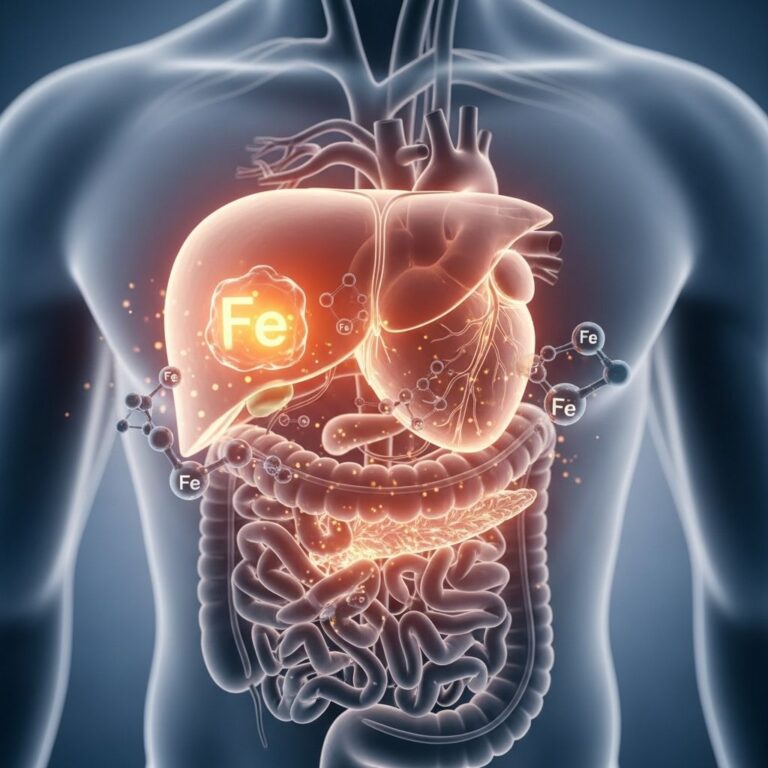
The liver metabolizes most alcohol, producing harmful byproducts that inflame the organ, potentially leading to alcoholic fatty liver disease—a precursor to hepatitis and cirrhosis. However, the response varies by amount consumed, individual health, hydration, sleep, and diet.
Does Wine Specifically Cause Inflammation?
Wine, like other alcohols, can contribute to inflammation if overconsumed, but red wine’s polyphenols (e.g., resveratrol, flavonoids) offer anti-inflammatory, antioxidant, and anti-thrombotic effects. Studies show moderate red wine intake improves antioxidant status, lipid profiles, and reduces markers like CRP, IL-6, and TNF-α.
Unlike hard liquors, dry red wine has higher polyphenol content and beneficial bacteria, making it the least inflammatory option among alcohols. Beer follows due to lower alcohol content, while barrel-aged spirits may worsen inflammation.
Potential Benefits of Moderate Wine Consumption
- Reduced Inflammation Markers: Moderate drinkers show 21% lower hazard ratios for high CRP, ICAM-1, and fibrinogen compared to abstainers or heavy drinkers.
- Cardiovascular Protection: Polyphenols enhance endothelial function, insulin sensitivity, and HDL cholesterol, lowering CVD risk.
- Antioxidant Boost: Red wine suppresses NF-κB activation and reduces oxidative stress post-meal, unlike other beverages.
- Gut Microbiota Support: Improves composition, countering alcohol’s disruptive effects.
Randomized trials confirm these benefits stem from polyphenols, not ethanol alone; de-alcoholized wines yield similar results.
Risks of Excessive Wine Consumption
Heavy intake amplifies inflammation, raising risks for heart disease, via elevated inflammatory proteins linked to heart failure and coronary syndromes. Liver damage progresses from fatty liver to failure without cessation.
Other effects include worsened insulin resistance, endothelial dysfunction, and immune dysregulation. Acute consumption shows no significant cytokine rise, but chronic excess does.
| Consumption Level | Inflammation Impact | Health Outcomes |
|---|---|---|
| Moderate (1 drink/day women, 2/day men) | ↓ Inflammatory markers (CRP, cytokines) | Improved CVD risk, antioxidants ↑ |
| Heavy/Excessive | ↑ Gut permeability, cytokines | Heart disease, liver damage ↑ |
| Abstainers | Baseline or higher markers | Potentially higher CVD risk vs. moderate |
How Much Wine Is Too Much?
Related Stories



Moderation is key: up to one 5-oz glass daily for women, two for men. Exceeding this shifts benefits to risks. Guidelines advise against starting alcohol for health; benefits are for existing moderate drinkers.
Factors influencing tolerance include genetics, gut/liver health, and lifestyle. Polyphenol-rich dry reds minimize harm.
Is Red Wine or White Wine Worse for Inflammation?
Red wine is preferable due to skin-contact polyphenols absent in white wine. Resveratrol in reds links to lower inflammation and clotting. Studies favor reds for metabolic improvements.
Does the Type of Wine Matter?
Yes—dry reds with high polyphenols (e.g., Cabernet Sauvignon) outperform sweeter or white varieties. Avoid high-alcohol or barrel-aged wines that intensify gut inflammation.
Tips to Minimize Inflammation from Wine
- Eat Before Drinking: Slows absorption; stomach absorbs 30% vs. 90% in intestines.
- Hydrate Well: Counters dehydration exacerbating inflammation.
- Choose Quality Reds: Prioritize polyphenol-rich options.
- Limit Frequency: Alternate with alcohol-free days.
- Pair with Anti-Inflammatory Foods: Polyphenol synergy from berries, nuts.
Who Should Avoid Wine Altogether?
- Those with liver disease, history of alcoholism, or inflammatory conditions (e.g., IBD).
- Pregnant individuals, youth under 21, or anyone on medications interacting with alcohol.
- “Sick quitters”—former heavy drinkers may skew abstainer data higher in inflammation studies.
Frequently Asked Questions (FAQs)
What does moderate wine consumption mean?
One standard drink (5 oz wine) per day for women; two for men. Exceeding risks inflammation.
Can wine ever reduce inflammation?
Yes, moderate red wine lowers CRP and cytokines via polyphenols, unlike other alcohols.
Is red wine healthier than beer or spirits?
Generally yes, due to antioxidants; beer is next, avoid high-proof liquors.
Does non-alcoholic wine have the same benefits?
Often yes, as polyphenols drive effects, confirmed in de-alcoholized trials.
How quickly does alcohol-induced inflammation reverse?
Reduces with moderation or abstinence; gut/liver recovery varies by damage extent.
Expert Insights on Wine and Long-Term Health
Experts like Dr. Anastasia Jandes emphasize personalization: baseline inflammation dictates response. While not prescribing alcohol, moderation with lifestyle factors mitigates risks. Aging increases inflammation vulnerability, making moderate wine’s potential protective role noteworthy, though causality needs more RCTs.
Public health balances: CVD guidelines discourage starting alcohol but note moderate patterns correlate with lower risks.
References
- Does Alcohol Cause Inflammation? Yes, But It’s Reversible — Hone Health. 2023. https://honehealth.com/edge/does-alcohol-cause-inflammation/
- Does a bit of alcohol turn off inflammation and improve health? — Oxford Academic (Ageing Journal). 2016-10-01. https://academic.oup.com/ageing/article/45/6/747/2499235
- Health Effects of Red Wine Consumption: A Narrative Review — PMC (PMC10146095). 2023. https://pmc.ncbi.nlm.nih.gov/articles/PMC10146095/
- Red wine and resveratrol: Good for your heart? — Mayo Clinic. 2023-05-04. https://www.mayoclinic.org/diseases-conditions/heart-disease/in-depth/red-wine/art-20048281
Similar Articles








Read full bio of Sneha Tete