Domestic Abuse Survivors More Likely to Develop Serious Mental Illness
Research reveals survivors of domestic abuse face significantly higher risks of PTSD, depression, anxiety, and other serious mental health disorders.
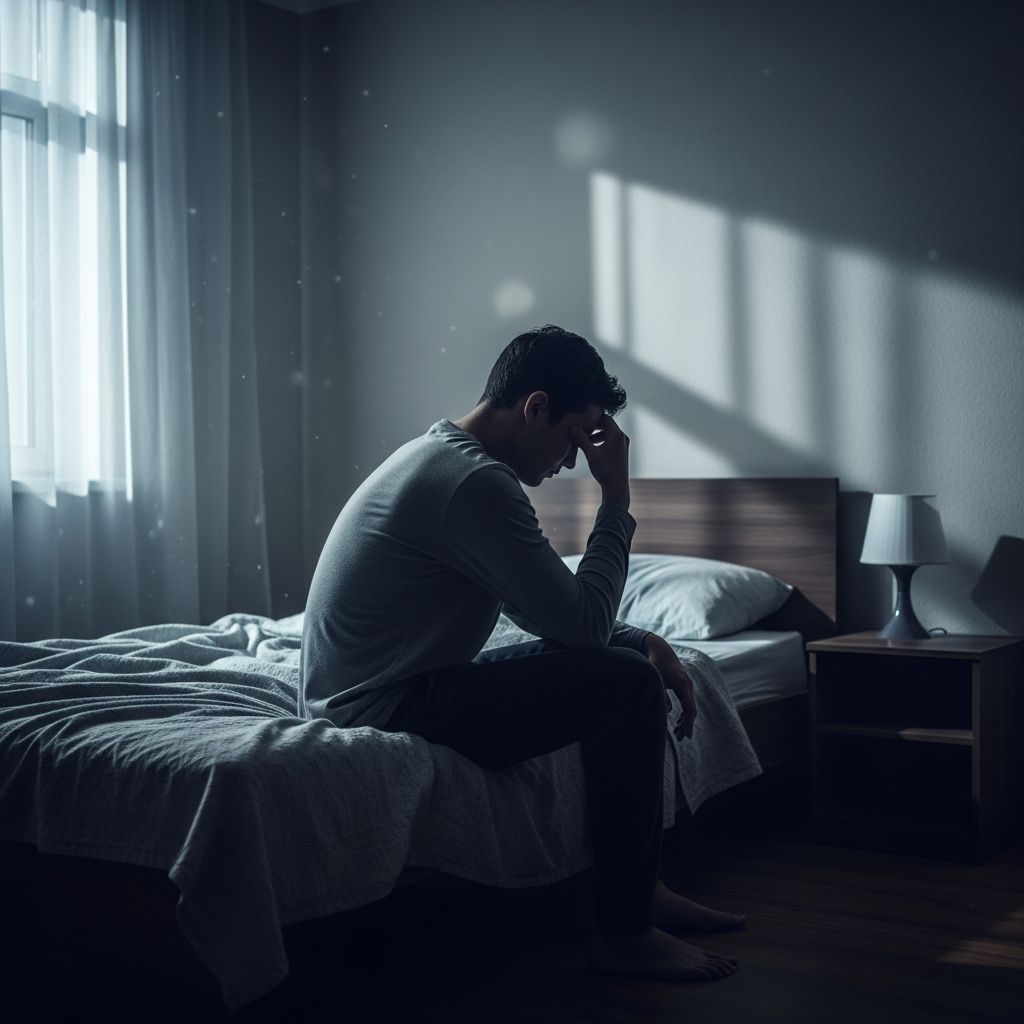
Survivors of domestic abuse face a dramatically elevated risk of developing serious mental health disorders, including post-traumatic stress disorder (**PTSD**), depression, and anxiety, with research showing risks up to seven times higher than in the general population.
This connection is bidirectional: domestic violence can trigger mental health issues, while pre-existing conditions may increase vulnerability to abuse. Studies consistently demonstrate that women experiencing intimate partner violence (**IPV**) report PTSD rates of 51-84%, depression at around 48-56%, and other disorders far exceeding community norms. Men show similar patterns, though severe repeated abuse is less common. Understanding this link is crucial for effective support and intervention.
What is Domestic Abuse?
Domestic abuse, also known as intimate partner violence (**IPV**), encompasses physical, emotional, psychological, sexual, or financial harm inflicted by a partner or family member. It often involves coercive control, isolation, and repeated victimization, leading to profound psychological trauma.
Psychological abuse—such as humiliation, threats, or gaslighting—is particularly damaging, independently predicting PTSD and depression even after accounting for physical violence. A community sample of 94 IPV victims found 57.4% met PTSD criteria and 56.4% for depression, rates comparable to shelter populations but far above general estimates (PTSD: 10%, depression: 7%).
The Mental Health Impact: Key Statistics
Research from the UK’s National Institute for Health Research reveals stark disparities:
- Women with depressive disorders are
2.5 times
more likely to have experienced partner violence. - Anxiety disorder sufferers face
3.5 times
the risk. - PTSD patients are
7 times
more likely to report domestic abuse.
Other conditions like eating disorders, OCD, schizophrenia, and bipolar disorder also correlate strongly. In battered women, PTSD prevalence reaches a weighted mean of
64%
(range 31-84%), and major depression48%
, both chronic even post-escape. Substance abuse affects 18-24% of survivors, versus 5-2% in the general population.| Disorder | Prevalence in IPV Survivors | General Population |
|---|---|---|
| PTSD | 51-84% (mean 64%) | 10-12% |
| Depression | 48-56% | 7% |
| Alcohol Dependence | 18.1% | 5% |
| Drug Dependence | 6.4% | 2% |
Suicidal ideation is
3.5 times
higher among abused women. Nearly half of survivors meet criteria for multiple disorders, with high comorbidity between PTSD and depression (r = .67). Severe symptoms persist for years, even without revictimization.Why Does Domestic Abuse Lead to Mental Illness?
Domestic abuse disrupts neurobiology, fostering chronic stress responses akin to combat trauma. Psychological abuse erodes self-worth, leading to isolation and helplessness. Physical injuries compound this, but emotional tactics like stalking uniquely predict worse outcomes.
Pre-existing mental health issues may attract abusers who exploit vulnerabilities, creating a vicious cycle. Over half of women in mental health settings have experienced IPV. Trauma-related disorders emerge from repeated terror, hypervigilance, and loss of safety.
Symptoms and Long-Term Effects
Survivors often endure moderate-to-severe PTSD (76% in one sample) and depression (71%), with 31-39% in severe ranges. Flashbacks, nightmares, avoidance, and emotional numbing dominate PTSD, while depression brings persistent sadness, hopelessness, and suicidal thoughts.
Substance use serves as maladaptive coping, affecting 24.5%. Social isolation worsens, impairing relationships and support access. Long-term, chronic depression lingers 18-38 months post-shelter, increasing risks for further victimization or health decline.
Frequently Asked Questions (FAQs)
Q: How much higher is the risk of PTSD for domestic abuse survivors?
A: Up to 7 times higher for women with PTSD histories, with prevalence rates of 51-84% versus 10% in the general population.
Related Stories



Q: Does psychological abuse cause more harm than physical abuse?
A: Yes, it independently predicts PTSD and depression, even controlling for physical violence, due to its erosive effect on self-esteem.
Q: Are men affected similarly by domestic abuse mentally?
A: Patterns are similar but less frequent severe cases; mental disorders increase victimization risk for both genders.
Q: Can mental health issues increase domestic abuse risk?
A: Yes, bidirectional link: depression (2.5x), anxiety (3.5x), PTSD (7x) correlate with higher lifetime partner violence.
Q: What percentage of mental health patients have abuse histories?
A: Over 50% of women in mental health settings report IPV.
Breaking the Cycle: Support and Recovery
Recovery demands trauma-informed care addressing both abuse and mental health. Therapies like cognitive-behavioral therapy (**CBT**) and eye movement desensitization reprocessing (**EMDR**) effectively treat PTSD and depression. Support groups, shelters, and hotlines provide safety and validation.
Early screening in mental health settings is vital, as high IPV rates (50%+) go undetected. Integrated services tackling domestic violence, mental health, and substance use yield best outcomes. Self-care—exercise, mindfulness, rebuilding networks—empowers healing.
Policy advocacy for routine abuse inquiries in healthcare can prevent escalation. Survivors: you’re not alone; help transforms trauma into resilience.
References
- How Does Domestic Abuse Affect Mental Health? — Bridges DVC. 2023. https://bridgesdvc.org/how-does-domestic-abuse-affect-mental-health/
- May 2023: The Enduring Impact of Abuse on Mental Health — DVSN. 2023-05. https://www.dvsn.org/may-2023-the-enduring-impact-of-abuse-on-mental-health/
- The Prevalence of Mental Health Disorders in a Community Sample… — PMC (NCBI). 2012. https://pmc.ncbi.nlm.nih.gov/articles/PMC3381987/
- Mental Health Consequences of Intimate Partner Abuse — PMC (NIH). 2010. https://pmc.ncbi.nlm.nih.gov/articles/PMC2967430/
- Domestic Violence — American Psychiatric Association. 2023. https://www.psychiatry.org/patients-families/domestic-violence
- Mental Health and Domestic Violence — Women’s Advocates. 2023. https://wadvocates.org/find-help/about-domestic-violence/mental-health-and-domestic-violence/
- The Intersection of Domestic Violence, Mental Health, and… — NCDVTMH (SAMHSA). 2019-01-18. https://ncdvtmh.org/wp-content/uploads/2022/10/ACF-SAMHSA-Signed-Intersection-of-DV-MH-SU-01.18.2019.pdf
Similar Articles








Read full bio of medha deb