Domestic Violence: A Practical Guide To Recognize And Get Help
Understanding domestic violence, recognizing signs, and accessing vital support for victims and survivors.
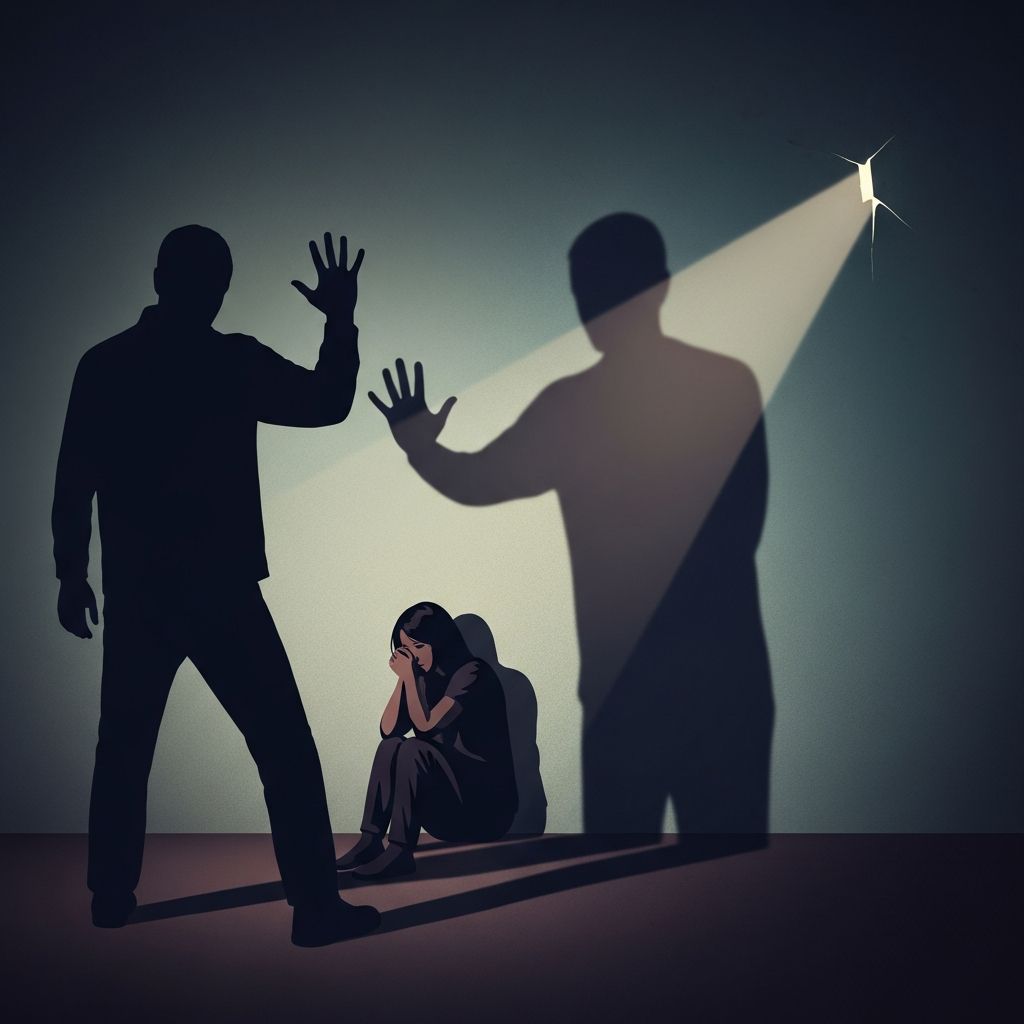
Domestic violence or abuse encompasses physical, emotional, psychological, sexual, financial, or cultural forms of mistreatment within intimate relationships. It affects individuals across all demographics and can have profound, lasting consequences on health, well-being, and society.
What is domestic violence?
Domestic violence refers to a pattern of abusive and controlling behaviors where one partner seeks power and control over another. It occurs in relationships where trust and love should prevail but instead involves fear, intimidation, and harm. This abuse manifests in various ways, often hidden from public view, yet it is alarmingly prevalent. Victims may experience isolation, constant monitoring, and loss of independence, leading to a life overshadowed by threat and coercion.
Abusers use tactics like humiliation, threats, or physical assaults to dictate behavior. This violation of human rights devastates not only the direct victim but also children, families, and communities. Recognizing it early is crucial for intervention and recovery.
How common is domestic violence?
Domestic violence is surprisingly widespread, affecting people regardless of age, gender, socioeconomic status, or background. Statistics reveal it impacts millions globally, with women disproportionately affected, though men can also be victims. In many cases, it remains underreported due to fear, shame, or dependency on the abuser.
Research from health organizations indicates that one in four women and one in nine men experience severe intimate partner physical violence, stalking, or rape in their lifetime. The hidden nature exacerbates its prevalence, making it a public health crisis.
Who is affected by domestic violence?
Anyone can be a victim: young or old, rich or poor, male or female. It transcends boundaries, striking within families, among friends, and across cultures. Children witnessing abuse suffer long-term psychological trauma, perpetuating cycles of violence. Society bears the burden through increased healthcare costs, lost productivity, and social services strain.
What counts as domestic abuse?
Domestic abuse is multifaceted, including:
- Physical abuse: Hitting, kicking, punching, or using objects to harm.
- Emotional/psychological abuse: Constant criticism, humiliation, gaslighting, or isolation from support networks.
- Sexual abuse: Forced sex, coercion into unwanted acts, or reproductive control.
- Financial abuse: Controlling money, preventing employment, or sabotaging finances.
- Cultural/religious abuse: Using traditions to justify control or harm.
These forms often overlap, creating a web of control that erodes the victim’s autonomy and self-worth.
Signs of domestic violence and abuse
Warning signs include:
- Unexplained injuries like bruises, burns, or fractures, often with inconsistent explanations.
- Changes in physical appearance, such as poor hygiene or sudden weight changes.
- Withdrawal from social circles, fearfulness around their partner, or anxiety/depression symptoms.
- Frequent vague health complaints (headaches, stomach issues) without clear medical cause.
- Partner’s controlling behavior: jealousy, monitoring communications, or explosive temper.
Children may show behavioral changes like aggression, regression, or academic decline.
What questions should I ask myself?
If you suspect abuse, reflect on these:
- Does your partner prevent you from seeing friends/family, or do you avoid them due to embarrassment?
- Has your partner hurt you or your children, or threatened to?
- Has your partner damaged your possessions?
- Does your partner have an unpredictable temper?
- Has your partner forced sexual acts on you?
- Is your partner excessively jealous, accusing you of infidelity falsely, checking messages, or stalking you?
- Does your partner threaten self-harm or harm to others if you leave?
Affirmative answers signal abuse. Trust your instincts and seek help.
Related Stories



What financial impact does domestic violence bring with it?
Victims face severe economic fallout:
- Job loss from injuries, absenteeism, or sabotage.
- Homelessness after fleeing abuse.
- Lost opportunities in education, careers, hobbies, and relationships.
- High medical costs for injuries and stress-related illnesses.
Financial control by abusers traps victims in dependency.
Health impacts of domestic violence
Beyond immediate injuries, long-term effects include:
| Physical | Mental/Emotional |
|---|---|
| Chronic pain, gastrointestinal issues, STIs, unintended pregnancies, miscarriage, premature labor | Anxiety, depression, PTSD, low self-esteem, substance abuse |
Victims often present with nonspecific symptoms, delaying diagnosis.
How can I get help and support?
Help is available:
- National Domestic Violence Hotline: Call for confidential advice, safety planning.
- Local shelters: Emergency housing and support.
- Police: Report assaults; seek protective orders.
- Healthcare providers: Screen privately, offer referrals.
- Counseling: Therapy for trauma recovery.
Safety plan: Identify safe escape routes, pack essentials, inform trusted contacts.
Frequently Asked Questions (FAQs)
Q: Can men be victims of domestic violence?
A: Yes, though women are more commonly affected physically, men experience emotional and psychological abuse too. Support exists for all.
Q: What if children are involved?
A: Children witnessing abuse suffer trauma. Prioritize their safety; child protective services may intervene.
Q: How do I safely leave an abuser?
A: Create a safety plan, contact hotlines, seek legal protection. Never leave without support.
Q: Is emotional abuse as serious as physical?
A: Yes, it causes profound psychological harm and often precedes physical violence.
Q: Where can healthcare providers help?
A: By screening privately, documenting, and referring to advocates.
Supporting Someone Experiencing Abuse
Listen without judgment, believe them, help with safety planning, connect to resources. Avoid confronting the abuser directly.
References
- Domestic Violence Leaflet — Patient.info. 2023. https://patient.info/mental-health/domestic-violence-leaflet
- Prevent, Assess, and Respond: A Domestic Violence Toolkit — IPV Health Partners. 2019-07-28. https://ipvhealthpartners.org/wp-content/uploads/2019/07/Health-Partners-Toolkit-6.28.19.pdf
- Medical Providers’ Guide to Managing the Care of Domestic Violence Patients — NYC.gov. Accessed 2023. https://www.nyc.gov/html/ocdv/downloads/pdf/Materials_Medical_Providers_DV_Guide.pdf
- Domestic Violence Healthcare Manual — Utah.gov Violence and Injury Prevention Program. Accessed 2023. https://vipp.utah.gov/wp-content/uploads/DV-Healthcare-Manual.pdf
- Domestic Violence – Patient.info (Professional) — Patient.info. 2023. https://patient.info/doctor/social-care/domestic-violence-pro
Similar Articles








Read full bio of medha deb