Domperidone: Uses, Mechanisms, and Safety Considerations
Comprehensive guide to domperidone: how it works, what it treats, and important safety information
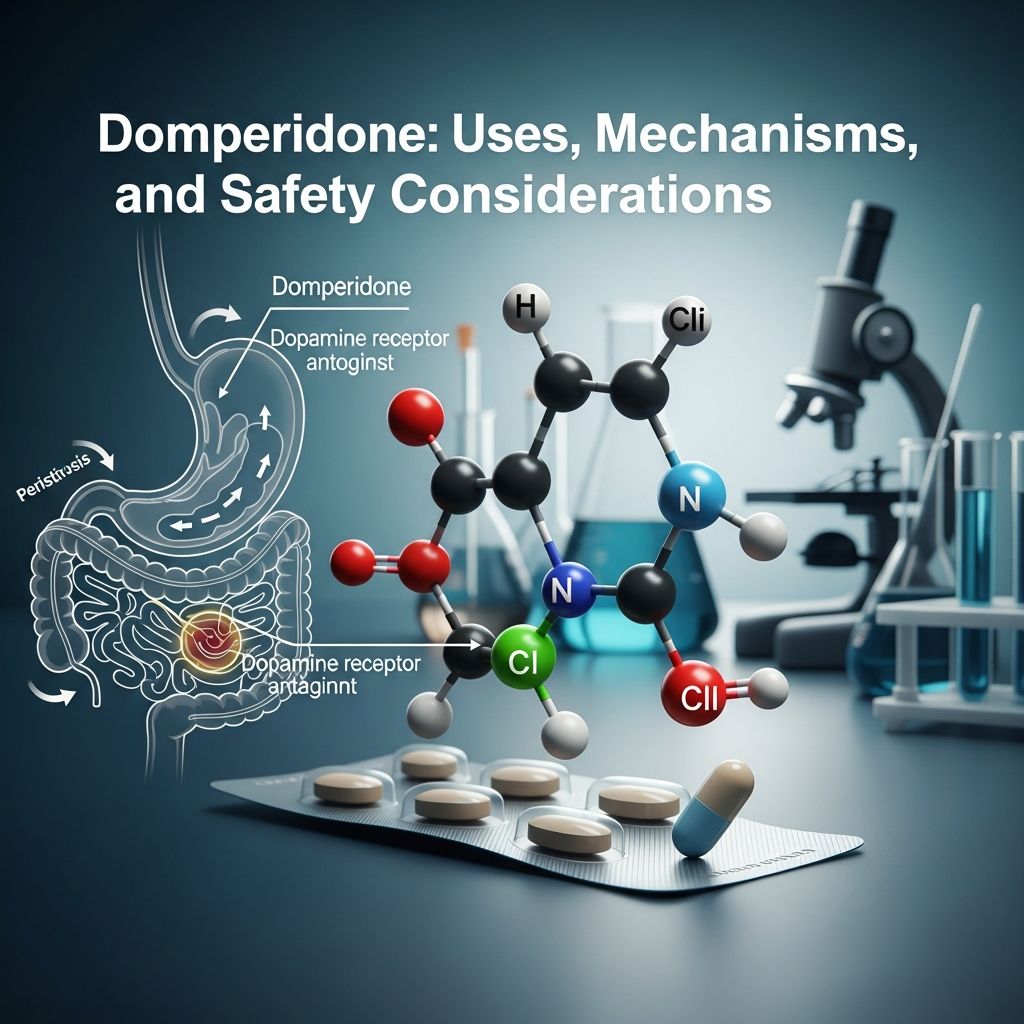
Understanding the Medication Class and Basic Function
Domperidone belongs to a category of pharmaceuticals known as dopamine antagonists, which function by blocking specific dopamine receptors throughout the body. Unlike certain related medications, domperidone has a unique characteristic: it exhibits selective activity in the peripheral nervous system while demonstrating minimal penetration across the blood-brain barrier. This property fundamentally distinguishes it from other dopamine-blocking agents and contributes significantly to its clinical profile.
The fundamental action of domperidone involves enhancing the movement and contractions of the stomach and bowel. This mechanism works through blockade of dopamine receptors in the gastrointestinal tract, which facilitates improved gastric emptying and increases the coordinated muscular contractions necessary for food transit through the digestive system.
Primary Therapeutic Applications in Clinical Practice
Management of Nausea and Vomiting
One of the primary indications for domperidone is the treatment of nausea and vomiting across various clinical contexts. The medication demonstrates antiemetic properties, making it particularly useful in conditions where these symptoms significantly impact quality of life. Healthcare providers frequently recommend domperidone for managing nausea associated with migraine headaches, where the accompanying gastrointestinal symptoms can intensify patient distress and reduce medication efficacy.
The antiemetic mechanism operates through the medication’s ability to block dopamine signaling in the chemoreceptor trigger zone, an area of the brain involved in nausea perception. By preventing dopamine from activating this region, domperidone helps suppress the vomiting reflex and reduces nausea sensations without producing significant central nervous system effects.
Treatment of Gastric Motility Disorders
Domperidone serves as an effective treatment for conditions characterized by impaired stomach movement and delayed gastric emptying. Gastroparesis, a condition where stomach muscles fail to function properly, causes significant morbidity and may develop in patients with diabetes or occur idiopathically without an identifiable cause. By enhancing gastric contractions and accelerating food passage into the small intestine, domperidone alleviates symptoms such as persistent fullness, bloating, and discomfort.
The medication’s gastroprokinetic properties extend to managing symptoms associated with gastritis, an inflammation of the stomach lining that frequently produces nausea, vomiting, and epigastric discomfort. Additionally, domperidone proves beneficial in functional dyspepsia, a disorder characterized by chronic indigestion symptoms without structural abnormalities of the digestive tract.
Indigestion and Related Upper Gastrointestinal Symptoms
Patients experiencing indigestion symptoms including bloating, excessive fullness, stomach discomfort, excessive burping, and heartburn after meals frequently benefit from domperidone therapy. The medication addresses both the subjective sensations of fullness and the objective delay in gastric emptying that often underlies these complaints. By facilitating more rapid food transit through the stomach and reducing the sensation of uncomfortable distension, domperidone improves overall gastrointestinal comfort and enhances postprandial well-being.
Secondary Applications in Specialized Contexts
Beyond its primary indications, domperidone demonstrates utility in managing nausea and vomiting associated with dopaminergic medications used in Parkinson’s disease treatment. Certain antiparkinsonism agents can paradoxically cause gastrointestinal disturbance; domperidone, by virtue of its peripheral selectivity, provides symptomatic relief without interfering with central dopaminergic therapy. Furthermore, medical literature documents effective use of domperidone in treating reflux symptoms in pediatric populations, though some specialists express reservations regarding infantile reflux management with this agent.
Related Stories



Mechanism of Action: Molecular and Physiological Basis
The therapeutic effects of domperidone arise from its pharmacological action as a selective dopamine D₂ and D₃ receptor antagonist in peripheral tissues. Dopamine normally suppresses muscle contractions in the gastrointestinal tract through these receptors; by blocking this inhibitory signaling, domperidone removes the brake on gastric and intestinal peristalsis, allowing enhanced muscular coordination.
The medication accomplishes several specific effects within the digestive system: it increases esophageal and gastric peristalsis, facilitates more rapid gastric emptying, decreases small bowel transit time, and lowers pressure at the esophageal sphincter. These coordinated actions work synergistically to move food more efficiently through the upper digestive tract. Importantly, because domperidone exhibits poor blood-brain barrier penetration, it avoids the central nervous system side effects associated with nonselective dopamine antagonists such as metoclopramide.
Comprehensive Profile of Potential Adverse Effects
Commonly Encountered Side Effects
Most patients tolerate domperidone well, though some experience mild adverse effects during treatment. Frequently reported reactions include headache, dry mouth, abdominal cramps, and diarrhea. These effects typically manifest with low frequency and often diminish as the body adjusts to the medication. Additionally, some patients report hives, rashes, and various gastrointestinal complaints including constipation, stomach discomfort, and changes in appetite.
Neurological effects occur uncommonly but may include anxiety, dizziness, drowsiness, and mental dullness. Ocular symptoms such as itching, redness, or eye pain have been documented. Musculoskeletal complaints including leg cramps and generalized weakness may also occur, though these remain relatively infrequent.
Prolactin-Related Adverse Effects
A clinically significant consequence of dopamine D₂ receptor blockade involves elevated prolactin levels. Dopamine normally exerts inhibitory control over prolactin secretion from the anterior pituitary gland; when dopamine receptors are blocked, prolactin levels increase, potentially producing multiple secondary effects.
In female patients, elevated prolactin may cause mammoplasia (breast enlargement), mastodynia (breast pain and tenderness), galactorrhea (inappropriate milk production or secretion), and amenorrhea (cessation of menstrual cycles). Clinical studies indicate that 10 to 15% of women using domperidone experience one or more of these manifestations. The hormonal disruption underlying these effects can suppress gonadotropin-releasing hormone secretion from the hypothalamus, thereby reducing follicle-stimulating hormone and luteinizing hormone, leading to reduced sex hormone levels.
Male patients may experience different prolactin-related complications including reduced libido, erectile dysfunction, impaired spermatogenesis, and gynecomastia (breast tissue enlargement). Galactorrhea can occur in males as well. Long-term dopamine antagonist use potentially increases prolactinoma risk, though additional research is required to establish definitive causality.
Cardiac and Serious Adverse Events
A critical safety concern involves rare but potentially serious cardiac complications. Domperidone can cause QT prolongation, an electrocardiographic abnormality reflecting delayed electrical repolarization in the heart. This condition increases the theoretical risk of dangerous arrhythmias, including torsades de pointes, a potentially fatal irregular heartbeat. While serious cardiac events remain uncommon and typically occur with higher doses, vigilance remains essential, particularly in vulnerable populations including older adults and those with pre-existing cardiac disease.
Patients taking domperidone should seek immediate medical attention if they experience fast, irregular, pounding, or racing heartbeats; signs of allergic reactions including difficulty breathing, hives, or throat swelling; or episodes of fainting or severe dizziness.
Critical Contraindications and Precautions
Absolute Contraindications
Certain conditions absolutely preclude domperidone use. Patients with prolactinomas (prolactin-secreting pituitary tumors) should not receive domperidone, as increased prolactin levels could worsen this condition. Similarly, those with breaks or perforations in the stomach or intestinal lining should avoid this medication, as enhanced gastrointestinal motility could exacerbate this serious pathology.
Uncorrected electrolyte abnormalities, particularly low levels of potassium, magnesium, or calcium, represent contraindications due to the increased cardiac arrhythmia risk these deficiencies create when combined with QT-prolonging medications. Cardiac disease, heart failure, and QT prolongation constitute direct contraindications. Moderate to severe liver impairment also contraindicates use, as hepatic dysfunction impairs drug metabolism.
Drug Interactions and Combined Contraindications
Domperidone is contraindicated with medications that prolong the QT interval, most notably amiodarone, a cardiac antiarrhythmic agent. Combining domperidone with other QT-prolonging drugs substantially increases arrhythmia risk and should be avoided.
Relative Precautions and Monitoring Recommendations
Certain conditions require careful consideration and increased medical supervision rather than outright contraindication. Patients with diabetes demand particular attention, as gastroparesis frequently complicates diabetes management. Those with previous stroke history, electrolyte abnormalities, or nutritional deficiencies warrant baseline evaluation and potential monitoring during therapy.
Women with a personal or family history of breast cancer should discuss domperidone use with their healthcare provider, as some breast malignancies are prolactin-dependent. The potential increase in prolactin levels creates a theoretical risk that warrants individualized benefit-risk assessment.
Specialized Clinical Contexts and Additional Applications
Pediatric and Reflux Applications
Domperidone demonstrates effectiveness in treating reflux symptoms in children, with some literature supporting its use in pediatric dyspepsia management. However, medical specialists maintain variable perspectives regarding its application in infantile reflux, with some clinicians considering the potential risks prohibitory for this indication. Healthcare providers must carefully weigh benefits against risks when considering domperidone for very young patients.
Important Safety Alert Regarding Lactation Enhancement
Regulatory agencies have issued significant cautions regarding domperidone’s use for increasing milk production or stimulating lactation. Although the medication may have theoretical benefits for nursing mothers, the potential for serious adverse effects has prompted warnings from major regulatory bodies including the FDA. Women considering domperidone for lactation support should obtain comprehensive medical counseling regarding safety.
Frequently Asked Questions
How quickly does domperidone work?
The onset of action varies among individuals. Many patients experience symptom relief within 30 minutes to 1 hour of taking the medication, though peak effects may require several doses or days of consistent use. Individual response depends on factors including stomach contents, medication formulation, and underlying gastrointestinal physiology.
Can domperidone be taken with food?
Domperidone is typically taken 15 to 30 minutes before meals to optimize its effect on gastric emptying. Taking the medication with food may delay absorption and reduce its effectiveness. Always follow specific instructions provided by your healthcare provider or pharmacy.
Are there natural alternatives to domperidone?
While lifestyle modifications such as eating smaller, more frequent meals, avoiding fatty foods, and managing stress can help with minor gastrointestinal symptoms, medical conditions like gastroparesis typically require pharmaceutical intervention. Consult your healthcare provider before substituting natural remedies for prescribed domperidone therapy.
How long can domperidone be safely used?
Domperidone suitability for long-term use varies by individual clinical circumstances and indication. Some patients use it short-term for acute symptoms, while others may require extended therapy. Your healthcare provider will determine the appropriate duration based on your specific condition and tolerance of the medication.
Conclusion: Weighing Benefits and Risks
Domperidone represents a valuable therapeutic option for patients experiencing nausea, vomiting, and gastric motility disorders. Its peripheral selectivity offers advantages over some alternative medications by minimizing central nervous system effects. However, the potential for prolactin elevation and rare but serious cardiac complications necessitates careful patient selection, appropriate screening for contraindications, and ongoing clinical monitoring. Healthcare providers and patients should engage in informed discussions regarding the therapeutic benefits specific to each clinical situation weighed against individual risk factors and medical history.
References
- Domperidone — Wikipedia. Accessed February 2026. https://en.wikipedia.org/wiki/Domperidone
- Domperidone: Uses, Interactions, Mechanism of Action — DrugBank. https://go.drugbank.com/drugs/DB01184
- Domperidone (oral route) – Side effects & dosage — Mayo Clinic. https://www.mayoclinic.org/drugs-supplements/domperidone-oral-route/description/drg-20063481
- Information about Domperidone — FDA. https://www.fda.gov/drugs/information-drug-class/information-about-domperidone
- Domperidone (Motilium) and effects on the heart — TGA (Therapeutic Goods Administration). https://www.tga.gov.au/safety/safety-monitoring-and-information/safety-alerts/domperidone-motilium-and-effects-heart
- Dom-Domperidone Factsheet, Uses & Common Side Effects — Rexall. https://www.rexall.ca/article/drug/view/id/5416
Similar Articles








Read full bio of Sneha Tete