Don’t Be Fooled by TIA Symptoms: Know the Warning Signs
Recognize transient ischemic attack symptoms and understand why TIA is a critical warning sign for future stroke.
Understanding Transient Ischemic Attacks: More Than Just a Minor Event
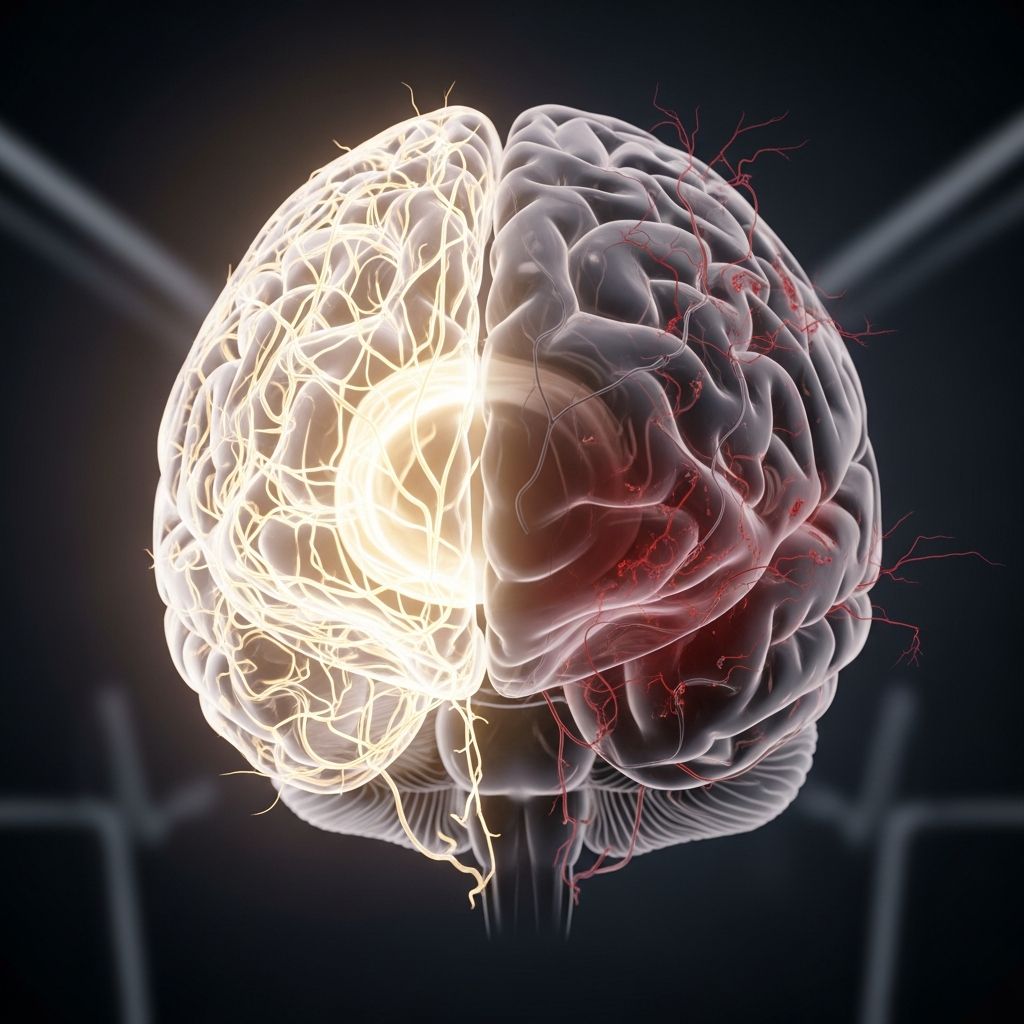
A transient ischemic attack, commonly referred to as a TIA or “mini-stroke,” is a temporary disruption of blood flow to the brain that resolves without causing permanent damage. While the symptoms may be fleeting and seemingly insignificant, the implications are far more serious than many people realize. A person who has experienced a TIA has had ischemia—a restriction in blood supply—but has “ducked the bullet” because there was no lasting tissue damage to the brain. However, the same underlying vascular problem that caused the TIA remains a significant threat. Understanding the nature of TIAs and recognizing their symptoms is crucial for preventing more serious cerebrovascular events in the future.
The key distinction between a TIA and a stroke lies in the permanence of the damage. During a TIA, blood flow to part of the brain is temporarily blocked, causing neurological symptoms that typically last from minutes to hours, but usually resolve completely within 24 hours. In contrast, a stroke involves permanent brain tissue damage due to prolonged loss of blood supply. Despite the temporary nature of TIA symptoms, this condition should never be dismissed as inconsequential. Rather, it should be viewed as an urgent warning signal that warrants immediate medical evaluation and intervention.
Recognizing TIA Symptoms: What to Watch For
The symptoms of a TIA develop suddenly and mirror those of a stroke, which makes sense given their similar underlying mechanisms. However, because TIA symptoms typically resolve within hours, they are often overlooked or attributed to other causes. Recognizing these warning signs is essential for seeking prompt medical attention.
Common TIA symptoms include:
- Sudden weakness or numbness on one side of the body, affecting the face, arm, or leg
- Sudden difficulty speaking or slurred speech
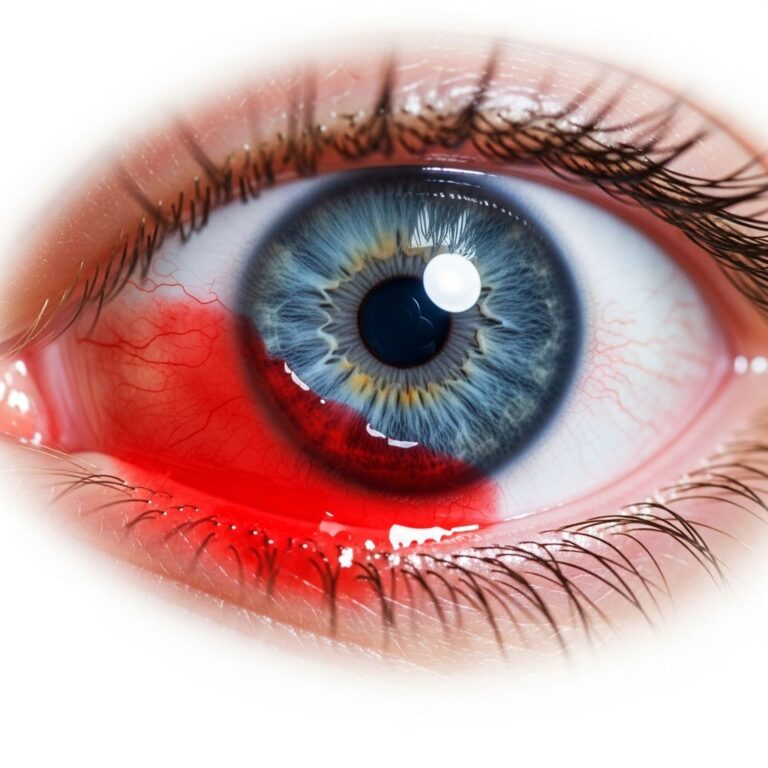
- Sudden vision problems in one or both eyes
- Sudden difficulty understanding speech
- Sudden loss of balance or coordination
- Sudden severe headache with no known cause
- Sudden confusion or difficulty with memory
- Altered consciousness or dizziness
- Difficulty swallowing
- Double vision or diplopia
The acronym “FAST” has been developed to help people quickly identify potential stroke or TIA symptoms: Face (drooping), Arm (weakness), Speech (difficulty), and Time (to call 911). If you or someone nearby experiences any of these symptoms, it is critical to seek emergency medical care immediately, even if the symptoms appear to be resolving.
Why Immediate Medical Attention Matters
One of the most dangerous aspects of TIAs is that patients and sometimes even healthcare providers may not take them seriously because the symptoms disappear. This complacency can be fatal. A TIA is fundamentally different from other transient neurological events because it represents a significant risk factor for future, more serious strokes. Within one year after experiencing a TIA, the risk of experiencing a subsequent stroke is approximately 5.9%. This risk continues to increase over time, reaching 12.8% within five years and 19.8% within ten years.
The reason TIAs demand urgent attention is that they reveal an underlying cardiovascular or cerebrovascular problem that, if left untreated, will likely lead to a more severe event. The blood clot, artery narrowing, or other vascular issue that caused the temporary blockage is still present and poses an ongoing threat. Additionally, research indicates that approximately one-third of people with clinical symptoms consistent with TIA have evidence of tissue injury on magnetic resonance imaging, suggesting that some brain damage may have occurred even when symptoms are transient.
The Hidden Risks: Understanding Long-Term Consequences
Beyond the immediate risk of subsequent stroke, TIAs are associated with several long-term cognitive and neurological consequences that extend well beyond the acute episode. Research has documented executive dysfunction during the acute TIA phase that can persist for up to nine months. Furthermore, TIAs are associated with subsequent silent infarctions—small strokes that occur without producing noticeable symptoms—which accumulate and take a toll on brain health over time.
Related Stories



Studies have also linked TIAs to brain atrophy, including hippocampal and whole-brain atrophy, which are concerning because they indicate progressive neurological degeneration. While some research suggests that cognitive impairment following TIA may be transient and part of an acute confusional state that improves over weeks or months, other studies have found that TIA can accelerate the onset of dementia by approximately two years, even in the general population.
These findings underscore an important reality: a TIA is not merely a passing health scare. It is a manifestation of serious underlying vascular disease that can have cascading effects on brain health and function over years and decades.
Risk Factors for TIA and Stroke
Understanding your personal risk factors for TIA and stroke can help you take proactive steps to reduce your likelihood of experiencing these events. Several modifiable and non-modifiable risk factors increase the likelihood of experiencing a TIA or stroke:
| Modifiable Risk Factors | Non-Modifiable Risk Factors |
|---|---|
| High blood pressure | Age (risk increases with age) |
| Smoking | Family history of stroke or TIA |
| High cholesterol | Race/ethnicity (African Americans at higher risk) |
| Diabetes | Previous TIA or stroke |
| Obesity | Male gender (though women’s risk increases post-menopause) |
| Physical inactivity | |
| Excessive alcohol consumption | |
| Atrial fibrillation |
If you have experienced a TIA, you should work closely with your healthcare provider to aggressively manage all modifiable risk factors. This may include starting or adjusting medications such as antiplatelet agents, anticoagulants, or medications to control blood pressure and cholesterol levels.
What to Do If You Suspect a TIA
If you experience sudden neurological symptoms that could indicate a TIA, the correct response is clear: call 911 immediately. Do not wait to see if symptoms resolve on their own. Do not drive yourself to the hospital. Calling emergency services ensures that you receive rapid medical evaluation and can access advanced imaging studies such as CT or MRI scans that can determine whether you have experienced a TIA, a stroke, or another condition.
At the hospital, healthcare providers will perform a neurological examination, obtain imaging studies, and possibly conduct additional tests such as electrocardiography (ECG) to check for atrial fibrillation or other cardiac abnormalities. They may also recommend carotid ultrasound or other vascular imaging to assess for arterial narrowing. These investigations are essential for determining the underlying cause of your TIA and guiding appropriate preventive therapy.
Even if symptoms have completely resolved by the time you reach the hospital, seeking immediate medical evaluation remains critically important. Healthcare providers can identify evidence of TIA through clinical history and imaging studies, even after symptoms have disappeared. Delayed evaluation significantly increases the risk that a subsequent, more serious stroke will occur before you receive appropriate treatment.
Prevention Strategies After TIA
After experiencing a TIA, your healthcare provider will likely recommend aggressive prevention strategies to reduce the risk of future cerebrovascular events. These typically include:
- Antiplatelet therapy: Aspirin or other antiplatelet medications are often prescribed to reduce the tendency of blood clots to form.
- Blood pressure management: Keeping blood pressure within target ranges through medication and lifestyle modifications is crucial.
- Lipid management: Controlling cholesterol levels with statins or other medications reduces atherosclerotic risk.
- Lifestyle modifications: Adopting a heart-healthy diet, engaging in regular physical activity, quitting smoking, and limiting alcohol consumption are fundamental to stroke prevention.
- Glucose control: For patients with diabetes, tight glycemic control is essential.
- Vascular interventions: Depending on imaging findings, procedures such as carotid endarterectomy or stent placement may be recommended for significant arterial narrowing.
The Importance of Follow-Up Care
Following a TIA, consistent follow-up with your healthcare provider is essential. Regular appointments allow your doctor to assess how well your risk factors are being controlled, monitor the effectiveness of medications, and adjust your treatment plan as needed. Additionally, ongoing monitoring can help identify any new neurological symptoms or changes that might indicate recurrent TIA or stroke risk.
A comprehensive approach to TIA management recognizes that this event represents a valuable opportunity for early intervention in stroke and dementia prevention. TIA is, in essence, an alarm bell signaling the need for aggressive cardiovascular risk factor management and intensive prevention efforts.
Frequently Asked Questions About TIA
Q: Is a TIA the same as a stroke?
A: While TIA and stroke share similar symptoms and underlying causes, the key difference is permanence of damage. In a TIA, blood flow to the brain is temporarily blocked and symptoms resolve completely within 24 hours, typically within minutes to hours. In a stroke, brain tissue damage is permanent due to prolonged loss of blood supply. However, both require immediate emergency medical attention.
Q: Can I have a TIA without knowing it?
A: While most TIAs produce noticeable symptoms, some people may experience very mild symptoms that they don’t recognize or attribute to other causes. However, the standard definition of TIA involves clinically recognizable symptoms. If you experience any sudden neurological symptoms, seek immediate medical evaluation.
Q: What are my chances of having a stroke after a TIA?
A: The risk is significant. Within one year after a TIA, the risk of having a subsequent stroke is approximately 5.9%. This risk increases to 12.8% within five years and 19.8% within ten years. This is why aggressive prevention strategies following a TIA are so important.
Q: Does a TIA cause permanent brain damage?
A: By definition, a TIA does not cause lasting brain tissue damage, which distinguishes it from a stroke. However, research suggests that TIAs may be associated with silent infarctions, brain atrophy, and cognitive changes over time. This underscores why treating the underlying vascular disease is essential.
Q: How long does recovery take after a TIA?
A: Because a TIA causes no permanent brain damage, physical recovery is immediate—symptoms resolve completely, typically within 24 hours. However, psychological recovery and adjustment to the realization that you have significant vascular disease may take longer. Additionally, you will need to commit to long-term prevention strategies and lifestyle modifications.
Conclusion: Taking TIA Seriously
The temporary nature of TIA symptoms can create a dangerous false sense of security. Many people who experience a TIA are tempted to minimize the event, viewing it as a brief scare rather than a serious medical condition. This mindset is a mistake that can have tragic consequences. A TIA is a powerful warning signal that demands immediate medical attention, thorough investigation, and aggressive long-term prevention strategies. By recognizing TIA symptoms, seeking emergency care promptly, and working with healthcare providers to manage underlying vascular disease, you can significantly reduce your risk of experiencing a devastating stroke in the future.
References
- Long-Term Incidence of Dementia Following Transient Ischemic Attack — Journal of the American Heart Association. 2024-12-01. https://www.ahajournals.org/doi/10.1161/JAHA.124.037817
- Long-Term Risk of Stroke After Transient Ischemic Attack or Minor Stroke: A Systematic Review and Meta-Analysis — JAMA, Writing Committee for the PERSIST Collaborators. 2025-04-22. https://jamanetwork.com/journals/jama/fullarticle/2832005
- Don’t Write Off Symptoms of a Mini-Stroke — Harvard Heart Letter. 2015-12. https://www.health.harvard.edu/heart-health/dont-be-fooled-by-tia-symptoms
Similar Articles








Read full bio of medha deb