Lower Back Pain When Sitting: Expert Relief Strategies
Combat lower back pain with proven strategies for better posture, movement, and workplace ergonomics.
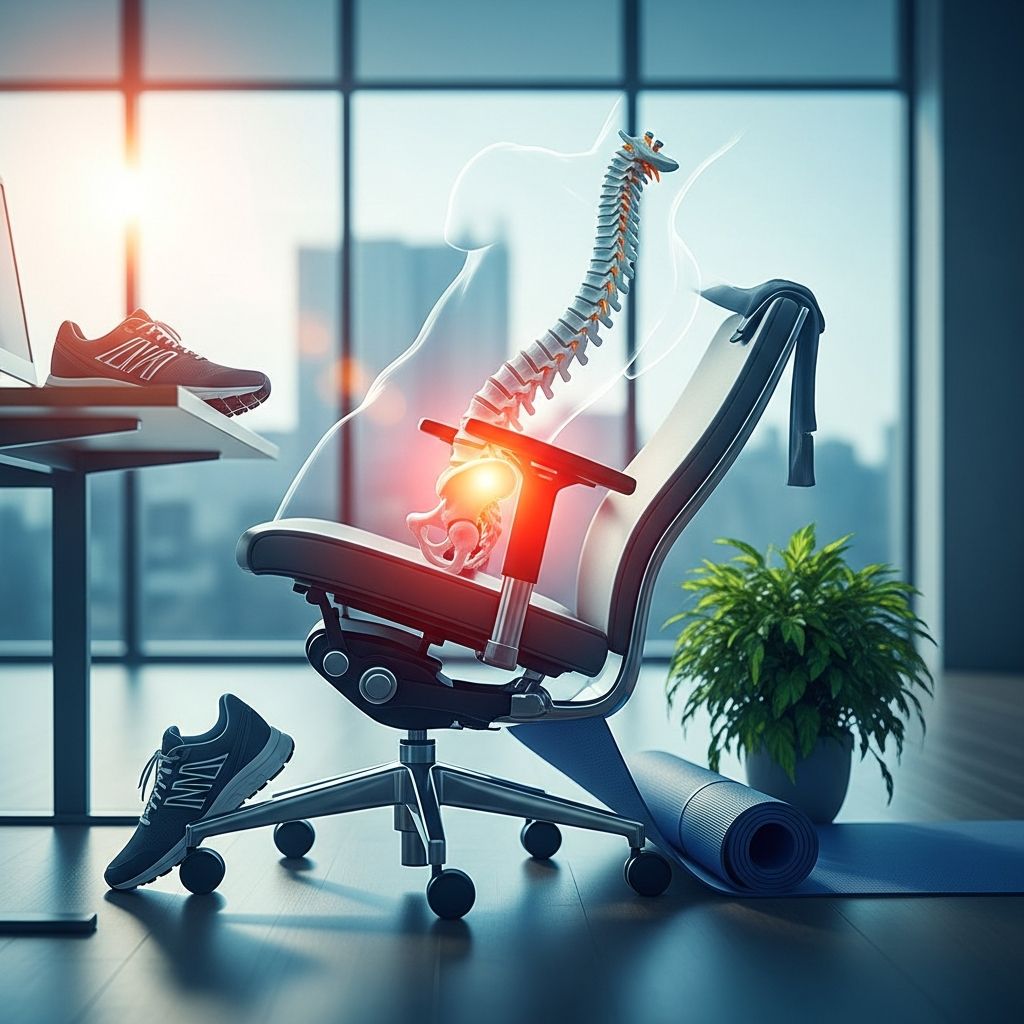
Don’t Take Back Pain Sitting Down: Understanding and Managing Sitting-Related Discomfort
Lower back pain affects 75–85% of adults in the United States at some point in their lifetime, making it one of the most prevalent health complaints in modern society. With the rise of desk jobs and sedentary lifestyles, the prevalence of sitting-related back pain has increased dramatically. According to recent research, back pain is the leading cause of activity limitation and work absences worldwide. The good news is that understanding the causes and implementing effective prevention strategies can significantly reduce your risk of developing or worsening lower back pain.
Understanding the Root Causes of Sitting-Related Back Pain
Before you can effectively address lower back pain, it’s essential to understand what causes it in the first place. Several interconnected factors contribute to back pain when sitting, and identifying which ones apply to your situation is the first step toward relief.
Poor Posture: The Primary Culprit
Poor sitting posture stands as one of the most prominent causes of lower back pain. Your spine naturally features a series of curves designed to support your body’s weight efficiently. When you deviate from proper alignment by slouching, hunching forward, or allowing your shoulders to round, you create stress on your lumbar spine that it wasn’t designed to bear. Research published in the International Journal of Environmental Research and Public Health demonstrates that prolonged sitting with inadequate lumbar support and improper alignment significantly increases the risk of developing lower back pain. Over time, this repeated misalignment can lead to chronic pain and structural changes in your spine.
Weakened Core Muscles
Your core muscles act as crucial stabilizers for your spine, working to maintain proper alignment and distribute pressure evenly across your vertebrae. When these muscles weaken from prolonged sedentary behavior, particularly among those who spend extended hours in front of screens, your lower back must compensate by bearing more load than it should. Studies have established a direct correlation between prolonged sitting and reduced core muscle strength, with particular emphasis on the abdominal muscles that provide essential spinal support. This decline in core strength heightens your risk of lower back pain and can accelerate the development of chronic conditions.
Muscle Strain and Workplace Injuries
Sudden, strenuous movements or repetitive actions performed while seated can strain the muscles in your lower back, causing acute pain. Research published in the European Spine Journal indicates that workplace-related activities requiring prolonged sitting for more than half a workday, especially when combined with heavy lifting or awkward movements, frequently lead to muscle strain and consequent lower back pain. These strains can develop gradually as microtears accumulate over time or appear suddenly from a single inappropriate movement.
Herniated Discs
Between each vertebra in your spine lies an intervertebral disc—a cushion-like structure that absorbs shock and allows spinal movement. When these discs protrude or rupture, they can place pressure on nearby nerves, resulting in chronic lower back pain. Herniated discs represent a common source of persistent sitting-related pain, with the discomfort stemming directly from nerve compression. Early diagnosis and appropriate intervention become crucial when dealing with herniated discs to prevent long-term complications.
Related Stories



Spinal Stenosis
Spinal stenosis involves a gradual narrowing of the spinal canal, creating pressure on the nerves within. This condition is most commonly observed in individuals aged 60 and above, affecting approximately 19.4% of this demographic. Spinal stenosis has a particular tendency to cause lower back pain when seated because the sitting position can increase pressure on the compressed nerves, making this condition especially problematic for those who must remain seated for extended periods.
Recognizing the Symptoms
Understanding how chronic pain manifests is essential for early intervention. Lower back pain when sitting can present in various ways, and recognizing these symptoms early allows you to seek appropriate treatment before the condition worsens.
Primary Symptoms to Monitor
The hallmark symptom of lower back pain when sitting is, naturally, pain in the lower back itself. This pain can range from a dull, nagging ache that persists throughout the day to a sharp, stabbing sensation that comes and goes. The pain typically emanates from the area around the lumbar spine, where the majority of sitting-related stress concentrates. In more severe cases, lower back pain can escalate to the point where it significantly hampers your ability to walk, escalate stairs, or perform basic daily activities. Additional symptoms may include numbness or tingling in the legs, weakness in the lower extremities, or changes in bladder or bowel function—all signs that warrant immediate medical attention.
The Best Sitting Positions for Back Pain Relief
Not all sitting positions place equal stress on your back. Research demonstrates that certain positions can significantly reduce pain while others exacerbate it. Understanding these differences allows you to make conscious choices about how you position yourself throughout the day.
Optimal Sitting Position
The ideal sitting position that puts the least pressure on your lower back involves several key elements working together:
- Sit upright with your back supported, ideally using an ergonomic chair with built-in lumbar support
- Keep your feet flat on the floor or on a footrest to maintain a neutral spine position
- Position your hips and knees at approximately 90-degree angles
- Keep your shoulders relaxed and avoid hunching forward
- Keep your elbows close to your body to reduce strain on your shoulders and upper back
- Maintain a slight natural curve in your lower back rather than sitting completely rigid
Research suggests that sitting up with both feet flat on the ground and something to support the back reduces pressure on the back and shoulders, helping alleviate pain. This position allows your spine to maintain its natural curves while distributing your body weight evenly across the chair.
Positions to Avoid
Certain sitting positions significantly increase stress on your lower back and should be avoided, particularly for extended periods. Sitting without support for prolonged periods forces your back muscles to work overtime to maintain upright posture, leading to fatigue and pain. Slumped or hunched-over positions fail to adequately support your back and can cause an excessive spinal curvature known as kyphosis. Cross-legged sitting, though comfortable initially, creates sacroiliac joint instability, increases pressure on the gluteus muscles, and causes pelvic misalignment. Sitting with one leg crossed over the other on a chair creates left-right asymmetry in your body and increases rotation of the lumbar spine, potentially leading to scoliosis and spinal deformities over time.
Ergonomic Solutions for the Workforce
Since many people spend the majority of their waking hours at work, optimizing your workspace becomes crucial for back pain prevention and management. Your work environment significantly influences your posture and, consequently, your back health.
Essential Ergonomic Adjustments
Your chair should be specifically designed to support your lower back curve, with adjustable lumbar support that you can customize to your spine’s natural contours. Your desk height should allow your elbows to rest at approximately 90 degrees when your arms are relaxed at your sides. Your computer monitor should be positioned at eye level approximately 20-26 inches from your face to prevent forward head posture. Your feet should rest flat on the floor or a footrest—never dangle unsupported. Take frequent breaks from sitting, ideally standing and stretching every 30 minutes. Consider using a sit-stand desk that allows you to alternate between sitting and standing throughout the day, reducing the cumulative stress of prolonged sitting on your spine.
Active Prevention and Treatment Strategies
While ergonomics and posture form the foundation of back pain prevention, active strategies involving exercise and lifestyle modifications provide additional protection and pain relief.
Core-Strengthening Exercises
Regular core-strengthening exercises become pivotal for both prevention and pain relief. Your core muscles—including the abdominal muscles, back extensors, and deep spinal stabilizers—act as sentinels guarding your spine’s stability. When these muscles weaken, your lower back bears an unwelcome burden. Simple exercises like planks, bird dogs, bridges, and modified crunches can gradually build core strength. Physical therapy, as highlighted in research published in the BMC Musculoskeletal Disorders journal, demonstrates clear benefits in improving functional outcomes and reducing pain. Tailored exercise programs, manual therapy, and education on proper body mechanics provided by a physical therapist can specifically address your individual needs.
Lifestyle Modifications
Beyond specific exercises, several lifestyle changes can help manage and prevent lower back pain:
- Exercise regularly with a mix of cardiovascular activity, strength training, and flexibility work
- Maintain a moderate weight to reduce unnecessary stress on your spine
- Practice correct lifting techniques, bending at your knees and keeping objects close to your body
- Take regular breaks from sitting to stand, stretch, and move around
- Consider low-impact activities like yoga or pilates that improve both strength and flexibility
- Manage stress through meditation, deep breathing, or other relaxation techniques
Professional Treatment Options
When conservative measures prove insufficient, several professional treatment options can help address lower back pain:
| Treatment Type | Description | Best For |
|---|---|---|
| Physical Therapy | Targeted exercises and manual therapy to improve strength and flexibility | Most cases of sitting-related back pain |
| Medications | NSAIDs, acetaminophen, muscle relaxants, or steroids | Pain and inflammation management |
| Back Braces | External support to stabilize the spine during movement | Acute strains and herniated discs |
| Surgical Interventions | Disk replacement or spinal fusion | Severe herniated discs or spinal stenosis |
When to Seek Medical Attention
While many cases of sitting-related back pain respond well to conservative treatment, certain symptoms warrant professional medical evaluation. If lower back pain persists for several weeks despite at-home treatment efforts, consult a healthcare provider. Seek immediate medical attention if you experience numbness or tingling in your legs, weakness in your lower extremities, changes in bladder or bowel function, or pain that prevents you from performing daily activities. A doctor can carry out assessments to determine the underlying cause and provide necessary treatment tailored to your specific condition.
Long-Term Back Health
Managing lower back pain from sitting requires a multifaceted approach combining proper posture, ergonomic optimization, regular exercise, and lifestyle modifications. By understanding the causes of sitting-related back pain and implementing evidence-based prevention strategies, you can significantly reduce your risk of developing chronic conditions and maintain better overall health and quality of life.
Frequently Asked Questions
Q: Which sitting position puts the least pressure on the back?
A: Research suggests that sitting upright with both feet flat on the ground and something to support the back reduces pressure on the back and shoulders. This typically involves keeping hips and knees at 90-degree angles with proper lumbar support.
Q: Does sitting make lower back pain worse?
A: Yes, sitting for long periods with little movement can cause or worsen lower back pain, especially when sitting hunched over, cross-legged, or without lumbar support. Regular movement breaks are essential.
Q: Is lying down good for lower back pain?
A: Medical professionals do not recommend lying down for prolonged periods for lower back pain. While it may provide short-term relief, excessive bed rest can lead to muscle deconditioning, digestive issues, and other health problems.
Q: How can I strengthen my core to prevent back pain?
A: Regular core-strengthening exercises like planks, bird dogs, bridges, and modified crunches help build the abdominal and spinal muscles that support your spine. Physical therapy can provide personalized programs tailored to your needs.
Q: What ergonomic changes can help at work?
A: Adjust your chair for lumbar support, position your monitor at eye level, keep your desk at the correct height, ensure your feet rest flat, and take regular breaks to stand and stretch every 30 minutes.
References
- Poor Posture and Lower Back Pain Risk in Occupational Settings — International Journal of Environmental Research and Public Health. 2024. https://www.mdpi.com/1660-4601/15/12/2818
- Workplace-Related Lower Back Pain and Muscle Strain — European Spine Journal. 2023. https://link.springer.com/journal/586
- Physical Therapy Effectiveness for Lower Back Pain — BMC Musculoskeletal Disorders. 2024. https://bmcmusculoskeletdisord.biomedcentral.com/
- Global Burden of Back Pain — World Health Organization (WHO). 2023. https://www.who.int/
- Spinal Stenosis in Older Adults: Prevalence and Management — Journal of the American Geriatrics Society. 2024. https://onlinelibrary.wiley.com/journal/15325415
Similar Articles








Read full bio of medha deb