Dopamine Deficiency: Causes, Symptoms, and Treatment
Understanding dopamine deficiency: symptoms, causes, and evidence-based treatment options.
What Is Dopamine Deficiency?
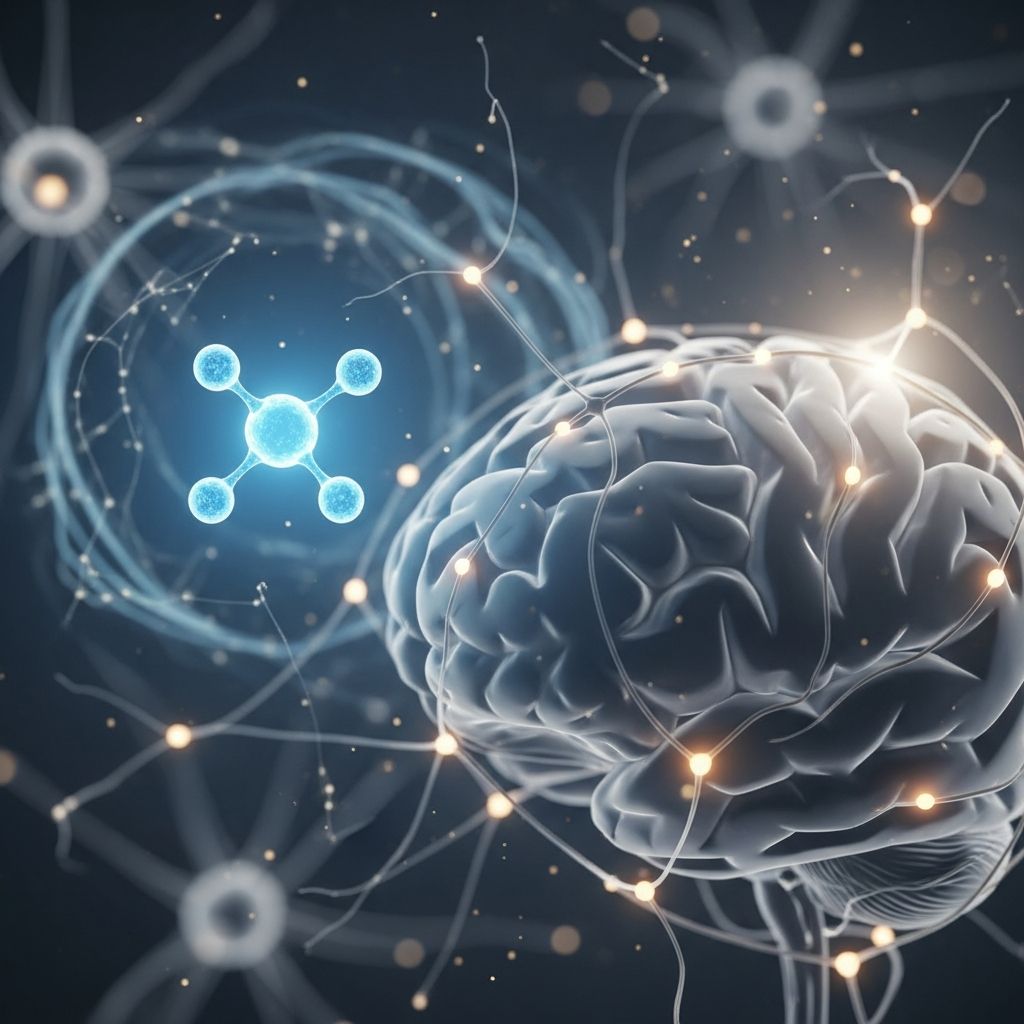
Dopamine is a critical neurotransmitter produced in your brain that plays essential roles in numerous body functions, including movement, motivation, mood regulation, attention, memory, and the experience of pleasure. When dopamine levels fall below normal ranges, a condition known as dopamine deficiency can develop, leading to a wide range of physical and psychological symptoms. Understanding dopamine deficiency is important because it affects multiple systems in your body and is implicated in several serious health conditions.
Dopamine operates throughout your central nervous system, influencing how you feel, think, and move. It serves as a critical chemical messenger between nerve cells, facilitating communication that enables everything from basic motor functions to complex emotional experiences. When dopamine production decreases or its transmission becomes impaired, the consequences can be far-reaching and significantly impact your quality of life.
Symptoms of Dopamine Deficiency
Dopamine deficiency manifests through a diverse array of symptoms that affect both physical and mental health. Recognizing these symptoms is crucial for early intervention and treatment.
Physical Symptoms
When dopamine levels are insufficient, you may experience several physical manifestations. These include tremors, rigidity, and stiffness in muscles, which are particularly characteristic of Parkinson’s disease. Movement difficulties are common, with individuals often experiencing slowed voluntary movements, poor balance, and coordination problems. Fatigue and low energy levels are frequent complaints, as dopamine plays a vital role in motivating physical activity and maintaining energy throughout the day.
Other physical symptoms include trouble sleeping or insomnia, constipation, and a decreased sex drive. These symptoms occur because dopamine influences multiple physiological processes beyond just movement control. The interconnected nature of dopamine signaling means that deficiency in one area can have cascading effects throughout various body systems.
Cognitive and Emotional Symptoms
Mental and emotional symptoms of dopamine deficiency are equally significant. Individuals often report little motivation to complete tasks or achieve goals, even when those tasks are important or previously enjoyable. This lack of motivation can interfere with work, relationships, and personal development. Anhedonia, the inability to feel pleasure in activities that once brought joy, is another hallmark symptom that can contribute to depression and social withdrawal.
Difficulty concentrating and maintaining attention is common, making it challenging to focus on work, study, or conversation. Anxiety and sadness frequently accompany dopamine deficiency, though these may stem from the neurochemical imbalance rather than external circumstances. Memory problems can develop, affecting both short-term recall and the ability to form new memories. Low self-esteem and lack of confidence often emerge as secondary effects of persistent motivation and pleasure deficits.
Health Conditions Associated with Dopamine Deficiency
Dopamine deficiency is central to the pathogenesis of several significant medical and psychiatric conditions. Understanding these connections helps explain why dopamine-focused treatments are so important in modern medicine.
Related Stories



Parkinson’s Disease
Parkinson’s disease represents one of the most well-documented conditions involving dopamine deficiency. This neurodegenerative disorder involves the loss of dopamine-producing neurons in the substantia nigra and striatum of the brain. The resulting dopamine shortage leads to the characteristic motor symptoms of the disease, including resting tremor, muscle rigidity, bradykinesia (slowness of movement), and postural instability. While dopamine deficiency is central to Parkinson’s pathogenesis, it is not the only neurochemical problem; other neurotransmitters including norepinephrine, acetylcholine, glutamate, and serotonin also play important roles in the disease’s symptoms and progression.
Interestingly, if dopamine deficiency were the only problem in Parkinson’s disease, simply replacing dopamine would completely resolve all symptoms. However, because multiple neurotransmitter systems are involved, treatment with dopamine replacement therapy addresses the motor symptoms effectively but may not fully resolve non-motor symptoms such as orthostatic hypotension (which involves norepinephrine deficiency), cognitive changes (related to acetylcholine), or depression (involving serotonin dysfunction).
Attention-Deficit/Hyperactivity Disorder (ADHD)
ADHD involves dopamine dysregulation that impairs executive function and motivational processes. Dopamine is essential for initiating and completing tasks, as well as for planning and prioritizing activities. Individuals with ADHD typically have difficulty with these functions due to insufficient dopamine availability in prefrontal cortex regions responsible for executive function. The motivational effects of dopamine also influence how the brain evaluates whether a task is worth undertaking. Research demonstrates that people with low dopamine tend to assess task difficulty more heavily than potential rewards, making them less likely to engage with challenging activities even when benefits are significant.
Depression
Depression is closely associated with dopamine deficiency, particularly affecting motivation, pleasure, and energy levels. The anhedonia experienced in depression—the inability to find pleasure in previously enjoyable activities—is directly linked to dopamine dysfunction. Additionally, the lack of motivation and fatigue characteristic of depression may result from inadequate dopamine signaling in brain regions responsible for reward and drive.
Schizophrenia
Schizophrenia presents a complex relationship with dopamine that depends on both overall dopamine levels and the specific brain regions where dopamine is active. Low dopamine in prefrontal cortex areas contributes to negative symptoms such as poor working memory, anhedonia, speech difficulties, and social withdrawal. Conversely, excess dopamine in mesolimbic pathways causes positive symptoms including hallucinations and delusions. This regional variation in dopamine activity explains why antipsychotic medications that reduce dopamine can be effective treatments for schizophrenia despite the condition involving both excess and deficiency in different neural circuits.
Other Conditions
Dopamine deficiency is also implicated in restless leg syndrome, characterized by uncomfortable sensations in the legs and an irresistible urge to move them. Bipolar disorder involves dopamine dysregulation, with low dopamine contributing to depressive episodes and elevated dopamine contributing to manic episodes. Substance use disorders and addictions involve dopamine system dysfunction, as do certain sleep disorders and some forms of obesity where motivation and reward processing are compromised.
Causes of Dopamine Deficiency
Dopamine deficiency can result from multiple causes, ranging from genetic factors to environmental influences and medical conditions.
Neurodegeneration
In Parkinson’s disease, progressive death of dopamine-producing neurons in the substantia nigra leads to the neurochemical deficiency. This neurodegeneration appears related to protein misfolding, mitochondrial dysfunction, and neuroinflammation, though the exact causes remain incompletely understood.
Genetic Factors
Some individuals are genetically predisposed to produce insufficient dopamine due to variations in genes encoding dopamine synthesis enzymes, receptors, or reuptake transporters. These genetic differences can make some people more vulnerable to dopamine deficiency across their lifespan.
Lifestyle and Environmental Factors
Chronic stress, poor sleep quality, inadequate exercise, and nutritional deficiencies can impair dopamine production and function. Substance use, particularly stimulant abuse followed by withdrawal, can deplete dopamine stores. Certain toxins and medications may also interfere with dopamine synthesis or transmission.
Medical Conditions
Beyond primary neurological conditions, dopamine deficiency can occur secondary to other medical problems, hormonal imbalances, or complications of medical treatments. Some medications used to treat psychiatric or gastrointestinal conditions can reduce dopamine levels as an adverse effect.
Treatment Options for Dopamine Deficiency
Several evidence-based treatment approaches can help restore dopamine balance and alleviate symptoms. Treatment selection depends on the underlying cause and specific medical condition involved.
Pharmacological Treatments
Levodopa (L-DOPA) is the gold standard medication for Parkinson’s disease. Since dopamine cannot cross the blood-brain barrier, levodopa is administered because it can cross into the brain, where it is converted to dopamine. Levodopa is typically combined with carbidopa, which prevents its conversion to dopamine in peripheral tissues, ensuring more of the drug reaches the brain. In early Parkinson’s disease, dopaminergic neurons retain sufficient capacity to store dopamine and release it as needed, allowing three-times-daily dosing to be effective. As the disease progresses and more neurons die, storage capacity diminishes, and patients may experience motor fluctuations including on-off phenomena and dyskinesias.
Dopamine Agonists are medications that directly stimulate dopamine receptors, mimicking dopamine’s effects. Examples include bromocriptine, pramipexole, and rotigotine. These medications have advantages including potential improvement in depression and delayed onset of dyskinesias compared to levodopa alone. However, they have longer titration periods, are less effective than levodopa, and show higher rates of side effects, particularly in elderly patients. Common adverse effects include peripheral edema, hallucinations, and orthostatic hypotension.
Monoamine Oxidase-B (MAO-B) Inhibitors such as selegiline and rasagiline work by blocking the enzyme that breaks down dopamine, thereby increasing dopamine availability. These medications can be used alone in early disease or combined with levodopa or dopamine agonists. While generally well-tolerated, they pose some risk of side effects in elderly patients.
Methylphenidate (Ritalin) treats ADHD by blocking dopamine reuptake, increasing the amount of dopamine available in neural synapses. This enhanced dopamine availability improves motivation and executive function in individuals with ADHD. Norepinephrine and dopamine reuptake inhibitors (NDRIs) are sometimes prescribed off-label for ADHD, offering alternative mechanisms to increase dopamine availability.
Dopamine Reuptake Inhibitors are used to treat depression and narcolepsy and to address substance use addictions including smoking, overeating, and binge eating. By preventing dopamine reabsorption into the presynaptic neuron, these medications maintain higher dopamine concentrations in the synapse.
Combination Therapies
As Parkinson’s disease progresses and levodopa efficacy wanes, several combination strategies can optimize motor control. Adding a dopamine agonist or MAO-B inhibitor while lowering levodopa dosage can smooth out motor fluctuations. Clozapine, an atypical antipsychotic, can help reduce dyskinesias through mechanisms not fully understood, though it requires periodic laboratory monitoring of blood levels and liver and kidney function.
Lifestyle and Behavioral Interventions
While medication is often necessary, lifestyle modifications support dopamine function. Regular exercise, particularly aerobic activity and resistance training, has been shown to increase dopamine levels naturally. Adequate sleep is essential for dopamine synthesis and function. Stress management through meditation, yoga, or other relaxation techniques can help optimize dopamine signaling. Nutritional support including adequate protein (which provides amino acid precursors for dopamine synthesis), B vitamins, and antioxidants may support dopamine production.
Frequently Asked Questions
Q: What is the difference between dopamine deficiency and low dopamine?
A: Dopamine deficiency refers to pathologically low dopamine levels causing symptoms and associated with diagnosed medical conditions, while low dopamine might refer to naturally lower baseline levels without necessarily causing dysfunction. Deficiency implies impairment of normal function.
Q: Can dopamine levels be tested?
A: Direct measurement of brain dopamine is not routinely possible in living patients. Diagnosis is based on clinical symptoms and response to dopamine-targeting medications. Specialized imaging like PET scans can assess dopamine transporter availability in research settings.
Q: Is dopamine deficiency permanent?
A: This depends on the underlying cause. In neurodegenerative conditions like Parkinson’s disease, dopamine-producing neurons are gradually lost and cannot be replaced, making it a progressive condition. However, dopamine deficiency from other causes may be reversible with appropriate treatment.
Q: Can I increase dopamine naturally without medication?
A: Lifestyle modifications including regular exercise, quality sleep, stress management, proper nutrition, and social engagement can support dopamine function. However, for conditions like Parkinson’s disease or ADHD, medication is typically necessary alongside lifestyle changes for adequate symptom management.
Q: What are dopamine detoxes and do they work?
A: Dopamine detoxes are based on the incorrect belief that reducing dopamine levels is beneficial. In reality, dopamine is essential for all body systems—movement, sleep, pleasure, and more. Low dopamine causes various health problems, so dopamine detoxes are counterproductive and unsupported by scientific evidence.
References
- 2015 Update on Parkinson Disease — Cleveland Clinic Journal of Medicine. 2015. https://www.ccjm.org/content/ccjom/82/9/563.full.pdf
- Dopamine: What It Is, Function & Symptoms — Cleveland Clinic. 2024. https://my.clevelandclinic.org/health/articles/22581-dopamine
- Dopamine: What It Is & What It Does — WebMD. 2024. https://www.webmd.com/mental-health/what-is-dopamine
- What is Dopamine? — Mental Health America. 2024. https://mhanational.org/resources/what-is-dopamine/
- Neurotransmitters: What They Are, Functions & Types — Cleveland Clinic. 2024. https://my.clevelandclinic.org/health/articles/22513-neurotransmitters
Similar Articles








Read full bio of Sneha Tete