Dopamine: Functions, Effects & Health Impact
Understanding dopamine's crucial role in brain function, movement, mood, and overall health.
What Is Dopamine?
Dopamine is a fundamental chemical messenger in your brain that plays crucial roles in how your body functions. It’s a neurotransmitter derived from the amino acid tyrosine, meaning it’s a substance that helps transmit signals between nerve cells in your brain and nervous system. While many people associate dopamine primarily with pleasure, the reality is far more complex. Dopamine influences numerous bodily systems and mental processes that are essential for optimal health and well-being.
Your brain produces dopamine naturally, and it acts as both a neurotransmitter and a hormone. As a neurotransmitter, it transmits signals between neurons. As a hormone, it affects various physiological processes throughout your body. Understanding dopamine’s multifaceted role helps explain why imbalances can lead to significant health problems ranging from movement disorders to mood disturbances.
Key Functions of Dopamine
Dopamine is involved in regulating multiple critical functions throughout your body and brain. These functions work together to help you move, think, feel motivated, and maintain overall health. Here are the primary areas where dopamine plays an essential role:
Movement and Motor Control
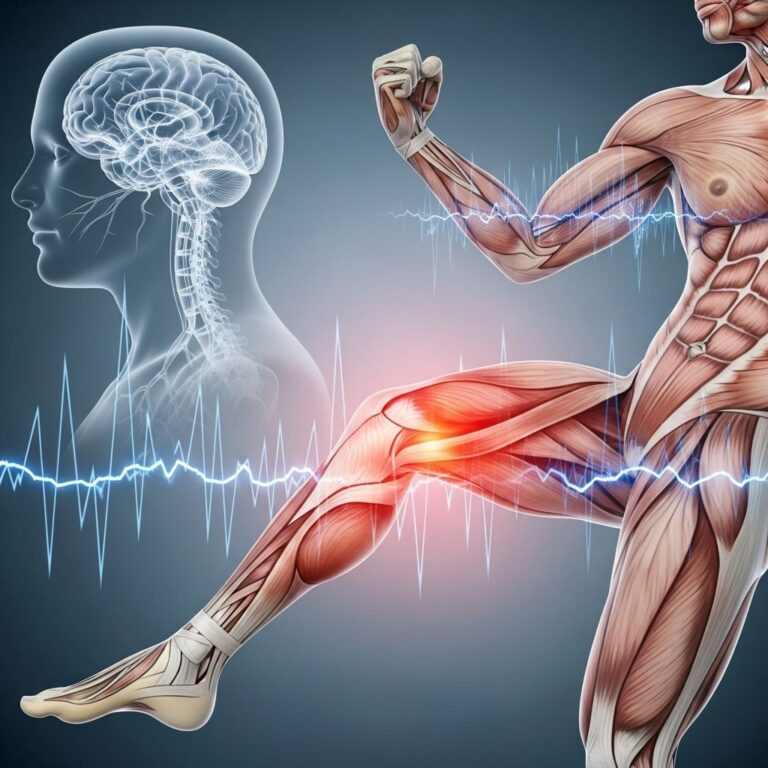
One of dopamine’s most important functions is controlling voluntary movement. Your brain uses dopamine to coordinate muscle contractions and execute movements. This is why dopamine deficiency is so closely associated with Parkinson’s disease, a condition characterized by tremors, rigidity, and difficulty initiating movement. Without adequate dopamine, your brain cannot properly send signals to your muscles, making everyday activities increasingly difficult.
Mood and Motivation
Dopamine creates feelings of pleasure and satisfaction when you accomplish something rewarding. This function motivates you to repeat enjoyable behaviors and achieve goals. When dopamine levels are healthy, you feel motivated to engage in productive activities and experience appropriate pleasure from accomplishments. Conversely, when dopamine is depleted, motivation decreases and depression often follows.
Memory and Learning
Your ability to form new memories and learn depends partly on dopamine function. This neurotransmitter helps consolidate information into long-term memory and supports the learning process. When dopamine signaling is impaired, both memory formation and the ability to acquire new skills become compromised.
Sleep and Wakefulness
Dopamine plays a regulatory role in your sleep-wake cycle. It helps maintain alertness during the day and supports normal sleep patterns at night. Disruptions in dopamine function can lead to sleep disturbances, insomnia, or excessive daytime sleepiness.
Focus and Concentration
The ability to maintain attention and concentrate on tasks depends on proper dopamine function in your prefrontal cortex. When dopamine levels are optimal, you can focus effectively and maintain attention. When they’re low, concentration becomes difficult and mental fog may develop.
Hormonal and Metabolic Regulation
Beyond the brain, dopamine acts as a hormone to regulate several important physiological processes. It helps control blood vessel dilation and constriction, manages salt and urine production, influences insulin secretion, and affects digestive function. These systemic effects demonstrate that dopamine impacts far more than just mood and movement.
Related Stories



Health Conditions Associated with Dopamine Imbalance
When dopamine levels become too low or too high, or when dopamine receptors don’t function properly, serious health conditions can develop. Understanding these connections helps explain why dopamine balance is so critical.
Parkinson’s Disease
Parkinson’s disease is the classic example of a dopamine deficiency disorder. People with Parkinson’s disease have significantly reduced dopamine levels in specific brain areas, leading to progressive movement problems, including tremors, rigidity, and difficulty with voluntary movement. This condition typically develops when dopamine-producing neurons in the substantia nigra degenerate, gradually losing their ability to produce this critical neurotransmitter.
Depression
Depression is closely linked to dopamine imbalance. Low dopamine levels contribute to the lack of motivation, anhedonia (inability to experience pleasure), fatigue, and emotional flatness characteristic of depression. Many antidepressants work partly by increasing dopamine availability in the brain.
Attention-Deficit/Hyperactivity Disorder (ADHD)
ADHD involves dopamine dysregulation in brain areas responsible for attention, impulse control, and executive function. People with ADHD often have difficulty concentrating, organizing tasks, and controlling impulsive behavior due to insufficient dopamine signaling in specific brain regions.
Schizophrenia
Schizophrenia is associated with dopamine imbalance, though the relationship is complex. Some brain regions may have excessive dopamine activity while others have insufficient levels, contributing to psychotic symptoms, disorganized thinking, and behavioral changes.
Restless Leg Syndrome
This condition, characterized by uncomfortable sensations in the legs and an irresistible urge to move them, is linked to dopamine dysfunction. People with restless leg syndrome experience temporary relief when they move their legs, suggesting dopamine pathway involvement in this symptom.
Other Dopamine-Related Conditions
Low dopamine levels can contribute to various other health problems, including chronic constipation, sleep disorders, and memory problems. Additionally, some research links dopamine dysregulation to addiction, as the reward system dysfunction can reinforce compulsive behaviors.
Dopamine Agonists: Medical Treatment
For conditions involving dopamine deficiency, doctors prescribe dopamine agonists—medications that activate dopamine receptors in the brain. These drugs don’t actually provide dopamine but instead mimic dopamine’s effects by activating the same cellular receptors that dopamine normally activates. Your brain cells can’t distinguish between dopamine and dopamine agonists, so they respond similarly to both.
How Dopamine Agonists Work
Dopamine agonists are useful precisely because they interact with dopamine receptors the same way dopamine does. By activating these receptors, they can improve symptoms in conditions where natural dopamine production is insufficient. This mechanism makes them especially valuable for treating movement disorders and certain psychiatric conditions.
Common Uses
Dopamine agonists are primary medications for Parkinson’s disease and are approved or used off-label for various conditions affecting movement, mood, sleep, and hormone regulation. They can produce significant clinical improvement and often allow patients to use lower doses of other Parkinson’s medications, extending the effectiveness of those drugs over time.
Side Effects and Risks
While dopamine agonists are effective, they can cause side effects that often increase with higher doses. Common side effects include nausea, dizziness, fatigue, and sleep disturbances. Long-term use may lead to behavioral and mental health changes. Because dopamine agonists affect your brain’s reward and motivation systems, they can influence self-control and lead to compulsive behaviors in some patients.
Dopamine Agonist Withdrawal Syndrome (DAWS)
A significant concern with dopamine agonist medications is dopamine agonist withdrawal syndrome (DAWS), a condition that can occur when patients suddenly reduce or stop their dopamine agonist medications. DAWS affects approximately 15 to 20 percent of people who abruptly decrease their medication dose or discontinue use entirely. In some cases, up to 50 percent of affected patients experience withdrawal symptoms chronically, lasting for months or even years.
DAWS involves a constellation of severe, stereotyped physical and psychological symptoms that correlate with dopamine withdrawal in a dose-dependent manner. These symptoms cause clinically significant distress and are resistant to treatment with levodopa and other Parkinson’s medications, meaning they persist even when other antiparkinsonian treatments are optimized.
Risk Factors for DAWS
Research has identified specific factors that significantly increase the risk of developing DAWS. Patients taking dopamine agonists at doses of 150 milligrams or higher, expressed in levodopa equivalent daily doses (LEDD), face substantially higher risk. Additionally, patients who have experienced impulse control disorder as a side effect of dopamine agonist therapy are at increased risk, as are those with a history of deep brain stimulation for Parkinson’s disease management.
Dopamine Myths and Misconceptions
The Dopamine Detox Myth
Popular wellness trends have promoted “dopamine detoxes”—deliberate abstinence from pleasurable activities to supposedly reset dopamine levels and improve happiness. However, this concept is fundamentally flawed. Dopamine isn’t something you need to eliminate or reduce; it’s essential for every system in your body. You require dopamine to move, sleep, experience pleasure, learn, and maintain motivation.
Attempting to reduce dopamine through abstinence doesn’t work and can be counterproductive. In fact, dopamine detoxes may lead to the very problems they claim to solve, including depression, reduced motivation, sleep disturbances, and impaired cognition. Rather than pursuing dubious detoxes, maintaining overall health through balanced nutrition, adequate sleep, regular exercise, and stress management supports healthy dopamine function.
Frequently Asked Questions
Q: How do I know if I have low dopamine levels?
A: Low dopamine can cause depression, lack of motivation, difficulty concentrating, sleep problems, restless leg syndrome, and movement difficulties. If you experience these symptoms, consult a healthcare provider for proper evaluation and testing. Your doctor can perform appropriate assessments and recommend treatment if necessary.
Q: Can I naturally increase my dopamine levels?
A: While healthy lifestyle choices support normal dopamine function, some conditions require medical treatment. Regular exercise, adequate sleep, stress reduction, balanced nutrition, and social connection all support brain health. However, conditions like Parkinson’s disease or ADHD require medical intervention with dopamine agonists or other prescribed medications.
Q: Are dopamine agonists addictive?
A: Dopamine agonists are not addictive in the traditional sense, but they can lead to compulsive behaviors in some patients due to their effects on the reward system. Additionally, stopping them abruptly can cause withdrawal syndrome. Always follow your doctor’s instructions regarding medication use and changes.
Q: What should I do if I need to stop taking dopamine agonists?
A: Never stop dopamine agonist medications without medical supervision. Abrupt discontinuation can trigger DAWS. Your doctor should supervise any dose adjustments, gradually tapering your medication when necessary to minimize withdrawal symptoms.
Q: Can dopamine levels be tested?
A: Direct measurement of brain dopamine is difficult, but doctors can assess dopamine function through clinical evaluation, symptom assessment, and specialized imaging techniques in certain cases. Neurological examinations and psychiatric evaluations help determine whether dopamine imbalance is likely.
References
- Dopamine agonist withdrawal syndrome associated factors — National Institutes of Health, National Center for Biotechnology Information. 2022-08-30. https://pmc.ncbi.nlm.nih.gov/articles/PMC9335375/
- Dopamine Agonist: What It Is, Uses, Side Effects & Risks — Cleveland Clinic. 2024. https://my.clevelandclinic.org/health/treatments/24958-dopamine-agonists
- Dopamine agonists in the treatment of Parkinson’s disease — Cleveland Clinic Journal of Medicine. 1995. https://www.ccjm.org/content/62/4/212
- Dopamine Detoxes Don’t Work: Here’s What To Do Instead — Cleveland Clinic. 2024. https://health.clevelandclinic.org/dopamine-detox
- Dopamine – what it is, addiction — Healthdirect Australia. 2024. https://www.healthdirect.gov.au/dopamine
Similar Articles








Read full bio of Sneha Tete