Dopamine Injection: Uses, Side Effects & Dosage
Complete guide to dopamine injection therapy: understanding uses, benefits, and important safety considerations.
Dopamine Injection: Overview and Purpose
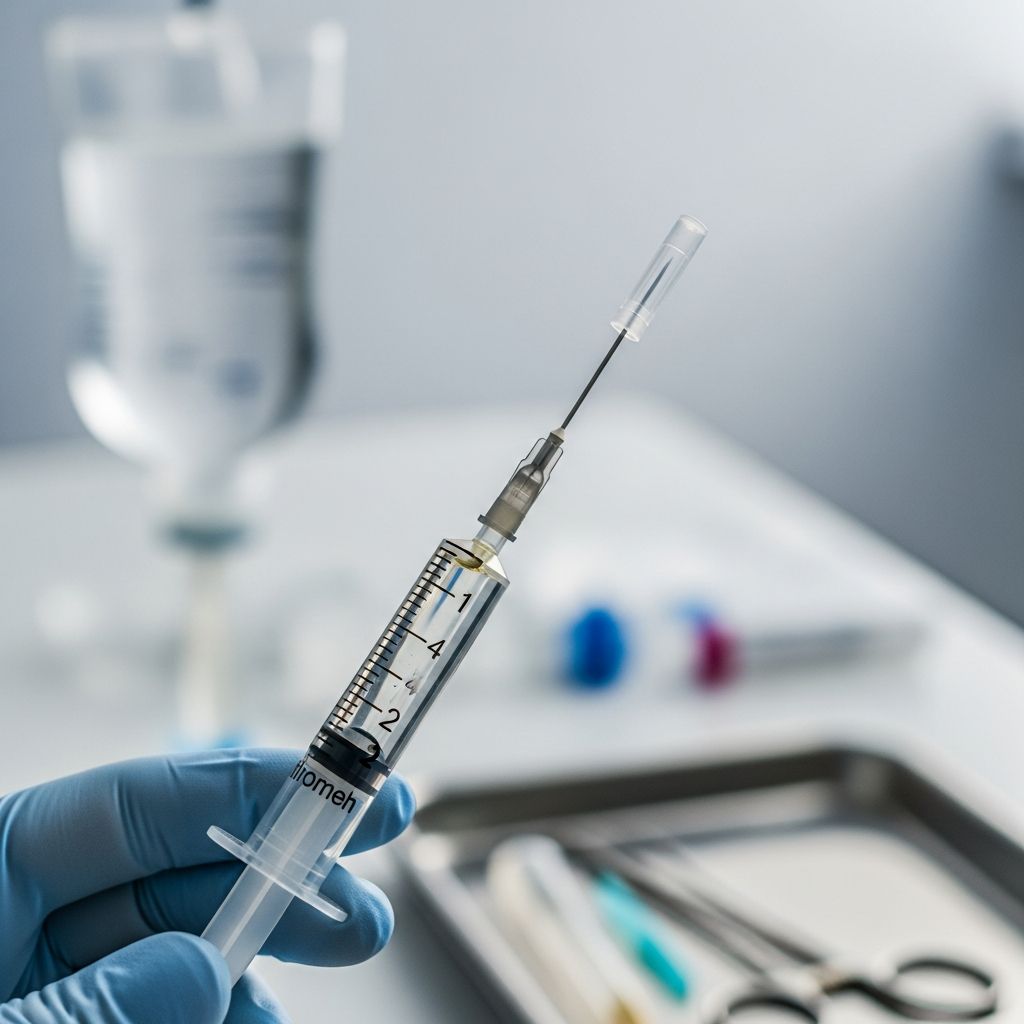
Dopamine injection is a medication administered intravenously to treat specific medical conditions related to low dopamine levels or inadequate blood flow. This injectable form of dopamine works directly in the bloodstream to help restore normal physiological function in patients experiencing critical health emergencies or chronic neurological conditions. Understanding how dopamine injections work, their appropriate uses, and potential side effects is essential for patients and caregivers managing these conditions.
Dopamine is a critical neurotransmitter in the human body that plays a vital role in regulating movement, mood, motivation, and cardiovascular function. When dopamine levels become critically low or when the body cannot effectively utilize dopamine, serious health complications can arise. Dopamine injection provides a direct therapeutic intervention to address these deficiencies in emergency and specialized clinical settings.
What Is Dopamine and How Does It Function?
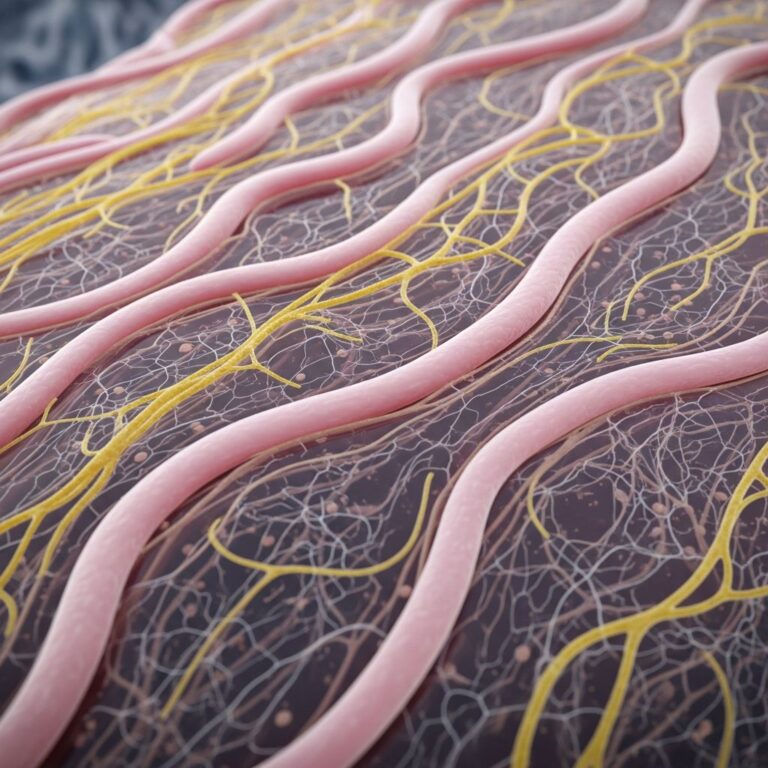
Dopamine is a naturally occurring chemical messenger in the brain and body that transmits signals between nerve cells. This neurotransmitter plays multiple essential roles in human physiology, including regulation of voluntary movement, emotional responses, reward processing, and cardiovascular function. The body produces dopamine from the amino acid tyrosine, and it functions across multiple brain regions and systems throughout the body.
In the central nervous system, dopamine regulates motor control and coordination. Patients with conditions like Parkinson’s disease experience progressive loss of dopamine-producing neurons, leading to characteristic symptoms including tremors, rigidity, bradykinesia (slowness of movement), and postural instability. In the cardiovascular system, dopamine helps regulate heart rate, blood pressure, and blood vessel function. During shock or severe hypotension, dopamine injection can restore critical blood pressure and tissue perfusion.
Indications and Medical Uses
Treatment of Parkinson’s Disease Symptoms
Dopamine injection is used in specialized clinical protocols to manage advanced Parkinson’s disease when oral medications become insufficient. Patients with Parkinson’s disease have low or falling levels of dopamine, which plays a crucial role in movement and coordination. The number of Parkinson’s disease patients has more than doubled in the last 25 years, with approximately 10 million people suffering from the condition worldwide. For patients experiencing motor fluctuations and inadequate symptom control with traditional medications, dopamine-based therapies offer improved outcomes.
Cardiovascular and Hemodynamic Support
Dopamine injection serves as a critical medication in emergency and intensive care settings for patients experiencing shock, severe hypotension, or inadequate tissue perfusion. In these acute situations, dopamine acts on specific receptors in the cardiovascular system to increase heart contractility, elevate blood pressure, and improve blood flow to vital organs. This makes dopamine injection essential for maintaining life in patients with cardiogenic shock, septic shock, or acute decompensated heart failure.
Other Clinical Applications
Beyond Parkinson’s disease and acute cardiovascular conditions, dopamine injection may be used in specific clinical scenarios where dopamine deficiency contributes to disease pathology. Healthcare providers may utilize dopamine injection in research protocols or specialized treatment centers exploring innovative approaches to dopamine-related disorders.
Mechanism of Action
Dopamine injection works by directly introducing the dopamine molecule into the bloodstream, where it can act on dopamine receptors throughout the body. When injected intravenously, dopamine bypasses the blood-brain barrier restrictions that oral dopamine precursors must navigate, allowing for more direct therapeutic effects in certain clinical contexts.
The medication acts on several types of dopamine receptors (D1, D2, D3, D4, and D5), each distributed in different tissues and brain regions. At lower doses, dopamine primarily activates dopamine receptors that increase kidney blood flow and promote urine production. At moderate doses, dopamine increases heart contractility and blood pressure. At higher doses, dopamine activates alpha-adrenergic receptors that cause vasoconstriction and further elevate blood pressure. This dose-dependent pharmacology allows physicians to tailor dopamine therapy to specific patient needs in acute care settings.
Related Stories



Dosage and Administration
Standard Dosing Guidelines
Dopamine injection is administered only intravenously under careful medical supervision in hospital, emergency department, or intensive care unit settings. The medication is supplied as a sterile solution that must be diluted in appropriate intravenous fluids before administration through a central or peripheral intravenous line.
Typical dosing for adult patients begins at 2-5 micrograms per kilogram of body weight per minute, with gradual titration upward based on clinical response and blood pressure targets. Doses may range from 2 to 50 micrograms per kilogram per minute, depending on the clinical indication and individual patient factors. Pediatric dosing follows similar weight-based calculations with appropriate adjustments for the child’s age and clinical condition.
Administration Considerations
Healthcare providers must administer dopamine through a properly functioning intravenous line, preferably a central venous catheter for doses exceeding 10 micrograms per kilogram per minute. The medication requires continuous cardiac monitoring, blood pressure monitoring, and frequent assessment of urine output. Nurses must monitor the intravenous site carefully, as dopamine extravasation (leakage into surrounding tissue) can cause tissue necrosis and damage.
The infusion rate is adjusted based on continuous assessment of patient vital signs, cardiac rhythm, urine output, and tissue perfusion indicators. Patients typically receive dopamine only during acute crises or in specialized clinical programs and are not sent home with dopamine therapy due to the requirement for professional medical monitoring and administration.
Potential Side Effects and Adverse Reactions
Common Side Effects
Patients receiving dopamine injection may experience several side effects related to its stimulant effects on the cardiovascular and nervous systems. Common side effects include:
– Increased heart rate (tachycardia)
– Elevated blood pressure (hypertension)
– Tremor or shakiness
– Anxiety or nervousness
– Headache
– Nausea or vomiting
– Chest discomfort or angina
– Palpitations or irregular heartbeat sensation
Serious and Potentially Life-Threatening Side Effects
More serious adverse reactions can occur, particularly at higher doses or in patients with underlying cardiovascular disease. Severe side effects may include uncontrolled hypertension, cardiac arrhythmias, myocardial infarction (heart attack), acute coronary syndrome, peripheral vasoconstriction with tissue ischemia, and anaphylactic reactions. Extravasation of dopamine into surrounding tissues can cause severe tissue damage and necrosis requiring surgical intervention.
Risk Factors for Adverse Effects
Certain patient populations face heightened risk for serious dopamine injection complications. Patients with coronary artery disease, uncontrolled hypertension, cardiac arrhythmias, thyroid disease, or pheochromocytoma require careful monitoring and may need dose adjustments or alternative therapies. Concurrent use of certain medications, particularly monoamine oxidase inhibitors, can dangerously potentiate dopamine’s effects.
Contraindications and Drug Interactions
Absolute Contraindications
Dopamine injection should not be used in patients with pheochromocytoma (a catecholamine-secreting tumor), as dopamine can trigger a potentially fatal hypertensive crisis. Patients with uncorrected ventricular fibrillation or certain severe cardiac arrhythmias are also contraindicated from receiving dopamine therapy.
Medication Interactions
Dopamine interacts significantly with several medication classes. Monoamine oxidase inhibitors (MAOIs) can cause dangerous potentiation of dopamine’s cardiovascular effects and are generally contraindicated within 14 days of dopamine use. Tricyclic antidepressants may enhance dopamine’s cardiovascular effects. Anesthetic agents may increase the risk of cardiac arrhythmias when combined with dopamine. Beta-blockers may reduce dopamine’s effectiveness, while certain antipsychotic medications may interfere with dopamine’s therapeutic effects.
Special Populations and Precautions
Pregnancy and Lactation
Dopamine injection is generally reserved for acute emergency situations in pregnant patients where maternal hemodynamic support is critical for fetal survival. The medication is typically classified as appropriate for emergency use during pregnancy when benefits clearly outweigh risks. Limited data exists regarding dopamine excretion in breast milk, but emergency use would likely preclude breastfeeding temporarily.
Elderly Patients
Older adults may be more sensitive to dopamine’s cardiovascular effects and require more careful monitoring and potentially lower doses. Age-related changes in cardiovascular function, decreased kidney function, and multiple comorbidities increase the risk of adverse effects in elderly patients receiving dopamine therapy.
Renal and Hepatic Impairment
While dopamine does not undergo hepatic metabolism, patients with liver disease often have associated cardiovascular instability that complicates dopamine use. Patients with renal impairment require careful monitoring, as dopamine’s effects on renal blood flow may altered, and comorbid conditions are more common.
Monitoring and Clinical Considerations
Essential Monitoring Parameters
Patients receiving dopamine injection require continuous monitoring of multiple physiological parameters. Heart rate and cardiac rhythm must be monitored continuously via electrocardiography. Blood pressure requires frequent measurement, typically every 5-15 minutes during titration. Urine output must be measured hourly to assess renal perfusion. Tissue perfusion indicators including skin temperature, capillary refill time, and lactate levels help assess systemic adequacy of dopamine therapy.
Dose Titration and Response Assessment
Dopamine therapy requires individualized titration based on clinical response rather than relying solely on weight-based dosing. The infusion rate is adjusted gradually to achieve specific clinical endpoints such as target blood pressure, adequate urine output (typically 0.5-1 mL/kg/hour), improved tissue perfusion, and reduced lactate levels. The minimum effective dose is maintained, as higher doses increase adverse effect risk without necessarily improving outcomes.
Alternative and Complementary Therapies
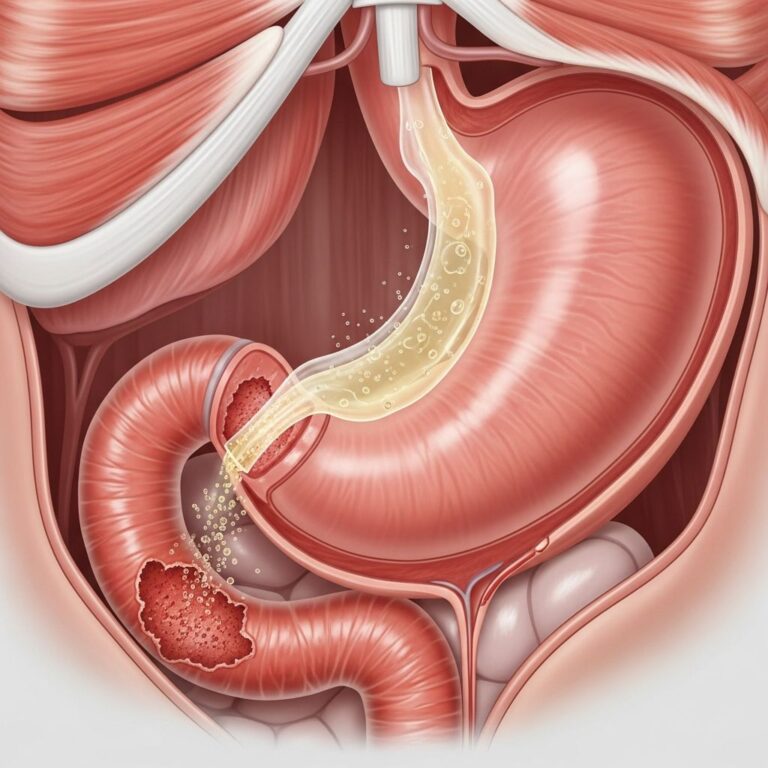
For Parkinson’s disease management, several alternatives to dopamine injection exist. Levodopa combined with carbidopa remains the gold standard oral medication for Parkinson’s disease, as levodopa is converted to dopamine in the brain. Dopamine agonists are drugs that activate dopamine receptors and are used to treat Parkinson’s disease, depression, restless legs syndrome, and other conditions. Innovative gel formulations like Duodopa provide continuous dopamine delivery through intestinal infusion in patients with advanced Parkinson’s disease who have inadequate response to oral medications.
For cardiovascular indications, alternative vasopressors such as norepinephrine, epinephrine, and phenylephrine offer different receptor profiles and may be preferable in specific clinical scenarios. The choice of agent depends on the underlying cause of shock, the desired hemodynamic effects, and patient-specific factors.
Cost, Insurance, and Access Considerations
Dopamine injection is typically administered exclusively in hospital, emergency department, or specialized clinical center settings. Insurance coverage is generally comprehensive for emergency and critical care use, as dopamine represents standard of care in acute shock management. For specialized Parkinson’s disease protocols using dopamine-based infusions, coverage varies by insurance plan and requires prior authorization in many cases.
Frequently Asked Questions
Q: Can patients take dopamine injections at home?
A: No, dopamine injections require administration in a medical facility with continuous monitoring of heart rate, blood pressure, and other vital signs. The medication is only used in acute hospital, emergency, or specialized clinical settings.
Q: How quickly does dopamine injection work?
A: Dopamine begins working within minutes of intravenous administration, with effects becoming apparent within 5-10 minutes as cardiovascular parameters improve or dopamine-dependent symptoms respond.
Q: What is the difference between dopamine injection and oral dopamine medications?
A: Dopamine injection delivers the dopamine molecule directly into the bloodstream for immediate cardiovascular effects, while oral medications like levodopa are converted to dopamine in the brain. Injectable dopamine is reserved for acute emergencies, while oral medications are for chronic disease management.
Q: Can dopamine injection be used long-term?
A: Dopamine injection is not suitable for long-term use outside specialized clinical settings due to the requirement for continuous professional monitoring and intravenous administration. Long-term management of conditions like Parkinson’s disease uses oral medications or other delivery systems.
Q: What should I do if I experience side effects during dopamine therapy?
A: Inform your healthcare provider immediately. Medical personnel can adjust the infusion rate, administer supportive medications, or discontinue dopamine if serious adverse effects occur. Never attempt to adjust dopamine dosing yourself.
Q: Are there any natural ways to increase dopamine instead of using injections?
A: For chronic dopamine deficiency, oral medications like levodopa and dopamine agonists are first-line treatments. Lifestyle modifications including exercise, adequate sleep, and stress reduction support dopamine function. Dopamine injections are reserved strictly for acute medical emergencies.
References
- New Treatment For Advanced Parkinson’s Disease In Abu Dhabi Puts Emirati Patient Back In The Driver’s Seat — Cleveland Clinic Abu Dhabi. 2024. https://www.clevelandclinicabudhabi.ae
- Dopamine: What It Is, Function & Symptoms — Cleveland Clinic. 2024. https://my.clevelandclinic.org/health/articles/22581-dopamine
- Dopamine Agonist: What It Is, Uses, Side Effects & Risks — Cleveland Clinic. 2024. https://my.clevelandclinic.org/health/treatments/24958-dopamine-agonists
- Apomorphine (Apokyn) Injection: Uses & Side Effects — Cleveland Clinic. 2024. https://my.clevelandclinic.org/health/drugs/19850-apomorphine-injection
- Dopamine Antagonist: What It Is, Uses, Side Effects & Risks — Cleveland Clinic. 2024. https://my.clevelandclinic.org/health/treatments/24962-dopamine-antagonists
- Chlorpromazine Injection – Cleveland Clinic — Cleveland Clinic. 2024. https://my.clevelandclinic.org/health/drugs/20263-chlorpromazine-injection
Similar Articles








Read full bio of Sneha Tete