Dopamine: Comprehensive Guide To Pleasure And Addiction
Understand how dopamine drives pleasure, motivation, and reward in your brain and body.
Dopamine: The Pathway to Pleasure
Dopamine is one of the most fascinating and misunderstood neurotransmitters in the human brain. Often called the “feel-good” chemical, dopamine plays a crucial role in how we experience pleasure, seek rewards, and maintain motivation. However, the relationship between dopamine and pleasure is far more complex than popular culture suggests. Understanding this powerful neurotransmitter is essential for comprehending human behavior, motivation, and the mechanisms underlying addiction.
This comprehensive guide explores dopamine’s multifaceted role in the brain and body, examining how it influences our daily decisions, shapes our behaviors, and can sometimes lead to compulsive patterns of activity. Whether you’re curious about the neurochemistry of reward or seeking to understand the basis of addictive behaviors, this article provides detailed insights into dopamine’s pathway to pleasure.
What is Dopamine?
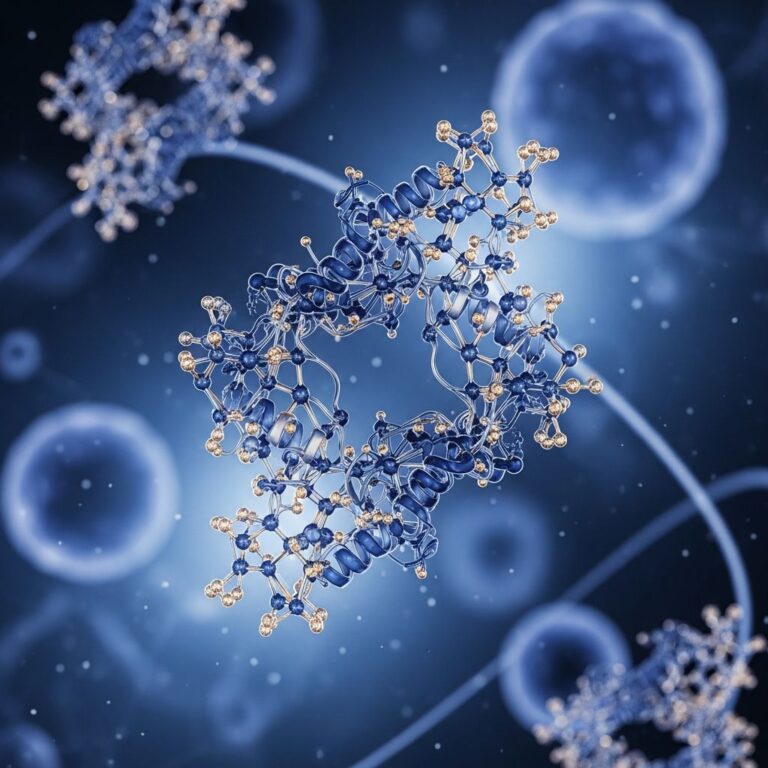
Dopamine is a neurotransmitter—a chemical messenger in the brain that transmits signals between neurons. It belongs to a class of compounds called catecholamines and is synthesized from the amino acid tyrosine. Unlike many neurotransmitters that are confined to specific regions of the brain, dopamine is widely distributed throughout the nervous system, contributing to numerous physiological and psychological functions.
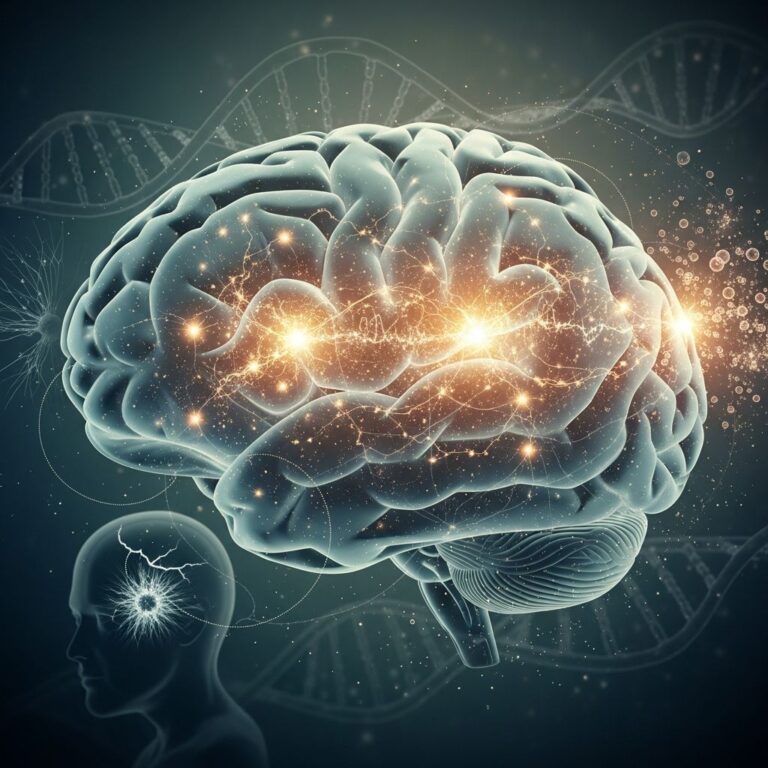
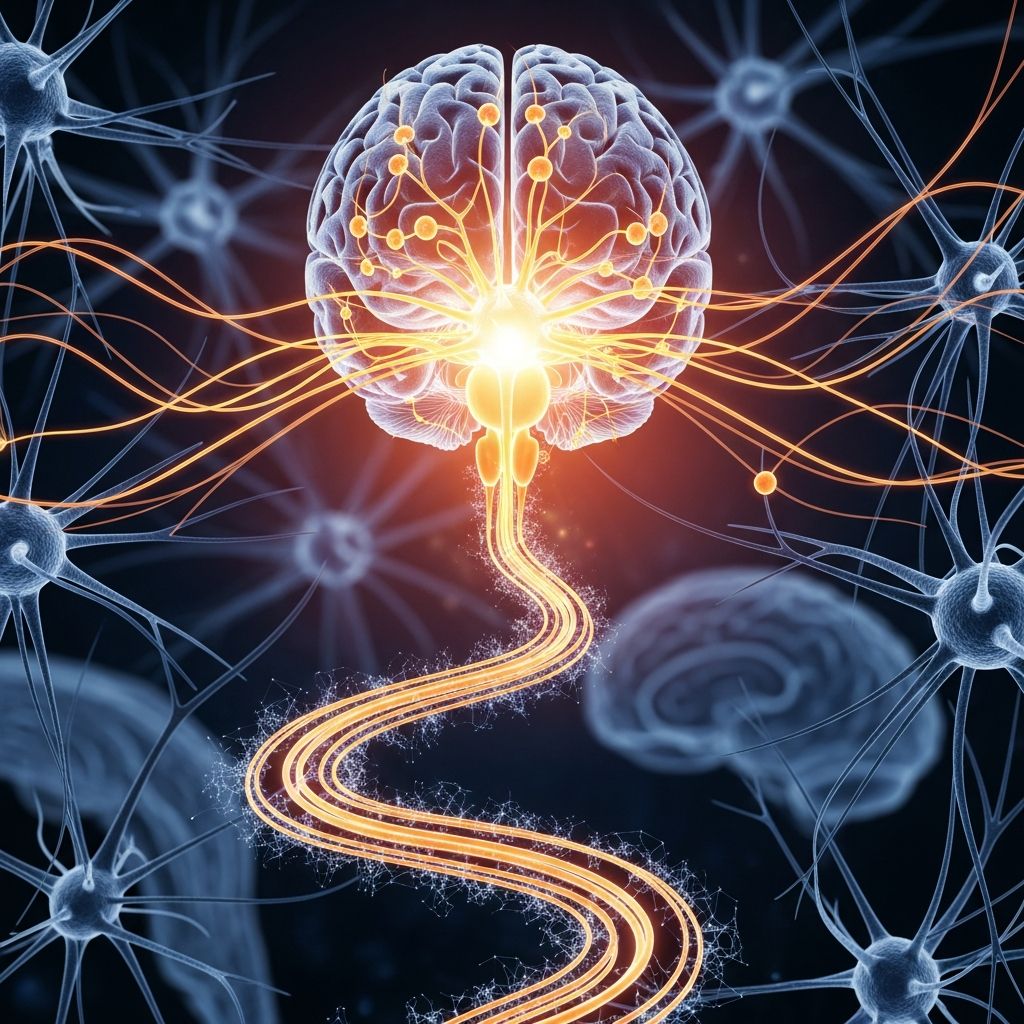
The neurotransmitter operates by binding to specific receptors on nerve cells, initiating a cascade of biochemical events that influence everything from motor control to emotional regulation. Dopamine exists in several brain pathways, each serving distinct purposes. The nigrostriatal pathway controls movement, the mesolimbic pathway is involved in reward and pleasure, and the mesocortical pathway influences cognition and emotion.
The Primary Functions of Dopamine
Dopamine serves multiple critical functions in the human body and brain, extending far beyond simple pleasure sensation. Understanding these diverse roles provides insight into why dopamine is essential for optimal health and functioning.
Movement and Motor Control
One of dopamine’s most important functions is regulating voluntary movement. The neurotransmitter ensures smooth, coordinated muscle contractions and motor planning. When dopamine levels are insufficient, movement becomes difficult and uncoordinated, as seen in Parkinson’s disease, where degeneration of dopamine-producing neurons leads to tremors, rigidity, and difficulty initiating movement.
Motivation and Goal-Directed Behavior
Dopamine is fundamentally linked to motivation. It doesn’t simply reward you after achieving a goal; it creates the drive to pursue goals in the first place. This distinction is critical: dopamine creates “wanting,” not just the satisfaction of having obtained something. When dopamine levels are optimal, you feel motivated to pursue activities, tackle challenges, and engage with your environment.
The Reward System and Pleasure
The reward system is perhaps dopamine’s most famous function. When you engage in pleasurable activities—eating delicious food, exercising, achieving success, or spending time with loved ones—dopamine is released. This neurotransmitter reinforces these behaviors by creating positive associations, encouraging you to repeat them in the future. However, it’s important to note that dopamine doesn’t directly create the feeling of pleasure; rather, it drives the desire to repeat rewarding behaviors.
Cognitive Functions
Dopamine significantly influences cognitive abilities including attention, learning, working memory, and executive functions such as planning and decision-making. Adequate dopamine levels enhance focus and mental clarity, while deficiency can lead to difficulties concentrating and impaired cognitive performance.
Related Stories



How Dopamine is Released
Dopamine release is a sophisticated, self-regulating process that the brain controls automatically based on perceived rewards and beneficial behaviors. Understanding what triggers dopamine release illuminates why certain activities feel rewarding and how the brain decides what behaviors to encourage.
Natural Triggers for Dopamine Release
Your brain releases dopamine in response to activities it perceives as beneficial or pleasurable. These include:
- Food and Eating: Consuming favorite foods triggers substantial dopamine release. Interestingly, even the anticipation of eating something delicious can elevate dopamine levels before you consume it.
- Physical Exercise: During exercise, the brain releases dopamine in small bursts that both motivate continued movement and create the pleasurable sensation associated with physical activity.
- Social Interaction: Spending time with loved ones, receiving recognition, or engaging in meaningful relationships triggers dopamine release, reinforcing the importance of social bonding.
- Achievement and Success: Accomplishing goals, no matter how small, causes dopamine release that reinforces goal-directed behavior.
- Learning and Novelty: Discovering new information or experiencing novel situations stimulates dopamine, encouraging exploration and cognitive engagement.
- Intimate Relationships: Sexual activity and romantic bonding produce significant dopamine release, strengthening pair bonding and reproductive behaviors.
The Prediction Error Model
Modern neuroscience has revealed that dopamine release is governed by what researchers call the “prediction error” model. Dopamine is released not just when you experience a reward, but specifically when a reward is larger than expected. If you anticipate a small reward and receive a large one, dopamine surges. Conversely, if you expect a large reward but receive a small one, dopamine actually decreases below baseline levels. This mechanism keeps the brain constantly updating its understanding of the world and adjusting behavior accordingly.
Dopamine and the Pleasure Response
There’s a common misconception that dopamine directly creates the feeling of pleasure. In reality, the relationship is more nuanced. Dopamine is more accurately described as the “motivation” neurotransmitter rather than the “pleasure” neurotransmitter. When dopamine is released, you experience an urge or desire to repeat a behavior—a craving, in a sense.
The actual sensation of pleasure involves multiple neurotransmitters and brain regions. Once you obtain what you’re craving and engage in the rewarding activity, other neurochemicals like endorphins may contribute to the felt sense of pleasure. Dopamine’s role is to establish the connection between the behavior and the reward, creating motivation to repeat it.
This distinction has important implications. It explains why people can feel motivated to pursue behaviors (high dopamine) without actually enjoying them once they engage in them. It also illuminates addiction: addictive substances create such intense dopamine surges that the motivation to repeat use becomes overwhelming, even as the actual pleasure diminishes over time.
Dopamine and Addiction
The relationship between dopamine and addiction is one of the most critical aspects of neuroscience. Understanding this connection is essential for comprehending why addiction develops and how treatment approaches can help restore balance.
How Addictive Substances Hijack the Reward System
Addictive drugs and substances artificially stimulate dopamine release, causing surges far exceeding those produced by natural rewards. Cocaine, methamphetamine, and other stimulants directly increase dopamine levels in the nucleus accumbens, the brain’s pleasure center. Opioids work differently—they bind to opioid receptors, which then trigger dopamine release—but the result is similarly intense dopamine surges.
These artificially elevated dopamine levels create intense feelings of pleasure and motivation that far surpass what natural rewards like food or social interaction can produce. The brain quickly learns the association between the substance and this overwhelming reward signal, creating powerful motivation to use again.
Neuroadaptation and Tolerance
With repeated substance use, the brain adapts to the abnormally high dopamine levels. To maintain homeostasis, the brain reduces dopamine production and downregulates dopamine receptors—essentially making itself less responsive to dopamine. This adaptation means that over time, the same dose produces less intense pleasure, driving users to take larger amounts or use more frequently.
More critically, this neuroadaptation extends to natural rewards. Activities that once produced pleasure—eating favorite foods, socializing, exercising—no longer trigger sufficient dopamine to feel rewarding. The brain has essentially been recalibrated to the artificially high dopamine levels created by drugs, making normal life feel dull and unrewarding by comparison.
The Cycle of Craving and Compulsion
As natural dopamine production decreases and baseline dopamine levels fall below normal, individuals experience anhedonia—the inability to feel pleasure from previously rewarding activities. This creates intense cravings for the substance that temporarily restores dopamine levels. What began as seeking pleasure evolves into compulsive drug use aimed at normalizing dopamine function and alleviating the dysphoria of dopamine deficiency.
The prefrontal cortex, responsible for decision-making and impulse control, becomes compromised through continued drug use. This allows the limbic system, which drives motivated behavior around rewards, to dominate decision-making. The result is compulsive drug-seeking behavior that overrides rational judgment and other priorities.
Dopamine’s Role in Motivation and Behavior
Beyond addiction, dopamine plays a fundamental role in shaping everyday motivation and behavior. The neurotransmitter essentially answers the question: “Is this worth doing again?”
When you engage in an activity and experience a dopamine release, your brain encodes that experience as valuable and worth repeating. Over time, repeated dopamine-reinforced behaviors become habitual. This is how dopamine contributes to both positive habit formation—like regular exercise routines—and problematic compulsions.
The relationship between dopamine and behavior explains why motivation varies so much between individuals and situations. Genetic differences in dopamine production and receptor sensitivity influence baseline motivation levels. Environmental factors, stress, sleep, nutrition, and social factors all influence dopamine function and, consequently, motivation.
Dopamine and Mood
While dopamine is primarily a motivation neurotransmitter rather than a mood neurotransmitter, it significantly influences emotional states. Low dopamine is associated with depression, anhedonia, and lack of motivation. Individuals with depression often report that activities feel pointless and unrewarding—a dopamine-related symptom. Antidepressant medications that increase dopamine availability can improve motivation and interest in activities alongside mood improvement.
The interaction between dopamine and other neurotransmitter systems, particularly serotonin and norepinephrine, creates complex effects on mood and emotional regulation. Dopamine’s role in motivation and goal-directed behavior means that inadequate dopamine can create a sense of helplessness and hopelessness characteristic of depression.
Factors That Influence Dopamine Function
Several lifestyle and environmental factors significantly impact dopamine production, release, and receptor sensitivity:
- Sleep: Adequate sleep is essential for optimal dopamine function. Sleep deprivation reduces dopamine availability and impairs motivation and cognitive function.
- Exercise: Physical activity increases dopamine production and release, improving mood, motivation, and cognitive function.
- Nutrition: The amino acid tyrosine, found in protein-rich foods, is a precursor to dopamine. Adequate protein intake supports dopamine synthesis.
- Stress: Chronic stress can dysregulate dopamine function, reducing motivation and increasing vulnerability to addictive behaviors.
- Social Connection: Meaningful social interactions enhance dopamine function and mood.
- Novelty and Learning: Engaging in new experiences and learning stimulates dopamine release.
- Substance Use: Drugs and alcohol can either acutely elevate dopamine (causing addiction) or chronically dysregulate dopamine systems.
Dopamine Dysregulation and Mental Health
Imbalances in dopamine function contribute to various mental health conditions. Understanding these relationships opens pathways to more effective treatment approaches.
Depression: Low dopamine contributes to depression, particularly affecting motivation, pleasure, and energy levels. Some antidepressants work partly by increasing dopamine availability.
Attention-Deficit/Hyperactivity Disorder (ADHD): ADHD involves dopamine dysregulation affecting attention, impulse control, and motivation. Stimulant medications used to treat ADHD work by increasing dopamine availability in the prefrontal cortex.
Addiction Disorders: As discussed extensively above, addiction fundamentally involves dopamine system dysregulation, with the brain’s reward system becoming dependent on artificial dopamine surges from addictive substances.
Schizophrenia: Excessive dopamine signaling in certain brain regions contributes to psychotic symptoms in schizophrenia, while antipsychotic medications work by blocking dopamine receptors.
Recovery and Restoring Dopamine Balance
After addiction or significant dopamine dysregulation, the brain can gradually restore balance through abstinence and healthy lifestyle changes. This neuroplasticty—the brain’s ability to reorganize and form new connections—is the foundation of recovery.
During early recovery from addiction, the dopamine deficit state creates anhedonia and low motivation. This is why recovery is so challenging in early stages—natural rewards feel unrewarding while craving the substance remains intense. However, over weeks and months of abstinence, dopamine receptors upregulate, dopamine production recovers, and natural rewards gradually become pleasurable again.
Treatment approaches including medication-assisted treatment (MAT), therapy, exercise, healthy sleep, nutrition, and social support all facilitate dopamine system recovery by supporting healthy dopamine function while the brain heals.
The Modern Dopamine Challenge
Contemporary society presents novel challenges to dopamine regulation. Digital technologies, particularly smartphones and social media, deliver rapid, unpredictable rewards that stimulate dopamine release. Like the hypodermic needle delivering heroin, smartphones serve as the modern delivery mechanism for digital dopamine.
Easy access combined with speedy reward creates conditions that can dysregulate dopamine systems in ways similar to addiction. The chronic elevation of dopamine from constant digital rewards can reduce sensitivity to natural rewards, creating a “dopamine deficit state” where normal life feels unsatisfying.
This modern phenomenon highlights why understanding dopamine is increasingly relevant. As we navigate a world of engineered rewards and instant gratification, maintaining healthy dopamine function requires conscious awareness and deliberate choices.
Frequently Asked Questions
Q: Does dopamine directly cause the feeling of pleasure?
A: No. Dopamine creates motivation and “wanting” rather than the direct sensation of pleasure. It drives you to repeat rewarding behaviors, but the actual feeling of pleasure involves other neurotransmitters and brain regions. Dopamine’s role is establishing the connection between a behavior and its reward.
Q: Can I control my dopamine release?
A: You cannot directly control dopamine release, as it’s an automatic, self-regulating process. However, you can influence dopamine function through lifestyle choices: regular exercise, adequate sleep, healthy nutrition, stress management, social connection, and engaging in novel learning experiences all support healthy dopamine function.
Q: Why does addiction involve dopamine?
A: Addictive substances create dopamine surges far exceeding natural rewards, hijacking the brain’s reward system. The brain adapts by reducing dopamine production, creating a deficit state where natural rewards feel unrewarding while cravings for the substance intensify, leading to compulsive use.
Q: How long does dopamine recovery take after addiction?
A: Dopamine system recovery is gradual and varies by individual and substance. Some research suggests initial dopamine recovery occurs over weeks to months, but full normalization of the reward system can take 6-18 months or longer, depending on the extent of prior dysregulation and the recovery environment.
Q: Can dopamine levels be too high?
A: Yes. Excessive dopamine or overstimulation of dopamine receptors is associated with psychotic symptoms, anxiety, and compulsive behaviors. Balance is essential; both deficiency and excess dopamine create problems. This is why antipsychotic medications work by blocking some dopamine signaling in individuals with schizophrenia.
References
- Dopamine: Function, Release, Addiction Impact And Detox — Right Choice Recovery. 2024. https://rightchoicerecoverynj.com/addiction/dopamine/
- What is Dopamine? — Mental Health America. Accessed 2025. https://mhanational.org/resources/what-is-dopamine/
- Dopamine Addiction & Brain Rewiring — Maple Mountain Recovery. https://maplemountainrecovery.com/blog/what-is-dopamine-addiction-and-how-can-you-rewire-your-brain/
- Addictive potential of social media, explained — Stanford Medicine. 2021. https://med.stanford.edu/news/insights/2021/10/addictive-potential-of-social-media-explained.html
Similar Articles








Read full bio of Sneha Tete