Double Vision (Diplopia): Causes, Diagnosis & Treatment
Understanding diplopia: Learn about causes, symptoms, diagnosis, and effective treatment options for double vision.
Understanding Double Vision (Diplopia)
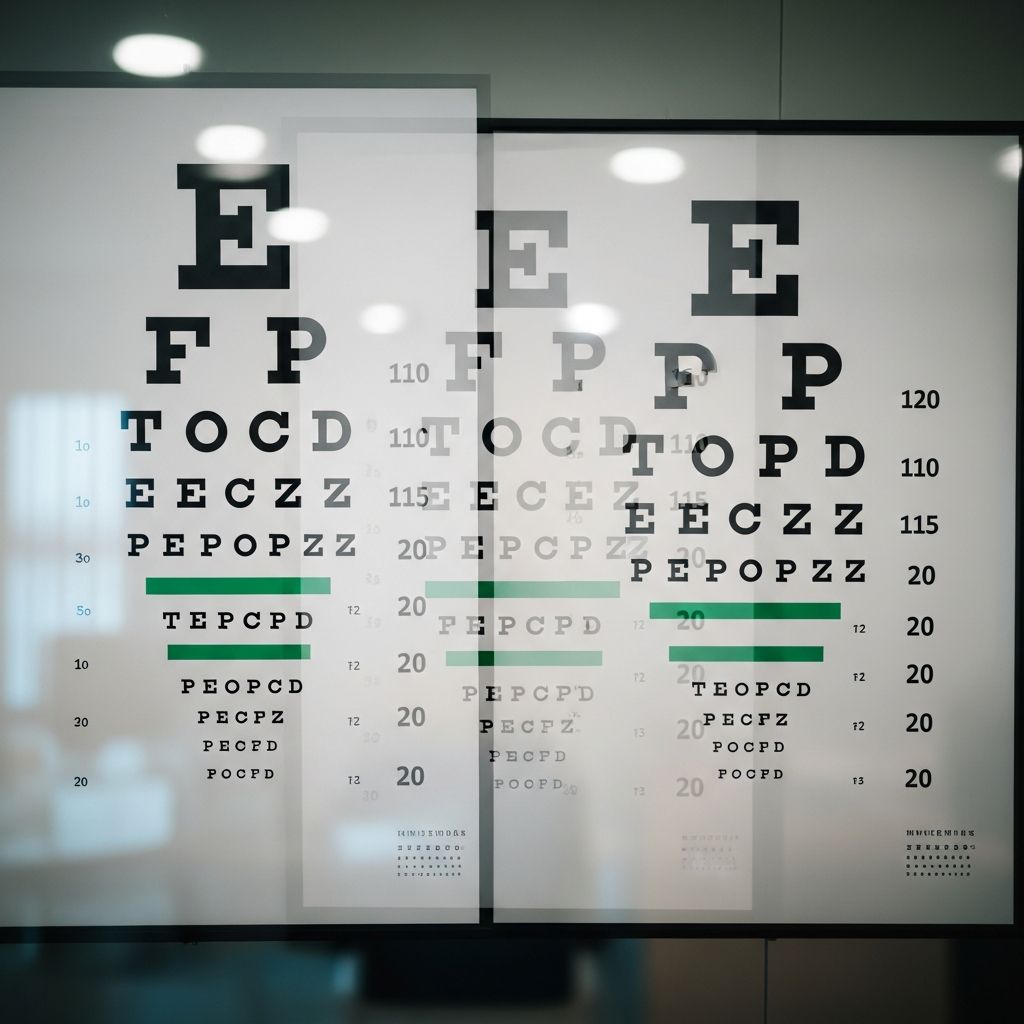
Diplopia is the medical term for double vision, which occurs when you see two images of a single object you’re looking at. While double vision is usually a temporary issue, it can sometimes signal more serious health conditions affecting your eyes, brain, or the nerves and muscles that control eye movement. It’s crucial to get your eyes checked right away when you notice any changes in your vision, as diplopia can decrease your depth perception, making driving or walking more difficult and potentially unsafe.
How Common Is Double Vision?
Double vision is remarkably common, affecting hundreds of thousands of Americans annually. Experts estimate that more than 800,000 people visit an eye care specialist each year because they’re experiencing some form of double vision. Additionally, around 50,000 people annually go to the emergency room specifically for double vision, making it one of the most frequent reasons people seek emergency care for vision-related issues.
Types of Double Vision
An eye care specialist will classify your double vision into specific categories based on your symptoms and underlying causes.
Monocular vs. Binocular Diplopia
Eye care specialists distinguish between two main types of diplopia. Monocular diplopia occurs when you see double with only one eye open, typically caused by problems within that single eye such as corneal irregularities, cataracts, or lens problems. Binocular diplopia, the more common presentation, disappears when either eye is covered and results from eye muscle misalignment rather than an optical defect. Binocular diplopia is concerning because it can herald neurological emergencies such as stroke or brain aneurysm.
Directional Classification
Your eye care specialist might also classify diplopia as vertical or horizontal depending on where the doubled images appear in your vision. This classification helps determine the specific eye muscles involved and guides treatment decisions.
What Causes Double Vision?
Numerous conditions can cause diplopia. Anything that affects your brain, your eyes, or the nerves and muscles that control them can lead to double vision. Understanding the underlying cause is essential for effective treatment.
Eye-Related Causes
Common eye problems that cause double vision include strabismus (eye muscle weakness), corneal irregularities, cataracts, and other lens problems. These conditions create refractive errors where light hits two areas of the retina instead of one, resulting in double images.
Neurological Causes
The nerves controlling eye movement—cranial nerves III, IV, and VI—are critical for coordinated vision. Damage anywhere along these nerves from diabetes, trauma, or stroke disrupts eye position and creates double vision. Brainstem and cerebellar lesions, including tumors or multiple sclerosis plaques in these regions, can produce sudden, fluctuating double images.
Systemic Conditions
Several systemic health conditions can trigger diplopia. Thyroid eye disease causes orbital fat inflammation that affects eye muscle function. Myasthenia gravis, an autoimmune neuromuscular disorder, weakens the muscles controlling eye movement. Giant cell arteritis, a vascular inflammation affecting adults over 50, can cause double vision accompanied by eye pain and requires immediate high-dose steroids to prevent blindness.
Related Stories



Traumatic Causes
Rapid-onset double vision after head injury may suggest orbital fracture, where trapped eye muscles can lead to permanent loss of movement unless surgically released within 24 hours.
Associated Symptoms
Beyond seeing double, you might experience other symptoms depending on the underlying cause:
- Eye pain or discomfort
- Headaches (potentially severe)
- Weakness or slurred speech
- Dizziness or balance problems
- Eye redness or tearing
- Difficulty focusing
When to Seek Emergency Care
While most cases of double vision are temporary, certain presentations require immediate medical attention. The combination of severe headache and double vision may indicate brain bleeding from a ruptured aneurysm, requiring emergency surgery within hours. Diplopia with weakness or slurred speech points to stroke, a condition where every minute matters—fast thrombolysis can salvage brain tissue if given in the first 4.5 hours. New diplopia with eye pain signals giant cell arteritis in adults over 50, necessitating immediate high-dose steroids. Additionally, double vision that doesn’t go away in a few hours warrants emergency evaluation.
Approximately 16% of double-vision cases involve potentially life-threatening causes such as aneurysm or stroke, making same-day evaluation critical. Seek immediate emergency care if you experience:
- Double vision that persists beyond a few hours
- Double vision accompanied by severe headache
- Double vision with weakness, numbness, or slurred speech
- Double vision following head trauma
- Double vision with eye pain in patients over 50
- Sudden onset of double vision with neurological symptoms
Diagnosis of Double Vision
Proper diagnosis is essential for identifying the underlying cause and developing an effective treatment plan.
Initial Assessment
An eye care specialist begins with a comprehensive eye examination and detailed medical history. If you have monocular diplopia, you likely won’t need additional tests beyond basic eye examination. However, binocular diplopia typically requires more extensive evaluation.
Diagnostic Tests
For binocular diplopia, your eye care specialist might order several tests to identify issues with your bones, muscles, brain, or spine:
| Test Type | Purpose |
|---|---|
| Cover-Uncover and Prism Tests | Measure misalignment between eyes; prism values over 15 diopters often need surgery or prism glasses |
| MRI or CT Scans | Look for structural lesions, tumors, or abnormalities in the brain and eye area |
| Blood Tests | Screen for thyroid disorders, autoimmune conditions, and inflammatory markers like ESR/CRP |
| Imaging Studies | Detect orbital fractures, muscle entrapment, or other anatomical issues |
Treatment Options for Double Vision
Treatment depends on what’s causing the diplopia. Your eye care specialist or healthcare provider will treat the underlying cause while managing your symptoms.
Optical Corrections
Some people only need new or adjusted glasses or contacts to correct refractive errors. Prism correction works by bending light entering the eye so it falls on the correct part of the retina, producing one image instead of two. Custom prism lenses resolve diplopia in approximately 80% of stable strabismus cases.
Eye Patching and Occlusive Devices
You might have to cover one eye temporarily or wear a special contact lens to help your eyes regain their usual sight. An eye patch or occlusive lens provides instant symptom relief while the underlying cause is investigated.
Medication-Based Treatments
Medications target the underlying disease rather than just the symptom. Steroids treat thyroid eye disease, pyridostigmine addresses myasthenia gravis, and intravenous antibiotics combat orbital cellulitis.
Botulinum Toxin Injections
When eye muscle imbalance is temporary or surgery is deferred, doctors can inject botulinum toxin into an extraocular muscle to straighten the eye and reduce double vision. This non-surgical alignment option provides a valuable alternative when immediate surgery isn’t appropriate.
Surgical Intervention
Refractory cases may undergo muscle recession surgery to realign the eyes. If you need surgery to correct issues like cataracts, recovery typically takes a few weeks.
Managing Your Daily Routine
While your double vision is being treated, you shouldn’t drive or do anything else that could hurt yourself or others while your vision is impaired. Depending on what’s causing the diplopia, you might need to make adjustments to your daily activities until your vision normalizes.
Prognosis and Recovery
The timeline for recovery depends on what’s causing your double vision. Some cases go away on their own, while others won’t improve until your eye care specialist treats the underlying cause. Most cases of diplopia are temporary, and the double vision might disappear without intervention. However, if you have double vision more than once or if it comes and goes, you could have transient (intermittent) diplopia. Even if your symptoms clear up independently, you should see an eye care specialist or healthcare provider for proper evaluation and monitoring.
Frequently Asked Questions
Q: What should I do if I suddenly start seeing double?
A: Visit your eye care specialist as soon as you notice any changes in your vision. Go to the emergency room if the double vision doesn’t resolve within a few hours or is accompanied by severe headache, weakness, slurred speech, or eye pain.
Q: Is double vision always serious?
A: Not necessarily. While most cases are temporary and resolve on their own or with treatment, double vision can signal serious conditions like stroke or brain aneurysm. That’s why prompt evaluation is essential, even if your symptoms seem mild.
Q: Can glasses fix double vision?
A: Sometimes. If your double vision is caused by refractive error, new glasses or contacts may help. Prism correction is especially effective for eye muscle misalignment, resolving diplopia in about 80% of stable strabismus cases.
Q: When is double vision a sign of stroke?
A: Diplopia accompanied by weakness, numbness, slurred speech, or occurring suddenly warrants immediate emergency evaluation for possible stroke. Time is critical—fast treatment within the first 4.5 hours can salvage brain tissue.
Q: How long does it take to recover from double vision?
A: Recovery time varies depending on the underlying cause. Some cases resolve spontaneously, while others require weeks or months of treatment. If surgery is needed, recovery typically takes a few weeks.
Q: What can I do to prevent double vision?
A: Getting annual eye exams can help catch vision problems early. Managing chronic conditions like diabetes and thyroid disorders, and protecting your eyes from injury also helps prevent diplopia.
When to Contact Your Healthcare Provider
Visit your eye care specialist as soon as you notice any changes in your vision. Whether it’s something as simple as needing new glasses or a more serious condition, don’t wait for symptoms to worsen before having your eyes checked. Consider asking your provider about your specific situation, risk factors, treatment options, and what to expect during recovery.
Key Takeaways
Double vision is a common condition affecting hundreds of thousands of Americans annually. While most cases are temporary, diplopia can sometimes indicate serious neurological conditions requiring immediate medical attention. Prompt evaluation by an eye care specialist is essential to identify the underlying cause and develop an appropriate treatment plan. Getting an annual eye exam can help you catch vision problems early and keep your eyes healthy for years to come.
References
- Double Vision (Diplopia): What It Is, Causes & Treatment — Cleveland Clinic. 2024-08-06. https://my.clevelandclinic.org/health/diseases/22203-diplopia-double-vision
- What Causes Double Vision? — Eureka Health. https://www.eurekahealth.com/resources/what-causes-double-vision-en
- A 69-year-old woman with double vision and lower-extremity weakness, sensory loss, pain, and falls — Cleveland Clinic Journal of Medicine, Vol. 86, No. 6. 2019. https://www.ccjm.org/content/86/6/374
- Got a New Eye Prescription? Here’s What It Means — Cleveland Clinic. https://health.clevelandclinic.org/how-to-read-your-eye-prescription
- Case Study: Double Vision and Bilateral Stranding of Orbital Fat — Cleveland Clinic. https://consultqd.clevelandclinic.org/case-study-double-vision-and-bilateral-stranding-of-orbital-fat
- Eye Diseases: Types, Symptoms, Causes & Treatment Options — Cleveland Clinic. https://my.clevelandclinic.org/health/diseases/eye-diseases
- Clinical Reasoning: An Unusual Cause of Diplopia and Ptosis — Neurology, Vol. 102, No. 8. 2024. https://www.neurology.org/doi/10.1212/WNL.0000000000207676
Similar Articles








Read full bio of medha deb