What Is a Douche? And Should You Use One?
Discover the risks of vaginal douching, why experts strongly advise against it, and safer ways to maintain vaginal health.
The vagina is a self-cleaning organ designed to maintain its own balance of bacteria and pH levels. Despite this natural mechanism, some women turn to vaginal douching—rinsing the inside of the vagina with water or other fluids—for cleaning, odor control, or post-sex hygiene. However, medical experts unanimously advise against this practice due to its significant health risks.
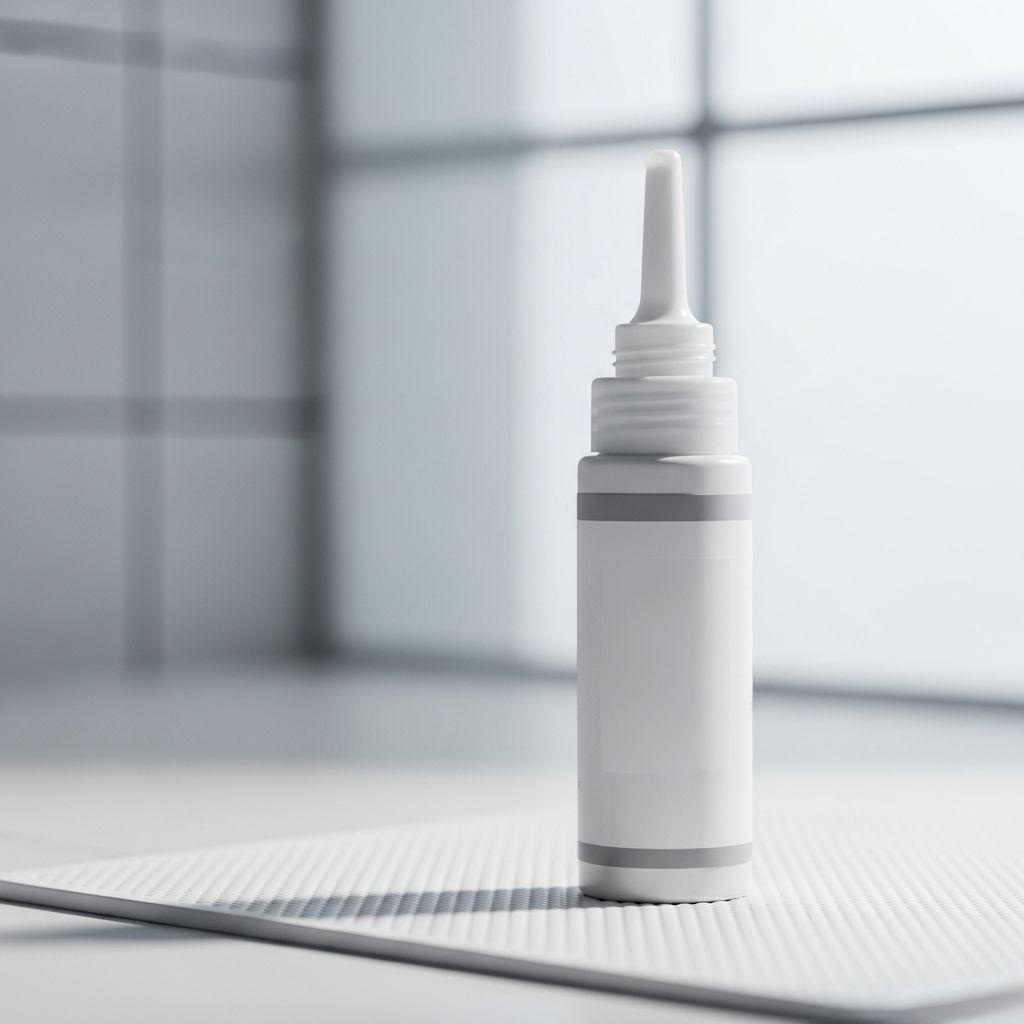
Douching involves using a specially designed bottle, bag, or nozzle to squirt liquid into the vagina. Common solutions include water mixed with vinegar, baking soda, or commercial douches containing antiseptics, fragrances, or antiseptics. While marketed as hygienic, douching disrupts the vaginal ecosystem, leading to serious complications like infections and reproductive issues.
What Is a Douche?
A douche is a device or method for washing the inside of the vagina using a stream of water or a mixture of fluids. Most douches are prepackaged mixes sold in stores, often scented or medicated, but some women create homemade versions with household ingredients like vinegar or iodine.
The practice dates back centuries but gained popularity in the 20th century through advertising that promoted it as essential for “freshness.” In the United States, nearly one in five women aged 15 to 44 report douching, with higher rates among adolescents and certain ethnic groups. Douching is typically done weekly or after menstruation/sex, but frequency correlates with greater harm.
Should You Douche? The Short Answer: No
Doctors and health organizations strongly recommend against douching. The vagina’s healthy pH (around 3.8-4.5) is maintained by lactobacilli bacteria that produce lactic acid, protecting against pathogens. Douching washes away these beneficial microbes, allowing harmful bacteria to overgrow.
According to the Office on Women’s Health, douching provides no benefits and leads to health problems, including infertility. A comprehensive review concludes douching is harmful and should be discouraged due to links with pelvic inflammatory disease (PID), ectopic pregnancy, and other conditions.
Health Risks of Douching
Douching poses multiple risks by altering vaginal flora and pushing bacteria deeper into the reproductive tract. Key dangers include:
- Bacterial Vaginosis (BV): Women who douche weekly are five times more likely to develop BV, an overgrowth of harmful bacteria causing discharge and odor. Cross-sectional studies show recent douching doubles BV prevalence (OR=2.9).
- Pelvic Inflammatory Disease (PID): Douching pushes bacteria into the uterus, tubes, and ovaries, causing PID. Frequent douches elevate PID odds by 2.1-8 times, with a dose-response effect.
- Sexually Transmitted Infections (STIs): Linked to higher chlamydia, gonorrhea, and HIV risk by irritating mucosa and disrupting protective barriers. Adolescents douching monthly have higher chlamydia rates.
- Ectopic Pregnancy: Weekly douchers face twice the risk; more frequent use raises it 4.7-fold due to tubal damage from PID.
- Infertility: Associated with PID-related tubal blockage. Monthly douches hinder conception.
- Preterm Birth and Low Birth Weight: Linked in studies, possibly via ascending infections.
- Cervical Cancer: Possible association via pH changes and metaplasia, though causation unclear.
Related Stories



Meta-analyses confirm frequent douching increases PID, ectopic pregnancy, and cervical cancer risks. Conflicts exist on STI causation—some women douche in response to symptoms—but overall evidence favors harm.
Why Do People Douche?
Common reasons include perceived hygiene, odor elimination, postcoital cleaning, or infection treatment. Cultural norms and marketing perpetuate myths of “cleanliness.” Adolescents may start due to peers or misinformation.
Post-sex douching aims to prevent pregnancy or HIV by flushing semen, but it fails: semen raises pH temporarily, and douching spreads pathogens without efficacy.
Alternatives to Douching for Vaginal Health
Maintain vaginal health safely:
- Wash externally with unscented soap and water.
- Wear cotton underwear; avoid tight clothes.
- Practice safe sex with condoms.
- Eat yogurt or probiotics for lactobacilli support.
- Urinate after sex to flush bacteria.
For issues like odor or discharge, see a doctor—self-treatment worsens problems.
| Myth | Fact |
|---|---|
| Douching cleans the vagina | Vagina self-cleans; douching disrupts flora |
| Douching prevents STIs/pregnancy | Increases STI risk; ineffective for prevention |
| Douching treats infections | Pushes bacteria higher, causing PID |
Frequently Asked Questions (FAQs)
Should I douche to get rid of vaginal odor or discharge?
No. Douching masks symptoms temporarily but worsens infections like BV or yeast. Consult a doctor for itching, burning, or unusual discharge.
Should I douche after sex without protection?
No. It removes protective bacteria, raising STI/HIV risk, and doesn’t prevent pregnancy. Seek emergency contraception/PEP immediately.
Should I douche if sexually assaulted?
No—avoid douching, bathing, or showering to preserve evidence. Go to ER; call 800-656-HOPE for support.
Does douching cause infertility?
Yes, indirectly via PID damaging tubes. Monthly douches correlate with conception difficulties.
Is douching safe if pregnant?
No, linked to preterm birth, low birth weight, ectopic pregnancy.
How common is douching?
About 20% of U.S. women 15-44 douche; higher in adolescents.
(Word count: 1678)
References
- Vaginal Douching: Evidence for Risks or Benefits to Women’s Health — National Library of Medicine. 2008-05-19. https://pmc.ncbi.nlm.nih.gov/articles/PMC2567125/
- Douching Myths, Risks, Realities — Dr. Aliabadi Women’s Health. Accessed 2026. https://www.draliabadi.com/womens-health-blog/to-douche-or-not-to-douche-why-is-this-even-a-question-anymore/
- Douching: A Problem for Adolescent Girls and Young Women — JAMA Pediatrics. 2002. https://jamanetwork.com/journals/jamapediatrics/fullarticle/347522
- Douching — Office on Women’s Health (.gov). Accessed 2026. https://womenshealth.gov/a-z-topics/douching
- Vaginal douching and adverse health effects: a meta-analysis — American Journal of Public Health. 1997-07. https://ajph.aphapublications.org/doi/abs/10.2105/AJPH.87.7.1207
- Vaginal Douching: Evidence for Risks or Benefits to Women’s Health — Epidemiologic Reviews, Oxford Academic. 2002. https://academic.oup.com/epirev/article-abstract/24/2/109/534985
Similar Articles








Read full bio of Sneha Tete