Dowling-Degos Disease: Genetic Causes, Symptoms & Treatment
Rare genetic skin disorder causing reticulate hyperpigmentation in flexures, with variants and limited treatments.
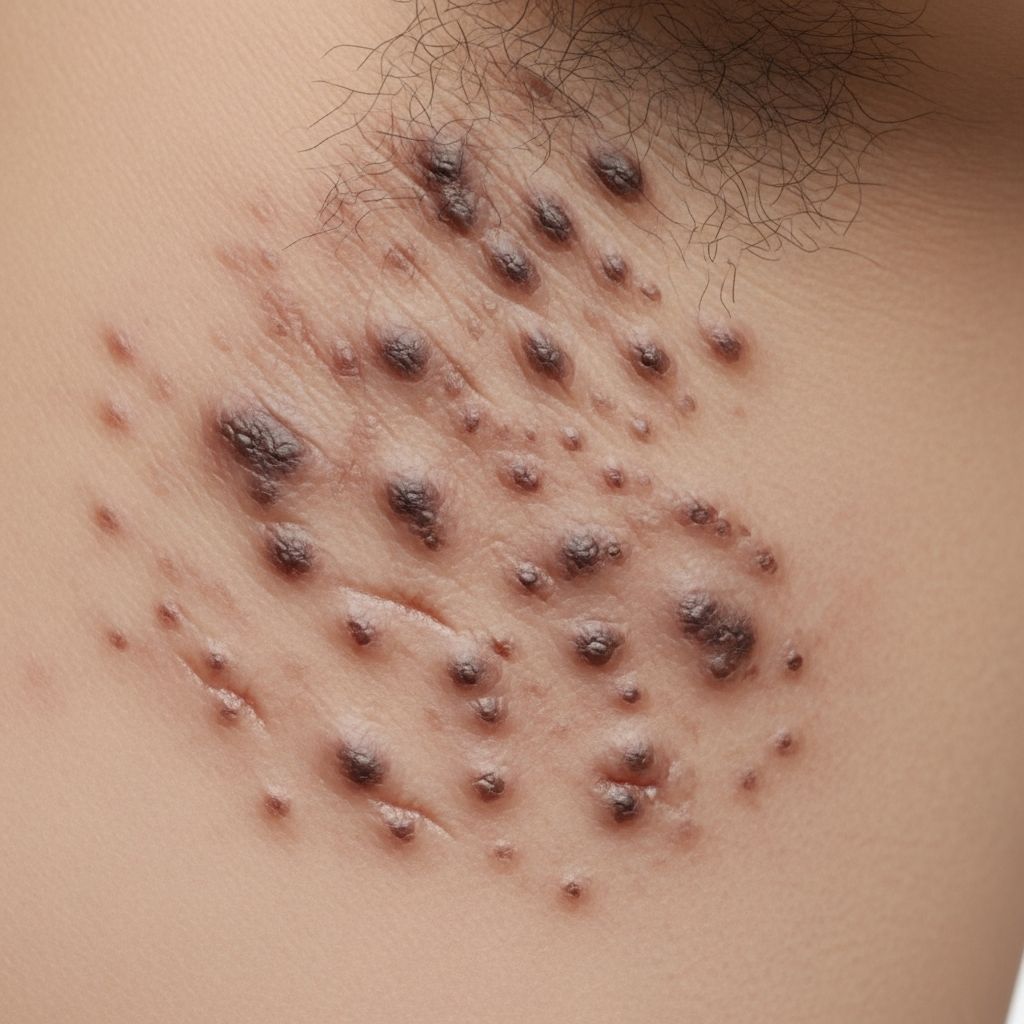
Dowling-Degos disease is a rare genetic skin disorder characterized by progressive reticulate hyperpigmentation primarily affecting the flexural areas, typically onsetting in adulthood.
Introduction
Dowling-Degos disease, also known as pigmented reticulate anomaly of the flexures, manifests as a lacy or net-like pattern of abnormally dark skin coloring (hyperpigmentation) in body folds such as armpits, groin, and neck. This autosomal dominant genodermatosis arises from mutations disrupting melanin transfer and skin cell differentiation, leading to distinctive pigmentation changes without systemic involvement. Distinguished from acanthosis nigricans, which may signal internal pathology, Dowling-Degos disease remains confined to the skin, though it can cause cosmetic distress and occasional pruritus.
The condition’s hallmark is its slow progression, with new lesions emerging over decades, often exacerbated by heat, friction, perspiration, or UV exposure. Genetic heterogeneity underlies its variants, including Galli-Galli disease, now considered part of the spectrum due to shared keratin 5 mutations.
Demographics
Dowling-Degos disease exhibits a female predominance in reported cases, though this may reflect reporting bias rather than true incidence. Onset typically occurs in adult life, most commonly during the 20s or 30s, but can appear later or, in variants, as early as infancy. It affects individuals of all ethnicities, with no strong racial predilection noted, though hyperpigmentation may be more conspicuous in lighter skin tones.
Inheritance is usually autosomal dominant, with affected individuals inheriting one mutated allele from a parent, but sporadic cases occur without family history. Prevalence is unknown due to underdiagnosis, but it is classified as rare, with fewer than 1 in 100,000 affected globally.
Genetic Cause
Mutations in the KRT5 gene, encoding keratin 5, are implicated in classic Dowling-Degos and Galli-Galli disease, resulting in a truncated, non-functional protein that impairs keratin intermediate filament formation and melanosome transfer from melanocytes to keratinocytes. This disrupts epidermal organization and pigmentation, leading to elongated rete ridges and basal melanin accumulation.
Other genes include POFUT1 and POGLUT1, which affect Notch signaling by failing to add sugar molecules to receptors, halting pathway activation; the skin-specific impact suggests additional roles in melanocytes. Five causal genes have been identified overall, explaining clinical variability: KRT5, DSR2 (DISHEVELLED 2, wait no, actually from sources: KRT5 primary), and others like POGLUT1/POFUT1.
Variants arise from distinct mutations: keratin 5 defects cause short, inactive proteins, while Notch-related genes lead to broader signaling disruptions, though exact mechanisms for pigmentation specificity remain unclear.
Clinical Features
The primary feature is
reticulate hyperpigmentation
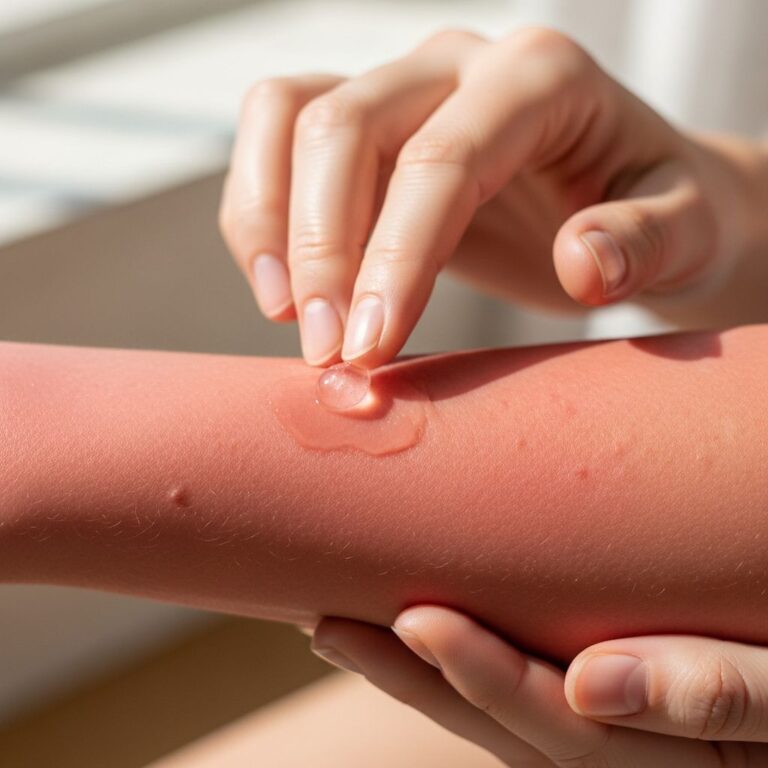
, appearing as freckle-like brown-black macules that coalesce into a net-like pattern in flexures: axillae, groin, inframammary folds, neck, cubital fossae, and popliteal areas. Lesions begin as discrete macules in early adulthood, progressively worsening with time, pregnancy, or sun exposure.Additional features include:
- Comedo-like lesions: Blackhead-like pitted spots on the neck and face, resembling open comedones without acne history.
- Hypopigmented macules: Pale spots contrasting surrounding hyperpigmentation.
- Papules: Scaly, follicular-based pigmented or hypopigmented elevations.
- Pitted perioral scars: Acne-like scars around the mouth.
- Pilar cysts: Fluid-filled scalp cysts.
Symptoms are usually asymptomatic, but
pruritus
or burning can occur, triggered by UV light, sweat, or friction, especially in summer. Rarely, hypopigmented patches or facial acneiform bumps appear.Associated Disorders
Several variants expand the spectrum:
- Galli-Galli disease: Identical pigmentation plus acantholysis causing erosions, irritation, and itch; now unified with Dowling-Degos under KRT5 mutations.
- Generalised Dowling-Degos disease: Widespread involvement beyond flexures.
- Localised Dowling-Degos disease: Confined to genitalia (scrotum/vulva).
- Haber syndrome: Childhood-onset freckling, facial rosacea-like erythema, seborrheic keratosis-like trunk lesions; sun-sensitive.
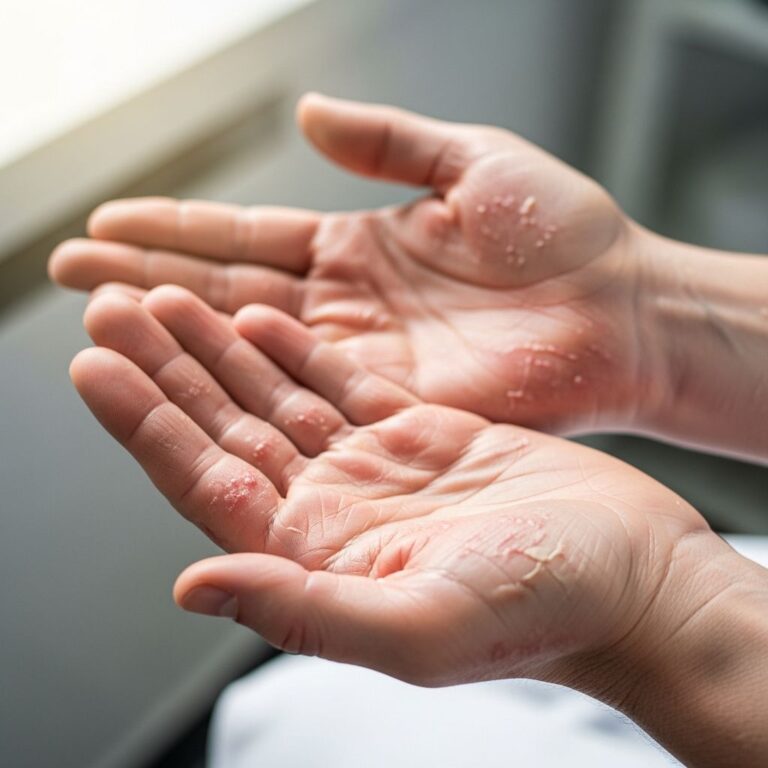
- Symmetrical acropigmentation of Dohi: Infancy-onset macular hypo/hyperpigmentation on hands.
Related Stories



Five histological-clinical patterns are described, all linked to keratin 5 defects in studied families. No internal associations; skin-only impact.
Diagnosis
Diagnosis relies on clinical presentation of progressive flexural reticulate hyperpigmentation, confirmed by
skin biopsy
showing two variants:- Classic: Thinning of suprapapillary epidermis, elongated rete ridges with basal melanin.
- Galli-Galli: Added acantholysis (suprabasal clefting).
Differential includes acanthosis nigricans, erythema dyschromicum perstans, and confluent reticulate papillomatosis. Genetic testing for KRT5, POFUT1, POGLUT1 confirms in atypical cases. Subphenotyping aids targeted analysis based on genotype-phenotype correlations.
Treatment
No curative therapy exists for this genetic condition. Management is symptomatic and cosmetic:
- Topical agents: Steroids for itch; azelaic acid, retinoids (e.g., adapalene gel), hydroquinone tried but ineffective long-term, with rapid recurrence.
- Laser therapy: Er-YAG ablation shows promise for localized lesions (e.g., inframammary), clearing treated areas but not preventing new spots elsewhere; risks postinflammatory hyperpigmentation.
- Systemic retinoids: Unsuccessful.
Avoid irritants; sun protection and emollients mitigate flares. Ongoing research explores targeted therapies for Notch/keratin pathways.
Frequently Asked Questions (FAQs)
Q: What causes Dowling-Degos disease?
A: Primarily mutations in KRT5 gene impairing keratin 5 function and melanosome transfer, with roles for POFUT1/POGLUT1 in Notch signaling.
Q: Is Dowling-Degos disease contagious?
A: No, it is a genetic disorder, not infectious.
Q: Does it affect internal organs?
A: No, confined to skin with no systemic effects.
Q: Can treatments cure it?
A: No cure; treatments are palliative, with lasers offering temporary relief.
Q: When does it start?
A: Typically 20s-30s, but variants from infancy.
Pathology
Histology reveals digitated epidermal downgrowths (proliferating thin rete ridges) laden with melanin in basal keratinocytes, suprapapillary epidermal atrophy, and occasional horn microcysts. Galli-Galli adds suprabasal acantholysis.
| Variant | Onset | Key Features | Gene |
|---|---|---|---|
| Classic DDD | Adulthood | Reticulate flexural pigmentation | KRT5 |
| Galli-Galli | Adulthood | +Acantholysis, erosions | KRT5 |
| Haber | Childhood | Facial erythema, keratoses | Unknown |
| Dohi | Infancy | Acral macules | Unknown |
This table summarizes clinical subtypes for rapid differentiation.
In summary, Dowling-Degos disease demands accurate diagnosis to avoid misattribution and guide expectant management, with genetic counseling for families.
References
- Dowling-Degos disease: MedlinePlus Genetics — National Library of Medicine. 2023. https://medlineplus.gov/genetics/condition/dowling-degos-disease/
- Delineating the subtypes of Dowling-Degos disease — British Journal of Dermatology (Oxford Academic). 2025-10-15. https://academic.oup.com/bjd/advance-article-abstract/doi/10.1093/bjd/ljaf286/8205661
- Dowling‐Degos disease: a review — International Journal of Dermatology (Wiley). 2020-12-28. https://onlinelibrary.wiley.com/doi/10.1111/ijd.15385
- Dowling-Degos disease – DermNet — DermNet NZ. 2010. https://dermnetnz.org/topics/dowling-degos-disease
- Dowling-Degos disease | About the Disease | GARD — Genetic and Rare Diseases Information Center (NIH). 2023. https://rarediseases.info.nih.gov/diseases/9775/dowling-degos-disease
Similar Articles








Read full bio of medha deb