Doxepin Cream for Eczema: Uses, Application & Side Effects
Complete guide to using doxepin cream for eczema relief and managing potential side effects.
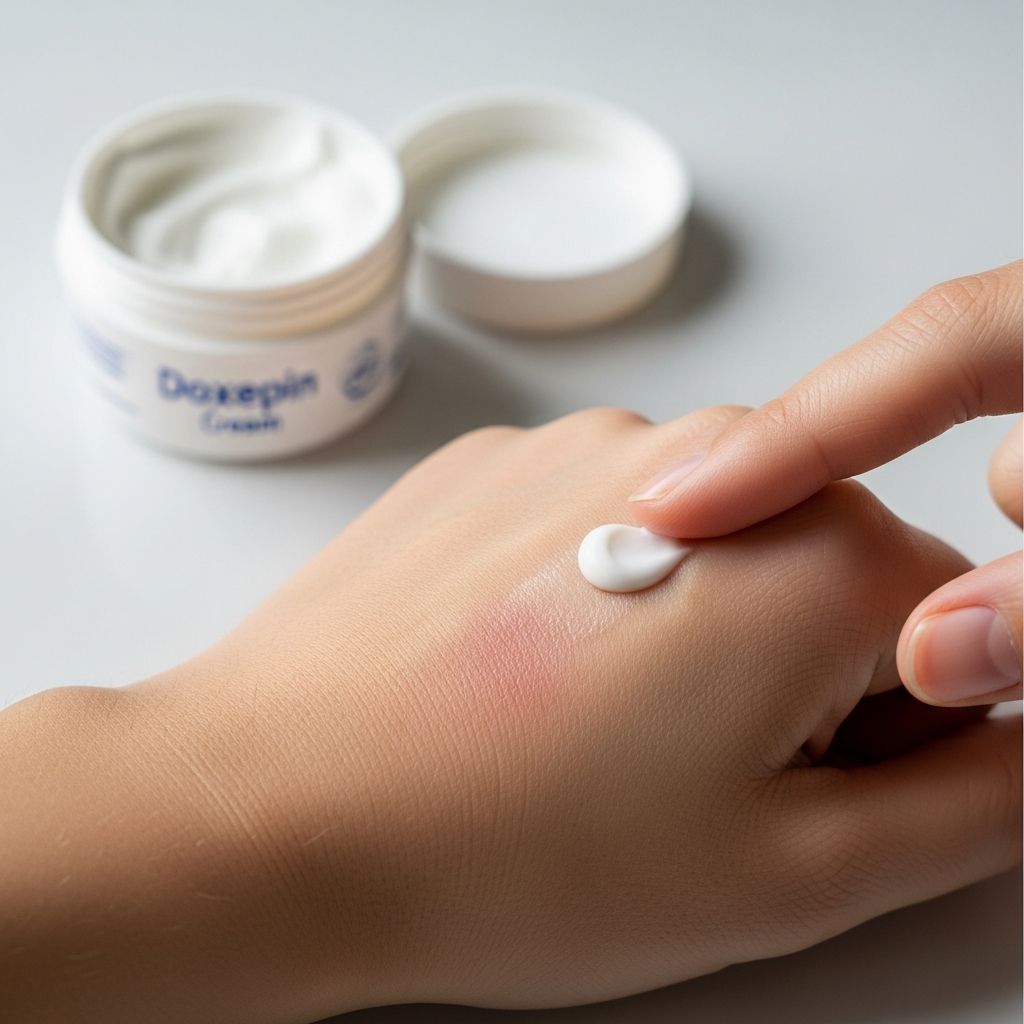
Doxepin Cream: An Effective Treatment for Eczema Itching
Doxepin cream is a topical medication specifically designed to help reduce itching associated with eczema, a common inflammatory skin condition. When applied as directed, this antipruritic cream can provide significant relief from the persistent itching that characterizes eczema and related dermatological conditions. Understanding how this medication works, how to use it properly, and what to expect during treatment is essential for achieving the best possible outcomes.
Understanding Eczema and How Doxepin Cream Works
Eczema, also known as dermatitis, is a condition characterized by inflammation of the skin. When you have eczema, affected areas of your skin become dry, red, and inflamed, creating uncomfortable itching sensations that often lead to scratching. Unfortunately, scratching exacerbates the inflammation, creating a problematic cycle that worsens the condition.
Doxepin cream addresses this issue by blocking the action of histamine, a substance your body releases during inflammatory responses. By interrupting histamine’s effects, the cream effectively reduces itching and helps break the scratch-inflammation cycle. This mechanism makes it particularly effective for managing the itch associated with eczema and other skin conditions such as atopic dermatitis and neurodermatitis.
About Doxepin Cream
Doxepin cream, marketed under the brand name Xepin, is classified as an antipruritic medication. Here’s essential information about this medication:
| Property | Details |
|---|---|
| Type of Medicine | Antipruritic cream |
| Used For | Itching due to eczema in adults and children over 12 years of age |
| Brand Name | Xepin® |
| Available Form | Cream |
| Drug Classification | Tricyclic antidepressant (topical application) |
| Maximum Duration | Up to 8 days of continuous use |
Doxepin is a tricyclic antidepressant, though when applied topically as a cream, it functions primarily as an antipruritic agent. The exact mechanism by which this medication reduces itching is not fully understood, but its antihistamine properties play a significant role in providing relief.
Before Using Doxepin Cream
Before starting doxepin cream treatment, it is crucial that your doctor has complete information about your medical history. Ensure your healthcare provider knows about the following conditions or situations:
- If you are pregnant or breastfeeding
- If you have a heart condition or irregular heart rhythm
- If you have increased eye pressure or glaucoma
- If you experience difficulties passing urine or have urinary retention issues
- If you have liver function problems
- If you have a mood disorder such as mania
- If you have ever had an allergic reaction to any medication
- If you are taking other medications, including over-the-counter drugs, herbal supplements, or complementary medicines
Special attention should be given to potential drug interactions and contraindications. Doxepin has anticholinergic effects, making it contraindicated in patients with untreated narrow-angle glaucoma or a tendency toward urinary retention. Additionally, the risk of QT prolongation may increase if you have certain medical conditions or are taking other medications that affect cardiac rhythm, particularly in patients with low potassium or magnesium levels.
Related Stories



How to Use Doxepin Cream
Proper application technique is essential for achieving optimal results and minimizing side effects. Before you begin using doxepin cream, carefully read the manufacturer’s printed information leaflet included in the package, as it contains comprehensive details about the medication and a complete list of potential side effects.
Application Instructions
- Wash the affected skin with water and a mild soap or soapless cleansing lotion, then pat dry with a soft towel
- Apply a thin layer of cream to the affected skin areas
- Gently and thoroughly massage the cream into the skin
- Be careful not to get the medication in your eyes or mouth
- If doxepin accidentally contacts your eyes, wash immediately with plenty of water and contact your doctor if irritation persists
- Do not cover the treated area with bandages, dressings, or wrappings
- Wash your hands thoroughly with soap and water after application
Dosage Guidelines
Apply a thin layer of doxepin cream to itchy areas three or four times each day. It is recommended that you do not exceed 3 grams of cream at any single application or use more than 12 grams per day. As a practical guideline, a 30-gram tube should last at least three days if you are following the maximum dosage instructions. Use doxepin at around the same times each day to maintain consistent coverage, and follow your prescription label directions carefully.
Doxepin cream is intended for short-term use only, typically no more than 8 days of continuous application. Do not use this medication more frequently than prescribed by your doctor, and inform your healthcare provider if your condition does not improve or worsens.
Getting the Most From Your Treatment
To maximize the effectiveness of doxepin cream and minimize unwanted effects, consider the following recommendations:
Managing Drowsiness
Doxepin cream may cause drowsiness, particularly when you first start using it. If you experience this side effect, avoid driving, operating machinery, or using tools while affected. If drowsiness continues to be problematic, you have several options: apply smaller amounts of cream, reduce the frequency of applications to fewer than four times daily, or discuss alternative approaches with your doctor. Additionally, avoid alcohol consumption while using this medication, as alcohol can significantly intensify drowsiness.
Skin Reactions
Some users experience burning, stinging, or tingling sensations at the application site. These sensations typically resolve quickly but can often be minimized by temporarily using smaller amounts of cream for a few days. If you develop a rash, which could indicate an allergic reaction, discontinue use immediately and consult your doctor for further evaluation and advice.
Regular Monitoring
Keep track of how your eczema responds to treatment. Monitor improvements in itching, skin inflammation, and overall comfort. Report any concerns to your healthcare provider promptly, particularly if side effects persist or become troublesome as your body adjusts to the medication.
Potential Side Effects
Like all medications, doxepin cream can cause unwanted side effects, although not everyone experiences them. Many side effects improve as your body adjusts to the new medicine. The following table outlines common side effects and recommended management strategies:
| Side Effect | Management Strategies |
|---|---|
| Feeling sleepy or dizzy | Do not drive or use tools or machines. Avoid alcohol. Try applying smaller amounts of cream or using it less frequently. |
| Burning, stinging, or tingling of skin | This typically subsides quickly. Consider using less cream for a few days if uncomfortable. |
| Dry mouth | Stay hydrated and maintain regular oral hygiene. Consult your doctor if this persists. |
| Blurred vision | Do not drive or operate machinery. Contact your doctor if vision problems continue. |
| Changes in taste | This is typically mild and temporary. Monitor for improvement. |
| Rash (allergic reaction) | Stop using the cream immediately and see your doctor for further advice. |
Older adults may be more sensitive to the side effects of doxepin cream, particularly drowsiness, dizziness, confusion, difficulty urinating, and potential QT prolongation. If you experience any symptoms you believe are related to the cream that are not listed above, speak with your doctor or pharmacist for additional guidance.
Important Drug Interactions and Precautions
Before using doxepin cream, inform your doctor about all medications you are currently taking. Certain drugs can interact with doxepin or increase the risk of adverse effects, particularly those that may cause QT prolongation, such as procainamide, sotalol, and macrolide antibiotics like erythromycin. Additionally, be cautious when combining doxepin with other products that cause drowsiness, including opioid pain relievers or cough suppressants.
If you have diabetes, monitor your blood sugar levels carefully while using doxepin cream, as changes in blood sugar control may occur. Watch for signs such as increased thirst, frequent urination, or symptoms of low blood sugar, including sudden sweating, shaking, rapid heartbeat, hunger, blurred vision, dizziness, or tingling in the hands and feet. Your doctor may need to adjust your diabetes medication, exercise program, or diet accordingly.
Special Populations
Pregnancy and Breastfeeding
During pregnancy, doxepin cream should be used only when clearly needed. The potential risks and benefits should be thoroughly discussed with your doctor before treatment begins. Additionally, this medication passes into breast milk and could have undesirable effects on a nursing infant; breastfeeding is not recommended while using doxepin cream.
Children
Doxepin cream is approved for use in children over 12 years of age to treat eczema-related itching. Parents should ensure proper application and monitor children for any adverse effects or signs of systemic absorption.
Important Safety Information
Doxepin cream is for external use only. If someone accidentally swallows this medication, proceed immediately to the accident and emergency department of your local hospital, taking the container with you, even if it is empty.
If you are scheduled for any surgical operation or dental treatment, inform the healthcare professional performing the procedure about all medications you are taking or using, including doxepin cream. This ensures that your medical team can make appropriate adjustments to your treatment plan if necessary.
Do not use this cream on the face, neck, or genital areas unless specifically instructed by your doctor. The skin in these areas is more sensitive and more prone to absorbing medications, potentially increasing the risk of systemic side effects.
Frequently Asked Questions
Q: How quickly does doxepin cream begin to work?
A: Many users experience relief from itching within the first few applications, though complete improvement may take several days. If you notice no improvement after a few days of consistent use, consult your doctor.
Q: Can I use doxepin cream on my face?
A: Generally, doxepin cream should not be applied to facial skin unless specifically directed by your doctor, as facial skin is more sensitive and prone to increased medication absorption. Always follow your doctor’s specific instructions.
Q: What should I do if I miss a dose?
A: Apply the missed dose as soon as you remember, but skip it if it is almost time for your next scheduled application. Do not double up on doses to make up for a missed application.
Q: Can I use doxepin cream with other topical medications?
A: Always consult your doctor or pharmacist before using doxepin cream in combination with other topical or systemic medications to avoid potential interactions or reduced effectiveness.
Q: Is doxepin cream effective for all types of eczema?
A: Doxepin cream is indicated for atopic dermatitis and other forms of eczema, but individual responses vary. Your doctor can determine whether this medication is appropriate for your specific type of eczema.
Q: What should I do if I experience a severe allergic reaction?
A: If you experience symptoms of a severe allergic reaction such as difficulty breathing, swelling of the face or throat, or severe rash, seek emergency medical attention immediately.
References
- Doxepin cream; Xepin Cream. Eczema treatment, side effects — Patient.info. 2025-01-19. https://patient.info/medicine/doxepin-cream-xepin
- Doxepin Cream – Topical – MyHealth Alberta — Government of Alberta. https://myhealth.alberta.ca/Health/medications/Pages/conditions.aspx?hwid=fdb7204
- Doxepin Topical: MedlinePlus Drug Information — U.S. National Library of Medicine. https://medlineplus.gov/druginfo/meds/a605040.html
- ZONALON® (doxepin hydrochloride) CREAM, 5% — U.S. Food and Drug Administration. 2002. https://www.accessdata.fda.gov/drugsatfda_docs/label/2002/20126slr006_Zonalon_lbl.pdf
- Doxepin Cream — Cleveland Clinic. https://my.clevelandclinic.org/health/drugs/19454-doxepin-cream
- doxepin 5 % topical cream — Kaiser Permanente. https://healthy.kaiserpermanente.org/health-wellness/drug-encyclopedia/drug.doxepin-5-topical-cream.288855
Similar Articles








Read full bio of Sneha Tete