Doxepin Cream: 7 Safe Usage Tips For Eczema Relief
Effective relief from eczema itching: Learn about doxepin cream usage, side effects, and precautions for safe application.
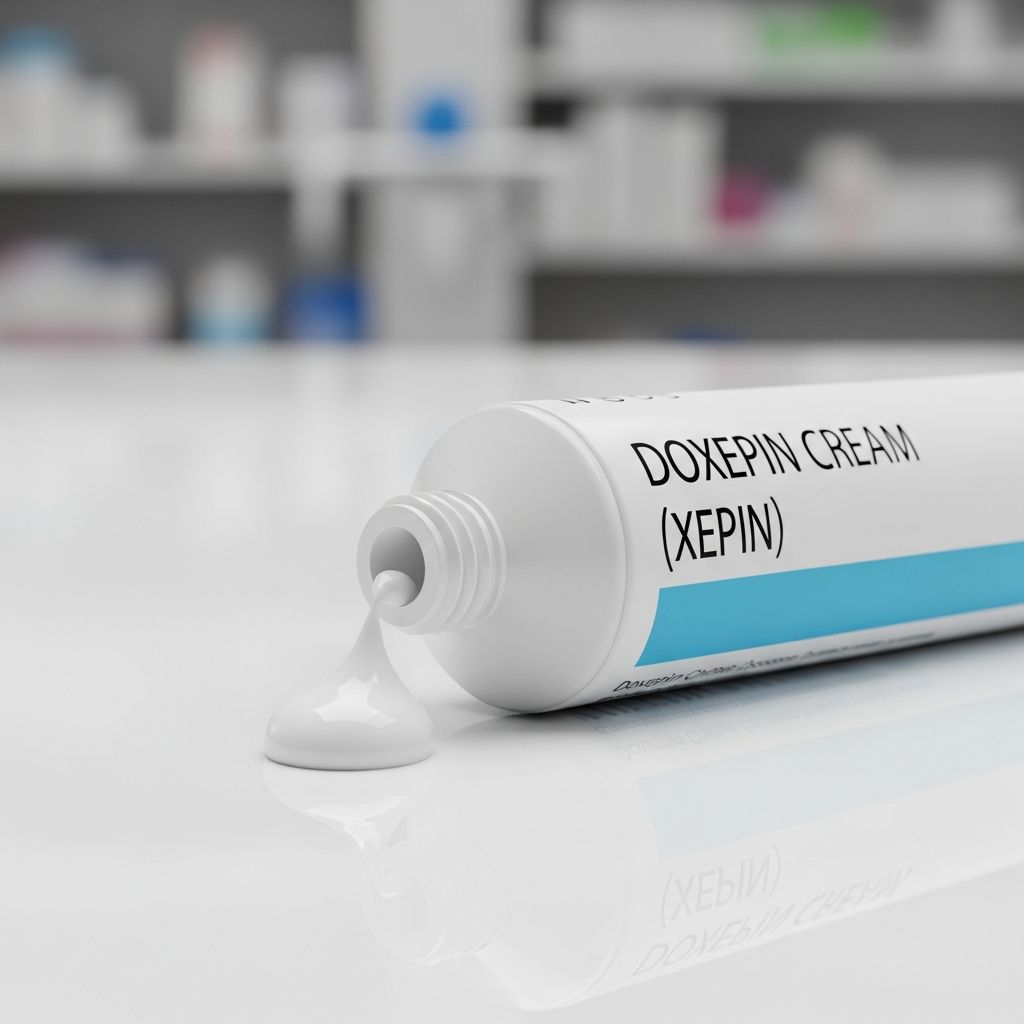
Doxepin cream, also known as
Xepin
, is a specialized topical treatment designed to alleviate the intense itching associated with eczema in adults and children aged 12 years and older. This antipruritic cream works by blocking histamine, a key chemical responsible for itch sensations in inflamed skin. Eczema, or atopic dermatitis, causes dry, red, inflamed patches that provoke scratching, worsening the condition. Regular application—typically a thin layer three to four times daily—provides relief, though it may induce drowsiness, requiring caution with activities like driving.About doxepin cream
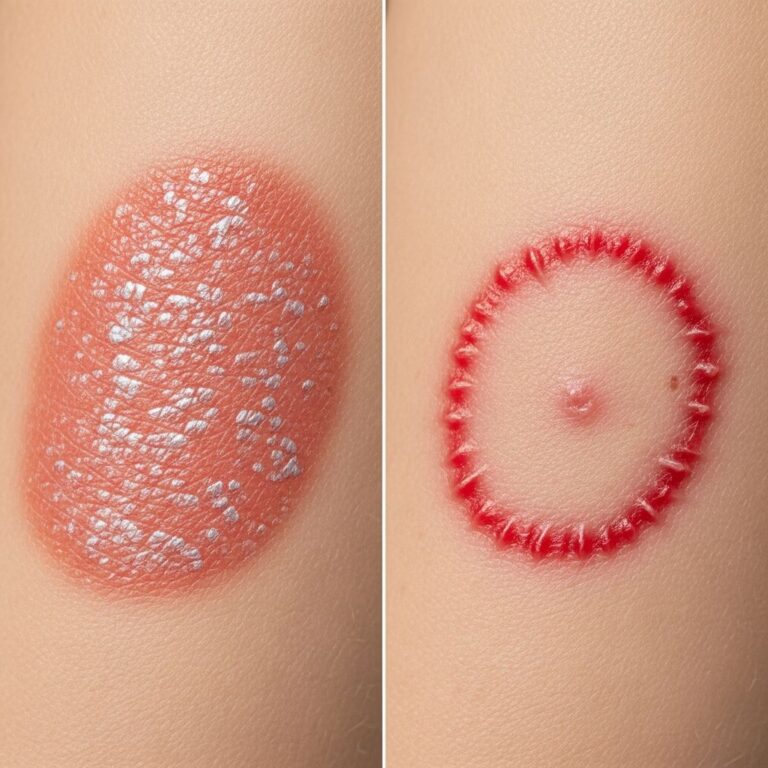
Eczema, also referred to as dermatitis, is a chronic inflammatory skin condition affecting millions worldwide. It manifests as dry, red, and inflamed skin patches that become intensely itchy, leading to a vicious cycle of scratching and further irritation. Histamine release during allergic or inflammatory responses exacerbates this itching, prompting the need for targeted therapies.
| Type of medicine | An antipruritic cream |
|---|---|
| Used for | Itching due to eczema (in adults and children over 12 years of age) |
| Also called | Xepin® |
| Available as | Cream |
**Doxepin cream** specifically targets moderate pruritus (itching) in eczema sufferers. As a tricyclic antidepressant derivative applied topically, it inhibits histamine receptors in the skin, reducing the urge to scratch without the systemic effects of oral antihistamines. Clinical indications limit its use to short-term management, up to 8 days, to minimize risks like systemic absorption leading to anticholinergic effects.
Unlike moisturizers or corticosteroids, which address dryness or inflammation, doxepin focuses on symptomatic itch relief. Studies show it effectively reduces pruritus in atopic dermatitis, though it’s not a cure and should complement other eczema management strategies like emollients.
Before using doxepin cream
Consulting a healthcare professional is crucial before starting
doxepin cream
to ensure safety, particularly given its potential for systemic absorption. Inform your doctor about the following conditions, as they may contraindicate use or require monitoring:- Pregnancy or breastfeeding: Limited data exists; use only if benefits outweigh risks, as it may pass into breast milk.
- Heart conditions or irregular heart rhythms (e.g., QT prolongation risk): Doxepin can affect cardiac conduction.
- Glaucoma, especially untreated narrow-angle type: Anticholinergic effects may increase intraocular pressure.
- Urinary retention or prostate issues: May worsen difficulty passing urine.
- Liver impairment: Could alter metabolism and increase side effects.
- Mania or bipolar disorder: Risk of mood exacerbation.
- Allergies to doxepin, tricyclics, or related drugs.
- Concurrent medications: Interactions with MAOIs, QT-prolonging drugs, anticholinergics, or sedatives amplify risks.
Always disclose over-the-counter drugs, herbals, or supplements. Older adults are more susceptible to side effects like dizziness, confusion, and urinary issues due to slower clearance.
How to use doxepin cream
Proper application maximizes efficacy while minimizing risks. Always read the patient information leaflet (PIL) provided with the cream for detailed instructions.
- Wash affected skin with mild soap or cleanser and pat dry gently.
- Apply a
thin layer
to itchy areas 3-4 times daily, spacing applications 3-4 hours apart. - Massage gently into skin; avoid eyes, mouth, or mucous membranes. Rinse eyes with water if contact occurs and seek medical advice if irritated.
- Do not cover with bandages or dressings to prevent enhanced absorption.
- Wash hands thoroughly after use.
- Limit to 3g per application and 12g daily (a 30g tube should last at least 3 days).
- Use for up to 8 days maximum; discontinue if no improvement.
Related Stories



Consistency is key—apply at regular intervals. If condition persists or worsens, consult your doctor.
Getting the most from your treatment
To optimize
doxepin cream
benefits and manage drawbacks:- Avoid drowsiness triggers: It commonly causes sleepiness, especially initially. Refrain from driving, operating machinery, or hazardous tasks until effects are known. Reduce dose frequency or amount if persistent.
- No alcohol: Enhances sedation.
- Combine with eczema care: Use emollients frequently, avoid irritants, and follow trigger avoidance (e.g., allergens, stress).
- Monitor progress: Expect relief within days; short-term use prevents tolerance or complications.
- Storage: Keep at room temperature, away from children.
For children over 12, supervise application closely due to drowsiness risk.
Can doxepin cream cause problems?
While effective,
doxepin cream
may cause side effects from local irritation or systemic absorption. Most are mild and resolve as skin adjusts, but monitor closely.| Common side effects | Management |
|---|---|
| Feeling sleepy or dizzy (up to 30% of users) | Avoid driving/tools; reduce application frequency/amount; no alcohol. |
| Burning, stinging, tingling at site | Use less cream; usually passes in days. |
| Dry mouth, blurred vision, taste changes | Inform doctor if persistent. |
| Rash or allergic reaction | Stop use; seek medical advice immediately. |
| Rare: QT prolongation, urinary issues | Monitor in at-risk patients. |
Report severe symptoms like irregular heartbeat, severe dizziness, or confusion promptly. Overdose risk if swallowed—seek emergency care.
Important information about all medicines
- For external use only: Do not ingest. If swallowed, go to A&E with container.
- Surgery/dental: Inform providers of use.
- Interactions: Potentiates sedatives, anticholinergics; caution with diuretics (electrolyte imbalance risks QT issues).
- Diabetes: May affect blood sugar; monitor closely.
Frequently Asked Questions (FAQs)
Q: How quickly does doxepin cream work for eczema itch?
A: Relief often begins within hours, with peak effect in days. Use up to 8 days max.
Q: Can children under 12 use Xepin?
A: No, approved for ages 12+ only due to absorption and side effect risks.
Q: Is doxepin cream safe during pregnancy?
A: Use only if essential; discuss risks with doctor.
Q: What if I get drowsy from the cream?
A: Apply less or less often; avoid alcohol, driving.
Q: How much cream is too much?
A: Max 3g/application, 12g/day; 30g tube >3 days.
This comprehensive guide ensures safe, effective use of doxepin cream for eczema management. Always prioritize professional medical advice tailored to your health profile.
References
- Doxepin cream; Xepin Cream — Patient.info. 2025-01-19. https://patient.info/medicine/doxepin-cream-xepin
- Doxepin Cream – Topical — MyHealth Alberta. N/A. https://myhealth.alberta.ca/Health/medications/Pages/conditions.aspx?hwid=fdb7204
- Doxepin Topical: MedlinePlus Drug Information — MedlinePlus (U.S. National Library of Medicine). N/A. https://medlineplus.gov/druginfo/meds/a605040.html
- ZONALON® (doxepin hydrochloride) CREAM, 5% Label — U.S. Food and Drug Administration. 2002. https://www.accessdata.fda.gov/drugsatfda_docs/label/2002/20126slr006_Zonalon_lbl.pdf
- Doxepin Cream — Cleveland Clinic. N/A. https://my.clevelandclinic.org/health/drugs/19454-doxepin-cream
- doxepin 5 % topical cream — Kaiser Permanente. N/A. https://healthy.kaiserpermanente.org/health-wellness/drug-encyclopedia/drug.doxepin-5-topical-cream.288855
Similar Articles








Read full bio of Sneha Tete