Doxycycline Tablets And Capsules: Uses, Dosage & Safety
Comprehensive guide to doxycycline: uses, dosage, side effects, and precautions for treating bacterial infections effectively.

Doxycycline is a broad-spectrum tetracycline antibiotic used to treat a wide range of bacterial infections, including chest infections, sexually transmitted infections (STIs), acne, rosacea, and more. It works by inhibiting bacterial protein synthesis, preventing bacterial growth and spread. Available as tablets and capsules under brand names like Periostat and Vibramycin-D, it is also employed for malaria prevention and post-exposure prophylaxis for certain STIs.
About doxycycline tablets and capsules
Doxycycline belongs to the tetracycline class of antibiotics, effective against gram-positive, gram-negative, aerobic, and anaerobic bacteria, as well as some parasites. Unlike earlier tetracyclines, it is highly lipophilic, allowing excellent tissue penetration and intracellular activity. It is commonly prescribed for respiratory tract infections, rickettsial diseases, STIs like chlamydia and gonorrhea, Lyme disease, acne, and periodontal disease due to its anti-inflammatory properties.
The medication comes in immediate-release tablets/capsules (100 mg) and delayed-release forms. It is bacteriostatic, meaning it stops bacterial reproduction rather than killing them outright, allowing the immune system to clear the infection. Doxycycline hyclate is water-soluble and preferred for oral use.
Before taking doxycycline tablets and capsules
Allergy
Do not take doxycycline if you are allergic to it or other tetracyclines (e.g., tetracycline, minocycline, oxytetracycline). Signs of allergy include rash, itching, swelling, dizziness, or breathing trouble—seek immediate medical help.
Pregnancy and breastfeeding
Avoid doxycycline in pregnancy, especially after 5 months, as it can harm fetal bone and tooth development. It passes into breast milk and may cause dental staining or photosensitivity in infants. Consult your doctor for alternatives.
Babies and children
Not recommended for children under 12 years due to risks of permanent tooth discoloration and enamel hypoplasia. Use only if benefits outweigh risks in ages 8-12 for specific infections like anthrax.
Adults aged 65 and over
Generally safe but may require dose adjustments for kidney/liver issues. Monitor closely for side effects.
How and when to take doxycycline tablets and capsules
Dosage
Dosage varies by condition:
- Chest infections, acne, rosacea: 100 mg once or twice daily.
- STIs (e.g., chlamydia): 100 mg twice daily for 7 days.
- Malaria prevention: 100 mg daily starting 1-2 days before travel, continuing 4 weeks after.
- Doxy PEP for STIs: 200 mg within 72 hours after condomless sex (max 200 mg/24 hours).
- Anthrax post-exposure: 100 mg twice daily for 60 days.
Swallow whole with plenty of water; do not crush or chew unless specified. Complete the full course to prevent resistance.
When to take it
Take with food or milk to reduce stomach upset, but avoid dairy/calcium 1-2 hours before/after as it impairs absorption. Space doses evenly; for twice-daily, morning and evening.
| Condition | Adult Dose | Duration |
|---|---|---|
| Chlamydia | 100 mg BID | 7 days |
| Gonorrhea (uncomplicated) | 100 mg BID or 300 mg x2 | 7 days |
| Acne/Rosacea | 40-100 mg daily | Weeks-months |
| Lyme Disease (early) | 100 mg BID | 10-21 days |
| Malaria Prophylaxis | 100 mg daily | Travel duration +4 weeks |
Related Stories



Common questions about doxycycline tablets and capsules
- Can I drink alcohol? Yes, moderate amounts are fine; no direct interaction.
- Can I drive? Yes, unless dizzy.
- Can I take paracetamol? Yes.
- Is it safe in pregnancy? No, avoid.
Side effects of doxycycline tablets and capsules
Most people tolerate doxycycline well, but side effects occur in some. Common ones resolve with time or discontinuation.
Serious side effects
Seek urgent care for:
- Severe allergic reactions (anaphylaxis).
- Severe headache, vision changes (intracranial hypertension).
- Yellow skin/eyes, dark urine (liver issues).
- Bloody diarrhea (C. difficile).
- Photosensitivity rash after sun exposure.
Common side effects
- Headache, nausea, vomiting, diarrhea.
- Loss of appetite, indigestion.
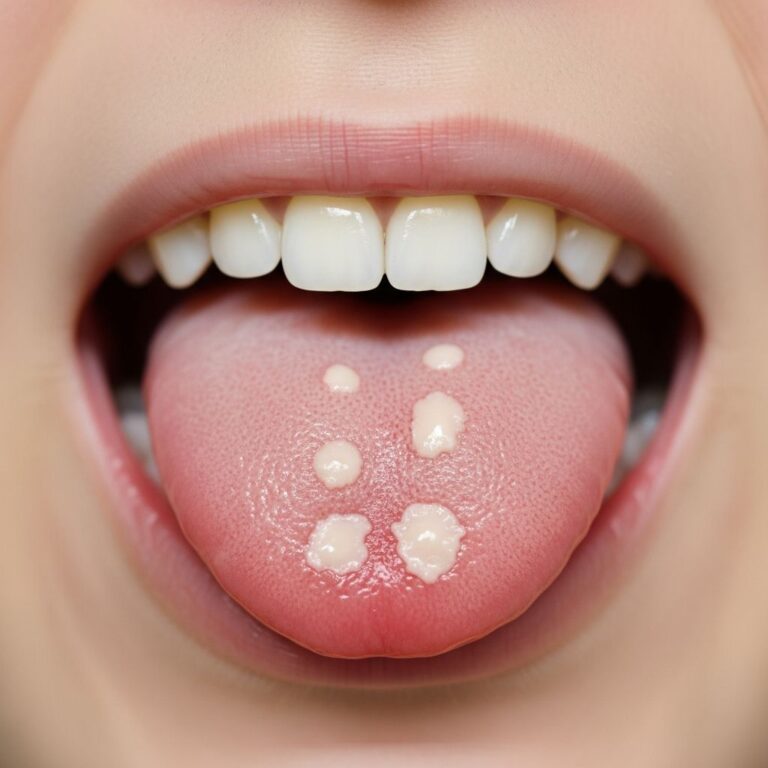
- Sore tongue/mouth, thrush.
Take with food/water upright to prevent esophageal irritation. Sunscreen advised due to photosensitivity.
Long-term use
Prolonged use (>3 weeks) may cause tooth discoloration, yeast infections, or antibiotic resistance. Monitor liver/kidney function.
How to cope with side effects of doxycycline tablets and capsules
- Nausea: Take with meals; eat smaller portions.
- Diarrhea: Stay hydrated; avoid anti-diarrheals without advice.
- Photosensitivity: Use SPF 50+, cover skin, avoid sunbeds.
- Thrush: Antifungal treatment if persistent.
Pregnancy, breastfeeding and fertility while taking doxycycline tablets and capsules
Doxycycline is category D in pregnancy—risk of fetal harm. Not recommended breastfeeding. May affect male fertility temporarily; discuss with doctor.
What happens if I overdose?
Overdose symptoms: severe nausea, vomiting, diarrhea. Seek emergency help; no specific antidote—supportive care, discontinue drug.
What if I forget to take it?
Take missed dose if soon; skip if near next. Never double dose.
Will my infection come back if I stop taking it early?
Yes, incomplete courses lead to relapse and resistance. Finish full prescription.
Common infections treated with doxycycline
- Chest/bronchitis/pneumonia.
- UTIs, eye infections.
- STIs: chlamydia, gonorrhea, syphilis (penicillin allergy).
- Acne, rosacea (anti-inflammatory).
- Lyme, anthrax, malaria prophylaxis.
Travel, vaccines, malaria and doxycycline
Doxycycline is a first-line malaria prophylactic: 100 mg daily. Start 1-2 days pre-travel, continue 4 weeks post. Combine with mosquito nets/repellents. Not for last-minute travel. Report fever post-travel.
Other medicines, food and drink with doxycycline
- Antacids, iron, calcium: Space 2-3 hours apart.
- Warfarin: Increases bleeding risk; monitor INR.
- Birth control pills: May reduce efficacy; use backup.
- Retinoids: Risk of intracranial hypertension.
Frequently Asked Questions (FAQs)
Q: How long does doxycycline take to work?
A: Symptoms improve in 2-3 days, but complete full course.
Q: Does doxycycline cause yeast infections?
A: Yes, possible; treat with antifungals.
Q: Can doxycycline treat viral infections?
A: No, only bacterial.
Q: Is doxycycline safe for long-term use?
A: For acne/rosacea yes, under supervision.
Q: What foods to avoid?
A: Dairy, antacids near doses.
References
- Doxycycline Hyclate – StatPearls — NCBI Bookshelf, NIH. 2023-10-01. https://www.ncbi.nlm.nih.gov/books/NBK555888/
- DOXTERIC (doxycycline hyclate) Label — FDA. 2014-11-15. https://www.accessdata.fda.gov/drugsatfda_docs/label/2014/050795orig1s019lbl.pdf
- Doxycycline: Uses, Interactions, Mechanism — DrugBank. 2024-01-01. https://go.drugbank.com/drugs/DB00254
- CDC Clinical Guidelines on Doxycycline Postexposure Prophylaxis — CDC MMWR. 2024-06-06. https://www.cdc.gov/mmwr/volumes/73/rr/rr7302a1.htm
- Doxycycline (oral route) – Side effects & dosage — Mayo Clinic. 2024-01-01. https://www.mayoclinic.org/drugs-supplements/doxycycline-oral-route/description/drg-20068229
- Doxycycline: MedlinePlus Drug Information — MedlinePlus, NIH. 2024-01-01. https://medlineplus.gov/druginfo/meds/a682063.html
Similar Articles








Read full bio of medha deb