Dress to Protect: 5 Things That Affect How Well Your Clothes Block UV Rays
Discover the five key factors influencing your clothing's UV protection to shield your skin effectively from harmful rays.
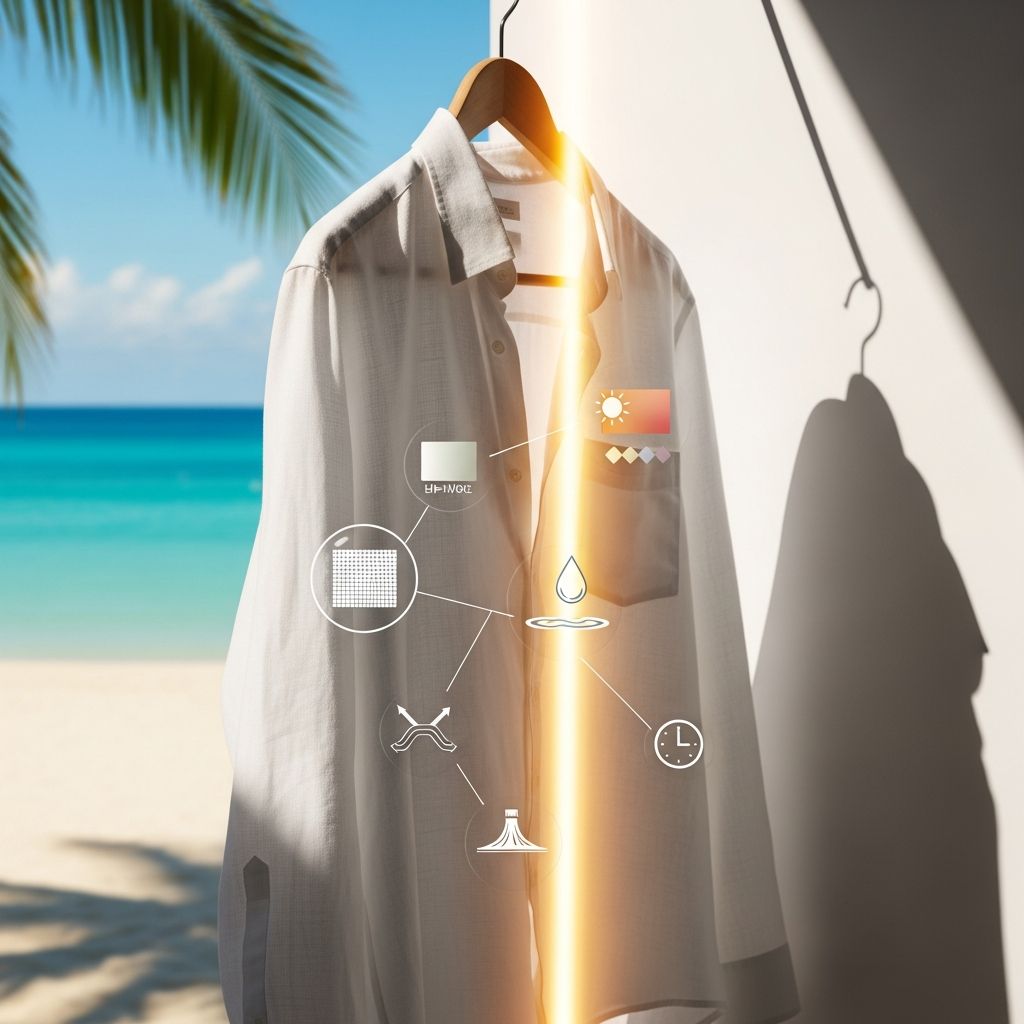
Sun-protective clothing is a cornerstone of skin cancer prevention, offering reliable defense against ultraviolet (UV) radiation. Unlike sunscreen, which can wear off or be unevenly applied, clothing provides a physical barrier that doesn’t require reapplication. However, not all clothes offer equal protection. Factors like fabric composition, weave tightness, color, stretch, and moisture levels significantly influence a garment’s Ultraviolet Protection Factor (UPF). Understanding these elements empowers you to select clothing that maximizes sun safety while maintaining comfort and style.
The Skin Cancer Foundation recommends clothing with a UPF 50+ rating, which blocks 98% of UVA and UVB rays. Ordinary summer attire, such as a basic T-shirt, might only provide UPF 5-10, allowing substantial UV penetration. This article delves into the five key determinants of clothing’s UV-blocking efficacy, backed by scientific insights and practical advice.
1. Fabric Content: Synthetic vs. Natural Fibers
The material of your clothing fundamentally dictates its UV protection. Synthetic fabrics like polyester and nylon inherently block more UV rays due to their dense fiber structure, which reflects and absorbs radiation effectively. Polyester, for instance, is a staple in UV-protective apparel because it maintains high UPF even when lightweight and can be engineered with UV-absorbing additives during manufacturing.
Natural fibers such as cotton and linen prioritize breathability and skin comfort but offer lower baseline protection, especially in light, thin weaves. A standard white cotton T-shirt typically rates UPF 7, transmitting about 14% of UV rays. However, denser natural options like unbleached cotton, which retains natural lignins acting as UV absorbers, or treated cotton with chemical finishes, can achieve higher ratings. Bamboo and TENCEL™ (lyocell) blend eco-friendliness with moderate protection, improvable via tight weaves or dyes.
- Polyester: Excellent UPF (often 50+), quick-drying, durable for outdoor activities.
- Nylon: Elastic, abrasion-resistant, ideal for swimwear and sportswear.
- Cotton: Breathable but needs treatment or density for efficacy; denim excels naturally.
- Linen/Silk: Comfortable yet sheer versions allow high UV transmission.
Research confirms synthetics outperform naturals: polyester fabrics blocked 96-98% UVA in lab tests, surpassing many sunscreens. Choose synthetics for maximum protection, or opt for treated naturals for sustainability and comfort.
2. Weave: Tight vs. Loose Construction
Fabric weave determines how densely fibers interlock, directly impacting UV blockage. Tightly woven materials create a formidable barrier, preventing rays from penetrating gaps. Hold fabric up to light: if sunlight passes through easily, so do UV rays. Densely woven denim, canvas, or wool offer superior protection without special treatments.
Conversely, loose or open knits like crochet or mesh allow significant UV transmission, even in high-UPF fabrics. Weave density is quantified by thread count and porosity; less porous structures excel. Synthetic weaves can be engineered for breathability without sacrificing tightness, unlike many natural loose weaves.
| Weave Type | Example Fabrics | Avg. UPF | UV Blockage |
|---|---|---|---|
| Tight | Denim, Polyester (dense) | 50+ | 98%+ |
| Medium | Canvas, Treated Cotton | 20-50 | 95-98% |
| Loose | Linen, Sheer Knits | 5-15 | <90% |
Studies show weave as a top factor: least porous fabrics provide the greatest protection. Prioritize tight weaves for high-risk sun exposure.
3. Color: Darker Shades Absorb More UV
Color influences UV absorption profoundly—darker hues block more rays by absorbing rather than reflecting them. Black, navy, or deep red fabrics can double UPF compared to pastels. Light colors like white transmit up to 20% more UV, as they reflect rays onto the skin.
Related Stories



This effect holds across fabrics: a dark polyester rash guard outperforms a white one of identical weave. Dyes themselves contribute, with some enhancing UV blockage. However, color fades with washing, potentially reducing protection over time—choose colorfast garments.
- Best Colors: Black, dark blue, burgundy (UPF boost up to 2x).
- Avoid: White, yellow, pastels (higher transmission).
- Pro Tip: Pair dark tops with UPF-rated bottoms for full coverage.
Peer-reviewed data affirms: dark colors provide higher protection than lights.
4. Stretch: Protection Decreases with Elongation
Stretchy fabrics expand during movement, widening gaps in the weave and slashing UPF by up to 50%. A spandex-blended shirt at rest might rate UPF 50, but stretched across shoulders drops to UPF 20-30. Non-stretch or minimally elastic materials maintain consistent protection.
This is critical for activewear: yoga pants or swimwear with high elastane lose efficacy when taut. Test by stretching fabric—if light leaks through more, UV will too. Opt for garments designed with stretch recovery that preserves weave integrity.
Solutions include hybrid weaves balancing fit and protection, common in certified UPF clothing. Avoid over-stretched fits for sun safety.
5. Wetness: Water Drastically Reduces UPF
Wet clothing loses much protective power as water opens fiber gaps, allowing UV penetration. A dry cotton shirt (UPF 15) plummets to UPF 5 when soaked; synthetics fare better but still degrade. Moisture wicking is key—polyester excels here, drying fast and retaining higher wet UPF.
Beachgoers note: wet swimsuits offer minimal shield, necessitating rash guards or cover-ups. Always prioritize quick-dry fabrics for water activities.
Bonus: Look for the UPF Label
Seek garments certified UPF 50+ by standards like ASTM D6603. These endure 40+ washes without significant UPF loss. Combine with wide hats, sunglasses, and sunscreen for comprehensive defense.
Frequently Asked Questions (FAQs)
What UPF rating do I need for sun protection?
A UPF 50+ blocks 98% of UV rays, recommended by dermatologists for prolonged exposure.
Does washing reduce clothing’s UV protection?
Yes, especially in untreated fabrics; choose colorfast, certified items that withstand 40+ washes.
Are natural fabrics useless for sun protection?
No—dense, dark, treated naturals like denim work well, though synthetics are superior.
How to test clothing’s weave at home?
Hold it to light: minimal transmission indicates tight weave and good protection.
Can shiny fabrics protect better?
Yes, satiny silks or polyesters reflect UV effectively due to sheen.
Conclusion: Empower Your Wardrobe Against Skin Cancer
By prioritizing synthetic fabrics, tight weaves, dark colors, minimal stretch, and dry conditions, your clothes become powerful allies in UV defense. Invest in UPF-rated apparel to reduce skin cancer risk without sacrificing style. Dress smart, protect your skin.
References
- The best materials for UV-protective clothing: a comparison — IQ-UV. 2023. https://iq-uv.com/en/blog/The-best-materials-for-UV-protective-clothing-a-comparison
- Shielding Your Style: A Guide to UV-Protective Clothing — Saian. 2023. https://saian.net/blogs/dasha-saian-marcheses-skincare-blog/shielding-your-style-a-guide-to-uv-protective-clothing
- Which Offers Better UV Protection: Cotton or Polyester? — Real Thread. 2023. https://www.realthread.com/blog/uv-protection-cotton-vs-polyester
- Slip versus Slop: A Head-to-Head Comparison of UV-Protective Fabrics and Sunscreens — National Center for Biotechnology Information (PMC). 2022-02-10. https://pmc.ncbi.nlm.nih.gov/articles/PMC8833350/
- Ordinary Clothing vs. UPF Clothing: What’s the Difference? — Solbari. 2023. https://www.solbari.com/blogs/solbari-blog/ordinary-clothing-vs-upf-clothing-whats-the-difference
- Sun Protective Clothing — Skin Cancer Foundation. 2025. https://www.skincancer.org/skin-cancer-prevention/sun-protection/sun-protective-clothing/
- How to Choose Sun Protection UPF Clothing — REI. 2023. https://www.rei.com/learn/expert-advice/sun-protection.html
Similar Articles








Read full bio of Sneha Tete