Alcohol’s Effect On Gut Microbiome: 5 Ways To Restore Balance
A gastroenterologist reveals how alcohol disrupts your gut microbiome, triggers inflammation, and impacts overall health.
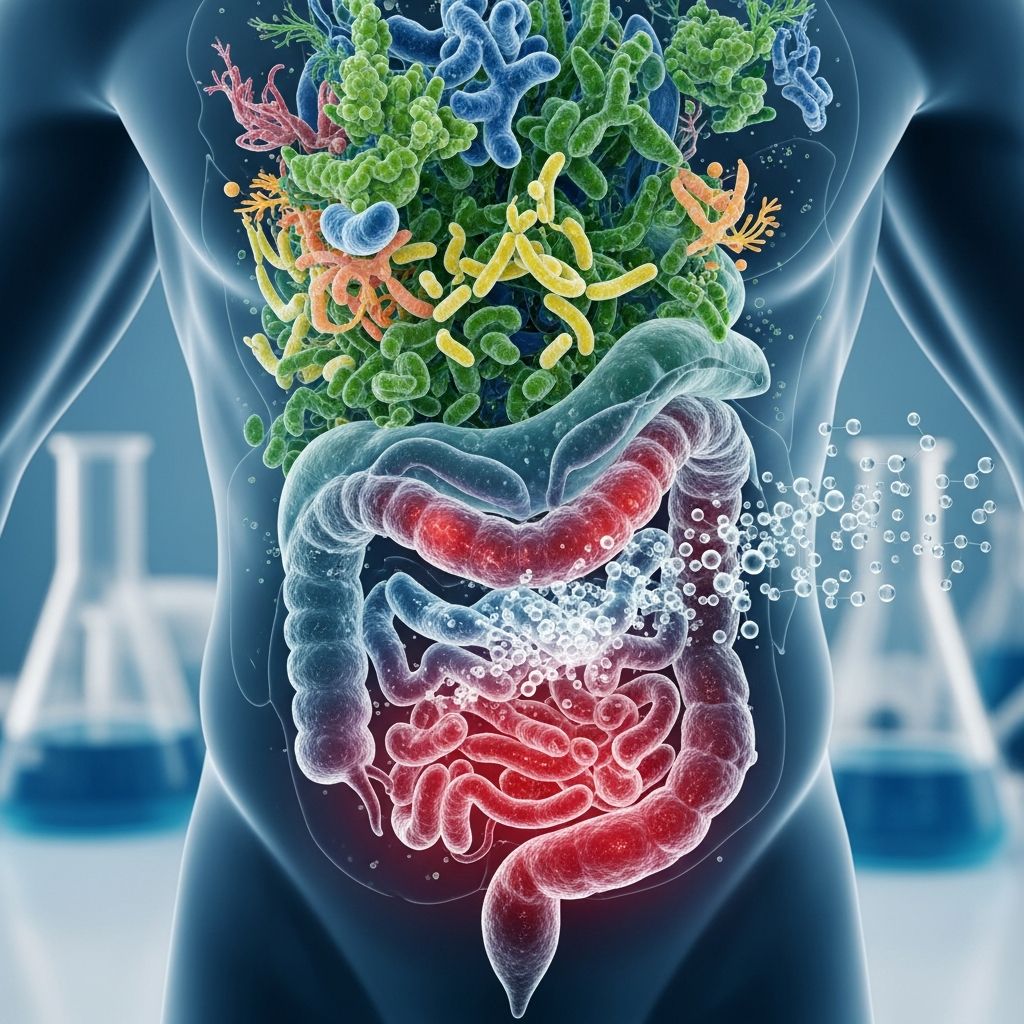
Alcohol consumption, even in moderation, significantly disrupts the delicate balance of the gut microbiome—the trillions of microorganisms living in your intestines that play a crucial role in digestion, immunity, and overall health. According to gastroenterologists, this disruption leads to dysbiosis, an imbalance favoring harmful bacteria, which can trigger systemic inflammation, compromise the intestinal barrier, and contribute to serious conditions like liver disease and metabolic disorders.
Research consistently shows that alcohol alters microbial composition by reducing beneficial bacteria such as Lactobacillus and Bifidobacterium while promoting pro-inflammatory species like Proteobacteria and Enterobacteriaceae. These shifts not only affect gut health directly but also influence brain function via the gut-brain axis, potentially exacerbating alcohol dependence.
What Is the Gut Microbiome?
The gut microbiome refers to the vast community of bacteria, fungi, viruses, and other microbes residing primarily in the large intestine. Comprising over 100 trillion microorganisms, it weighs about 2-4 pounds and is as unique to each person as a fingerprint. These microbes aid in breaking down food, producing vitamins like K and B12, regulating immune responses, and even synthesizing neurotransmitters that affect mood and behavior.
A healthy microbiome maintains diversity, with Firmicutes and Bacteroidetes as dominant phyla, alongside beneficial genera like Faecalibacterium and Akkermansia. Dysbiosis occurs when harmful bacteria outnumber beneficial ones, leading to health issues ranging from digestive discomfort to chronic diseases.
- Diversity: Higher microbial variety correlates with better resilience against pathogens and disease.
- Beneficial functions: Ferment fiber into short-chain fatty acids (SCFAs) like butyrate, which nourish colon cells and reduce inflammation.
- Immune modulation: 70% of the immune system resides in the gut, where microbes train it to distinguish friend from foe.
Disruptors like antibiotics, poor diet, and alcohol can tip this balance, with alcohol being particularly insidious due to its direct toxicity and metabolite effects.
How Does Alcohol Disrupt the Gut Microbiome?
Alcohol acts as a potent antimicrobial, directly killing sensitive beneficial bacteria while allowing hardier, pathogenic ones to thrive. Ethanol and its metabolite acetaldehyde damage microbial cell membranes, alter pH, and reduce nutrient availability, fundamentally reshaping the ecosystem.
Studies in animal models demonstrate that even acute alcohol exposure decreases Lactobacillus and increases Allobaculum and Blautia, leading to anxiety-like behaviors upon withdrawal. Chronic consumption elevates Proteobacteria (gram-negative bacteria producing lipopolysaccharides or LPS, potent endotoxins) and reduces Firmicutes/Bacteroidetes ratios.
| Effect of Alcohol | Beneficial Bacteria Decreased | Harmful Bacteria Increased |
|---|---|---|
| Acute Exposure | Lactobacillus, Turicibacter | Bacteroidales, Lachnospiraceae |
| Chronic Consumption | Faecalibacterium prausnitzii, Akkermansia muciniphila | Proteobacteria, Enterobacteriaceae, Clostridium |
Human studies echo these findings: long-term drinkers show decreased Actinobacteria and increased Sutterella and Holdemania, correlating with liver damage severity. This dysbiosis creates a feedback loop, where altered microbes further promote alcohol preference via dopamine signaling influenced by fungi like Candida albicans.
Related Stories



Leaky Gut and Systemic Inflammation
One of alcohol’s most damaging effects is inducing “leaky gut” or increased intestinal permeability. Normally, tight junctions seal the gut lining, preventing toxins from entering the bloodstream. Alcohol weakens these junctions by downregulating proteins like zonulin and occludin, allowing bacterial endotoxins (LPS) to leak out—a condition termed metabolic endotoxemia.
This leakage activates immune cells, releasing pro-inflammatory cytokines like TNF-α and IL-6, fueling chronic low-grade inflammation linked to liver steatosis, cardiovascular disease, and insulin resistance. Germ-free mice experiments confirm microbiota’s role: inflammation is milder without bacteria, highlighting alcohol’s indirect damage via dysbiosis.
Gastroenterologists note that Muribaculum intestinale depletion after low-dose alcohol reduces SCFA production, exacerbating barrier dysfunction and promoting organ damage.
Health Consequences Beyond the Gut
Gut dysbiosis from alcohol extends far beyond digestion, contributing to:
- Liver Disease: LPS drives alcoholic liver disease (ALD) progression from steatosis to cirrhosis.
- Brain Health: Microbiome alterations affect the gut-brain axis, worsening anxiety, depression, and alcohol use disorder (AUD) via reduced psychobiotics.
- Metabolic Issues: Inflammation promotes type 2 diabetes and obesity.
- Immune Dysfunction: Increased susceptibility to infections and autoimmunity.
A meta-analysis confirms alcohol’s causal role in suppressing probiotics like Lactobacillus, amplifying these risks.
How Much Alcohol Causes Gut Damage?
No safe threshold exists, but damage scales with intake. Moderate drinking (1 drink/day for women, 2 for men) may cause subtle shifts recoverable with abstinence. Binge drinking (4+ drinks in 2 hours) induces acute dysbiosis, while chronic heavy use (>3 drinks/day) leads to persistent harm.
Individual factors modulate risk: genetics, diet, age, and microbiome baseline. Women face higher vulnerability due to lower alcohol dehydrogenase activity.
Ways to Protect and Restore Your Gut Microbiome
- Moderation or Abstinence: Limit to <1 drink/day; alcohol-free days aid recovery.
- Probiotics/Prebiotics: Strains like Lactobacillus rhamnosus and fiber-rich foods (onions, garlic) rebuild beneficial bacteria.
- Diverse Diet: Polyphenol-rich foods (berries, green tea) and fermented items (yogurt, kimchi) support diversity.
- Fecal Microbiota Transplant (FMT): Emerging for severe AUD, restoring healthy taxa and reducing intake.
- Exercise and Sleep: Enhance microbial resilience.
Engineered probiotics expressing alcohol dehydrogenase show promise in degrading ethanol intestinally.
Frequently Asked Questions (FAQs)
What does alcohol do to your gut microbiome?
Alcohol kills beneficial bacteria like Lactobacillus, promotes pathogens like Proteobacteria, disrupts balance (dysbiosis), weakens gut barrier, and triggers inflammation.
Does alcohol cause leaky gut?
Yes, by damaging tight junctions and increasing permeability, allowing toxins into the blood, leading to systemic issues.
Can the gut microbiome recover from alcohol?
Yes, with abstinence, probiotics, and diet; recovery timelines vary from weeks (moderate) to months (chronic).
Is red wine better for the gut than other alcohols?
Polyphenols offer minor benefits, but ethanol’s harm dominates; all alcohols disrupt similarly.
How long after quitting alcohol does the gut heal?
Noticeable improvements in 2-4 weeks; full restoration may take 3-6 months depending on damage extent.
References
- Gut microbiota dysbiosis: The potential mechanisms by which … — Frontiers in Microbiology. 2022-08-04. https://www.frontiersin.org/journals/microbiology/articles/10.3389/fmicb.2022.916765/full
- Gut microbiome in alcohol use disorder: Implications for health … — PMC (National Library of Medicine). 2024. https://pmc.ncbi.nlm.nih.gov/articles/PMC10989405/
- How does alcohol affect the microbiome? — MD Anderson Cancer Center. 2020-08-11. https://www.mdanderson.org/cancerwise/how-does-alcohol-affect-the-microbiome.h00-159696756.html
- Gut Microbiome Affects Alcohol Preference… — Tufts University School of Medicine. 2024. https://medicine.tufts.edu/news-events/news/gut-microbiome-affects-alcohol-preference-influencing-brains-reward-system
Similar Articles








Read full bio of Sneha Tete