Drinking in the Sun: A Dangerous Cocktail
Uncover the hidden risks of mixing alcohol with hot sun exposure, from dehydration and heatstroke to skin damage and teen vulnerabilities.
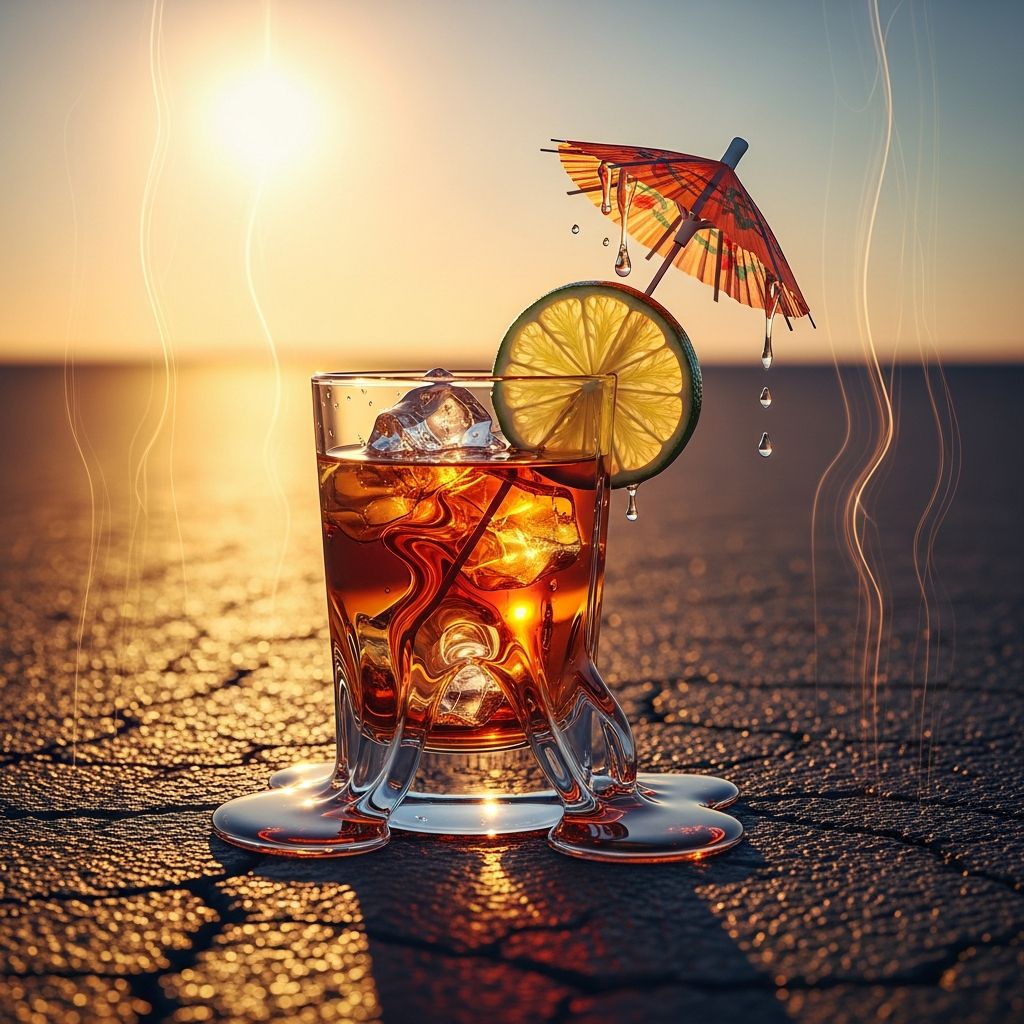
Combining alcohol with hot summer sun seems like the perfect recipe for fun, but it creates a hazardous mix that amplifies health risks. From rapid dehydration to severe overheating and increased skin damage, this combination can turn a relaxing day outdoors into a medical emergency. This article delves into the science behind these dangers, with special focus on teenagers during post-exam celebrations, and provides practical advice to stay safe.
Does Drinking in the Sun Make You Drunker?
A widespread myth suggests alcohol hits harder under the sun, leading many to believe they feel drunker faster. In reality, this sensation stems not from intensified intoxication but from accelerated dehydration, which alcohol and heat exacerbate together. Dr. Deborah Lee from Dr Fox Online Pharmacy notes that even mild dehydration of 1-2% impairs cognitive function, causing sluggishness, fatigue, and heightened perceived alcohol effects.
Alcohol acts as a diuretic, promoting urine production and fluid loss, while sun exposure triggers sweating—up to several liters per hour in intense heat and activity. This double assault depletes bodily fluids rapidly, mimicking or worsening drunken symptoms like dizziness and confusion without altering blood alcohol concentration directly.
- Key Myth Buster: Sun does not potentiate alcohol absorption; dehydration confuses the experience.
- Symptoms Overlap: Thirst, dry mouth, and lightheadedness from dehydration resemble intoxication.
Why Does the Sun Dehydrate You?
The sun’s heat prompts your body to sweat as a cooling mechanism, expelling fluids and electrolytes essential for function. In hot weather, sweat loss can reach 1-2 liters hourly, especially during physical activity or with alcohol involved. Without replenishment, this leads to dehydration, where blood volume drops, straining the heart and impairing temperature regulation.
Alcohol compounds this by inhibiting antidiuretic hormone (ADH), causing excessive urination. Studies show drinkers in heat lose fluids twice as fast, risking hypovolemia—low blood volume that heightens faintness and organ stress.
| Dehydration Cause | Effect | Alcohol’s Role |
|---|---|---|
| Sweating from heat | Fluid/electrolyte loss | Increases sweat via vasodilation |
| Diuretic effect | Excessive urination | Suppresses ADH hormone |
| Reduced thirst awareness | Delayed water intake | Blunts thirst signals |
Overheating While Drinking in the Sun
Alcohol impairs thermoregulation, making overheating a primary concern. It dilates blood vessels, pushing heat to the skin’s surface while hindering sweat production effectiveness. In direct sunlight, this elevates core temperature, progressing from heat cramps to exhaustion and life-threatening heatstroke.
In England and Wales, heat-related excess deaths near 800 annually, per the London School of Hygiene and Tropical Medicine, with alcohol a contributing factor in many cases. Heatstroke occurs when body temperature exceeds 40°C, risking organ failure, seizures, and death.
Symptoms of Heat Exhaustion and Heatstroke
- Headaches and dizziness (low blood pressure indicator)
- Muscle cramps and nausea/vomiting
- Loss of appetite, extreme thirst, dry mouth
- Excessive or insufficient sweating, clammy skin
- Lethargy, rapid breathing, racing pulse
- Raised body temperature (38°C+), confusion
Related Stories



Emergency Action: Move to shade, hydrate with water/electrolytes, cool with wet cloths. Seek medical help if symptoms persist or worsen—heatstroke requires immediate intervention.
Skin Damage from Drinking in the Sun
Alcohol reduces sunscreen use and pain perception, leading to ignored burns. Laboratory research from the National Institute on Alcohol Abuse and Alcoholism (NIAAA) indicates alcohol lowers the UV exposure threshold for burns by weakening antioxidant defenses in skin.
Chronic exposure accelerates aging—wrinkles, sagging—and raises melanoma/non-melanoma cancer risks. Drinkers are less likely to protect skin, per population surveys, compounding UV damage.
- Prevention Essentials:
- Apply SPF 30-50+ sunscreen, reapply every 2 hours
- Wear wide-brimmed hats, seek shade 10am-4pm
- Hydrate: One glass water per alcoholic drink
The Dangers of Teenage Drinking
Teenagers face amplified risks due to developing bodies. Alcohol disrupts brain maturation, heightening vulnerability to addiction, mental health issues, and long-term diseases like liver cirrhosis and cancers.
In heat, teens’ immature thermoregulation systems falter faster, per physiological studies. Park gatherings post-exams spike binge drinking, mixing inexperience with dehydration and poor judgment.
End of Exam Drinking in the Sun
Post-exam relief often means sunny park parties, but this timing heightens dangers. Teens, celebrating freedom, overlook hydration amid peer pressure. Government age limits exist because youth metabolize alcohol poorly, facing higher blood levels and toxicity.
Risks include accidents, violence, and acute poisoning, worsened by sun. Parents note increased incidents during this ‘gap’ period before results.
Should I Let My Teenager Drink Alcohol?
No—legal and health science advise against it. Under-18 brains are plastic; alcohol causes lasting cognitive deficits. In sun, risks multiply: heat intolerance, skin vulnerability.
What If My Teenager is Drinking After Exams?
- Communicate Openly: Discuss dehydration, heatstroke, sunburn without judgment.
- Emphasize Sun Dangers: Highlight skin cancer, overheating specifics.
- Keep Dialogue Ongoing: Check in regularly through summer.
- Model Safety: Demonstrate hydration, sunscreen habits.
- Emergency Prep: Teach heat illness recognition, helpline numbers.
5 Key Risks of Drinking Alcohol in the Summer Sun
Beyond core issues, additional perils include:
- Heat Stroke: Phases from cramps to organ failure.
- Dehydration: Double fluid loss acceleration.
- Boating/Accidents: Impaired judgment on water/roads.
- Drowning: Reduced coordination in pools/beaches.
- Car Crashes: Heat-alcohol synergy boosts impairment.
Frequently Asked Questions (FAQs)
Q: Does alcohol make sunburn worse?
A: Yes, it reduces sunscreen application and lowers UV burn threshold via antioxidant depletion.
Q: How much water per drink in heat?
A: At least one large glass per alcoholic beverage, more if active.
Q: Can teens handle sun drinking like adults?
A: No, developing bodies amplify all risks.
Q: What are heatstroke first aid steps?
A: Cool body, hydrate, call emergency services if unresponsive.
Q: Is beer safer than spirits in sun?
A: No, all alcohol dehydrates similarly; volume matters.
Staying Safe: Top Tips for Summer
- Alternate alcohol with water/electrolytes.
- Avoid midday sun; use shade/umbrellas.
- Monitor intake: UK low-risk is <14 units/week.
- Eat before drinking to slow absorption.
- Never drink and drive/boat/swim.
Prioritize health over haze—summer joy doesn’t require this cocktail. By understanding mechanisms like vasodilation, diuresis, and UV sensitivity, you empower safer choices.
References
- The dangers of drinking alcohol in hot weather — Patient.info. 2023. https://patient.info/features/healthy-living/end-of-exams-teenage-drinking-in-the-sun
- Sun and Alcohol: A Dangerous Cocktail — UnityPoint Health. 2023-07-12. https://www.unitypoint.org/news-and-articles/sun-and-alcohol-a-dangerous-cocktail
- Risky Drinking Can Put a Chill on Your Summer Fun — National Institute on Alcohol Abuse and Alcoholism (NIAAA), NIH. 2023. https://www.niaaa.nih.gov/publications/brochures-and-fact-sheets/risky-drinking-can-put-chill-on-your-summer-fun
- 5 Risks of Drinking Alcohol in the Summer Sun — Penn Foundation. 2023. https://www.pennfoundation.org/news-events/articles-of-interest/5-risks-of-drinking-alcohol-in-the-summer-sun/
- Alcohol and heat in summer: increased risks — Clinic Barcelona. 2023. https://www.clinicbarcelona.org/en/news/alcohol-and-heat-in-summer-increased-risks
- Heat exhaustion and heatstroke — Patient.info. 2024-01-15. https://patient.info/skin-conditions/sun-and-sunburn/heat-exhaustion-and-heat-stroke
Similar Articles








Read full bio of medha deb