Does Drinking Water Before Meals Really Help You Lose Weight?
Explore the science behind water consumption and weight loss: Does hydration truly support your weight management goals?
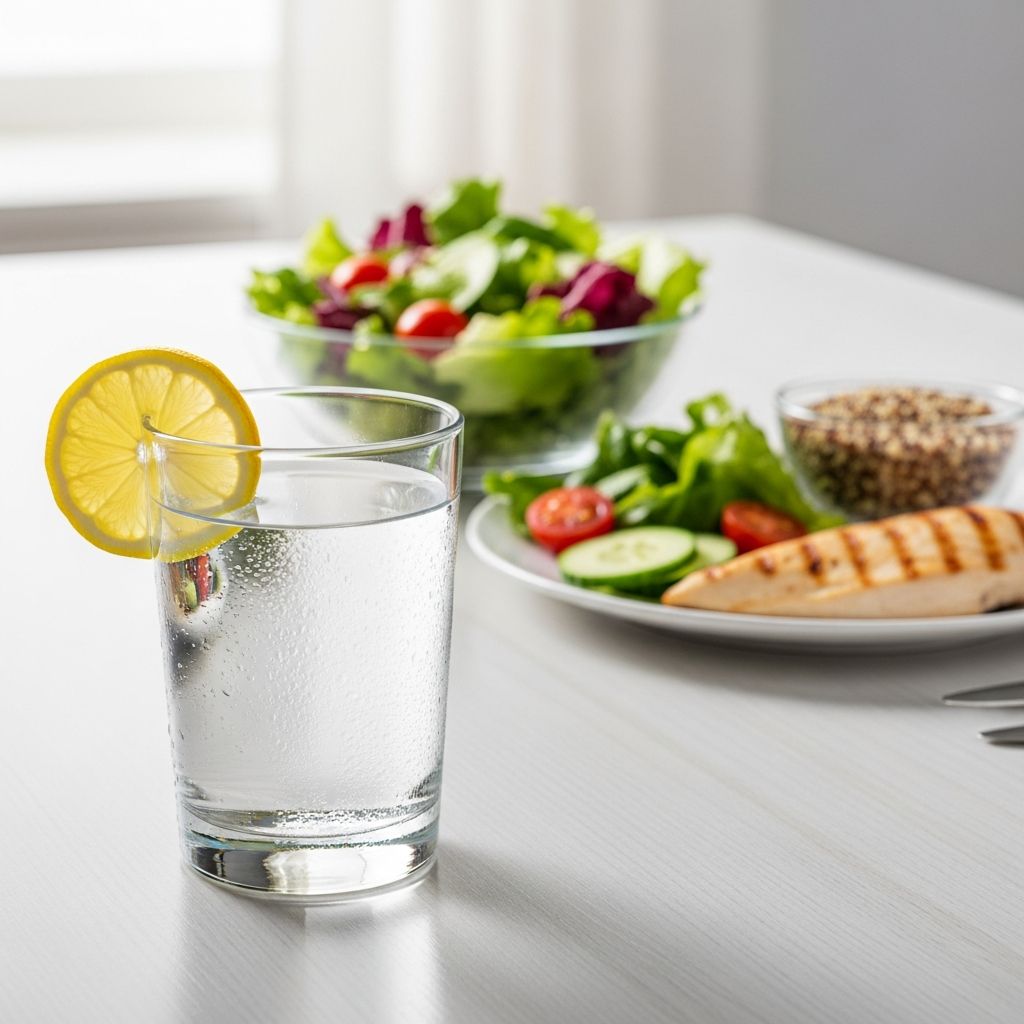
The idea that drinking water before meals can help you lose weight has become increasingly popular in weight management circles. From wellness influencers to nutrition advice columns, this simple strategy is frequently touted as an easy way to shed pounds without drastic dietary changes. But does the science actually support this claim? Understanding the mechanisms behind this theory and examining the current research evidence can help you make an informed decision about whether this approach is right for your weight loss goals.
The Theory Behind Water and Weight Loss
The concept that water consumption might facilitate weight loss is based on several biological mechanisms. These theories attempt to explain how something as simple as drinking water could potentially influence your body’s ability to manage weight. Let’s explore the primary explanations that researchers have investigated.
How Water Creates a Sense of Fullness
One of the most widely discussed mechanisms is the idea that drinking water before meals can create a sense of fullness in the stomach. This theory relies on the body’s natural satiety signals. Nerves in the stomach walls sense when the organ is stretched or expanded, and they send signals to the brain indicating that you are full. The hypothesis suggests that water occupies space in the stomach, triggering these stretch receptors and creating a feeling of satiation before you consume significant amounts of food.
By creating this sensation of fullness, proponents argue that people would naturally eat smaller portions at meals, thereby reducing overall calorie consumption. This reduced caloric intake, sustained over time, could theoretically lead to weight loss. The appeal of this explanation lies in its simplicity—it requires no special foods, supplements, or complicated dietary protocols.
Research has provided some support for this theory, particularly in short-term studies. One notable study examined participants who were following a low-calorie diet. Those who drank water before meals reported reduced appetite compared to those who did not consume additional water. Over a 12-week period, the water-drinking group achieved greater weight loss than the control group. However, researchers noted that these studies examined short-term effects and did not explore whether this habit would produce sustained weight loss over longer periods.
The Thermogenesis Effect: Burning Extra Calories
Another popular theory involves the concept of thermogenesis, which refers to the production of heat in the body. According to this hypothesis, when you drink water—particularly cold water—your body must expend energy to heat it to your internal body temperature. This process of generating heat theoretically burns additional calories, contributing to weight loss over time.
The appeal of this mechanism is that it suggests you could burn extra calories simply by choosing cold water over room-temperature water. Researchers have investigated this phenomenon, and earlier studies offered modest support for the idea that drinking cold water might slightly increase calorie burning through thermogenesis. However, more recent scientific investigations have cast considerable doubt on this explanation. Contemporary research has found minimal evidence that drinking water produces a meaningful impact on overall calorie expenditure or metabolic rate. While thermogenesis may occur, the actual number of additional calories burned through this process appears to be negligible in the context of overall energy balance.
Distinguishing Thirst From Hunger
A third explanation for water’s potential weight loss benefits addresses a common physiological confusion: the difficulty of distinguishing between thirst and hunger. According to this theory, people frequently misinterpret signals of thirst as signals of hunger, leading them to eat when they actually need hydration.
If this confusion is indeed common, then drinking water before meals—or even throughout the day—could prevent unnecessary snacking and calorie consumption. By addressing true thirst with water rather than responding to perceived hunger by eating, individuals could reduce their total caloric intake and support weight loss goals. While this explanation is intuitive and plausible, it relies on the assumption that thirst-hunger confusion is a widespread problem among people attempting to lose weight.
What Does Current Research Actually Show?
While the theories outlined above are scientifically plausible, the actual evidence supporting the effectiveness of water consumption for weight loss is more nuanced than popular recommendations might suggest. The research landscape includes both promising findings and important limitations.
Evidence Supporting Water and Weight Loss
Short-term research studies have demonstrated that drinking water before meals may reduce calorie consumption, particularly among older adults. One significant finding came from a study where participants on a low-calorie diet who drank water before meals reported reduced appetite and achieved greater weight loss over 12 weeks compared to those who did not include additional water in their diet routine. This finding suggests that for some people, in specific contexts, water consumption might provide a modest benefit.
Limitations of Current Research
However, these studies have important limitations that researchers emphasize. Most critically, these studies did not explore the long-term effects of drinking water before meals on sustained weight loss. It remains unclear whether the observed benefits persist over months or years, or whether people adapt to this practice over time. Additionally, the modest weight loss achieved in these studies raises questions about the practical significance of the effect, even when it is statistically significant.
Furthermore, the research on thermogenesis—the calorie-burning effect of water consumption—has provided only minimal support for this mechanism as a meaningful contributor to weight loss. While the body does expend some energy warming water, the amount is negligible enough that it is unlikely to meaningfully impact weight management on its own.
The Bottom Line on Water and Weight Loss
The current scientific evidence suggests that drinking water before meals may provide a modest benefit for weight loss in some individuals, particularly as part of a broader low-calorie diet strategy. However, this benefit appears to be limited and may not be sustained over longer periods. Water is certainly beneficial for overall health and proper hydration, but it should not be viewed as a standalone weight loss solution.
The most effective approach to weight loss involves comprehensive lifestyle changes, including balanced nutrition, regular physical activity, adequate sleep, and stress management. Drinking water before meals might serve as one small component of a larger weight management strategy, but it is unlikely to produce significant results on its own.
Practical Recommendations for Using Water in Your Weight Loss Strategy
If you are interested in incorporating water consumption into your weight management approach, consider these practical suggestions:
- Establish a consistent hydration routine: Drink water throughout the day rather than relying solely on pre-meal consumption. Proper hydration supports overall health and may help reduce confusion between thirst and hunger.
- Combine with other healthy habits: Use water consumption as part of a comprehensive approach that includes balanced meals, physical activity, and adequate sleep.
- Pay attention to your body’s signals: Notice whether drinking water before meals genuinely reduces your appetite or affects your eating patterns. Individual responses vary.
- Avoid replacing water with sugary beverages: Choose plain water rather than drinks with added calories or artificial sweeteners.
- Consider your personal preferences: If drinking water before meals makes you uncomfortable or causes bloating, this strategy may not be appropriate for you.
Other Factors That Matter More for Weight Loss
While water consumption may play a minor supporting role, research consistently demonstrates that other factors have a much more significant impact on weight loss success. These include dietary quality, portion control, regular physical activity, sleep duration and quality, stress management, and behavioral patterns around eating. Rather than focusing primarily on pre-meal water consumption, individuals seeking to lose weight should prioritize these more impactful factors.
Understanding Sustainable Weight Loss
Sustainable weight loss typically requires creating a consistent calorie deficit through a combination of reduced caloric intake and increased energy expenditure. This is best achieved through permanent lifestyle modifications rather than temporary strategies or single-factor interventions. While drinking water before meals is unlikely to harm your efforts and may provide modest benefits in specific contexts, it should not be viewed as a primary weight loss strategy.
The most successful long-term weight management approaches focus on developing sustainable eating patterns, increasing physical activity levels, improving sleep quality, and managing stress effectively. These interventions have substantially more research support and produce more meaningful, lasting results.
Individual Variation in Response to Water Consumption
It is important to recognize that people respond differently to various interventions, including water consumption. Some individuals may find that drinking water before meals genuinely helps them feel fuller and eat less. Others may not experience this effect or may find that it causes uncomfortable bloating or digestive distress. What works well for one person may not be effective or even pleasant for another.
This individual variation means that you should experiment thoughtfully with this strategy if you are interested in trying it. Monitor whether it produces noticeable effects on your appetite and eating patterns over a reasonable trial period, such as two to four weeks. If you find it helpful and it fits comfortably into your routine, it may be worth continuing. If you notice no benefit or experience discomfort, there is no compelling reason to force yourself to follow this approach.
Frequently Asked Questions (FAQs)
Q: How much water should I drink before meals for weight loss?
A: Research suggesting benefits typically involved consuming water immediately before meals. The specific amount varies among studies, but 16 ounces (about 500 milliliters) is a common quantity used in research. However, individual tolerance varies, and you should adjust based on comfort.
Q: Is cold water better than room-temperature water for weight loss?
A: While earlier research suggested cold water might burn slightly more calories through thermogenesis, recent studies show minimal meaningful difference. Choose whatever temperature you prefer to drink regularly.
Q: Can drinking too much water be harmful?
A: Excessive water consumption can lead to a condition called hyponatremia, where sodium levels in the blood become dangerously diluted. However, this is rare and typically only occurs with extreme overconsumption. Drinking water in normal amounts is safe for most people.
Q: Should I drink water before every meal or just certain meals?
A: Research studies typically had participants drink water before multiple meals. However, you should listen to your body and adjust based on what feels comfortable and sustainable for you.
Q: Can water consumption replace other weight loss strategies?
A: No. Water consumption should complement, not replace, established weight loss strategies like balanced nutrition, regular exercise, adequate sleep, and stress management. It works best as part of a comprehensive approach.
Q: How long does it take to see weight loss results from drinking water before meals?
A: If there is an effect, it would likely be modest and gradual. The 12-week study showing benefits required consistent effort combined with a low-calorie diet. Results vary significantly among individuals.
References
- Doctor answers: Does drinking water before lunch and dinner help in weight loss? — The Economic Times. 2024. https://economictimes.indiatimes.com/magazines/panache/doctor-answers-does-drinking-water-before-lunch-and-dinner-help-in-weight-loss/articleshow/116471815.cms
- Hydration and Weight Management — Centers for Disease Control and Prevention (CDC). 2024. https://www.cdc.gov/nutrition/data-research
- Water and Your Weight — UPMC Health Plan. 2024. https://www.upmchealthplan.com/
Similar Articles







Read full bio of medha deb