Drinks With Vitamin D: 12 Top Picks For Bone And Immune Health
Boost your vitamin D intake with these nutrient-packed drinks that support bone health and immunity effortlessly.
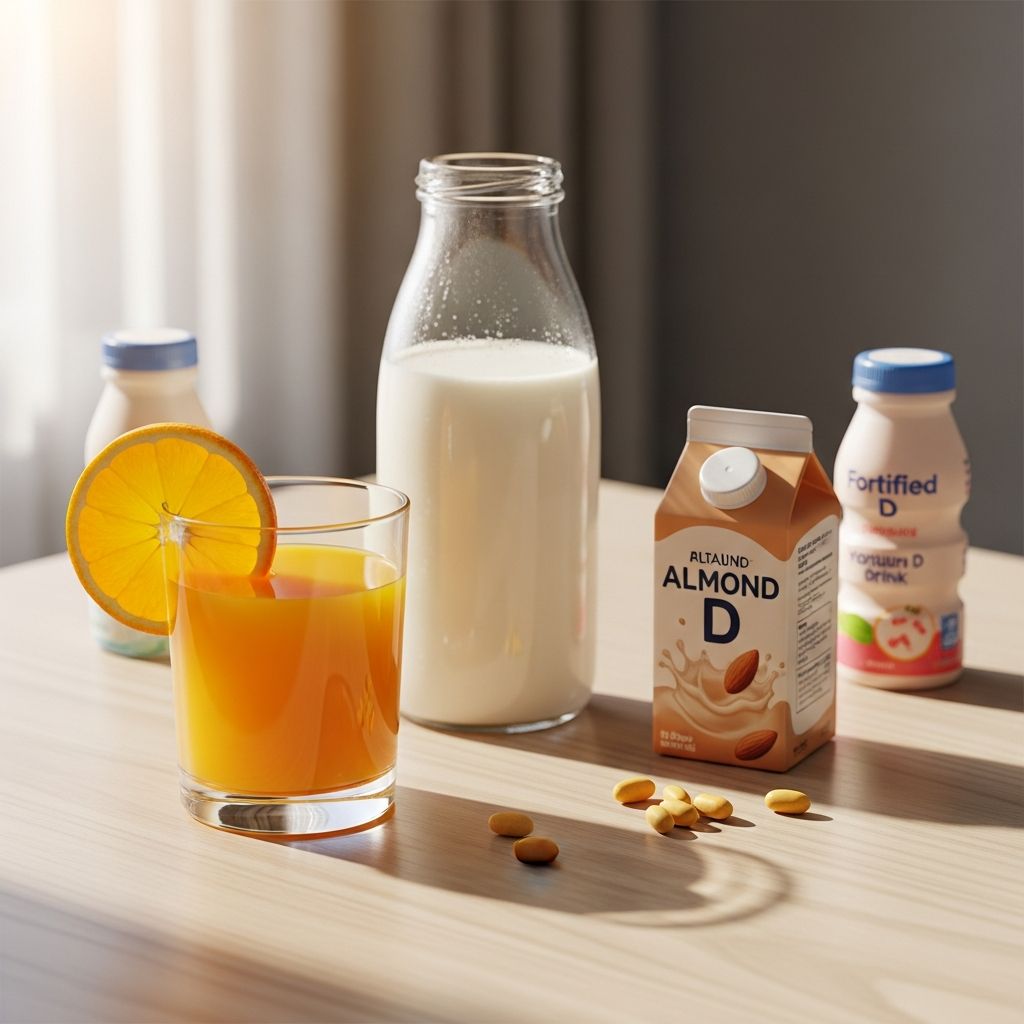
Vitamin D is essential for calcium absorption, bone mineralization, and preventing conditions like hypocalcemic tetany, as it maintains serum calcium and phosphate levels. Few foods naturally contain vitamin D, but fortification makes several drinks reliable sources, especially since many people in the U.S. consume less than recommended amounts from diet alone, with average intakes around 4-5 mcg daily.
What Is Vitamin D and Why Do You Need It?
Vitamin D functions as both a nutrient and a hormone, aiding calcium absorption in the gut and supporting bone health. The active form, 1,25-dihydroxyvitamin D or calcitriol, is produced after hydroxylation in the liver and kidneys. The Recommended Dietary Allowance (RDA) is 15 mcg (600 IU) daily for adults 19-70 years and 20 mcg (800 IU) for those over 70, assuming minimal sun exposure. Data from NHANES shows 92-97% of U.S. adults ingest less than the Estimated Average Requirement of 10 mcg (400 IU) from food and beverages.
Beyond bones, vitamin D may reduce cancer mortality by 13% with supplementation achieving serum levels of 54-135 nmol/L, based on long-term studies. Low levels (<50 nmol/L) affect 20% of White adults and 75% of Black adults in the U.S., linking to risks like rickets resurgence. Fortified drinks help bridge this gap, with plant milks often matching cow’s milk at about 3 mcg (120 IU) per cup.
12 Drinks with Vitamin D
Here are nutrient-dense drinks providing significant vitamin D, typically as D2 or D3. Vitamin D3 raises and sustains serum 25(OH)D levels more effectively than D2. Check Nutrition Facts labels, as the Daily Value (DV) is 20 mcg (800 IU) for ages 4+.
1. Fortified Cow’s Milk
Cow’s milk is a staple fortified source, delivering about 3 mcg (120 IU) per cup, promoting bone health via calcium synergy. Unlike cheese or ice cream, fluid milk is routinely fortified in the U.S. and Canada. Opt for low-fat or skim to reduce calories while retaining vitamin D.
2. Fortified Soy Milk
Plant-based and often fortified to 3 mcg (120 IU) per cup, soy milk suits vegans and those with lactose intolerance. It’s a complete protein, making it ideal for muscle support alongside vitamin D benefits.
3. Fortified Almond Milk
Almond milk provides around 2.5-3 mcg per cup when fortified, low in calories for weight management. Choose unsweetened varieties to avoid added sugars.
4. Fortified Oat Milk
Oat milk, creamy and fortified similarly at 2-3 mcg per cup, appeals to those seeking sustainable options. Its beta-glucans may enhance heart health when paired with vitamin D.
5. Fortified Orange Juice
Some brands add vitamin D, offering 2.5 mcg per cup plus vitamin C for immunity. A meta-analysis links higher vitamin D to 20% reduced fracture risk in older adults.
6. Fortified Yogurt Drinks
Yogurt-based smoothies or drinks can contain 2-3 mcg per serving, with probiotics for gut health. Probiotic synergy may improve nutrient absorption.
7. Fortified Rice Milk
Rice milk, milder in flavor, fortifies to about 2.5 mcg per cup, though higher in carbs. Best for allergy-free diets.
Related Stories



8. Fortified Coconut Milk Beverage
Not canned coconut milk, but beverage versions offer 2-3 mcg per cup, tropical taste with MCTs for energy.
9. Vitamin D-Enhanced Water
Some enhanced waters add 1-2 mcg per bottle, hydrating while contributing to intake. Useful for supplement-averse individuals.
10. Fortified Kefir
This fermented milk drink provides 3 mcg per cup with gut-friendly bacteria, akin to yogurt.
11. Ready-to-Drink Nutritional Shakes
Brands like Ensure fortify with 4-10 mcg per bottle, ideal for seniors or those with higher needs.
12. Fortified Infant Formula
Mandated at 1-2.5 mcg/100 kcal, essential for babies not getting 1,000 mL fortified milk daily.
How Much Vitamin D Do You Need?
RDA varies: 10 mcg (400 IU) for infants, 15 mcg (600 IU) for ages 1-70, 20 mcg (800 IU) for 71+. NHANES data indicates total intakes rise to 19.9 mcg with supplements, but food alone averages 4.8 mcg. Upper limit is 100 mcg (4,000 IU) daily; excess from supplements can occur.
| Age Group | RDA (mcg/IU) | Upper Limit (mcg/IU) |
|---|---|---|
| 0-12 months | 10/400 | 25/1,000 |
| 1-13 years | 15/600 | 63/2,500 |
| 14-18 years | 15/600 | 75/3,000 |
| 19-50 years | 15/600 | 100/4,000 |
| 51-70 years | 15/600 | 100/4,000 |
| 71+ years | 20/800 | 100/4,000 |
Table based on NIH guidelines; serum sufficiency is typically >50 nmol/L.
Benefits of Vitamin D from Drinks
- Bone Health: Reduces hip/non-spine fractures by 20% at 500-800 IU daily.
- Immune Support: Low levels increase MS risk; higher intake lowers it by 40-62%.
- Cancer Reduction: 13% lower mortality with adequate levels.
- Diabetes Prevention: Benefits those with low baseline levels in prediabetes trials.
- Mortality Risk: 25% higher premature death at <25 nmol/L vs. 50 nmol/L.
Who Needs More Vitamin D?
Breastfed infants (only 20.5% meet needs), older adults, those with limited sun, darker skin, or malabsorption benefit most. Supplementation to 54-135 nmol/L shows outcomes like reduced cancer deaths.
Tips for Getting Vitamin D from Drinks
- Choose fortified options; verify labels for mcg/IU.
- Pair with calcium-rich foods for synergy.
- Aim for 2-3 cups daily of fortified milk alternatives.
- Combine with sun exposure or supplements if deficient.
- For infants, ensure 400 IU supplemental if not formula-fed.
Potential Risks and Considerations
Over-supplementation risks hypercalcemia, but food fortification is safe. D3 is preferable over D2 for efficacy. Consult doctors for blood tests if at risk.
Frequently Asked Questions (FAQs)
What are the best drinks for vitamin D?
Fortified cow’s milk, soy milk, orange juice, and almond milk top the list at 2.5-3 mcg per cup.
Is plant milk as good as dairy for vitamin D?
Yes, when fortified similarly; check labels for matching levels.
How much vitamin D from drinks daily?
2-3 cups can provide 6-9 mcg, about half RDA; supplement if needed.
Can vitamin D drinks prevent deficiency?
They help, but 94% still fall short from diet alone; monitor serum levels.
Are vitamin D-fortified drinks safe for kids?
Yes, including formula; RDA is 15 mcg for ages 1-13.
Conclusion
Incorporating fortified drinks into your routine is a simple way to boost vitamin D, supporting bones, immunity, and more amid widespread deficiencies.
References
- Vitamin D – Health Professional Fact Sheet — Office of Dietary Supplements, National Institutes of Health. 2024-05-01. https://ods.od.nih.gov/factsheets/VitaminD-HealthProfessional/
- Vitamin D – The Nutrition Source — Harvard T.H. Chan School of Public Health. 2023-10-15. https://nutritionsource.hsph.harvard.edu/vitamin-d/
Similar Articles








Read full bio of Sneha Tete