Droopy Eyelid (Ptosis): Causes & 6 Effective Treatments
Understand ptosis causes, symptoms, diagnosis, and treatments for droopy eyelids to restore vision and appearance.
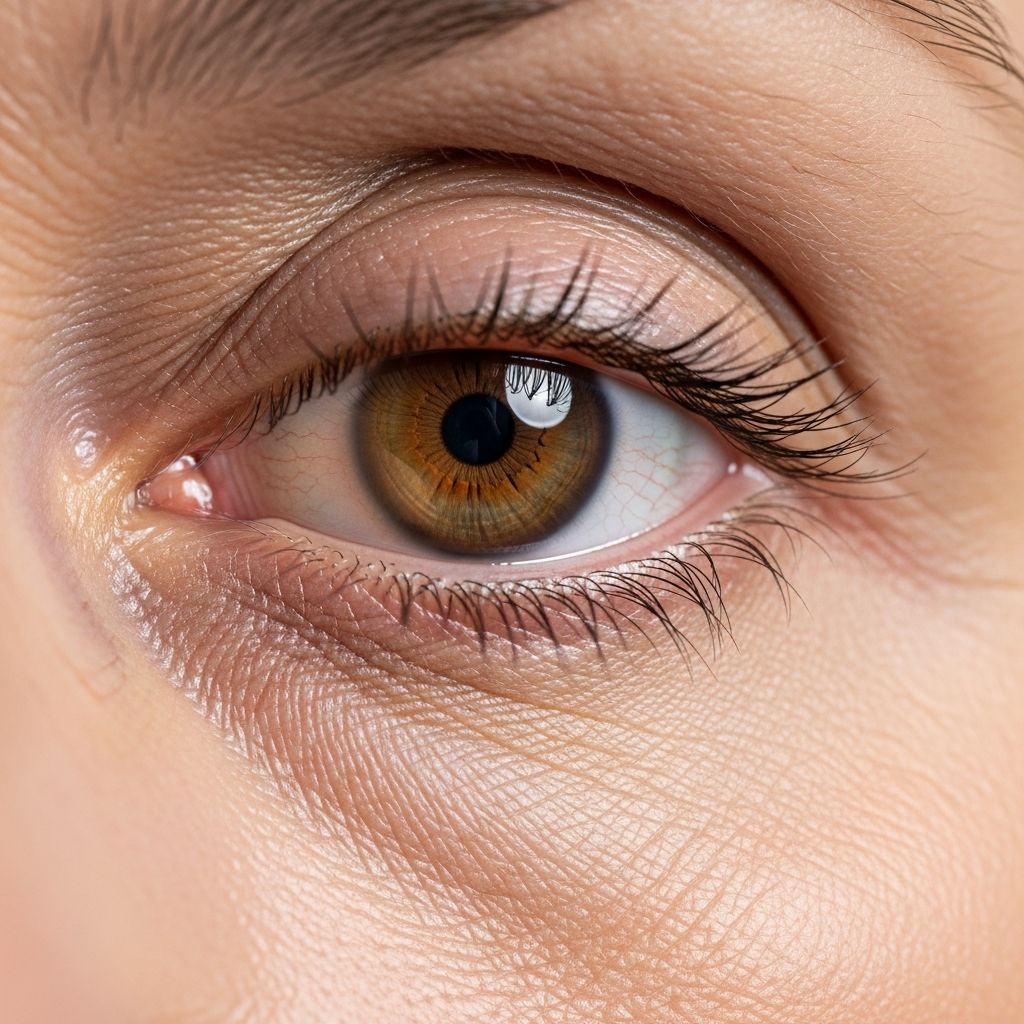
Droopy eyelid, medically known as
ptosis
, occurs when the upper eyelid sags or droops over the eye, potentially obstructing vision and altering appearance. This condition can affect one or both eyes and may arise from congenital factors, aging, trauma, or underlying diseases, requiring prompt evaluation for effective management.What Is a Droopy Eyelid?
A droopy eyelid, or ptosis, involves the upper eyelid descending lower than normal, often due to dysfunction in the levator muscle responsible for lifting the lid or issues with controlling nerves. It can be unilateral (one eye) or bilateral (both eyes), congenital (present at birth), or acquired later in life.
The levator palpebrae superioris muscle attaches to the eyelid via the levator aponeurosis, a tendon-like structure. Weakening, stretching, or separation of this muscle or aponeurosis leads to drooping. In severe cases, the eyelid may cover the pupil entirely, impairing vision and forcing individuals to tilt their heads back to see.
Ptosis severity varies: mild cases might only cause cosmetic concerns, while severe ones lead to functional vision loss. Children with congenital ptosis may develop amblyopia (lazy eye) if untreated, as the brain favors the unaffected eye.
Symptoms of Droopy Eyelid
Key symptoms include the upper eyelid hanging lower than usual, asymmetry in eyelid creases, and potential coverage of the pupil. Vision may feel obstructed in the upper field, progressing to complete blockage in advanced cases.
- **Vision impairment**: Blocked superior visual field; severe ptosis covers the pupil, reducing clarity.
- **Head tilting**: Patients, especially children, lift or tilt heads backward to see under the lid.
- **Eye strain and fatigue**: Aching around eyes, tiredness appearance, increased tearing, or dry eye sensation.
- **Compensatory brow lift**: Forehead muscle overuse causes wrinkles and headaches.
- **Other signs**: Blurred vision, excessive blinking, or reduced blinking rate.
Symptoms may worsen with fatigue or at day’s end. Sudden onset warrants immediate medical attention to rule out stroke or myasthenia gravis.
Causes of Droopy Eyelid
Droopy eyelids stem from mechanical failure of eyelid elevators, nerve damage, or systemic conditions. Causes are categorized as congenital or acquired.
Congenital Ptosis
Present at birth, often due to levator muscle underdevelopment or aponeurosis dysgenesis. It affects 1 in 842 births, more common in boys, and may be isolated or part of syndromes like Blepharophimosis.
Acquired Ptosis
Develops later from various factors:
- Aging (Aponeurotic ptosis): Most common in adults over 40; levator aponeurosis stretches, prevalent after cataract surgery.
- Trauma/Surgery: Injury or eye procedures damage muscle or nerves.
- Neuromuscular Disorders: Myasthenia gravis (autoimmune muscle weakness), Horner’s syndrome (sympathetic nerve disruption), third cranial nerve palsy.
- Mechanical: Tumors, eyelid swelling from allergies/infections, or excess skin (dermatochalasis).
- Neurogenic: Stroke, brain lesions, or botulism affecting oculomotor nerve.
Related Stories



| Type of Ptosis | Primary Cause | Affected Population |
|---|---|---|
| Congenital | Levator maldevelopment | Infants/Children |
| Aponeurotic | Aging/stretching | Adults >40 |
| Myogenic | Muscle diseases (e.g., myasthenia) | Any age |
| Neurogenic | Nerve damage | Varies |
| Mechanical | Tumors/swelling | Varies |
Pseudoptosis mimics true ptosis from brow ptosis, enophthalmos, or blepharospasm.
Diagnosis
Diagnosis begins with a comprehensive eye exam by an ophthalmologist or oculoplastic specialist. Key tests include:
- Visual acuity and field testing: Measures vision blockage.
- Levator function test: Patient lifts eyelid; measures excursion from downgaze to upgaze (<15mm poor function).
- Margin reflex distance (MRD1): Distance from corneal light reflex to lid margin; normal 4-5mm.
- Phenylephrine test: Drops to assess muscle response.
- Imaging/Blood tests: MRI/CT for tumors, blood for myasthenia if systemic signs present.
Children require urgent evaluation to prevent amblyopia.
Treatment
Treatment depends on severity, cause, and age. Cosmetic cases may not need intervention; functional ptosis requires action.
Nonsurgical Options
- Ptosis crutch: Wire in glasses frame supports lid; ideal for temporary or poor surgical candidates.
- Eye drops (Upneeq/oxymetazoline): Daily drops contract Müller’s muscle, lifting lid 1-3mm; FDA-approved for acquired ptosis.
- Observation: For mild, non-progressive cases.
Surgical Treatments
Surgery is gold standard for significant ptosis, performed under local/general anesthesia outpatient.
- External levator resection: Tightens levator muscle via eyelid incision; for good levator function.
- Müller muscle-conjunctival resection (MMCR): Internal approach, no skin scar; for mild ptosis with good response to phenylephrine.
- Frontalis sling: Uses forehead muscle/sling for severe congenital/poor levator function; adjustable silikon or fascia.
Success rates: 80-90% for adults, higher with experienced surgeons. Risks include under/over-correction, asymmetry, dry eyes. Recovery: swelling/bruising 1-2 weeks.
When to See a Doctor
Seek care if:
- Sudden drooping, especially with headache, double vision, or weakness (stroke sign).
- Vision obstruction or head tilting.
- Progressive worsening or child >6 months with ptosis.
- Accompanied by tearing, swelling, or facial asymmetry.
Early intervention prevents complications like astigmatism or permanent vision loss.
Frequently Asked Questions (FAQs)
Is droopy eyelid serious?
It can be cosmetic or vision-threatening; sudden cases may signal emergencies like stroke.
Can ptosis go away on its own?
Mild cases may improve, especially if inflammation-related; persistent needs evaluation.
How much does ptosis surgery cost?
Varies; functional cases often insurance-covered if vision affected.
Can Botox cause droopy eyelids?
Yes, temporary ptosis from migration to levator; resolves in weeks.
Is droopy eyelid hereditary?
Congenital forms often familial.
References
- Ptosis: Droopy Eyelid Causes, Symptoms, and Treatment — Healthline. 2023-10-15. https://www.healthline.com/health/eyelid-drooping
- How to fix droopy eyelids: Surgical and nonsurgical methods — Medical News Today. 2024-05-20. https://www.medicalnewstoday.com/articles/how-to-fix-droopy-eyelids
- Ptosis (Droopy Eyelid): Causes & Treatment — Cleveland Clinic. 2024-08-12. https://my.clevelandclinic.org/health/diseases/14418-ptosis-droopy-eyelid
- Droopy Eyelids (ptosis) — North American Neuro-Ophthalmology Society. 2023-01-01. https://www.nanosweb.org/droopyeyelid/
- Eyelid drooping — MedlinePlus (U.S. National Library of Medicine). 2024-02-28. https://medlineplus.gov/ency/article/001018.htm
Similar Articles








Read full bio of Sneha Tete