Droopy Eyelids: Causes, Diagnosis, And Treatment Options
Discover causes, symptoms, and effective treatments for droopy eyelids to restore clear vision and youthful appearance.
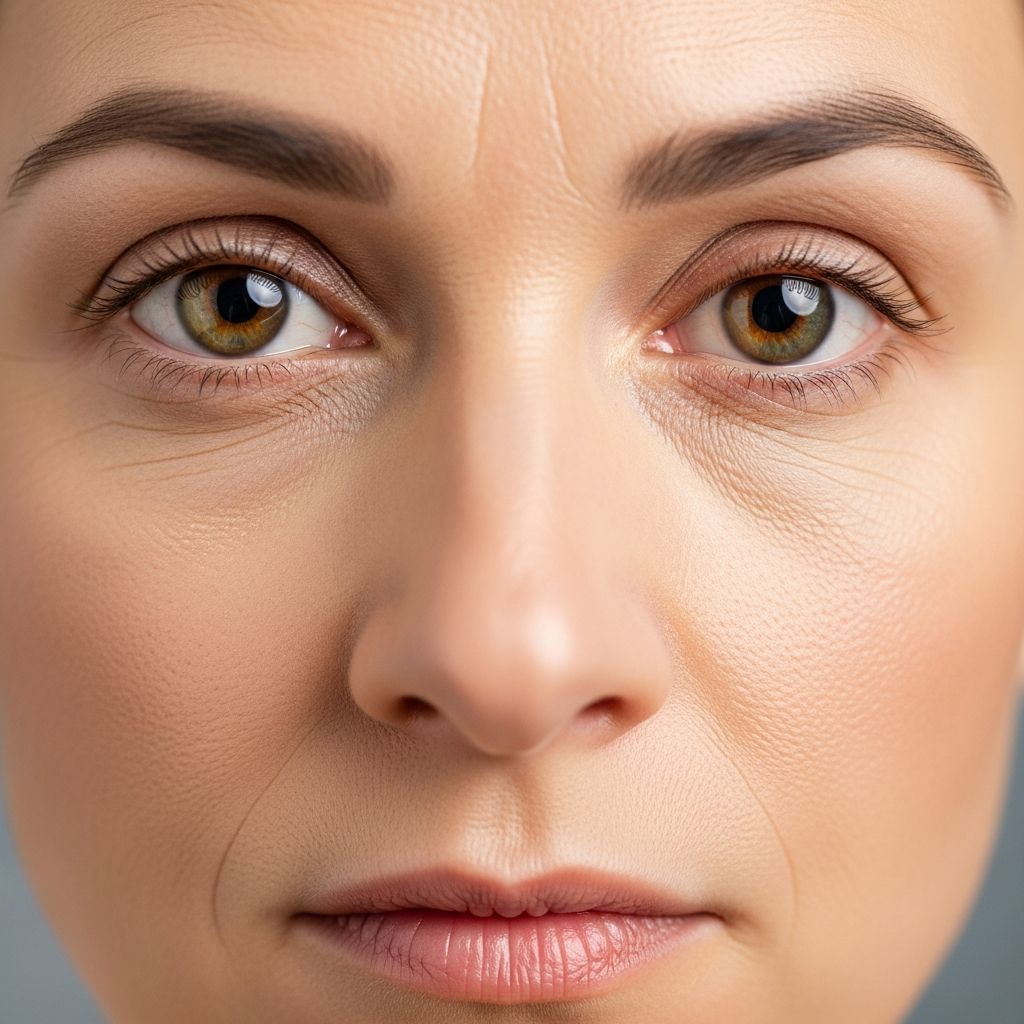
Droopy eyelids, medically termed ptosis or characterized by excess skin known as dermatochalasis, occur when the upper eyelid sags over the eye, potentially obstructing vision and altering appearance.This condition affects millions, stemming from muscle weakness, skin laxity, or underlying health issues, and demands timely attention to prevent complications.
Defining Droopy Eyelids and Key Types
The upper eyelid’s natural position keeps the eye protected while allowing clear sight. When it descends abnormally, it disrupts this balance. There are two primary forms: ptosis, involving levator muscle dysfunction that fails to lift the lid adequately, and dermatochalasis, where loose, baggy skin folds accumulate, often mimicking a tired look.
- Ptosis: The lid margin drops into the visual field due to weakened or stretched muscles, impacting one or both eyes.
- Dermatochalasis: Excess, folded skin creates puffiness, advancing to block peripheral vision in severe cases.
These differ fundamentally: ptosis is muscular, while dermatochalasis is cutaneous, though they frequently coexist, compounding effects.
Common Triggers Behind Eyelid Drooping
Aging tops the list, as collagen depletes and elasticity wanes, relaxing skin and ligaments around the eyes. The delicate eyelid skin, thinnest on the face, succumbs first to gravity and time.
| Cause Category | Description | Examples |
|---|---|---|
| Aging | Loss of skin elasticity and muscle tone | Stretched levator muscle, ligament relaxation |
| Genetics | Inherited traits predisposing to early sagging | Congenital ptosis, ethnic variations in skin |
| Lifestyle/Mechanical | Repetitive strain or habits | Contact lens use, brow lifting, screen time |
| Medical Conditions | Systemic diseases affecting nerves/muscles | Thyroid eye disease, myasthenia gravis, Horner syndrome |
| Trauma/Injury | Direct damage | Eye surgery, accidents |
Acquired ptosis often links to nerve damage or diseases, while congenital cases appear from birth due to underdeveloped muscles.
Recognizing Symptoms and Daily Impacts
Beyond aesthetics—a perpetually fatigued or sad expression—droopy eyelids impair function. Vision blockage leads to head tilting, brow straining, and chronic discomfort.
- Partial or full pupil coverage, narrowing field of view
- Eye strain, headaches from compensatory efforts
- Dryness, irritation, dermatitis from skin overhang
- Reading/driving difficulties, reduced peripheral sight
Sudden asymmetry or rapid worsening signals urgency, potentially indicating stroke, neuromuscular disorders, or tumors—rare but critical.
Diagnostic Approaches for Accurate Assessment
Ophthalmologists evaluate via physical exams, measuring lid height, muscle strength, and visual fields. Specialized tests include:
- Levator function assessment: Checking muscle excursion
- Phenylephrine drops: Temporary lift to simulate surgery outcomes
- Imaging or nerve studies for underlying causes
Distinguishing ptosis from dermatochalasis guides treatment; combined cases may need multifaceted plans.
Non-Surgical Management Options
For mild cases or those avoiding incisions, conservative measures offer relief without downtime.
Related Stories



Prescription Eye Drops
Oxymetazoline drops (e.g., Upneeq) target the Müller’s muscle, contracting it for a 1-2mm lift lasting 6-8 hours. Daily use suits acquired ptosis in adults, though not universal.
Lifestyle and Supportive Therapies
- Adequate sleep and UV protection to slow progression
- Eyelid exercises: Gentle resistance training for muscle tone
- Retinol creams or laser resurfacing for skin tightening
These provide temporary or preventive benefits, ideal pre-surgery or for minimal droop.
Surgical Interventions for Lasting Correction
When vision or quality of life suffers, procedures restore anatomy effectively. Oculoplastic specialists tailor approaches.
| Procedure | Targets | Recovery | Outcomes |
|---|---|---|---|
| Upper Blepharoplasty | Excess skin/fat (dermatochalasis) | 1-2 weeks swelling | Brighter, less hooded eyes |
| Ptosis Repair | Levator muscle tightening/repositioning | 1-3 weeks | Improved lid elevation |
| Brow Lift (if needed) | Sagging brows contributing to droop | 2-4 weeks | Full upper face rejuvenation |
Anesthesia varies—local for blepharoplasty, general for complex repairs. Risks include dry eyes or asymmetry, minimized by experts.
Choosing the Right Treatment Path
Consultation determines candidacy: vision-impacted cases often qualify for insurance-covered surgery, while cosmetic fixes are out-of-pocket. Weigh age, health, and expectations.
- Mild ptosis: Drops or observation
- Moderate-severe: Surgery for permanence
- Combined issues: Staged procedures
Post-op care involves cold compresses, ointments, and activity limits for optimal healing.
Preventive Strategies for Eye Health
While inevitable, proactive steps delay onset:
- Sunscreen and hats for UV defense
- Balanced diet rich in antioxidants
- Avoid rubbing eyes or prolonged contact wear
- Regular eye exams from age 40
Frequently Asked Questions (FAQs)
Can droopy eyelids fix themselves?
Rarely; aging-related cases progress without intervention. Sudden droop warrants immediate check.
Is eyelid surgery painful?
Minimal discomfort managed by medication; most resume normalcy in days.
Who is at risk for congenital ptosis?
Infants with family history or developmental issues; early surgery prevents amblyopia.
How long do eye drop effects last?
Up to 8 hours daily with consistent use; not a cure.
Does insurance cover treatment?
Yes, if vision field tests show obstruction; documentation required.
In summary, droopy eyelids blend cosmetic concern with functional threat. Early detection via reputable sources like Cleveland Clinic and Ohio State empowers informed decisions.
References
- Droopy Eyelids (Ocular Plastics) — Blue Ridge Surgery Center. Accessed 2026. https://blueridgesurgerycentersc.com/condition/droopy-eyelids-ocular-plastics
- Surgery for drooping eyelids — Ohio State Wexner Medical Center. Accessed 2026. https://wexnermedical.osu.edu/eye-care-ophthalmology/conditions-and-services/oculoplastics/drooping-eyelids-surgery
- Understanding and Treating Droopy Eyelids — University of Utah Health. 2025-03. https://healthcare.utah.edu/the-scope/health-library/all/2025/03/understanding-and-treating-droopy-eyelids
- 5 Signs Your Droopy Eyelids May Need Medical Attention — Everett & Hurite Eye Care. Accessed 2026. https://www.everett-hurite.com/blog/5-signs-your-droopy-eyelids-may-need-medical-attention-in-pittsburgh-pa-7
- Ptosis (Droopy Eyelid): Causes & Treatment — Cleveland Clinic. Accessed 2026. https://my.clevelandclinic.org/health/diseases/14418-ptosis-droopy-eyelid
- Treatment for droopy eyelids or ptosis — Ohio State Medical Center. Accessed 2026. https://www.youtube.com/watch?v=Z9QZVTnnT7U
Similar Articles








Read full bio of Sneha Tete