Drug-Induced Hepatitis: Causes, Symptoms & Treatment
Understanding medication-related liver inflammation: causes, symptoms, diagnosis, and recovery.
Understanding Drug-Induced Hepatitis
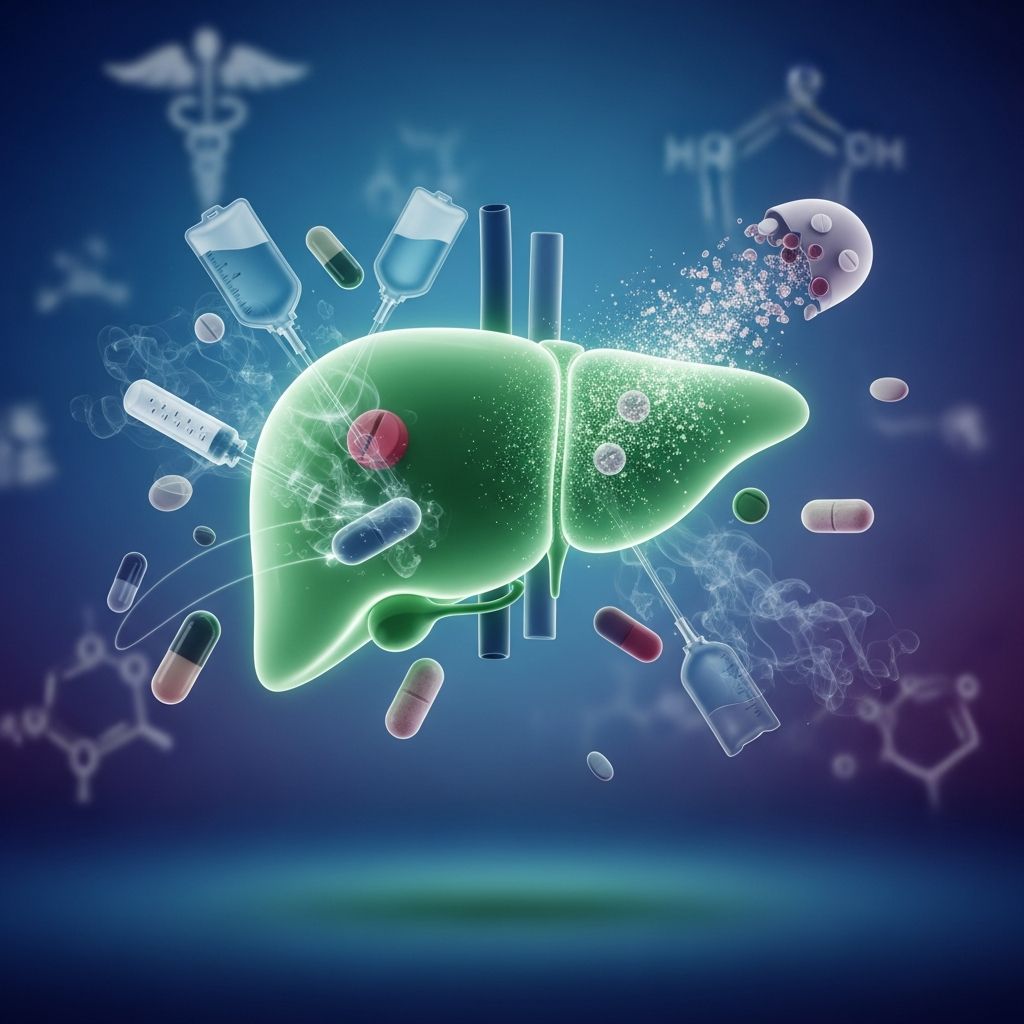
Drug-induced hepatitis is a condition characterized by inflammation and damage to the liver caused by adverse reactions to medications. Also known as drug-induced liver injury (DILI), this condition occurs when certain medicines or their metabolites directly damage liver cells or trigger an immune response that harms the organ. The liver, which plays a crucial role in metabolizing drugs and filtering harmful substances from the bloodstream, can become overwhelmed when exposed to toxic levels of medication. This comprehensive guide explains the causes, symptoms, diagnostic procedures, and treatment options for drug-induced hepatitis.
What Causes Drug-Induced Hepatitis?
Drug-induced hepatitis develops through two primary mechanisms of liver injury. Understanding these pathways helps explain why certain medications pose greater risks than others.
Predictable or Direct Hepatotoxicity
Direct hepatotoxicity occurs through a dose-dependent mechanism, meaning that higher doses of the offending medication increase the risk of liver damage. This type of injury is generally predictable and reproducible, occurring soon after exposure to the medication. Common medications causing direct hepatotoxicity include acetaminophen (paracetamol) at high doses, alcohol, amiodarone, and methotrexate. When these substances are metabolized by the liver, they either directly damage liver cells or are converted into toxic metabolites that harm hepatocytes. The severity of injury typically correlates with the dose and duration of medication use.
Unpredictable or Idiosyncratic Reactions
Idiosyncratic drug-induced hepatitis occurs through dose-independent mechanisms and is often related to immune hypersensitivity or genetic factors affecting drug metabolism. These reactions are unpredictable and cannot be reliably reproduced in testing. Idiosyncratic reactions typically develop several weeks to months after initial medication exposure and may include systemic symptoms such as fever, rash, and eosinophilia. Examples include reactions to amoxicillin-clavulanate (the most common antibiotic cause), nitrofurantoin, and minocycline. Late-onset idiosyncratic reactions, which can occur months after starting a medication, are particularly challenging to recognize because they often lack hypersensitivity features.
Common Medications Associated with Hepatitis
Numerous medications have been implicated in drug-induced hepatitis. The following categories represent the most common offenders:
Pain and Fever Management
Acetaminophen remains the most common medication-related cause of drug-induced hepatitis in many countries. Liver injury from acetaminophen can occur with both overdose (acute toxicity) and chronic use at recommended doses, particularly in individuals who consume alcohol excessively or have underlying liver disease. Nonsteroidal anti-inflammatory drugs (NSAIDs) including ibuprofen, diclofenac, and naproxen can also cause drug-induced hepatitis through both hepatocellular and cholestatic patterns of injury.
Antibiotics
Antibiotics represent approximately 45.4% of idiosyncratic drug-induced liver injury cases. Amoxicillin-clavulanate (Augmentin) is the most common antibiotic cause, followed by sulfamethoxazole-trimethoprim, ciprofloxacin, and isoniazid. The risk of antibiotic-induced hepatitis may be higher in older individuals and may increase with longer duration of treatment.
Cardiovascular and Metabolic Medications
Statins, commonly prescribed for cholesterol management, can cause drug-induced hepatitis through immune-mediated mechanisms. Amiodarone, used for cardiac arrhythmias, causes dose-related hepatotoxicity. Thiazolidinediones, diabetes medications, have been associated with hepatocellular injury patterns.
Anticonvulsants and Central Nervous System Agents
Anticonvulsant medications such as phenytoin and valproate can trigger idiosyncratic hepatitis. These reactions may occur unpredictably, complicating the management of patients requiring seizure control.
Herbal and Dietary Supplements
Herbal and dietary supplements account for approximately 16.1% of idiosyncratic drug-induced liver injury cases. Green tea extract, anabolic steroids, and multi-ingredient nutritional supplements have all been documented as causes of hepatitis. Many individuals do not consider supplements as “medications” and may not report their use to healthcare providers, potentially delaying diagnosis.
Related Stories



Recognizing the Symptoms
The symptoms of drug-induced hepatitis vary widely among individuals, reflecting the different patterns and severity of liver injury. Early recognition of symptoms is essential for prompt discontinuation of the offending medication and prevention of serious complications.
Early Manifestations
Initial symptoms often develop abruptly and resemble those of acute viral hepatitis. Early signs typically include fever, chills, malaise, headache, and systemic symptoms such as myalgia and arthralgia. Gastrointestinal symptoms are common and include nausea, vomiting, abdominal pain, and loss of appetite. A rash or itching (pruritus) may develop as part of a hypersensitivity reaction.
Progressive Symptoms
As liver damage progresses, more specific signs of hepatitis develop. Jaundice, characterized by yellowing of the skin and eyes, indicates significant hepatocellular dysfunction. Dark urine and pale or clay-colored stools reflect impaired bilirubin metabolism and bile flow. Patients may experience fatigue and weakness that can be severe and debilitating. In severe cases, symptoms may progress to include confusion, encephalopathy, or coma, indicating acute liver failure.
Timeline of Symptom Onset
The timing of symptom development depends on the type of drug-induced hepatitis. Predictable hepatotoxicity from acetaminophen overdose may cause symptoms within hours to days. Idiosyncratic reactions typically develop within 3 to 6 months of medication exposure, though some patients may not develop symptoms until several months after starting therapy. This variable timeline underscores the importance of maintaining a comprehensive medication history when evaluating patients with hepatitis.
Diagnostic Procedures and Tests
Accurate diagnosis of drug-induced hepatitis relies heavily on clinical suspicion based on medication history, combined with specific laboratory and imaging findings.
Laboratory Tests
Liver function tests are essential in diagnosing drug-induced hepatitis and determining the pattern of injury. Elevated aminotransferases (AST and ALT) suggest hepatocellular injury, commonly seen with acetaminophen, statins, and thiazolidinediones. Elevated alkaline phosphatase indicates cholestatic injury, observed with medications such as chlorpromazine, erythromycin, and estrogens. A mixed pattern with elevations in both aminotransferases and alkaline phosphatase occurs with certain medications like amoxicillin-clavulanate and suggests combined hepatocellular and cholestatic injury. Bilirubin levels indicate the severity of liver dysfunction, while prothrombin time (INR) reflects synthetic liver function.
Imaging Studies
Abdominal ultrasound, computed tomography (CT), or magnetic resonance imaging (MRI) may be performed to evaluate liver structure, exclude other causes of liver disease, and assess for complications such as cirrhosis or hepatic encephalopathy.
Additional Investigations
To exclude other causes of hepatitis, healthcare providers may order hepatitis viral serology (tests for hepatitis A, B, C viruses), antinuclear antibodies (to exclude autoimmune hepatitis), and measurements of copper and iron levels. In some cases, liver biopsy may be performed to confirm the diagnosis and assess the severity of liver damage, particularly when the diagnosis remains uncertain after initial testing.
Treatment and Management Approaches
The cornerstone of treatment for drug-induced hepatitis is identification and discontinuation of the offending medication as soon as possible. Early removal of the harmful agent significantly improves outcomes and reduces the risk of progression to acute liver failure.
Discontinuation of the Offending Medication
Stopping the problematic medication is the only definitive treatment for most cases of drug-induced hepatitis. However, this decision must be carefully considered in patients taking medications for serious conditions. Healthcare providers must weigh the benefits of continued medication against the risks of hepatitis and determine whether alternative medications with safer hepatic profiles are available.
Specific Treatments
For acetaminophen hepatotoxicity, N-acetylcysteine (NAC) is an effective antidote that promotes regeneration of glutathione, a critical molecule for detoxifying acetaminophen metabolites. NAC is most effective when administered early, ideally within 8-10 hours of acetaminophen overdose. For this reason, patients suspected of acetaminophen overdose should immediately seek emergency care.
Supportive Care
Patients with acute drug-induced hepatitis should avoid physical exertion and activities that stress the recovering liver. Alcohol consumption must be completely avoided as it further impairs hepatic function. Additional hepatotoxic substances, including acetaminophen and other potentially liver-damaging medications, should be avoided during the recovery period. Symptomatic management may include antihistamines for itching, bile acid sequestrants for cholestatic symptoms, and supportive measures such as intravenous fluid administration for severe nausea and vomiting.
Severe Cases and Transplantation
In severe cases progressing to acute liver failure, hospital admission is necessary for intensive monitoring and management. If acute liver failure develops, early consideration of liver transplantation is essential, as this condition carries high mortality. Modern transplantation outcomes have improved significantly, and many patients with acute liver failure secondary to drug-induced hepatitis recover well with transplantation.
Prognosis and Recovery
The prognosis for drug-induced hepatitis depends on the severity of liver injury and the rapidity with which the offending medication is discontinued. In most cases, the liver has remarkable regenerative capacity and can recover completely with discontinuation of the harmful agent. Mild to moderate cases typically resolve within weeks to months after stopping the medication. Liver enzymes gradually normalize as hepatocytes regenerate and liver function is restored. However, in cases where significant cirrhosis has developed or acute liver failure occurs, the prognosis becomes more serious.
Prevention Strategies
Several strategies can reduce the risk of drug-induced hepatitis. Patients should always inform healthcare providers about all medications, supplements, and herbal products they use, as this information is critical for assessing hepatic risk. Using medications only as directed, at the lowest effective dose and for the shortest necessary duration, minimizes hepatic exposure. Regular monitoring of liver function through periodic blood tests may be recommended for patients on medications known to potentially cause hepatitis. Avoiding excessive alcohol consumption, particularly when taking hepatotoxic medications, is essential. Patients with existing liver disease should inform their healthcare providers, as they are at higher risk for drug-induced hepatitis.
When to Seek Medical Attention
Patients should contact their healthcare provider immediately if they develop symptoms suggestive of drug-induced hepatitis, including unexplained jaundice, dark urine, pale stools, severe abdominal pain, or persistent nausea and vomiting. If acetaminophen overdose is suspected, emergency services should be contacted immediately, as prompt treatment can prevent fatal liver failure.
Frequently Asked Questions
Q: Can drug-induced hepatitis be fatal?
A: Yes, in severe cases, drug-induced hepatitis can progress to acute liver failure, which carries significant mortality risk. However, early recognition and discontinuation of the offending medication, combined with appropriate medical care, significantly improves outcomes. Liver transplantation is available for patients with fulminant liver failure.
Q: How long does recovery from drug-induced hepatitis take?
A: Recovery time varies depending on severity. Mild cases may resolve within weeks, while moderate to severe cases may require months for complete resolution. The liver has significant regenerative capacity and typically recovers well if the offending medication is discontinued promptly.
Q: Can I resume taking the medication that caused hepatitis?
A: In most cases, once drug-induced hepatitis has occurred, the offending medication should not be reintroduced, as recurrence is likely. Your healthcare provider may recommend alternative medications with safer hepatic profiles for your underlying condition.
Q: Are some people at higher risk for drug-induced hepatitis?
A: Yes, certain factors increase risk, including advanced age, female gender, underlying liver disease, genetic variations in drug-metabolizing enzymes, concurrent use of other hepatotoxic substances (including alcohol), malnutrition, and immune system disorders. Individuals with these risk factors should be monitored more carefully when taking potentially hepatotoxic medications.
Q: Should I stop taking a medication if I’m concerned about hepatitis risk?
A: Do not discontinue medications without consulting your healthcare provider, even if concerned about hepatitis risk. Your provider can assess your individual risk factors, discuss potential alternatives, and determine whether monitoring with regular liver function tests is appropriate for your situation.
Q: Are herbal supplements safer than prescription medications regarding hepatitis risk?
A: No. While many people assume herbal and dietary supplements are inherently safe, numerous supplements have been documented to cause drug-induced hepatitis. Always inform your healthcare provider about supplements you use, as they require the same scrutiny as prescription medications.
References
- Drug-induced Hepatitis: Symptoms and Treatment — Patient.info. 2024. https://patient.info/doctor/gastroenterology/drug-induced-hepatitis
- Drug-Induced Hepatitis — University of Rochester Medical Center. 2024. https://www.urmc.rochester.edu/encyclopedia/content?contenttypeid=85&contentid=P00668
- Drug-induced Hepatitis Information — Mount Sinai Health System. 2024. https://www.mountsinai.org/health-library/diseases-conditions/drug-induced-hepatitis
- Drug-Induced Hepatotoxicity — StatPearls, National Center for Biotechnology Information (NCBI). 2024. https://www.ncbi.nlm.nih.gov/books/NBK557535/
- Toxic Hepatitis: Symptoms and Causes — Mayo Clinic. 2024. https://www.mayoclinic.org/diseases-conditions/toxic-hepatitis/symptoms-causes/syc-20352202
- Drug Induced Liver Injury (DILI) — British Liver Trust. 2024. https://britishlivertrust.org.uk/information-and-support/liver-conditions/dili/
- Drug-Induced Hepatitis: Health Library — UMass Memorial Health. 2024. https://myhealth.umassmemorial.org/conditions/heart/85,P00668
Similar Articles








Read full bio of medha deb