Drug-Induced Immunosuppression: Risks, Management & Prevention
Understanding risks, cutaneous effects, and management of immunosuppression from drugs in dermatological practice.
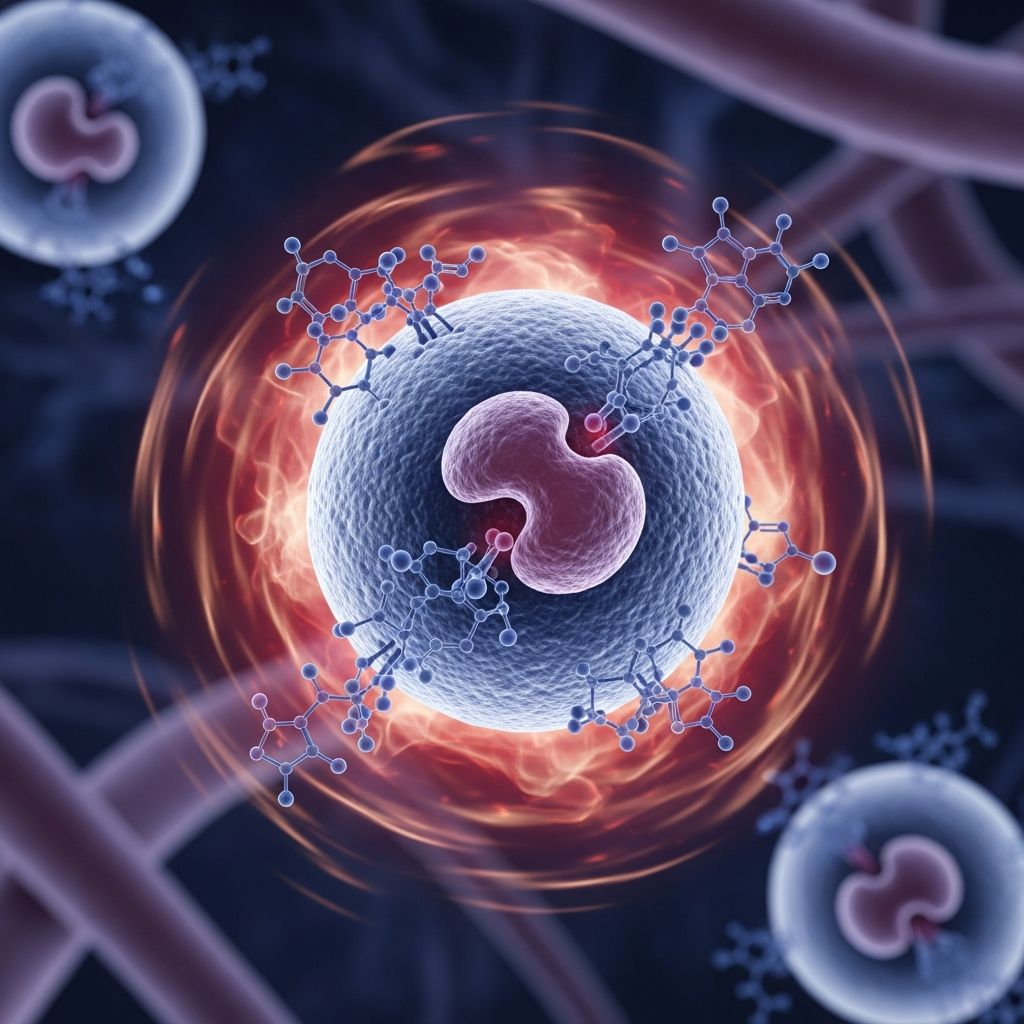
Drug-induced immunosuppression occurs when medications suppress the immune system to treat conditions like autoimmune diseases, organ transplant rejection, or severe inflammatory skin disorders. This suppression increases susceptibility to infections, malignancies, and specific cutaneous manifestations, particularly in dermatology patients.
What is drug-induced immunosuppression?
Immunosuppressive drugs intentionally dampen the body’s immune response to prevent organ rejection or control overactive immunity in diseases such as pemphigus, lupus, or psoriasis. These agents target T-cells, B-cells, cytokines, or other immune components, leading to broad effects on innate and adaptive immunity.
Common scenarios include solid organ transplant recipients (e.g., kidney, liver, heart) and patients with autoimmune bullous diseases or connective tissue disorders. While effective, these drugs heighten risks of opportunistic infections, skin cancers, and drug-specific eruptions.
Who is at risk of drug-induced immunosuppression?
High-risk groups include:
- Organ transplant recipients on lifelong regimens combining calcineurin inhibitors, antimetabolites, and corticosteroids.
- Patients with severe dermatological conditions like pemphigus vulgaris, pyoderma gangrenosum, or systemic lupus erythematosus treated with azathioprine, methotrexate, or cyclophosphamide.
- Individuals with fair skin, history of sun exposure, or prior skin cancers, who face amplified cutaneous risks.
- Those on high-dose or long-term therapy, where cumulative exposure elevates malignancy odds.
Recent data from COVID-19 studies highlight how immunosuppressants like corticosteroids increase bacterial and viral infection risks, underscoring vulnerability in pandemics.
Clinical features of drug-induced immunosuppression
Infections
Immunosuppressed patients experience higher rates of bacterial, viral, fungal, and parasitic skin infections. Common presentations include:
- Viral: Widespread herpes zoster (shingles), disseminated herpes simplex, molluscum contagiosum, human papillomavirus (warts, squamous cell carcinomas).
- Bacterial: Folliculitis, cellulitis, staphylococcal abscesses, atypical mycobacteria.
- Fungal: Candidiasis, dermatophytosis, cryptococcosis, histoplasmosis.
- Parasitic: Cutaneous larva migrans, scabies infestations.
Corticosteroids pose the highest risk for serious bacterial infections and lower respiratory tract issues, with risks peaking in the first week of therapy. Azathioprine links to cutaneous viral and bacterial infections.
Malignancies
Skin cancers are the most frequent malignancies in immunosuppressed individuals, exceeding general population rates by 65-250 times. Key types:
- Squamous cell carcinoma (SCC): Predominant, often multiple, aggressive, on sun-exposed areas; HPV-related in some cases.
- Basal cell carcinoma (BCC): Increased incidence, though less than SCC.
- Melanoma: Controversial elevation in risk.
- Kaposi sarcoma: HHV-8 associated, common in transplants.
- Merkel cell carcinoma: Rare but aggressive, polyomavirus-linked.
Azathioprine synergizes with UVA exposure to promote SCC via DNA damage. Risks rise with treatment duration and fair phototypes.
Other cutaneous manifestations
- Benign lesions: Actinic keratoses, viral warts, seborrhoeic keratoses.
- Drug eruptions: Morbilliform rashes, erythroderma from azathioprine or cyclosporine.
- Other: Calcinosis, gouty tophi in transplant patients.
Drugs causing immunosuppression
Key dermatological immunosuppressants include:
| Drug | Mechanism | Dermatological Indications | Dosage |
|---|---|---|---|
| Corticosteroids | Inhibit NF-κB/AP-1, suppress lymphocytes, neutrophils, cytokines. | Autoimmune diseases, vasculitis. | Varies; high-dose pulses for acute flares. |
| Cyclosporine (Ciclosporin) | Calcineurin inhibitor, blocks T-cell activation. | Psoriasis, atopic dermatitis, pyoderma gangrenosum. | 2.5–5 mg/kg/day. |
| Azathioprine | Antimetabolite, inhibits purine synthesis, affects T/B cells. | SLE, pemphigus, dermatomyositis. | 2–2.5 mg/kg/day, adjust for TPMT. |
| Methotrexate | Folate antagonist, inhibits DNA synthesis. | Psoriasis, ectopic dermatitis, lupus. | 5–25 mg/week. |
| Cyclophosphamide | Alkylating agent, depletes lymphocytes. | Life-threatening autoimmune diseases. | 1–2 mg/kg/day oral; IV pulses. |
| Mycophenolate mofetil/sodium | Inhibits inosine monophosphate dehydrogenase. | Pemphigus, pyoderma gangrenosum. | 1–2 g/day. |
Related Stories



These agents, often combined in transplants (e.g., tacrolimus + mycophenolate + prednisone), amplify risks.
Diagnosis of drug-induced immunosuppression complications
Diagnosis relies on clinical suspicion in at-risk patients. Key steps:
- History: Drug regimen, sun exposure, prior infections/cancers.
- Examination: Full skin survey for suspicious lesions.
- Biopsy: Essential for persistent nodules, ulcers, or changing warts to rule out SCC/Merkel cell ca.
- Microbiology: Swabs, PCR for viruses (HPV, HHV-8).
- Labs: Monitor TPMT for azathioprine, CBC for cytopenias.
Management of drug-induced immunosuppression
Balance immunosuppression minimization with disease control:
- Infections: Prompt antimicrobials; reduce immunosuppression if possible (e.g., hold mycophenolate for zoster).
- Skin cancers: Surgical excision (Mohs for SCC), topical therapies, sirolimus switch for prevention.
- Drug adjustment: Lowest effective doses; steroid-sparing agents like methotrexate preferred in low-risk scenarios.
Prevention of complications
Proactive strategies reduce morbidity:
- Sun protection: SPF 50+ daily, UPF clothing, avoid midday sun—critical due to 10-fold SCC risk.
- Screening: Annual dermatology exams, baseline skin map, self-checks.
- Vaccinations: Pre-transplant MMR, VZV if non-immune; avoid live vaccines on therapy.
- Monitoring: Regular bloodwork, adjust doses (e.g., monitor lymphocytes on cyclophosphamide).
- Lifestyle: Smoking cessation, HPV vaccination consideration.
Immunosuppression in specific contexts
In COVID-19 era, corticosteroids heighten infection risks but may mitigate cytokine storms in severe cases. Methotrexate shows low infection risk in dermatology doses. Transplant protocols emphasize individualized tapering.
Frequently Asked Questions
Q: What are the most common skin cancers in immunosuppressed patients?
A: Squamous cell carcinomas are the most frequent and aggressive, followed by basal cell carcinomas and Kaposi sarcoma.
Q: How does azathioprine increase skin cancer risk?
A: It causes UVA photosensitivity, leading to DNA mutations; risk synergizes with sun exposure and fair skin.
Q: Can immunosuppressants be continued during infections?
A: Depends on severity; monitor counts and treat infection aggressively, but avoid abrupt stops in severe diseases like pemphigus.
Q: What is the role of sun protection?
A: Essential; daily broad-spectrum sunscreen reduces SCC incidence by protecting against cumulative UV damage.
Q: Which drug has the lowest infection risk in dermatology?
A: Methotrexate at standard doses shows favorable profile compared to corticosteroids.
References
- Cutaneous manifestations of immunosuppression in organ transplant recipients — PubMed. 1989. https://pubmed.ncbi.nlm.nih.gov/2671063/
- Immunosuppressive agents for dermatological indications in the era of COVID‐19 — PMC. 2020-05-12. https://pmc.ncbi.nlm.nih.gov/articles/PMC7280701/
- Practical Management of Immunosuppressants in Dermatology — Actas Dermo-Sifiliográficas. 2018. https://www.actasdermo.org/en-practical-management-immunosuppressants-in-dermatology-articulo-S1578219017303608
- Looking after your skin when you are taking immunosuppressants — Oxford University Hospitals NHS. Undated (accessed 2026). https://www.ouh.nhs.uk/media/b0vju5w1/102178skin.pdf
- Immunosuppressive and Cytotoxic Drugs in Dermatology — JAMA Dermatology. 1979. https://jamanetwork.com/journals/jamadermatology/fullarticle/534366
Similar Articles








Read full bio of medha deb