Drug-Induced Lupus Erythematosus: Causes, Symptoms & Treatment
Understand drug-induced lupus: medication triggers, clinical presentations, and evidence-based management strategies.

Drug-induced lupus erythematosus (DILE) is an acquired autoimmune condition that develops in response to chronic exposure to certain medications. Unlike idiopathic systemic lupus erythematosus (SLE), which is a lifelong condition, drug-induced lupus typically resolves within weeks to months after discontinuation of the offending medication. This condition accounts for approximately 10% of all lupus cases and represents an important consideration in clinical practice when patients present with lupus-like symptoms during pharmacotherapy.
Definition and Overview
Drug-induced lupus erythematosus is characterized by the development of positive antinuclear antibodies (ANA) and lupus-like clinical manifestations that emerge during treatment with specific medications. The condition is fundamentally an autoimmune phenomenon where the body’s immune system mistakenly attacks healthy tissue in response to drug exposure. The key distinguishing feature of DILE is its reversibility—symptoms typically resolve completely once the causative medication is discontinued, making early recognition and intervention critical for patient management.
Medications That Cause Drug-Induced Lupus
At least 46 drugs currently in use have been associated with the development of drug-induced lupus. However, certain medications carry significantly higher risk profiles and are most frequently implicated in this condition.
High-Risk Medications
The drugs most commonly associated with drug-induced lupus include:
- Hydralazine — A vasodilator used to treat hypertension, with a risk of 5% to 10% in exposed patients
- Procainamide — An antiarrhythmic medication with the highest incidence, affecting up to 30% of long-term users
- Isoniazid — An antituberculous agent used in tuberculosis treatment
- Quinidine — An antiarrhythmic drug chemically similar to procainamide
- Minocycline — A tetracycline antibiotic commonly used for acne and bacterial infections
- Methyldopa — An antihypertensive agent
- Chlorpromazine — A first-generation antipsychotic medication
Drug-Induced Subacute Cutaneous Lupus Erythematosus (SCLE)
Subacute cutaneous lupus erythematosus is drug-induced in approximately one-third of cases. The medications most frequently associated with drug-induced SCLE include:
- Calcium channel blockers
- ACE inhibitors
- Oral antifungals (particularly terbinafine)
- Tumor necrosis factor (TNF) alpha inhibitors (biologics)
- Antiepileptic medications
- Proton pump inhibitors
- Nonsteroidal anti-inflammatory drugs (NSAIDs)
- Hydrochlorothiazide (the classic SCLE-inducing agent)
Chronic Cutaneous Lupus Erythematosus (CCLE)
Medications reported to cause drug-induced chronic cutaneous lupus erythematosus include fluorouracil derivatives, NSAIDs, tumor necrosis factor antagonists, and voriconazole (an oral antifungal agent).
Anti-TNF Agents
All anti-TNF agents have been associated with drug-induced lupus development, with higher risks reported for etanercept and infliximab. These biologic medications, commonly used for rheumatologic and gastroenterologic conditions, represent an increasingly important class of DILE-causing drugs.
Pathophysiology and Risk Factors
The development of drug-induced lupus involves complex immunologic mechanisms. Inhibition of DNA methylation is thought to contribute significantly to DILE development from many agents, particularly procainamide and hydralazine. This process leads to demethylation of CD4+ T cells, rendering them autoreactive through overexpression of the LFA-1 adhesion molecule. These autoreactive T cells subsequently overstimulate autoantibody production through interaction with B cells and induce apoptosis of macrophages, which release highly antigenic apoptotic chromatin.
The primary risk factor for developing drug-induced lupus is the use of causative medications. However, important variables influence the likelihood of disease development:
- Medication dosage
- Duration of drug exposure (typically requires months of continuous use)
- Individual genetic susceptibility
- Acetylator phenotype (slow acetylators have higher risk with certain drugs)
Related Stories



Notably, not all individuals exposed to these medications will develop drug-induced lupus, despite the well-established association.
Clinical Manifestations
Systemic Presentation
Drug-induced lupus typically presents with constitutional and systemic symptoms including:
- Joint pain and arthritis
- Fever
- Fatigue and malaise
- Myalgia and arthralgia (severe muscle and joint pain)
- Serositis (inflammation of serous membranes)
- Pleurisy (pleural inflammation)
- Pericardial involvement
Cutaneous Manifestations
The cutaneous presentations vary depending on the clinical subtype of drug-induced lupus:
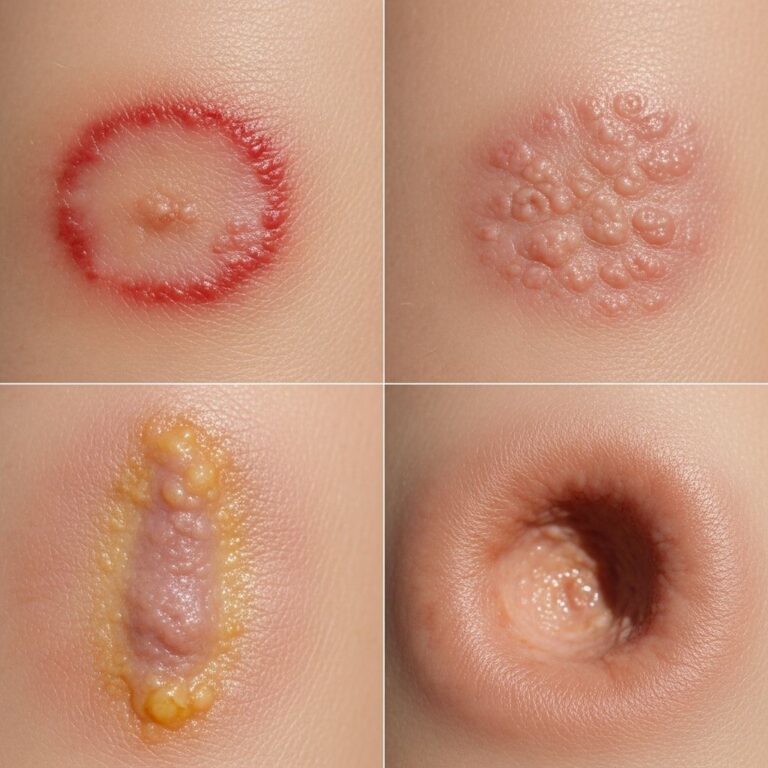
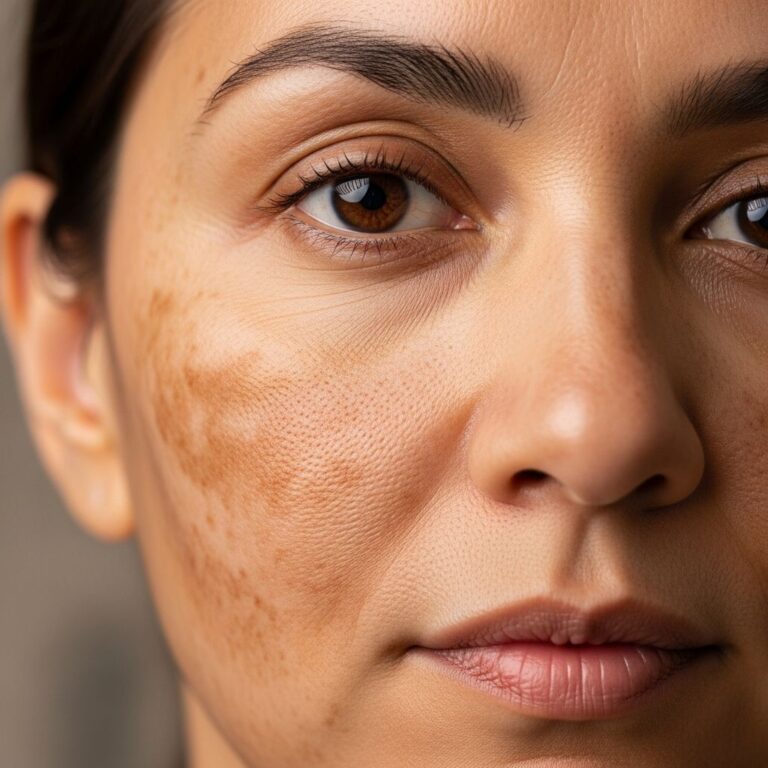
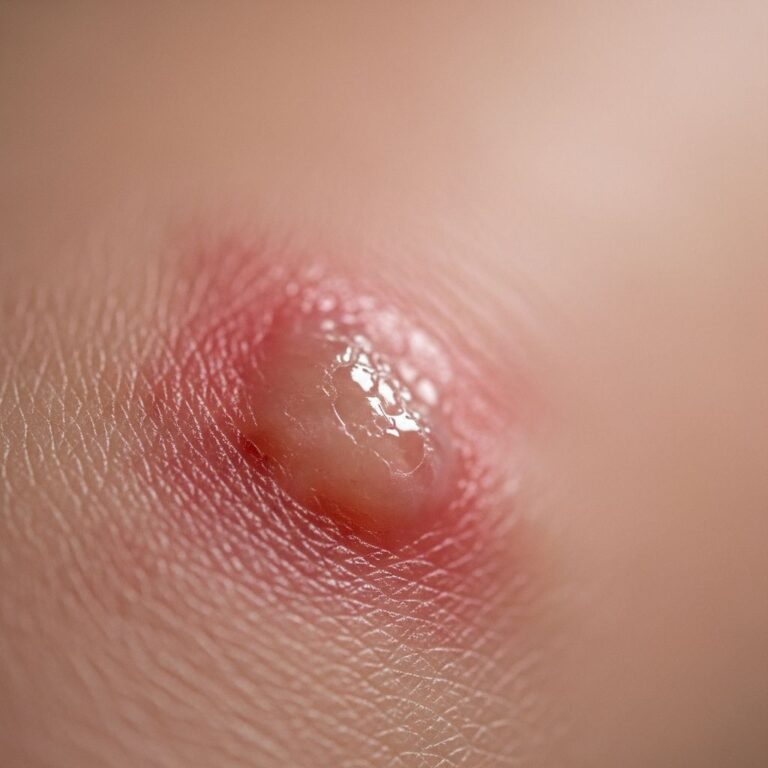
Subacute Cutaneous Lupus Erythematosus (SCLE): Patients present with erythematous lesions typically distributed on sun-exposed areas. The lesions may blister around their active edges. Photosensitivity is a prominent feature. Widespread distribution of the rash and its resolution following drug discontinuation help distinguish drug-induced SCLE from idiopathic forms.
Chronic Cutaneous Lupus Erythematosus (CCLE): This form presents with different cutaneous features and may be associated with scarring.
Diagnostic Criteria and Laboratory Findings
Diagnosis of drug-induced lupus requires correlation between clinical presentation and specific laboratory abnormalities.
Serologic Findings
Laboratory investigations typically reveal:
Systemic Drug-Induced Lupus:
- Positive antinuclear antibody (ANA)
- Positive anti-histone antibodies (highly characteristic)
- Absent or negative anti-dsDNA antibodies (distinguishes from idiopathic SLE)
- Normal complement levels
- Mild decreases in red blood cells, white cell count, and platelet count
- Presence of lupus erythematosus cells
Subacute Cutaneous Drug-Induced Lupus:
- Positive ANA
- Positive anti-histone antibodies
- Frequently positive antiRo/SSA and/or anti-La/SSB antibodies
- Absent anti-dsDNA antibodies
- Usually normal blood cell counts
It is important to note that development of positive ANA alone after receiving a medication should not automatically trigger discontinuation of the drug, although close monitoring for development of clinical DILE is warranted.
Differential Diagnosis
When evaluating patients with suspected drug-induced lupus, several conditions should be considered in the differential diagnosis:
- Idiopathic systemic lupus erythematosus
- Idiopathic subacute cutaneous lupus erythematosus
- Other drug-induced autoimmune conditions
- Infections (particularly important in patients receiving anti-TNF agents)
- Drug hypersensitivity reactions
In patients receiving anti-TNF agents who present with fever, rash, and arthralgia, infections should be ruled out first due to the immunocompromised state of these patients.
Treatment and Management
Primary Management Strategy
The mainstay of treatment is recognition and discontinuation of the offending medication. Most symptoms resolve within weeks after stopping the causative drug, although rarely symptoms may persist for several months. Importantly, autoantibodies may remain positive for several months to years after drug discontinuation, but their presence alone does not require additional anti-inflammatory or immunosuppressive therapy.
Symptomatic Management
Treatment is aimed primarily at symptom relief while the medication is discontinued:
Mild to Moderate Disease:
- Nonsteroidal anti-inflammatory drugs (NSAIDs) for arthritis and pleurisy
- Topical corticosteroid creams for skin rashes and localized lesions
- Antimalarial drugs such as hydroxychloroquine for skin and arthritis symptoms
- Low-dose systemic corticosteroids for more prominent symptoms
Severe Disease:
- High-dose corticosteroids (such as prednisone or methylprednisolone) for serious manifestations
- Immunosuppressive agents including azathioprine or cyclophosphamide
- Treatment duration typically ranges from 2 to 10 weeks for severe symptoms
High-dose corticosteroids and immunosuppressive agents are reserved for cases where the disease affects the heart, kidneys, or nervous system, or when presenting with severe complications such as pleuropericarditis or severe arthritis.
Sun Protection
When the disease is active, patients should wear protective clothing and sunglasses to guard against excessive sun exposure, particularly important given the photosensitivity associated with cutaneous forms.
Prognosis and Course
The prognosis of drug-induced lupus is generally excellent. Unlike idiopathic SLE, which is typically a chronic lifelong condition, DILE resolves in the majority of cases following discontinuation of the offending medication. Complete resolution of symptoms usually occurs within weeks, with most patients experiencing significant improvement within 4 to 12 weeks. The reversible nature of DILE makes early recognition and intervention particularly important for optimizing patient outcomes.
Prevention and Clinical Considerations
While drug-induced lupus cannot always be prevented, several clinical approaches help minimize risk:
- Use the lowest effective dose of potentially causative medications
- Limit duration of exposure when possible
- Establish baseline ANA and anti-histone antibodies before initiating high-risk medications
- Educate patients on early symptom recognition
- Perform regular clinical monitoring during therapy with known DILE-inducing agents
- Consider alternative medications when available, particularly in patients with family history of lupus or personal risk factors
Frequently Asked Questions
Q: Will drug-induced lupus become permanent if I stop taking the medication?
A: No. Drug-induced lupus typically resolves within weeks to months after discontinuation of the offending medication. The condition is reversible, unlike idiopathic lupus, making early recognition and drug discontinuation the key to recovery.
Q: Can I develop drug-induced lupus from any medication?
A: While at least 46 medications have been associated with drug-induced lupus, certain drugs carry significantly higher risk, particularly procainamide, hydralazine, isoniazid, and anti-TNF agents. Not everyone taking these medications will develop the condition.
Q: What should I do if I develop symptoms while taking a medication?
A: Contact your healthcare provider immediately if you develop fever, joint pain, fatigue, or rashes during medication therapy. Do not discontinue medications without medical guidance, as your provider may need to confirm the diagnosis before making changes to your treatment plan.
Q: Are blood tests necessary to diagnose drug-induced lupus?
A: Yes. Laboratory testing including ANA, anti-histone antibodies, and other serologic markers helps confirm the diagnosis and differentiate drug-induced lupus from other autoimmune conditions.
Q: How long do I need to take treatment after stopping the causative medication?
A: Treatment duration depends on symptom severity. Mild cases may resolve without treatment after drug discontinuation. Moderate cases typically require symptomatic treatment for weeks, while severe cases may require corticosteroids for 2 to 10 weeks.
References
- Drug-Induced Lupus Erythematosus — StatPearls, National Center for Biotechnology Information (NCBI). 2025. https://www.ncbi.nlm.nih.gov/books/NBK441889/
- Drug-Induced Lupus: Causes, Symptoms, and Treatment — Indiana University School of Medicine, Dermatology Trials. 2024. https://dermatrials.medicine.iu.edu/blogs/drug-induced-lupus-guide
- Drug-Induced Lupus Erythematosus — Rheumatology Advisor. 2024. https://www.rheumatologyadvisor.com/ddi/drug-induced-lupus/
- Drug-Induced Lupus Erythematosus — StatPearls Point of Care. 2024. https://www.statpearls.com/point-of-care/24529
- Identifying Drug-Induced Lupus — U.S. Pharmacist Journal. 2023. https://www.uspharmacist.com/article/identifying-drug-induced-lupus
- Drug-Induced Lupus Erythematosus — MalaCards Medical Information System. 2024. https://www.malacards.org/card/drug_induced_lupus_erythematosus
- Drug-Induced Systemic Lupus Erythematosus: A Comprehensive Review — International Journal of Scientific Research and Analysis. 2024. https://ijsra.net/content/drug-induced-systemic-lupus-erythematosus-comprehensive-review
Similar Articles








Read full bio of medha deb