Drug-Induced Nail Disease: Causes, Symptoms & Treatment
Explore how medications can alter nail growth, structure, and appearance, with insights on causes, symptoms, diagnosis, and management strategies.
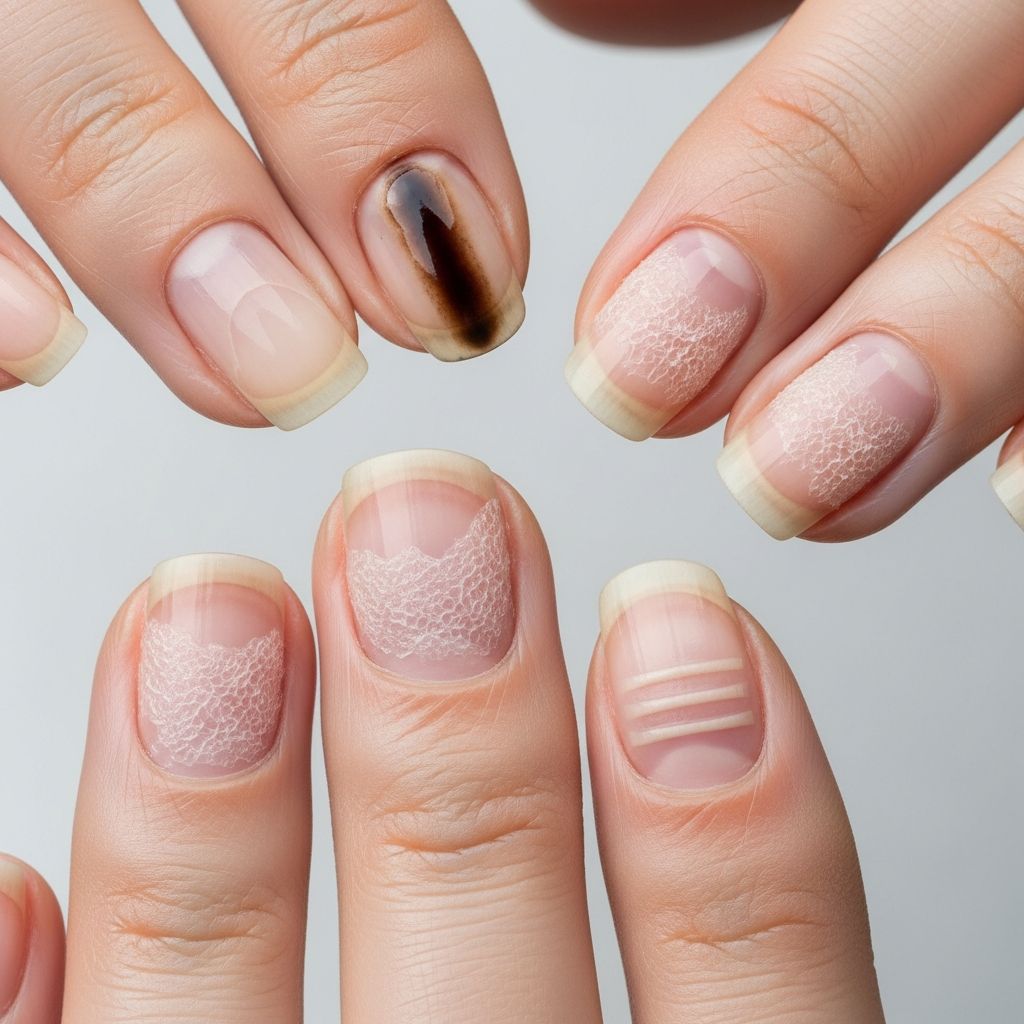
Drug-induced nail disease refers to alterations in nail growth, shape, colour, or texture caused by medications. These changes can range from cosmetic issues to painful conditions impairing daily activities.
Introduction
Medications can adversely affect the nails by targeting the nail matrix (the growth centre under the cuticle), nail bed (skin beneath the nail plate), periungual tissues (around the nail), or nail vasculature. While rare except with chemotherapy, higher doses increase risk. Changes often appear weeks to months after starting a drug and may involve one or all nails.
Symptoms vary by drug but commonly include growth interruptions, thinning, separation (onycholysis), discolouration, or inflammation. Most resolve upon drug withdrawal, though some persist.
Causes
A wide array of drugs induces nail changes, primarily through toxicity to nail components. Common culprits include:
- Chemotherapeutic agents: Taxanes, anthracyclines, EGFR inhibitors like erlotinib cause matrix damage, onycholysis, and paronychia.
- Retinoids: Isotretinoin, acitretin lead to brittleness, onychoschizia, and ingrown nails.
- Antibacterials: Tetracyclines, fluoroquinolones provoke photo-onycholysis.
- Antimalarials: Chloroquine, hydroxychloroquine cause pigmentation and nail bed damage.
- Others: Psoralens (photo-onycholysis), zidovudine (pigmentation), lithium (psoriasiform changes), anticonvulsants like valproic acid (discolouration, onycholysis).
Dose-dependency is key; chemotherapy often affects all nails temporally linked to cycles.
Demographics
Drug-induced nail disease is more prevalent in older adults on polypharmacy and cancer patients receiving cytotoxics or targeted therapies. No strong gender bias, though women may notice cosmetic changes sooner. Incidence rises with treatment duration and intensity.
Clinical features
Nail changes depend on the affected structure:
Nail matrix damage
Toxicity halts keratinization, causing:
- Beau’s lines: Transverse depressions from temporary growth arrest; move distally with nail growth. Seen with chemotherapy, retinoids, antimalarials.
- Onychomadesis: Complete matrix arrest leading to nail shedding; from taxanes, trimethadione.
Nail plate abnormalities
- Thinning, brittleness, onychoschizia (lamellar splitting) from retinoids, chemotherapy.
- Pyknonychia (thickening), trachyonychia (roughness).
- Altered growth rate: faster (beta-blockers) or slower.
- Hyperpigmentation: longitudinal or diffuse melanonychia from zidovudine, antimalarials, taxanes.
Nail bed changes
- Onycholysis: Nail lifts from bed (white/yellow/brown); painful, from tetracyclines, psoralens (photo-onycholysis spares thumbs).
- Muehrcke’s lines: Paired white bands from hypoproteinaemia or chemotherapy; non-progressive.
- Splinter haemorrhages: Longitudinal bleeds from anticoagulants, EGFR inhibitors.
Periungual tissue damage
- Paronychia: Swelling, tenderness from EGFR inhibitors, retinoids.
- Pyogenic granulomas: Vascular proliferations around nails from EGFR inhibitors, chemotherapy.
| Drug Class | Key Nail Changes |
|---|---|
| Chemotherapy (taxanes, EGFR inhibitors) | Beau’s lines, onycholysis, paronychia, pigmentation |
| Retinoids | Brittleness, onychoschizia, ingrown nails |
| Tetracyclines/Fluoroquinolones | Photo-onycholysis |
| Antimalarials | Blue-grey pigmentation, nail bed damage |
| Psoralens | Photo-onycholysis |
Diagnosis
Diagnosis relies on temporal association with drug initiation, affecting multiple nails, and resolution post-withdrawal. History is crucial: review medications started 2-3 months prior (fingernails grow ~3mm/month).
No specific tests; biopsy rarely needed but shows non-specific keratinocyte damage. Rule out infections, psoriasis, systemic diseases.
Differential diagnoses
- Infectious: Onychomycosis, bacterial paronychia.
- Inflammatory: Psoriasis, lichen planus (20-nail dystrophy).
- Trauma: Habit-tic deformity, manicure-related.
- Systemic: Iron deficiency (koilonychia), yellow nail syndrome.
- Neoplastic: Subungual tumours.
Key distinguisher: multi-nail involvement post-drug start.
Treatment
No cure-all; focus on symptom management and drug cessation if feasible.
- Discontinue culprit: Primary step, but weigh benefits (e.g., continue chemotherapy).
- Brittle nails: Moisturize with urea/petrolatum creams, avoid water exposure.
- Onycholysis: Trim detached nail, apply nail varnish for UV protection, vinegar soaks.
- Paronychia/granulomas: Topical corticosteroids, antibiotics, silver nitrate cautery.
- Painful changes: Protective padding, analgesics.
Related Stories



Most improve without intervention as nails grow out (fingernails: 6 months; toenails: 12-18 months).
Outcome
Changes are typically reversible upon withdrawal, but chemotherapy-induced may persist or cause permanent dystrophy. Photo-onycholysis often resolves without stopping the drug. Monitor for recurrence with rechallenge.
Frequently Asked Questions
What causes drug-induced nail changes?
Medications toxic to nail matrix, bed, or folds; common with chemotherapy, retinoids, antibiotics.
Do nail changes always require stopping the drug?
No, if tolerable and no alternative; many resolve spontaneously.
How long until nails normalize?
Fingernails: 4-6 months; toenails: up to 18 months due to slow growth.
Can chemotherapy nail changes be prevented?
Limited; cool extremities during infusion, biotin supplements (anecdotal).
Is photo-onycholysis dangerous?
Usually cosmetic/painful; protect from sun, trim nails.
References
- Drug-induced nail disorders: incidence, management and prognosis — Baran R, et al. PubMed. 1999-09-01. https://pubmed.ncbi.nlm.nih.gov/10487397/
- Drug-induced nail disease — DermNet NZ. Recent update. https://dermnetnz.org/topics/drug-induced-nail-disease
- An overview of management of drug-induced hair and nail disorders — PCDS. 2014. https://www.pcds.org.uk/files/gallery/an-overview-of-management-of-druginduced-hair-and-nail-disorders.pdf
- 7 Drugs That Can Affect Nail Health — GoodRx Health. Recent. https://www.goodrx.com/health-topic/dermatology/drugs-that-affect-nails
- Types of Nail Changes — American Cancer Society. Recent update. https://www.cancer.org/cancer/managing-cancer/side-effects/hair-skin-nails/nail-changes.html
Similar Articles








Read full bio of Sneha Tete