Drug-Induced Pigmentation: Causes, Symptoms & Treatment Guide
Understanding skin discoloration caused by medications: causes, diagnosis, and management strategies for drug-induced hyperpigmentation.
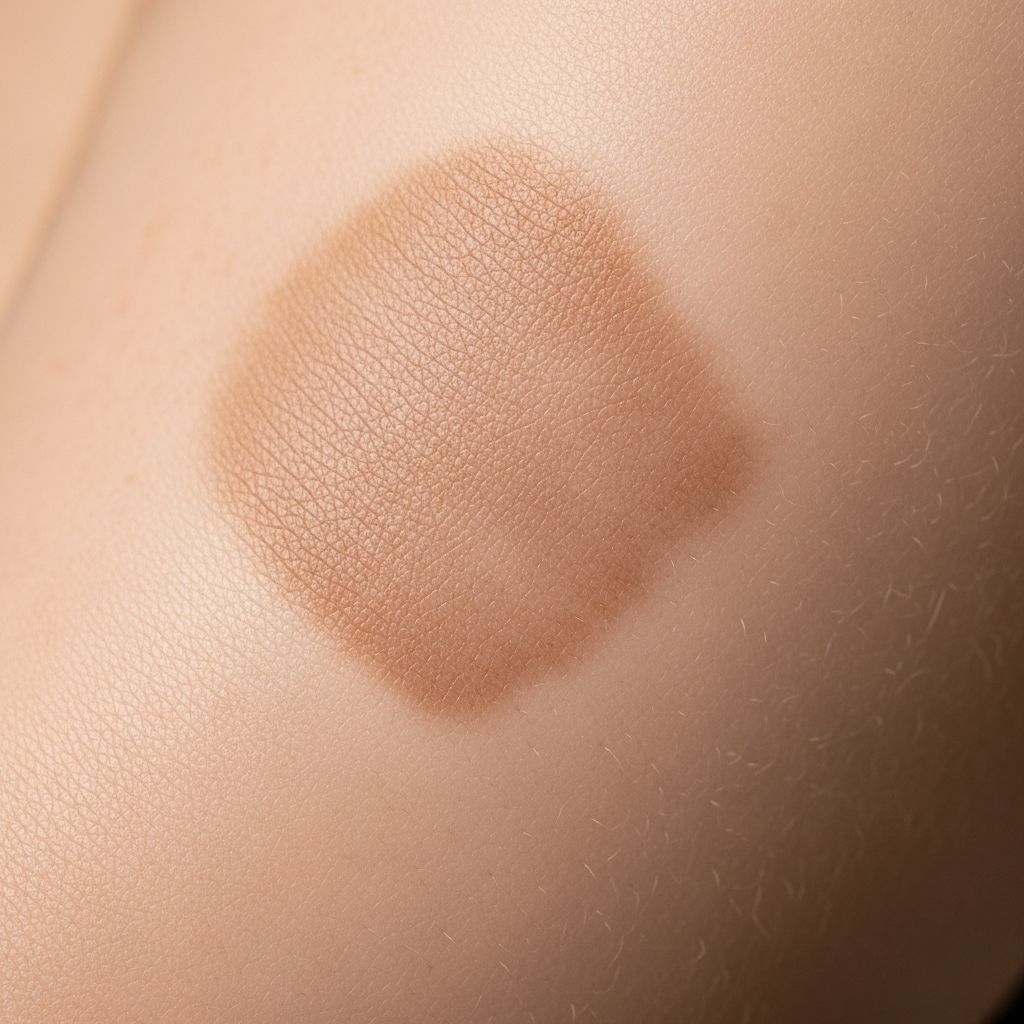
Drug-induced pigmentation is a form of acquired hyperpigmentation affecting 10-20% of cases, resulting from abnormal skin color changes triggered by various medications. This condition arises through mechanisms like increased melanin production, drug deposition in the dermis, or synthesis of new pigments, often worsening with sun exposure.
What is Drug-Induced Pigmentation?
Drug-induced pigmentation refers to unintended skin discoloration caused by therapeutic agents, including anticancer drugs, analgesics, anticoagulants, antimicrobials, antiretrovirals, heavy metals, and antiarrhythmics. Unlike endogenous pigmentation disorders, it is temporally linked to drug initiation and typically resolves upon discontinuation.
The prevalence is notable in clinical practice, with common culprits like non-steroidal anti-inflammatory drugs (NSAIDs), antimalarials (e.g., chloroquine, hydroxychloroquine), amiodarone, minocycline, and psychotropics. Pigmentation manifests as hyperpigmentation (brown, blue-gray, or slate-gray) in sun-exposed areas, nails, or mucosa, distinguishing it from conditions like melasma or Addison’s disease.
Who Gets Drug-Induced Pigmentation (Epidemiology)?
Any patient on long-term medications is at risk, particularly those with prolonged exposure (months to years). Risk factors include cumulative dose (e.g., amiodarone >200g increases incidence), fair skin types, and UV exposure, which exacerbates melanin-related changes. Antimalarials affect up to 25% of long-term users, while minocycline causes pigmentation in 10-15% of chronic acne treatments.
- High-risk groups: Elderly on polypharmacy, HIV patients on antiretrovirals, cancer patients on cytotoxics like bleomycin or paclitaxel.
- Demographics: More visible in lighter skin but occurs across all phototypes; women may notice facial involvement resembling melasma.
Causes of Drug-Induced Pigmentation
The etiology involves a detailed medication history to link temporal onset with drug use, ruling out other causes. Common classes include:
| Drug Class | Examples | Typical Sites |
|---|---|---|
| Antimalarials | Chloroquine, Hydroxychloroquine | Face, shins, nails (blue-gray) |
| Antiarrhythmics | Amiodarone | Sun-exposed areas, cornea (blue-gray) |
| Antibiotics | Minocycline | Legs, scars, teeth (blue-black) |
| NSAIDs/Analgesics | NSAIDs, Phenytoin | Fixed eruptions (brown) |
| Cytotoxics | Bleomycin, Paclitaxel | Linear streaks on trunk |
| Psychotropics | Antipsychotics | Face, extremities (gray) |
| Heavy Metals | Gold, Silver | Generalized (chrysiasis, argyria) |
Pathophysiology
Multiple mechanisms underlie drug-induced pigmentation:
- Melanin accumulation: Drugs stimulate melanocytes or post-inflammatory hypermelanosis, worsened by UV light (e.g., antimalarials bind melanin).
- Drug deposition: Medications or metabolites deposit in dermal macrophages (e.g., amiodarone lysosomal inclusions).
- New pigment synthesis: Lipofuscin from minocycline or iron from RBC lysis.
- Metal complexes: Gold forms electron-dense particles post-exposure.
These processes explain site predilection (sun-exposed areas) and persistence post-discontinuation.
Signs and Symptoms
Pigmentation develops gradually over months to a year, often asymptomatic but cosmetically distressing. Key features:
- Hyperpigmented macules/patches: Brown (melasma-like), slate-blue/gray, or bronze.
- Distribution: Sun-exposed (face, V-neck, forearms), shins, nails, oral mucosa, cornea.
- Specific patterns: Flagellate hyperpigmentation (bleomycin), transverse nail bands (antimalarials).
- Resolution: Fades slowly (months-years) after drug cessation; some permanent (NSAIDs).
Differentiate from: Melasma (hormonal), Addison’s (oral), Wilson’s (nails/liver), pellagra (niacin deficiency), Kaposi sarcoma (HIV).
Diagnosis
Diagnosis is clinical, based on history, exam, and exclusion:
- Thorough drug history: Onset correlates with initiation/cumulative dose.
- Wood’s lamp: Enhances epidermal melanin; dull for dermal.
- Biopsy: Confirms drug pigment (gold particles, iron stain for minocycline).
- Rule out systemic: Labs for Addison’s (ACTH), Wilson’s (ceruloplasmin).
Related Stories



Dermoscopy shows homogenous pigmentation or perifollicular sparing.
Management and Treatment
Primary: Discontinue offending drug if feasible; pigmentation fades over time.
- Dose reduction: For amiodarone (dose-dependent).
- Alternatives: Switch medications (e.g., doxycycline over minocycline).
- Topicals: Hydroquinone, retinoids for superficial pigment (limited efficacy).
- Laser: Q-switched Nd:YAG for psychotropic/minocycline pigmentation.
- Sun protection: Broad-spectrum SPF 50+ essential.
Monitoring: Ophthalmologic for antimalarials/amiodarone corneal deposits.
Prevention
Pre-treatment counseling on pigmentation risk, especially for high-risk drugs. Baseline skin photos, regular follow-up, UV avoidance. Patient education: Report new discoloration promptly.
Complications
Mostly cosmetic, but:
- Permanent pigmentation (NSAIDs, heavy metals).
- Corneal deposits (amiodarone: 10-70%).
- Fixed drug eruptions with scarring.
- Psychosocial impact from visible changes.
Frequently Asked Questions (FAQs)
Q: Is drug-induced pigmentation reversible?
A: Often yes, upon discontinuation; fades in months to years, though some (e.g., minocycline) persist.
Q: Which drug most commonly causes blue-gray skin?
A: Amiodarone, antimalarials, and antipsychotics.
Q: Can sun exposure worsen it?
A: Yes, UV triggers melanin synthesis in many cases; strict photoprotection advised.
Q: Is biopsy always needed?
A: No, clinical history suffices often; reserved for atypical cases.
Q: Are there treatments if drug can’t be stopped?
A: Dose reduction, topicals, or laser; consult dermatologist.
References
- Drug-Induced Pigmentation — MD Searchlight. 2023. https://mdsearchlight.com/medications/drug-induced-pigmentation/
- Drug-Induced Pigmentation | Treatment & Management — StatPearls Point of Care. 2024-01-15. https://www.statpearls.com/point-of-care/27212
- Drug-Induced Skin Pigmentation — Dermatology Solutions. 2023. https://dermsolutionstx.com/medical-dermatology/drug-induced-skin-pigmentation-3/
- Drug-Induced Pigmentation — StatPearls NCBI Bookshelf. 2023-04-23. https://www.ncbi.nlm.nih.gov/books/NBK542253/
- Drug induced hyperpigmentation: a case of atypical skin bronzing — Medical Dermatology Society. 2023-03. https://www.meddermsociety.org/content/uploads/2023/03/Drug-induced-hyperpigmentation-a-case-of-atypical-skin-bronzing-in-response-to-belumosudi.pdf
Similar Articles








Read full bio of medha deb