Drug-Induced Pruritus: Causes, Diagnosis, Treatment Guide
Understanding the causes, mechanisms, and effective management of itching triggered by medications.
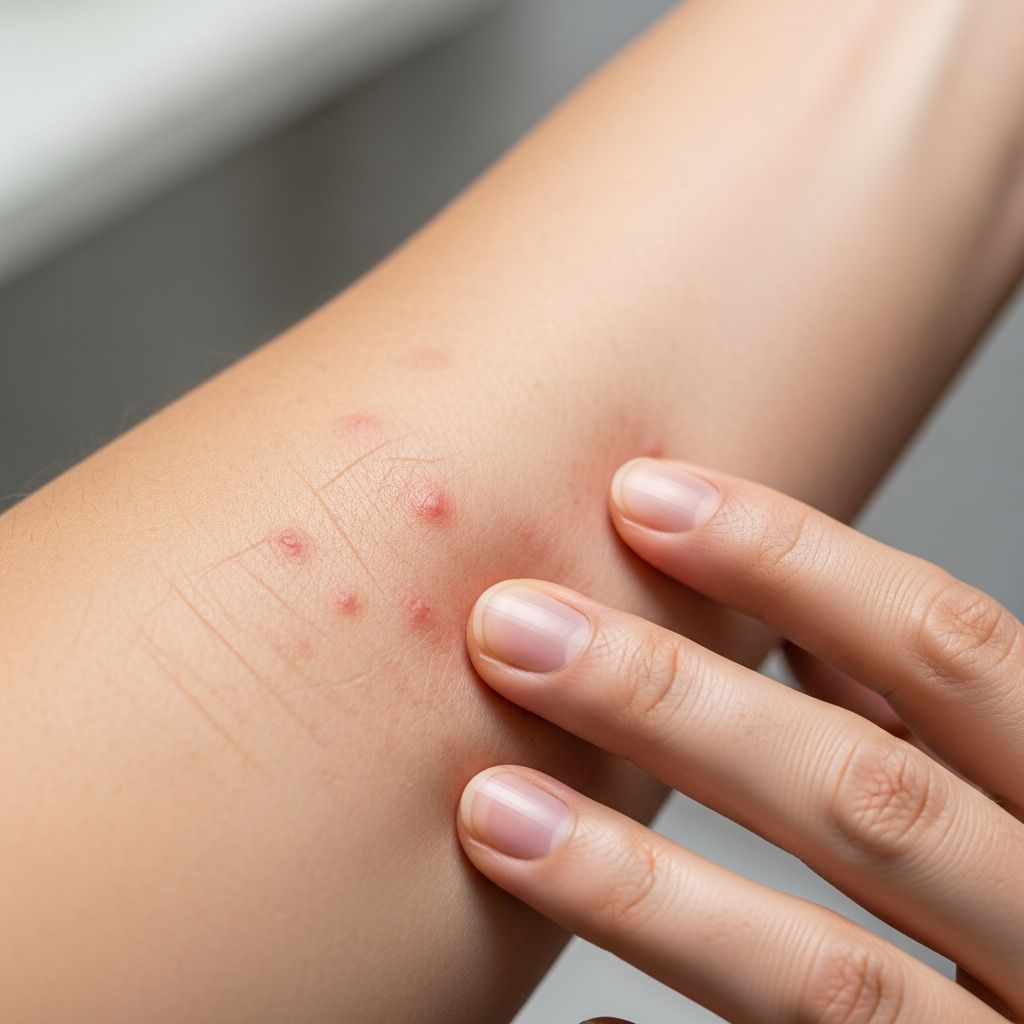
Drug-induced pruritus is an itch caused or triggered by medication. Pruritus, the medical term for itching, can significantly impact quality of life, and when linked to drugs, it represents a common adverse reaction. The epidemiology is not precisely known, but adverse drug reactions like pruritus are more frequent in older patients and those on polypharmacy.
What is the cause of drug-induced pruritus?
The precise cause varies by drug and often remains unknown. Potential mechanisms include:
- Histamine release from mast cells or basophils, mimicking allergic responses.
- Direct irritation of sensory nerve endings in the skin.
- Induction of cholestasis, leading to bile salt accumulation that irritates nerves.
- Immunological reactions, such as type I hypersensitivity (IgE-mediated urticaria) or type IV delayed hypersensitivity.
- Bradykinin release, particularly with angiotensin-converting enzyme (ACE) inhibitors.
- Opioid-induced activation of central mu-receptors in the spinal cord and itch-specific pathways.
These pathways explain why certain classes provoke intense itching. For instance, opioids trigger non-histamine-mediated pruritus via central mechanisms.
Who is at risk of drug-induced pruritus?
Risk factors mirror those for adverse drug events:
- Age: Older adults (>65 years) due to reduced metabolism, comorbidities, and multiple medications.
- Polypharmacy: Taking 5+ drugs increases reaction likelihood exponentially.
- Female sex: Some studies note higher reporting rates, possibly due to skin sensitivity or reporting bias.
- Atopic background: History of eczema, asthma, or allergies heightens susceptibility.
- Liver or kidney impairment: Slows drug clearance, prolonging exposure.
- Genetic factors: Variations in drug metabolism enzymes (e.g., CYP450) or itch mediators.
A comprehensive study using FDA data highlighted demographics, noting higher incidence in certain patient groups.
What are the most commonly reported drugs causing pruritus?
Opioids, especially during spinal/epidural anaesthesia, top the list, affecting up to 90% of patients. Chemotherapeutic agents and antimalarials like chloroquine (60–70% in black Africans) follow closely.
Opioids and analgesics:
- Morphine, fentanyl, sufentanil, remifentanil, alfentanil (high incidence in neuraxial use).
- Codeine, tramadol, pethidine (meperidine).
Steroids and hormones:
- Corticosteroids (e.g., prednisone).
- Oestrogens, tamoxifen.
Chemotherapeutic and biological agents:
- Cisplatin, carboplatin, oxaliplatin.
- Bleomycin, paclitaxel.
- Monoclonal antibodies (e.g., rituximab, cetuximab).
Other drugs:
- Antibiotics: vancomycin, teicoplanin, polymyxin B, amphotericin B.
- Antimalarials: chloroquine, hydroxychloroquine.
- ACE inhibitors: captopril, enalapril.
- NSAIDs: aspirin, naproxen.
- Others: hydroxyethyl starch, iodine contrast media, allopurinol, statins.
Analysis of pharmacovigilance data identified antibacterials like ceftriaxone and moxifloxacin, contrast agents like iopromide, and antifungals as key culprits. French data lists antibiotics (tetracyclines, beta-lactams), antihypertensives, and analgesics.
Clinical features of drug-induced pruritus
Itching typically begins days to weeks after starting the drug but can occur immediately (e.g., opioids). Severity ranges from mild to debilitating.
| Feature | Description |
|---|---|
| Onset | Acute (hours-days, e.g., opioids) or delayed (weeks). |
| Distribution | Generalized or localized (e.g., face with vancomycin, nasopalpebral with opioids). |
| Skin findings | Often none; may show urticaria, angioedema, or excoriations from scratching. |
| Associated symptoms | Typically isolated itch; rarely systemic (fever, rash in hypersensitivity). |
In chemotherapy patients, pruritus affects 10–30%, often with xerosis. Opioid itch localizes to face/nose due to trigeminal nerve involvement.
Related Stories



How is drug-induced pruritus diagnosed?
Diagnosis is clinical, relying on:
- Temporal association: Itch starts after new drug.
- Drug history review: Polypharmacy screening.
- Exclusion: Rule out underlying diseases (liver/kidney function, skin biopsy if rash).
- Dechallenge: Improvement upon discontinuation (diagnostic gold standard).
- Rechallenge: Rarely ethical, but confirms causality.
Tools like Naranjo algorithm assess probability. Labs: CBC, LFTs, RFTs, IgE if allergic suspected. Patch testing for delayed hypersensitivity.
What is the treatment for drug-induced pruritus?
Priority: Discontinue the culprit drug immediately if possible; symptoms often resolve within days.
Specific treatments by mechanism:
- Histamine-mediated (urticaria): H1-antihistamines (loratadine, cetirizine 10–20 mg/day); add H2 (ranitidine) if needed.
- Opioid-induced: Reduce dose, switch agent, or use μ-antagonists: naloxone IV (0.4–2 mcg/kg/h), naltrexone oral (25–50 mg/day). κ-agonists like nalfurafine emerging.
- Cholestatic: Cholestyramine (bile acid binder), ursodeoxycholic acid.
- Neuropathic: Gabapentin (300–900 mg TID), pregabalin (75–300 mg/day).
General symptomatic relief:
- Topical: Menthol 0.5%/phenol 1% lotion, capsaicin 0.025–0.075% cream (after burning subsides), doxepin 5% cream, pramoxine/lidocaine.
- Moisturizers: Emollients to combat xerosis.
- Phototherapy: UVB narrowband for refractory cases.
- Systemic: Antidepressants (doxepin 10–25 mg nocte, SSRIs like paroxetine), antipsychotics (hydroxyzine), immunosuppressants (cyclosporine, methotrexate) for severe chronic itch.
Avoid scratching: Keep nails short, use cold compresses. In severe cases, short-course oral prednisone (0.5 mg/kg x 5–7 days).
What is the outcome for drug-induced pruritus?
Most cases resolve fully upon drug cessation, within 1–14 days. Persistent pruritus (>6 weeks) suggests alternative diagnosis or post-drug sensitization. Rarely, chronic itch lingers (e.g., post-contrast). Monitoring prevents recurrence; desensitization protocols exist for essential drugs like antibiotics.
Studies show 70–90% resolution with dechallenge. Quality of life improves markedly with prompt management.
Frequently asked questions about drug-induced pruritus
Can any drug cause pruritus?
Yes, theoretically all, but opioids, chemo, antibiotics most common. Always check drug leaflets.
Does drug-induced itch always have a rash?
No, often ‘pruritus sine materia’ – itch without visible skin changes.
Is opioid itch dangerous?
Not usually, but severe cases impair respiration or cause distress; treat promptly.
How to prevent it?
Screen risks pre-prescription, use lowest effective dose, monitor high-risk patients.
When to see a doctor?
If itch severe, persistent, or with swelling/breathing issues – seek urgent care.
References
- Comprehensive Study of Drug-Induced Pruritus Based on Adverse Event Reports — Park K, et al. PMC. 2023-10-15. https://pmc.ncbi.nlm.nih.gov/articles/PMC10610247/
- Treating Medication-Induced Pruritus — US Pharmacist. 2019-09-20. https://www.uspharmacist.com/article/treating-medicationinduced-pruritus
- Drug-induced pruritus — DermNet NZ. 2024-01-01. https://dermnetnz.org/topics/drug-induced-pruritus
- Iatrogenic or drug-induced pruritus — Ducray. 2023-05-10. https://www.ducray.com/en/itching-sensations/causes/iatrogenic-pruritus
- Pruritus: Causes & Treatments for Itchy Skin — Cleveland Clinic. 2023-11-12. https://my.clevelandclinic.org/health/diseases/11879-pruritus
Similar Articles








Read full bio of Sneha Tete