Drug Rashes: Types, Causes, Symptoms, and Treatment
Comprehensive guide to understanding drug-induced skin reactions and when to seek medical care.
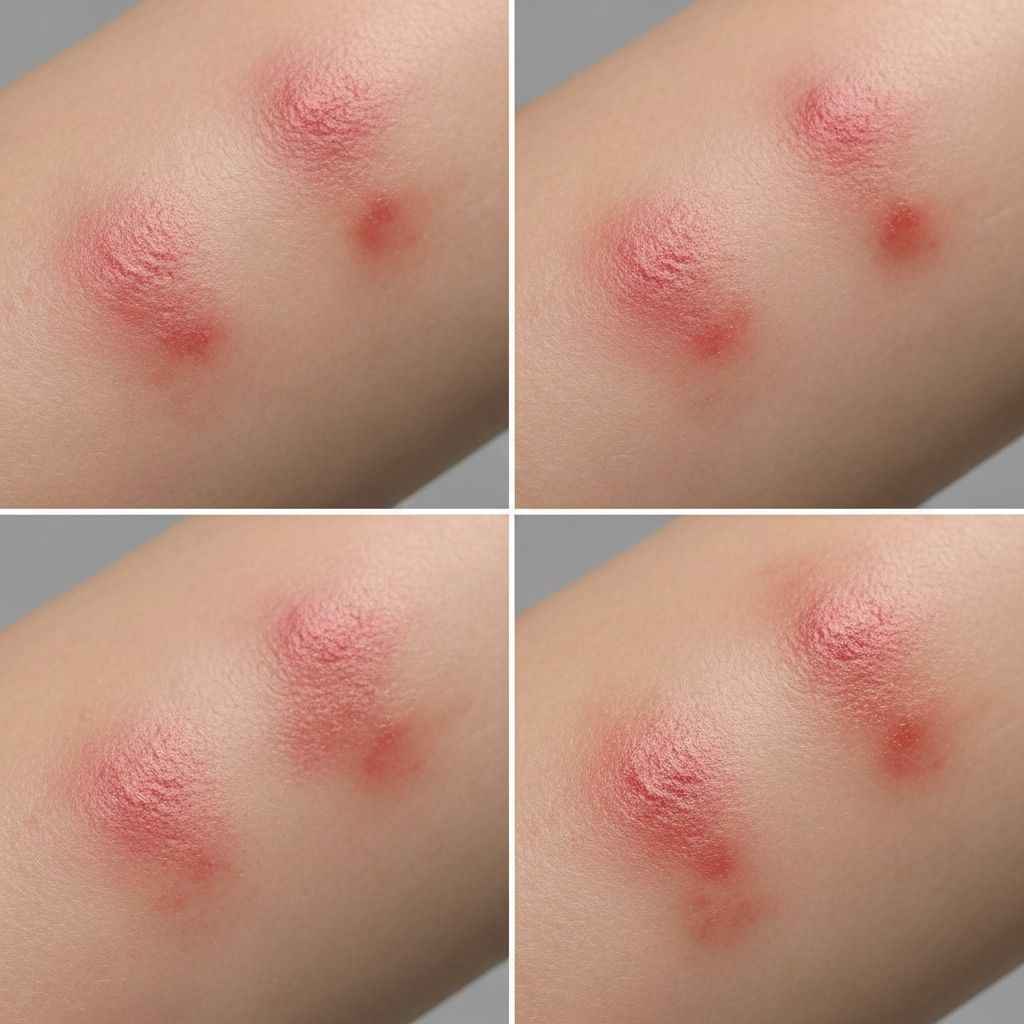
Understanding Drug Rashes: A Comprehensive Overview
Drug rashes, also known as drug eruptions, are skin reactions that develop in response to certain medications. These reactions represent one of the most common adverse effects associated with drug use, affecting a significant portion of the population at some point in their lives. While any medication has the potential to cause a rash, certain drug classes are more notorious for triggering these cutaneous responses, including antibiotics—particularly penicillins and sulfa drugs—nonsteroidal anti-inflammatory drugs (NSAIDs), and antiseizure medications.
Understanding the different types of drug rashes, their symptoms, and appropriate management strategies is crucial for both patients and healthcare providers. Drug rashes can range from mild, self-limiting eruptions that resolve spontaneously to severe, life-threatening conditions requiring immediate medical intervention. The majority of drug-induced cutaneous adverse reactions account for approximately 2 to 3 percent of all adverse drug effects, making them a significant clinical concern.
Types of Drug Rashes
Exanthematous Rashes
Exanthematous rashes represent the most common type of drug-induced skin reaction, accounting for approximately 90 percent of all drug rash cases. These reactions typically present as small, raised or flat lesions on reddened skin. In some instances, the lesions may progress to blisters that can fill with pus, creating a more severe appearance.
Exanthematous drug rashes typically appear symmetrically on the body, meaning they manifest identically on both sides. The rash usually develops within hours to several weeks after initiating the offending medication. Common medications known to cause exanthematous reactions include penicillins, sulfa drugs, cephalosporins, antiseizure drugs, and allopurinol. These rashes generally do not produce systemic symptoms, though they may be accompanied by mild itching or skin tenderness.
Urticarial Rashes
Hives, medically termed urticaria, represent the second most prevalent type of drug rash. Urticarial reactions consist of small, pale red bumps that may connect and form larger patches across the skin. These rashes are frequently intensely itchy and can develop rapidly after medication exposure.
Medications commonly associated with urticarial reactions include NSAIDs, ACE inhibitors, antibiotics (especially penicillin), general anesthetics, sulfa drugs, and certain antiseizure medications. Unlike exanthematous rashes, urticarial reactions may cause significant discomfort due to itching, and patients often seek relief through antihistamines or topical treatments.
Erythroderma
Erythroderma represents a more severe form of drug rash characterized by widespread redness and inflammation affecting a substantial portion of the body. This condition involves extensive involvement of the skin and can become quite serious if left untreated. Erythroderma can progress to become life-threatening, particularly if it involves systemic complications or fluid loss.
Drug-related causes of erythroderma include sulfa drugs, antiseizure medications, certain NSAIDs, allopurinol, and nevirapine. The condition requires careful monitoring and may necessitate hospitalization for supportive care, including intravenous hydration and corticosteroid administration. Patients experiencing symptoms consistent with erythroderma should seek immediate medical attention.
Stevens-Johnson Syndrome (SJS) and Toxic Epidermal Necrolysis (TEN)
Stevens-Johnson Syndrome and Toxic Epidermal Necrolysis represent severe cutaneous adverse reactions that can be life-threatening. These conditions involve mucocutaneous eruptions with significant epidermal detachment. SJS typically affects less than 10 percent of body surface area, while TEN involves more than 30 percent of body surface area. Cases affecting 10 to 30 percent are considered overlap SJS/TEN.
Related Stories



In approximately one-third of cases, SJS/TEN is preceded by non-specific prodromal symptoms lasting one to seven days. The condition initially presents with erythroderma that progresses into erythematous macules with purpuric centers and blisters arranged in a symmetrical pattern. Mucosal involvement occurs in about 56 percent of cases, particularly affecting the lips and oral mucosa.
Medications implicated in SJS/TEN include sulfa drugs, antiseizure medications, certain NSAIDs, allopurinol, and nevirapine. These serious reactions require immediate emergency medical attention and hospitalization.
Drug Reaction with Eosinophilia and Systemic Symptoms (DRESS)
DRESS syndrome, also known as Drug-Induced Hypersensitivity Syndrome (DIHS), represents a rare but potentially life-threatening drug reaction. Patients may not notice symptoms for two to six weeks after starting a new medication, making delayed recognition a significant challenge. The condition typically begins with a red rash, often starting on the face and upper body, and progresses with systemic involvement.
DRESS presents with severe systemic symptoms including fever, swollen lymph nodes, facial swelling, burning pain, itchy skin, and flu-like symptoms. The condition frequently involves internal organ complications affecting the liver, bone marrow, and kidneys. Mucosal involvement occurs in approximately 56 percent of cases. Patients may also experience hematological abnormalities including leukocytosis, eosinophilia, atypical lymphocytes, and thrombocytopenia.
Medications commonly associated with DRESS include anticonvulsants (particularly carbamazepine, lamotrigine, phenobarbital, and phenytoin), antibiotics (such as amoxicillin, ampicillin, azithromycin, levofloxacin, and minocycline), anti-tuberculosis agents, allopurinol, abacavir, sulfasalazine, and proton pump inhibitors. The natural course of DRESS is frequently diverse and may recur for several weeks, with an average duration for clinical improvement ranging from 6 to 9 weeks. Notably, patients with DRESS often experience worsening of symptoms after initial improvement due to reactivation of herpes virus family members, particularly HHV6 and HHV7, but also EBV and CMV.
Causes and Mechanisms of Drug Rashes
Drug rashes result from several distinct mechanisms. An allergic reaction represents one primary cause, where the immune system responds abnormally to a medication component. Drug accumulation in the skin can cause direct toxicity, leading to cutaneous manifestations. Some medications increase skin sensitivity to sunlight, triggering photosensitive reactions. Additionally, interactions between two or more drugs can precipitate rash development through complex pharmacological mechanisms.
In certain cases, drug rashes are idiopathic, meaning no direct identifiable cause can be established. Certain underlying health conditions, such as psoriasis and atopic dermatitis, may also predispose individuals to developing drug-induced skin reactions. Individual genetic factors, including specific human leukocyte antigen (HLA) allotypes, can significantly influence susceptibility to certain drug reactions, particularly severe cutaneous adverse reactions like SJS/TEN and DRESS.
Characteristics and Appearance of Drug Rashes
Most drug rashes present with characteristic features that help distinguish them from other skin conditions. They typically appear symmetrically, manifesting identically on both sides of the body. This symmetrical distribution is a hallmark feature of drug-induced reactions and helps differentiate them from other dermatological conditions. Most drug rashes do not cause systemic symptoms, though some may be accompanied by itching or localized tenderness.
Drug rashes can develop suddenly or within hours of medication exposure, though some may take several weeks to appear. The onset timing varies depending on the specific medication and individual factors. Characteristically, the rash may disappear once the offending medication is discontinued, though resolution timing varies among different types of reactions.
Diagnosis and Investigation
Diagnosing drug rashes involves careful clinical assessment and, when necessary, specialized testing. The lymphocyte transformation test (LTT) can help identify the offending medication by assessing lymphocyte proliferation in response to specific drug exposure. However, for SJS/TEN, LTT must be performed within the first week of rash development, with sensitivity ranging from 21 to 56 percent in various studies. Sensitivity is considerably higher for AGEP and DRESS reactions.
Interferon-gamma release assays provide drug-specific information by measuring the release of interferon-gamma in response to specific medication exposure. These assays have demonstrated efficacy in identifying causative agents in various drug-induced reactions, including beta-lactam-induced maculopapular rashes and allopurinol-induced severe cutaneous adverse reactions.
Proper diagnosis requires careful documentation of medication history, timing of rash onset relative to drug initiation, and clinical presentation characteristics. In cases involving multiple medications, systematic discontinuation under medical supervision helps identify the culprit drug.
Treatment and Management Strategies
Mild to Moderate Reactions
For mild drug rashes without systemic symptoms, the primary treatment involves discontinuing the offending medication under medical supervision. Supportive care measures, including moisturizing and avoiding irritants, help manage discomfort. If itching is present, antihistamines or topical corticosteroids can provide symptomatic relief while the rash resolves.
Severe Reactions
Severe drug rashes including severe urticaria, erythroderma, SJS/TEN, anticoagulant-induced skin necrosis, and DRESS syndrome require emergency medical treatment and hospitalization. Treatment typically includes intravenous corticosteroids to suppress the immune response and control inflammation, along with aggressive intravenous hydration to manage fluid loss and maintain electrolyte balance. Patients receive supportive care addressing organ involvement and complications.
Medication Management
For patients requiring continued medication, healthcare providers may recommend alternative drugs with lower cross-reactivity potential. Desensitization protocols can sometimes be implemented for essential medications, though these procedures require careful medical supervision. When multiple medications are involved, providers systematically discontinue each drug to identify the specific causative agent.
When to Seek Medical Attention
Patients should contact their healthcare provider immediately if they suspect a drug rash has developed after starting new medication. This is particularly important for those taking multiple medications, where identifying the specific culprit requires systematic evaluation. Never discontinue prescribed medications without consulting a healthcare provider first, as abrupt cessation may have serious health consequences.
Emergency medical care is essential for severe drug rashes including widespread urticaria with systemic symptoms, erythroderma, SJS/TEN, and DRESS syndrome. Signs requiring immediate emergency evaluation include severe facial swelling, difficulty breathing, mucosal involvement with blistering, widespread skin detachment, fever with rash, or signs of organ dysfunction such as jaundice or altered mental status.
Prevention and Risk Management
Preventing drug rashes begins with thorough medication history assessment, including documentation of previous adverse reactions. Healthcare providers should be informed of all known drug allergies and sensitivities before prescribing new medications. Patients with history of severe cutaneous adverse reactions to one medication should exercise caution with chemically similar compounds.
For individuals with documented penicillin allergy, understanding cross-reactivity with related antibiotics is important. Allergy to one penicillin indicates potential allergy to all penicillins. Healthcare providers may recommend alternative antibiotic classes for patients with documented penicillin sensitivity.
Frequently Asked Questions
Q: How quickly do drug rashes typically appear after starting medication?
A: Drug rashes can develop within hours of medication exposure, though some may take up to several weeks. Severe reactions like DRESS may not appear for 2 to 6 weeks after starting the offending medication, making delayed recognition a significant challenge.
Q: Can stopping the medication immediately resolve a drug rash?
A: While discontinuing the offending medication is the primary treatment for drug rashes, resolution timing varies depending on the rash type and severity. Some rashes resolve quickly after medication discontinuation, while others, particularly DRESS, may persist or worsen before improving over weeks to months. Never stop prescribed medications without consulting your healthcare provider.
Q: Which medications most commonly cause drug rashes?
A: Antibiotics, particularly penicillins and sulfa drugs, are among the most common culprits. Other frequent causes include NSAIDs, antiseizure medications, allopurinol, and antiretroviral drugs. However, virtually any medication has the potential to trigger a drug rash in susceptible individuals.
Q: Is a drug rash the same as a drug allergy?
A: Not necessarily. While some drug rashes result from allergic reactions, others stem from toxicity, drug accumulation, photosensitivity, or drug interactions. Some rashes are idiopathic with no identifiable cause. True allergic reactions involve specific immune mechanisms, whereas other drug rashes may not involve allergic pathways.
Q: What should I do if I develop a rash after starting new medication?
A: Contact your healthcare provider immediately. Describe the rash’s appearance, location, onset timing, and any associated symptoms. Your provider will help determine whether the rash is medication-related and recommend appropriate management, which may include medication discontinuation or modification. Seek emergency care for severe rashes involving facial swelling, breathing difficulty, or widespread skin involvement.
References
- Drug-Induced Severe Cutaneous Adverse Reactions — National Center for Biotechnology Information (NCBI), National Institutes of Health (NIH). 2022. https://pmc.ncbi.nlm.nih.gov/articles/PMC9065683/
- Skin Manifestations of Drug Allergy — PubMed Central, National Institutes of Health (NIH). 2011. https://pmc.ncbi.nlm.nih.gov/articles/PMC3093073/
- Beta-Lactam Allergy — Johns Hopkins ABX Guide, Johns Hopkins Medicine. 2024. https://www.hopkinsguides.com/hopkins/view/Johns_Hopkins_ABX_Guide/540622/all/Beta_lactam_allergy
- Cutaneous Adverse Drug Reactions: Classification and Clinical Features — American Academy of Dermatology, peer-reviewed dermatological literature. 2023. Sources inform understanding of drug rash classification and epidemiology.
- Stevens-Johnson Syndrome and Toxic Epidermal Necrolysis: A Review of Immunological Mechanisms — Medical literature on severe cutaneous adverse drug reactions. 2024. Clinical presentation and pathophysiology inform SJS/TEN discussion.
Similar Articles








Read full bio of medha deb