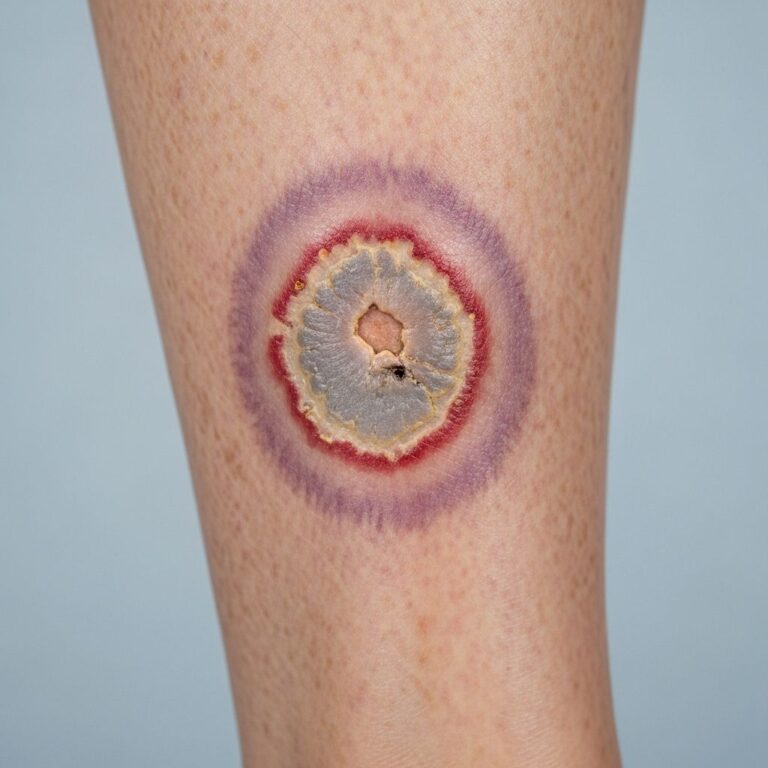
Drugs And Sun Sensitivity Risks: 8 High-Risk Drug Groups
Discover how common medications heighten sun sensitivity, leading to severe skin reactions, and learn vital protection strategies.

Many prescription and over-the-counter drugs can make skin more vulnerable to ultraviolet (UV) light, resulting in heightened risks of burns, rashes, and long-term damage. This phenomenon, termed photosensitivity, arises when medications interact with sunlight’s UVA and UVB rays, prompting adverse skin responses that mimic or exceed typical sunburn effects.
Understanding Photosensitivity from Medications
Photosensitivity occurs as drugs or their byproducts in the skin absorb UV radiation, sparking photochemical processes that harm cells. This leads to two primary reaction categories: phototoxic, which resemble intensified sunburns and strike anyone exposed sufficiently, and photoallergic, which involve immune responses causing itchy rashes days post-exposure. Phototoxic events dominate, often dose- and exposure-dependent, while photoallergic ones may linger even after stopping the drug.
Individuals on multiple medications or with fair skin face elevated risks. Those with HIV or undergoing treatments like photodynamic therapy (PDT) show particular susceptibility. Awareness empowers proactive measures, minimizing harm during routine outdoor activities.
Primary Reaction Mechanisms
Phototoxic reactions ignite rapidly—minutes to hours after sun contact—via direct cellular toxicity. UV energy alters drug molecules, generating reactive oxygen species (ROS) that inflame skin, akin to exaggerated sunburns with redness, pain, and potential blistering.
Photoallergic responses, rarer, require immune sensitization. Modified drugs act as haptens, triggering delayed eczema-like eruptions on exposed areas. Distinguishing types guides management: phototoxicity resolves quickly with shade and cessation, whereas photoallergy might demand antihistamines or steroids.
Common Drug Categories Implicated
Numerous therapeutic classes carry photosensitizing potential. Below is a structured overview of high-risk groups, highlighting examples and typical effects.
| Drug Category | Examples | Reaction Type | Key Risks |
|---|---|---|---|
| Antibiotics | Tetracyclines (doxycycline, tetracycline), Fluoroquinolones (ciprofloxacin) | Phototoxic, Photoallergic | Sunburn-like rashes, nail changes; higher doses amplify effects |
| NSAIDs | Ibuprofen, Naproxen, Diclofenac | Phototoxic | Redness, swelling on exposed skin |
| Diuretics | Hydrochlorothiazide, Furosemide | Phototoxic | Increased burn risk, pigmentation shifts |
| Antifungals & Retinoids | Some antifungals, Isotretinoin, Acitretin | Phototoxic | Acne treatments heighten fragility |
| Cardiovascular Drugs | Amiodarone | Phototoxic | Blue-gray discoloration, persistent sensitivity |
| Antihistamines & Antidepressants | Certain antihistamines, Tricyclic antidepressants (amitriptyline) | Phototoxic, Photoallergic | Rashes, discoloration |
| Diabetes Drugs | Sulfonylureas (glyburide, glipizide), Rarely metformin | Photoallergic | Eczema-like rashes lasting weeks |
| Chemotherapy Agents | Fluorouracil, Methotrexate, Doxorubicin | Phototoxic | Blistering, discoloration |
This table draws from clinical observations; not all users react, but vigilance is key.
Symptoms to Watch For
- Immediate Burning or Tingling: Precursor to phototoxicity on sun-hit zones like face, arms, neck.
- Exaggerated Sunburn: Intense redness, edema, blisters emerging faster than usual.
- Rashes and Itching: Eczema patterns or hives in photoallergic cases, possibly spreading.
- Hyperpigmentation: Lingering brown or gray spots, notably with amiodarone.
- Nail or Long-term Effects: Separation or slate-gray hues from tetracyclines.
Severity varies by drug dose, skin type, and UV intensity. Prompt recognition averts escalation.
Prevention Strategies for Safe Sun Exposure
Shielding skin trumps reaction treatment. Core tactics include:
Related Stories



- Broad-Spectrum Sunscreen: SPF 30+ applied liberally, reapplied every 2 hours; opt for water-resistant formulas covering UVA/UVB.
- Protective Apparel: Long sleeves, pants, wide-brim hats, UV-blocking sunglasses.
- Timing and Shade: Limit midday sun (10 AM-4 PM); seek shadows.
- Medication Review: Consult pharmacists/doctors on alternatives or timing.
For PDT or PUVA patients, post-treatment light avoidance is critical, as sensitivity peaks immediately after.
Managing Reactions When They Occur
Should symptoms arise, act swiftly:
- Cool skin with compresses; apply aloe or 1% hydrocortisone.
- Moisturize and use oral pain relievers like acetaminophen.
- Avoid irritants; for severe cases, seek medical input for topicals or steroids.
- Discontinue suspect drugs if feasible; monitor for persistence.
Most phototoxic issues fade within days to weeks; photoallergic may endure longer.
Special Considerations for At-Risk Groups
Patients on chemotherapy or heart drugs like amiodarone warrant extra caution, as reactions can be profound and chronic. Diabetics on sulfonylureas should note rash longevity. Children, elderly, and fair-skinned individuals amplify vulnerability. Always cross-check labels or databases for updates.
Frequently Asked Questions (FAQs)
Which antibiotic most commonly causes sun sensitivity?
Doxycycline and other tetracyclines top the list, provoking rapid sunburn-like responses.
Does stopping the medication end photosensitivity immediately?
Often yes for phototoxicity, but photoallergic or chronic cases (e.g., amiodarone) may persist months.
Is sunscreen alone sufficient protection?
No—combine with clothing and shade for optimal defense.
Can over-the-counter drugs trigger this?
Yes, notably ibuprofen and naproxen.
Should I avoid all sun while on these meds?
Not entirely, but minimize exposure and protect rigorously.
Long-Term Implications and Monitoring
Repeated episodes heighten skin cancer odds via DNA damage. Routine dermatology checks benefit chronic users. Pharmacogenomics may predict risks, though not standard yet. Patient education via leaflets enhances compliance.
Staying informed about one’s regimen fosters healthier sun habits, blending medical necessity with outdoor enjoyment safely.
References
- Medications That Cause Sun Sensitivity: What You Need to Know — Phothera. 2023. https://www.phothera.com/medications-that-cause-sun-sensitivity-what-you-need-to-know/
- Photosensitivity Report – Medications — Skin Cancer Foundation. 2023-12-01. https://www.skincancer.org/risk-factors/photosensitivity/medications/
- Drug-induced Photosensitivity — DermNet NZ. 2024. https://dermnetnz.org/topics/drug-induced-photosensitivity
- 13 Medications That Increase Sun Sensitivity — GoodRx. 2024. https://www.goodrx.com/health-topic/dermatology/avoid-the-sun-if-you-take-these-drugs
- Sun-Sensitizing Drugs — WebMD. 2023. https://www.webmd.com/skin-problems-and-treatments/sun-sensitizing-drugs
- Drug-Induced Photosensitivity Guidance — Il Meridian. 2024. https://www.ilmeridian.com/newsroom/drug-induced-photosensitivity-guidance.html
- The Sun and Your Medicine — U.S. Food and Drug Administration (FDA). 2024-07-01. https://www.fda.gov/drugs/special-features/sun-and-your-medicine
Similar Articles








Read full bio of medha deb